This year’s induction into the National Film Registry highlights the incredible breadth of the American experience, bridging the gap between the dawn of silent cinema and the high-concept blockbusters of the 21st century. By selecting 25 films based on their enduring cultural, historical, or aesthetic importance, the Library of Congress continues its mission to preserve the nation’s film heritage. From the martial arts lessons of the 1980s to the philosophical questions of reality TV, these titles represent the evolving soul of domestic filmmaking.
The Truman Show (1998)
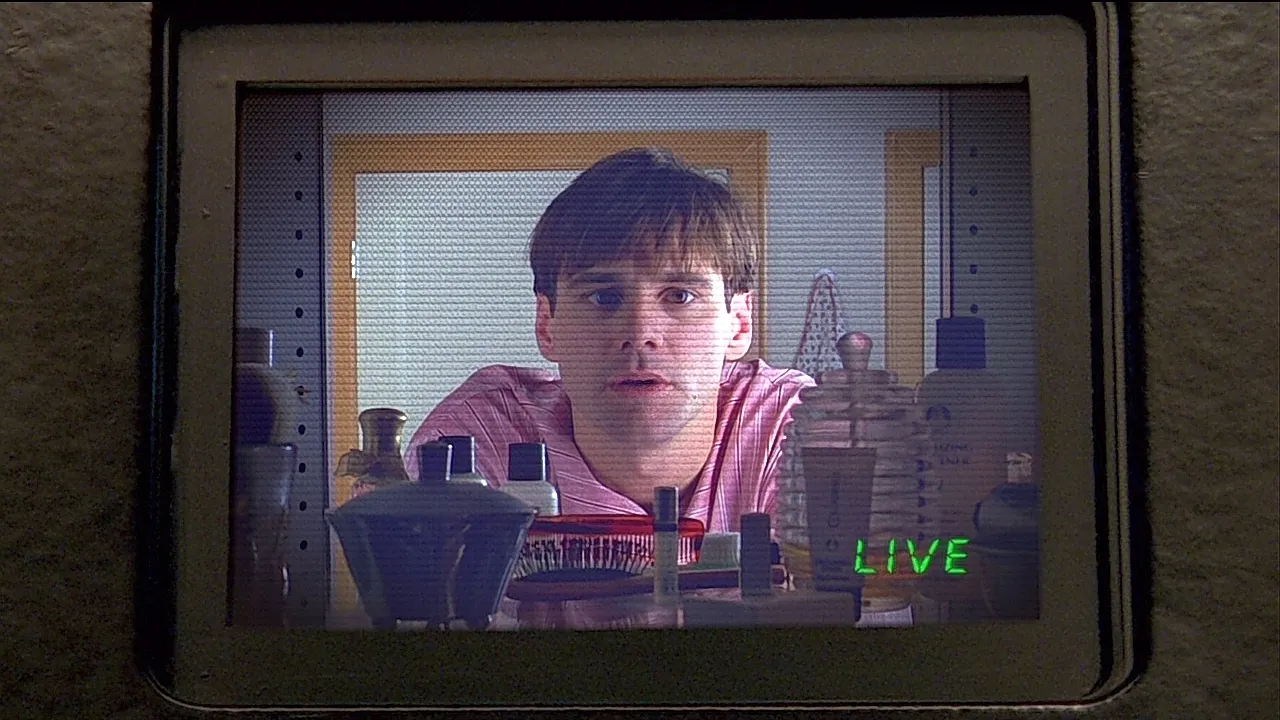
Jim Carrey’s transition into more dramatic territory remains a prophetic look at a society obsessed with surveillance and reality television. Director Peter Weir crafted a world that feels both comforting and claustrophobic, questioning the boundaries between private life and public entertainment.
The Tramp and the Dog (1896)
As the oldest entry in this year’s class, this brief silent work from William Selig provides a rare window into the very first years of motion pictures. It captures a simple, comedic interaction that demonstrates the early narrative instincts of American filmmakers.
Inception (2010)
Christopher Nolan’s cerebral heist film challenged the traditional structure of summer blockbusters by weaving a complex narrative through multiple layers of dreams. Its breathtaking visual effects and Hans Zimmer’s booming score created a unique sensory experience that dominated cultural conversations for years.
The Maid of McMillan (1916)
Recognized as the first recorded student film, this silent short was produced by a drama club at Washington University in St. Louis. It follows a whimsical romance involving a track team captain and a fellow student, showcasing the creative spirit of early amateur filmmakers.
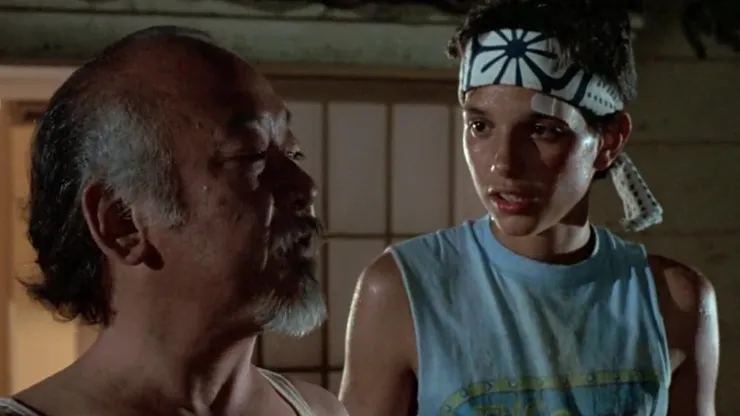
The Karate Kid (1984)
Few films have permeated the cultural lexicon as deeply as this underdog story, which turned “wax on, wax off” into a household phrase. Beyond the iconic tournament scenes, the movie is a poignant exploration of mentorship and the immigrant experience through the bond between Daniel LaRusso and Mr. Miyagi.
The Grand Budapest Hotel (2014)
Wes Anderson’s meticulous visual style reached a pinnacle in this vibrant, multi-layered tale of a legendary concierge and his lobby boy. The director utilized the Library of Congress’s own photochrom collections to research the film’s stunning European landscapes and architecture.
White Christmas (1954)
This holiday staple was the first film released in VistaVision, a high-definition widescreen process developed by Paramount to compete with television. Starring Bing Crosby and Danny Kaye, the musical numbers and Technicolor palettes have become synonymous with American Christmas traditions.
The Incredibles (2004)
Brad Bird’s Pixar masterpiece redefined the superhero genre by focusing more on the mundane struggles of family life than on the powers themselves. With its retro-futuristic design and sophisticated humor, the film appealed to adults and children alike while pushing the boundaries of computer animation.
The Oath of the Sword (1914)
This silent production is a landmark of Asian American cinema, featuring a Japanese lead and focusing on themes of cultural identity and honor. Produced by the Japanese American Film Company, it represents a vital and often overlooked chapter in the history of ethnic representation on screen.
Clueless (1995)
Amy Heckerling’s brilliant reimagining of Jane Austen’s Emma perfectly captured the fashion and vernacular of the 1990s Beverly Hills teen scene. Alicia Silverstone’s performance as Cher Horowitz created an iconic protagonist who was far more perceptive and kind-hearted than her airhead exterior suggested.
Frida (2002)
Salma Hayek’s passionate portrayal of artist Frida Kahlo brought the painter’s vibrant and often painful life to a global audience. Directed by Julie Taymor, the film utilizes creative visual transitions that mimic the surrealist nature of Kahlo’s own artwork.
The Thing (1982)
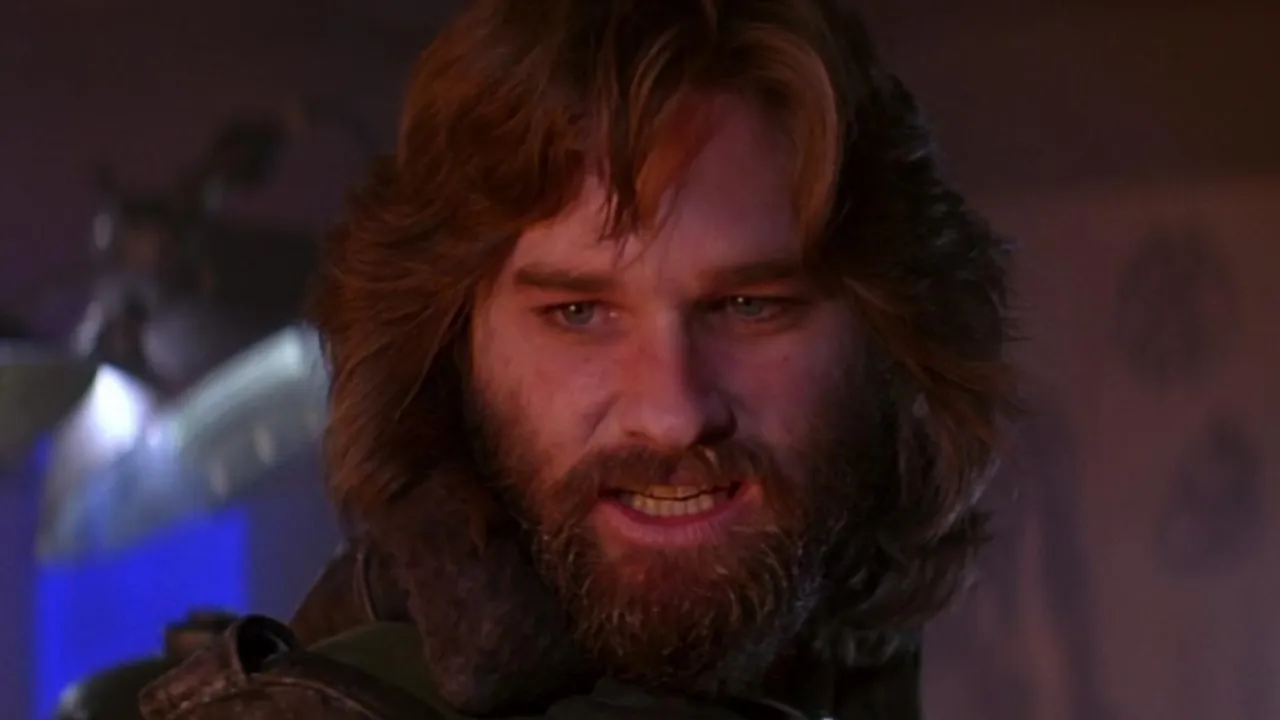
John Carpenter’s masterwork of practical effects and mounting paranoia was initially misunderstood by critics but has since been hailed as a horror classic. Set in a remote Antarctic research station, the film uses its shape-shifting antagonist to explore themes of isolation and distrust. Ennio Morricone’s haunting, minimalist score perfectly complements the film’s bleak and terrifying atmosphere.
Before Sunrise (1995)
Richard Linklater’s dialogue-driven romance captured the fleeting, magical chemistry of two strangers meeting on a train in Vienna. By focusing almost entirely on the conversation between Julie Delpy and Ethan Hawke, the film elevated the walk and talk style of indie filmmaking.
The Lady (1925)
This silent drama starring Norma Talmadge was once considered partially lost until a recent restoration by the Library of Congress. It tells the story of a woman’s struggles through various hardships, showcasing the emotional range that made Talmadge one of the biggest stars of her era.
Philadelphia (1993)
As one of the first major Hollywood films to directly address the HIV/AIDS crisis, this legal drama played a crucial role in shifting public perception and awareness. Tom Hanks earned an Academy Award for his performance as a lawyer fighting a wrongful termination suit based on his diagnosis.
High Society (1956)
This musical remake of The Philadelphia Story features an incredible ensemble cast including Frank Sinatra, Bing Crosby, and Grace Kelly in her final film role. With a sophisticated score by Cole Porter, it represents the height of mid-century cinematic glamour and star power. The film remains a quintessential example of the polished, high-budget studio productions of the 1950s.
Glory (1989)
This powerful historical epic tells the story of the 54th Massachusetts Volunteer Infantry, one of the Union Army’s first African American regiments during the Civil War. Denzel Washington’s breakout performance and the film’s harrowing battle sequences brought a long-neglected chapter of American history to life. It continues to be praised for its technical achievement and its tribute to the heroism of Black soldiers.
The Big Chill (1983)
By gathering a group of friends following a funeral, Lawrence Kasdan’s film perfectly captured the anxieties and shifting values of the Baby Boomer generation. Its ensemble cast and legendary Motown soundtrack defined the reunion subgenre of drama for years to come.
Say Amen, Somebody (1982)
This acclaimed documentary celebrates the world of gospel music through the lives of its pioneers, including Thomas A. Dorsey and Willie Mae Ford Smith. It captures the spiritual energy and historical roots of the genre with intimacy and joy, preserving vital performances for posterity.
The Hours (2002)
Linking the lives of three women across different time periods through the work of Virginia Woolf, this film is a profound exploration of mental health and stifled desires. The central performances by Meryl Streep, Julianne Moore, and Nicole Kidman provide a masterclass in nuanced, dramatic acting.
Sparrows (1926)
Mary Pickford stars in this gothic-tinged silent thriller as a young woman protecting a group of orphans from a villainous farm owner. The film is notable for its atmospheric set design and its departure from Pickford’s more typical, lighthearted America’s sweetheart roles.
The Loving Story (2011)
This documentary provides a moving and factual look at Richard and Mildred Loving, the couple whose legal battle led to the landmark Supreme Court decision against anti-miscegenation laws. Using archival footage and personal photographs, it humanizes a pivotal moment in the American civil rights movement.
Brooklyn Bridge (1981)
Ken Burns’ first major documentary explored the engineering marvel and the cultural symbolism of New York’s most iconic bridge. It established the filmmaker’s signature style of using archival materials to tell a compelling narrative about American progress and ingenuity.
The Wrecking Crew (2008)
This documentary shines a much-deserved light on the unsung session musicians who provided the backing tracks for countless hits in the 1960s and 70s. From The Beach Boys to Frank Sinatra, these versatile players shaped the sound of American popular music behind the scenes.
Ten Nights in a Barroom (1926)
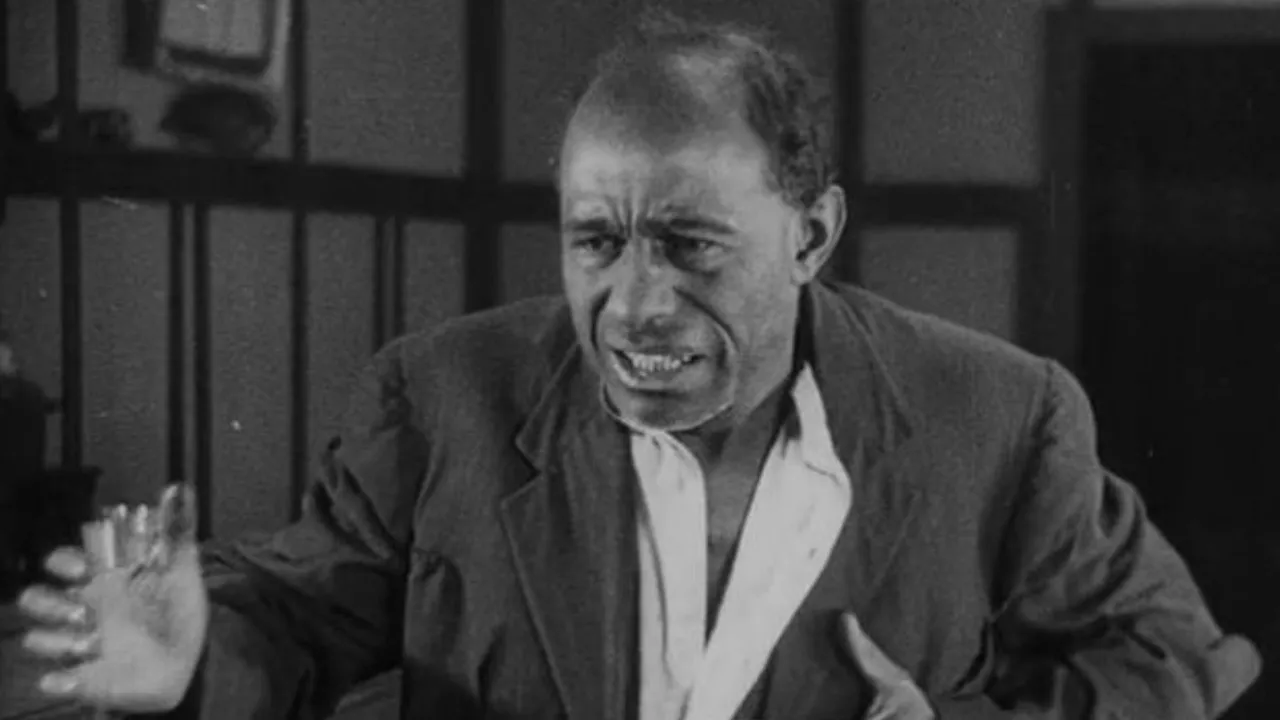
As a rare surviving example of a race film, this production featured an all-Black cast and was intended for Black audiences during the era of segregation. The film adaptation of the popular temperance play offers a fascinating look at the social messaging and independent filmmaking of the 1920s.