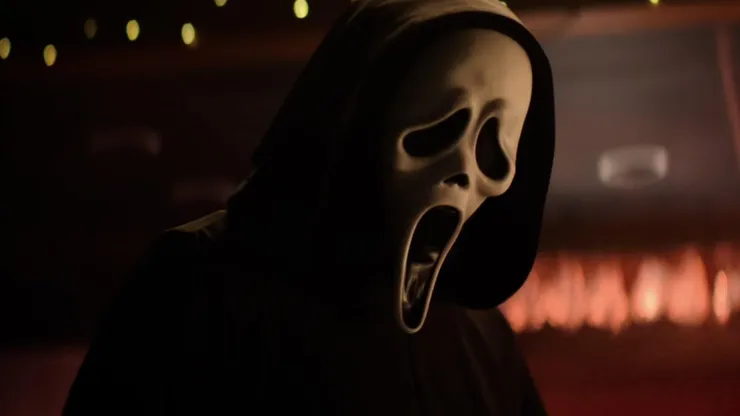
Despite the return of franchise veteran Neve Campbell, a troubled production cycle and a divisive new direction have left both critics and fans wondering if this is the final curtain call for the Woodsboro legacy.
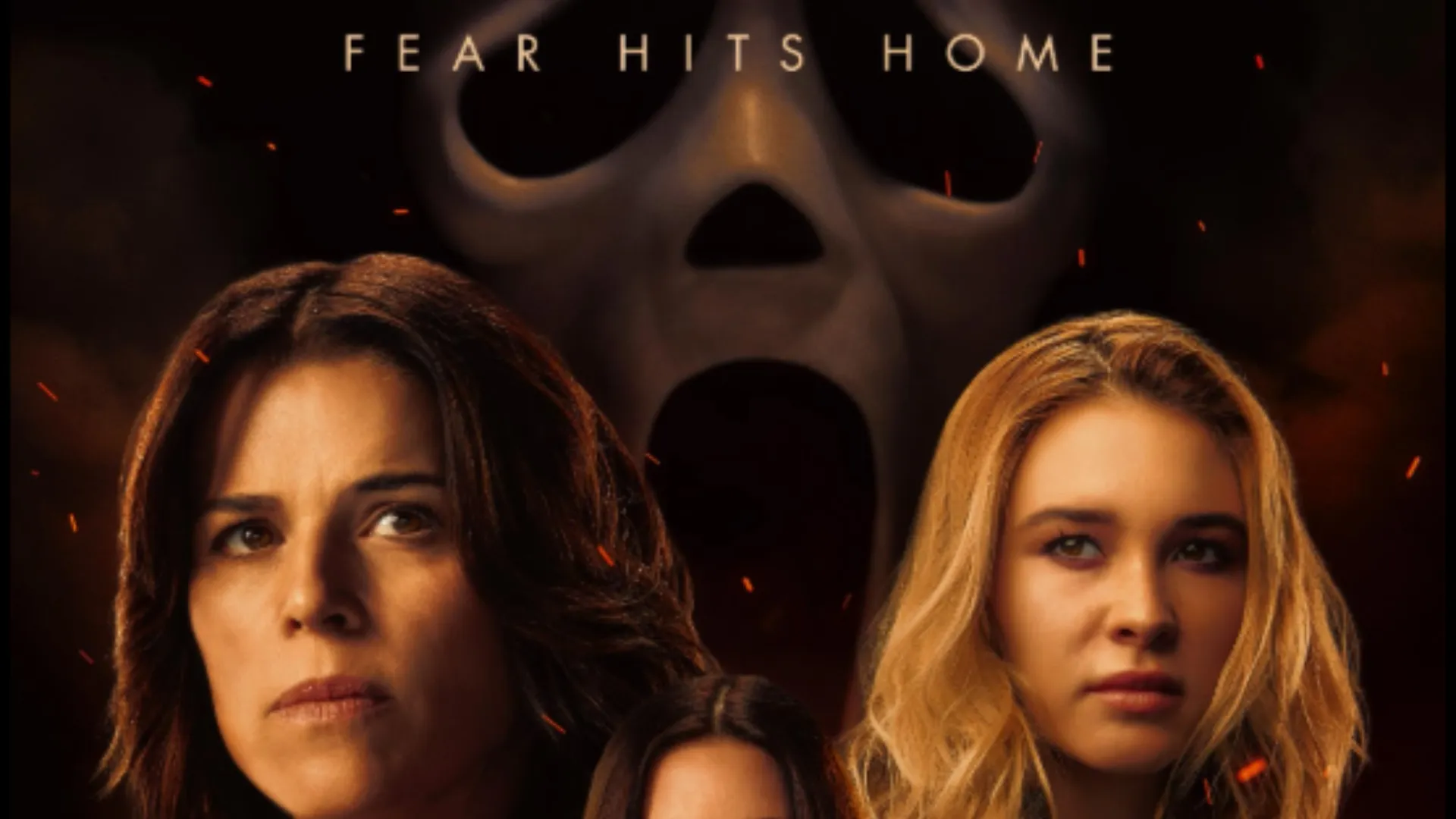
IMDb
For nearly thirty years, the Scream franchise has been the gold standard for meta-horror, consistently staying “Fresh” on the Tomatometer by subverting slasher tropes. However, the seventh installment has broken that streak in the worst way possible. Following a tumultuous development period—which saw the departure of previous leads Melissa Barrera and Jenna Ortega, as well as director Christopher Landon—the final product has arrived to a chorus of disappointed reviews. At 41%, it now sits well below the previously lowest-rated entry, Scream 3 (which holds a 45%), signaling a significant disconnect between the studio’s vision and the critics expectations.
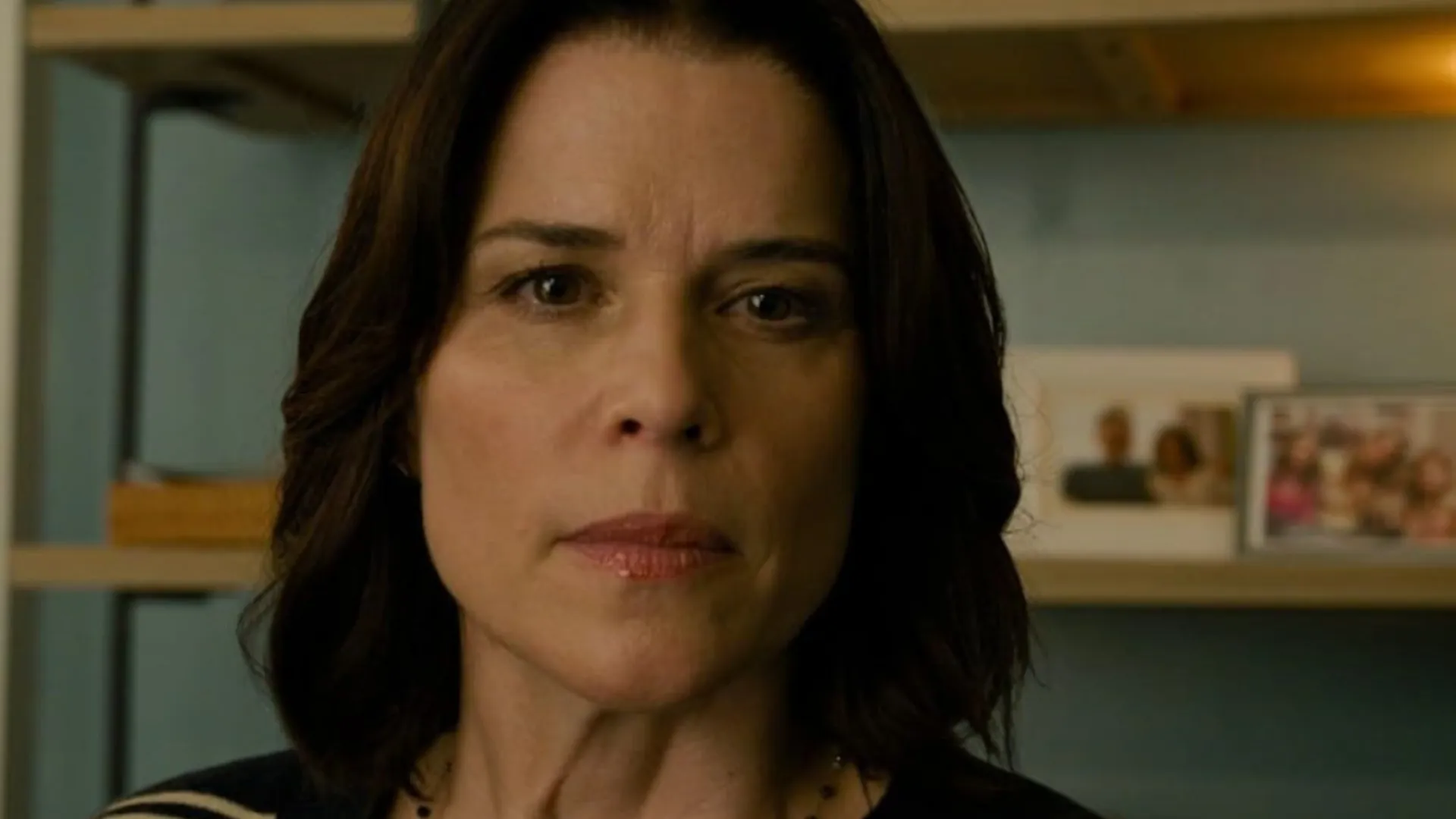
While the return of Neve Campbell as Sidney Prescott was intended to be the ultimate fan-service olive branch, critics argue that her presence feels forced in a narrative that had already begun to move on. Reviews suggest that the script relies too heavily on nostalgia rather than the sharp, satirical commentary that defined Wes Craven’s original films or even the 2022 “requel.”
A Story Grappling with Its Own Shadow
Much of the criticism is leveled at the film’s “clunky” meta-commentary. SCREAM 7 attempts to satirize the “endless sequel” culture and the toxicity of online fanbases, but many reviewers feel the irony is lost when the film itself falls into the same traps it tries to mock. The “movie-within-a-movie” tropes that were once clever now feel like a franchise running out of breath.
Production Woes Bleed Onto the Screen
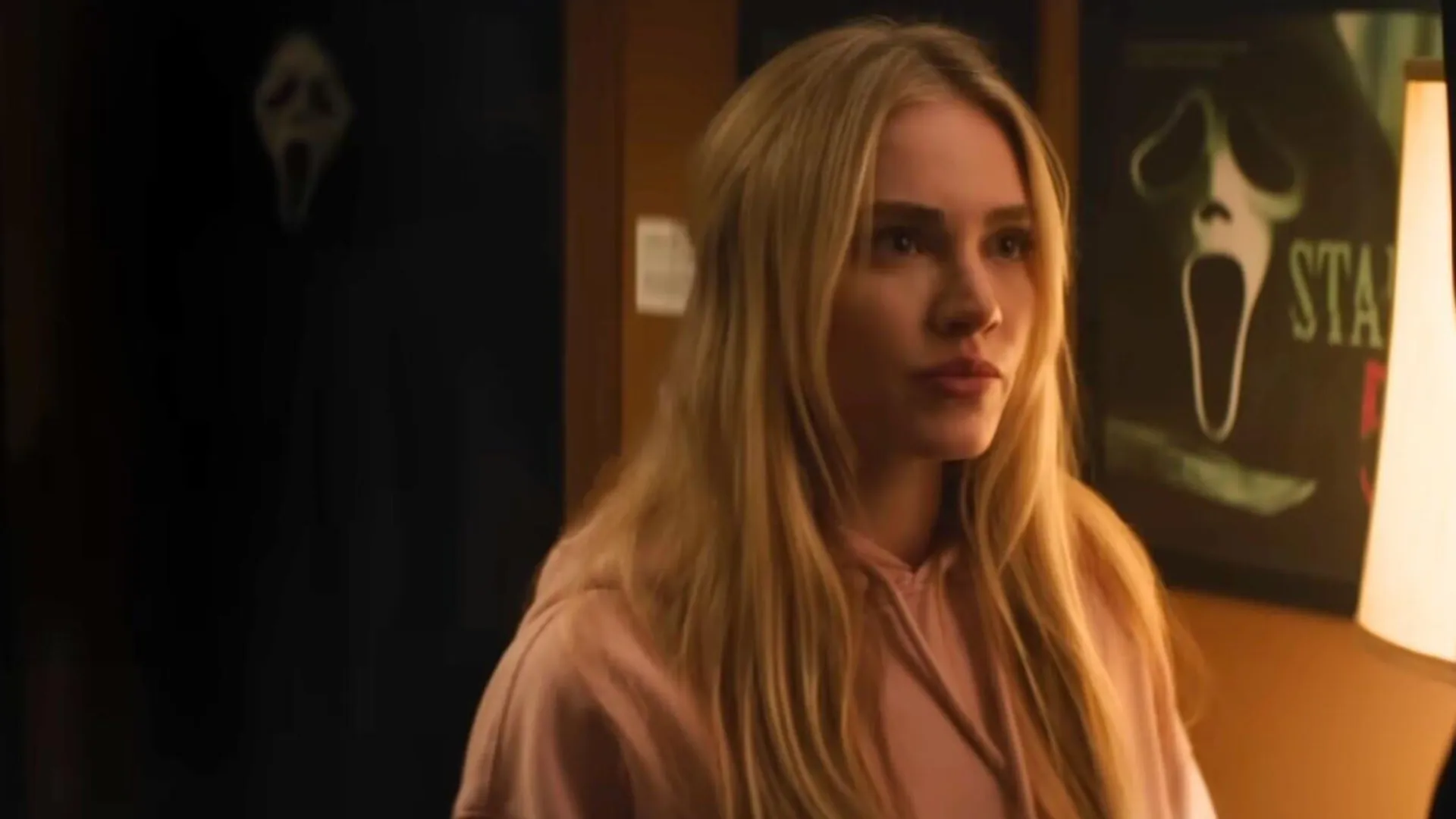
It’s no secret that SCREAM 7 went through a “development hell” of sorts. With Kevin Williamson stepping into the director’s chair to steady the ship, many hoped for a return to form. Instead, critics point to a disjointed pace and a lack of the visual flair seen in the Radio Silence era (Scream 5 and 6). The consensus suggests that the behind-the-scenes drama left the final edit feeling like a collection of ideas rather than a cohesive film.