Before Hollywood fully embraced her, Queen Latifah had already reshaped the sound and message of late ’80s hip-hop. Emerging from Newark with All Hail the Queen, she stood apart in a male-dominated genre, blending assertiveness with social commentary and redefining what female voices in rap could represent.
Tracks like U.N.I.T.Y. would later cement her as a cultural force, but even in those early years, her presence carried a sense of authority that extended beyond music—a voice that didn’t just participate in the conversation, but redirected it.
That same versatility would become the foundation of a career that moved fluidly across industries. From sitcom success in Living Single to Oscar-nominated acclaim in Chicago, she evolved into a performer capable of commanding both comedic timing and dramatic weight.
Queen Latifah’s top 10 songs
U.N.I.T.Y.
The explosive power of U.N.I.T.Y. lies not in flashy production, but in its unapologetic message: demanding respect for women at a time when hip-hop often normalized misogyny.
Released in 1993 from her Black Reign album, the track confronts street harassment, violence and derogatory language with razor-sharp lyricism, making it one of the most resonant feminist anthems in rap history.
Beyond its social urgency, U.N.I.T.Y. catapulted Queen Latifah into mainstream consciousness by earning her the 1995 Grammy Award for Best Rap Solo Performance—a rare crossover for Queen Latifah between critical acclaim and cultural impact. Its chorus remains one of the most recognizable hooks of 1990s hip-hop, and the song regularly appears on lists honoring the decade’s most influential records.
Ladies First
From her 1989 debut All Hail the Queen, Ladies First arrived as a bold declaration of Black womanhood and artistic authority. Featuring British MC Monie Love, the track stood out not just for its commanding verses, but for celebrating female solidarity in an era when such expressions were rare in rap.
The song’s blend of lyrical confidence and cultural pride helped redefine how women could assert themselves within hip-hop’s narrative universe. Over time it has been celebrated by critics and historians alike as a groundbreaking moment, tracing a lineage of feminist expression in music that would influence future generations of artists.
Just Another Day…
Unlike the bold confrontations of her feminist anthems, Just Another Day… is rooted in narrative and context. Released as a single from Black Reign, the track uses vivid storytelling to portray daily life in Latifah’s neighborhood—acknowledging hardship while affirming community pride and resilience.
The song’s production layers Motown-era beats with lyrical honesty, a combo that helped it spend over two months on the Billboard Hot 100. By using her lived experience as material, Latifah reminded listeners that hip-hop could be poetic and reflective as well as lyrical and assertive.
Wrath of My Madness
One of Latifah’s earliest recorded tracks, Wrath of My Madness introduced audiences to her hardcore lyrical persona and assertive delivery long before she became an acting star.
Featured on her debut album, the song set the tone for her artistic ambition with raw energy and rapid-fire rhymes that drew attention from both fans and fellow MCs.
While later hits would be defined by message as much as flow, this track represents Latifah’s roots in classic hip-hop culture—a braggadocious but well-crafted rap that laid the groundwork for her evolution as an artist who could balance toughness with depth.
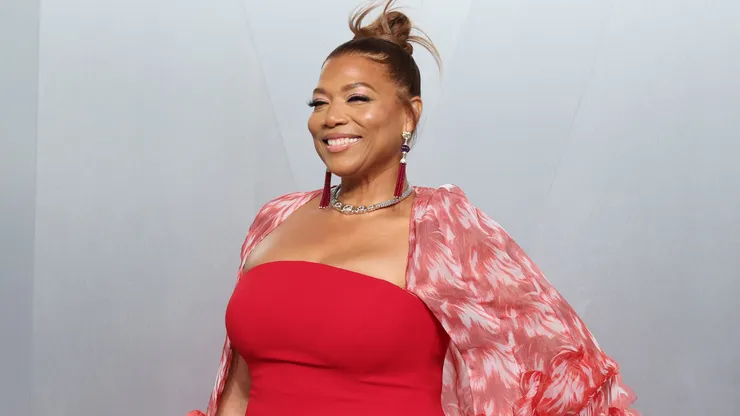
Queen Latifah attends the Los Angeles Clippers & Comcast NBCUniversal’s NBA All-Star Legendary Tip-Off Celebration (Source: Monica Schipper/Getty Images)
Black Hand Side
A standout from the Black Reign era, Black Hand Side showcased Latifah’s ability to interpolate classic soul samples into hip-hop frameworks. Built around a sample of The Isley Brothers’ Hello It’s Me, the single nods to earlier Black musical traditions while layering Latifah’s sharp, poetic verses on top.
The song’s accompanying video, directed by F. Gary Gray, helped bridge hip-hop with mainstream pop culture in the mid-1990s. Though not a massive chart hit, its creative fusion of styles reflects Latifah’s expanding musical palette during a period when she was pushing boundaries across genres.
Big, Blonde and Beautiful
When Latifah transitioned between rap and melodic performance, few moments were as memorable as Big, Blonde and Beautiful, featured in the 2007 film Hairspray. Here, she brings theatrical flair and powerful vocals to a song celebrating body positivity and self-worth—highlighting another facet of her artistic range beyond traditional hip-hop.
In the context of Hairspray, the track became more than a number in a musical: it was a cultural statement that aligned perfectly with Latifah’s longstanding themes of self-empowerment and social pride. Her performance helped broaden her audience to musical theatre fans and solidified her reputation as a multifaceted entertainer.
I Know Where I’ve Been
Another showstopper from Hairspray, I Know Where I’ve Been is steeped in gospel influence and emotional resonance. Latifah’s delivery turns anthemic lyrics into a moment of introspection and strength, underscoring the civil rights–aligned message at the heart of the film’s narrative.
The song’s impact extends beyond the movie’s storyline; it has since been embraced in broader discussions of perseverance and identity. For many listeners, Latifah’s powerful vocals and the song’s message remain a standout moment in her musical catalog.
Latifah’s Had It Up to Here
Part of a deeper dive into Queen Latifah’s catalog, Latifah’s Had It Up to Here taps into her signature blend of confidence and storytelling. While not as commercially dominant as her anthems, the song reflects her lyrical wit and social observation—hallmarks of her early hip-hop work.
The track bridges the gap between classic ’90s rap and Latifah’s broader thematic scope, balancing sharp humor with assertive delivery. It serves as a reminder that her influence wasn’t confined to singles alone, but threaded through her entire body of work.
One Mo’ Time
One Mo’ Time is rooted in the club and house-influenced sound that Latifah explored alongside her harder hip-hop tracks. By blending danceable rhythms with lyrical flair, she demonstrated her versatility in catering to multiple audiences—those craving lyrical complexity and those drawn to infectious beats.
Though perhaps less iconic than her political hits, this song adds dimension to her catalogue and speaks to Latifah’s willingness to experiment with different facets of Black popular music without losing her distinct voice.
Walk the Dinosaur
A later addition to her repertoire, Latifah’s version of Walk the Dinosaur—recorded for the Ice Age: Dawn of the Dinosaurs soundtrack—showcases her ability to cross generational boundaries. Reimagining an ’80s hit for a family-friendly animated film aligns with her broad appeal in entertainment.
The track’s inclusion in a massively popular franchise expanded her influence beyond typical genre constraints, reinforcing her status as a performer capable of engaging audiences from diverse musical and cultural backgrounds.
Queen Latifah’s top 10 screen roles
Girls Trip
In Girls Trip, Queen Latifah anchored one of the most celebrated comedies of the decade as Sasha Franklin, a gossip columnist trying to reconnect with her closest friends on a raucous New Orleans getaway.
Directed by Malcolm D. Lee and co‑starring Regina Hall, Tiffany Haddish and Jada Pinkett Smith, the film became a surprise smash at the box office, earning over $140 million worldwide on a modest budget.
What makes Girls Trip enduring isn’t just the comedy, but how it couples outrageous humor with genuine heart. Latifah’s performance balances sass and vulnerability, portraying a woman confronting her personal and professional insecurities while rediscovering the strength of long‑standing friendships. Its cultural resonance helped elevate all four leads into broader pop‑culture visibility and underscored Latifah’s capacity to carry an ensemble in a major studio hit.
Last Holiday (2006)
In this uplifting dram‑com, Queen Latifah plays Georgia Byrd, a humble department‑store salesperson who, believing she has a terminal illness, cashes out her savings to live lavishly in Europe.
What could have been a contrived premise instead blossoms into a story about self‑rediscovery, joy and human connection, with Latifah delivering warmth and charm at every turn.
Audiences and critics alike responded to her generous performance, which brought both humor and emotional depth to a role that could easily have felt superficial.
The film endures as one of Latifah’s most heartening work on the big screen, marrying light‑hearted comedy with a life‑affirming message that resonates beyond its runtime.
Set It Off (1996)
One of Latifah’s most pivotal early film roles came in Set It Off, a gritty crime thriller directed by F. Gary Gray. She plays Cleopatra “Cleo” Sims, a bank‑robbing woman whose chemistry with her three co‑conspirators helped elevate the movie into a defining piece of 1990s genre cinema.
The film was a box‑office success and praised for its character depth and raw performances. Rather than glamorize criminality, Set It Off explores systemic barriers and personal desperation, allowing Latifah to channel both intensity and nuance.
Her performance anchored the ensemble, showcasing a dramatic range that contrasted sharply with her earliest music and TV personas. The film holds a respected place in cultural conversations about female‑led action dramas.
Chicago (2002)
In Rob Marshall’s Academy Award‑winning musical adaptation, Latifah took on the role of Mama Morton, the tough, savvy matron of the Cook County Jail. The part earned her an Oscar nomination for Best Supporting Actress, making her one of the first women from a hip‑hop background to receive such recognition in film.
Latifah’s version of Morton blended swagger, humor and vocal power, leaving an indelible mark on a movie already rich with star turns. Her chemistry with co‑stars and commanding screen presence helped Chicago become one of the most successful modern musical films, proving that she could shine just as brightly on the cinematic stage as she had in music.
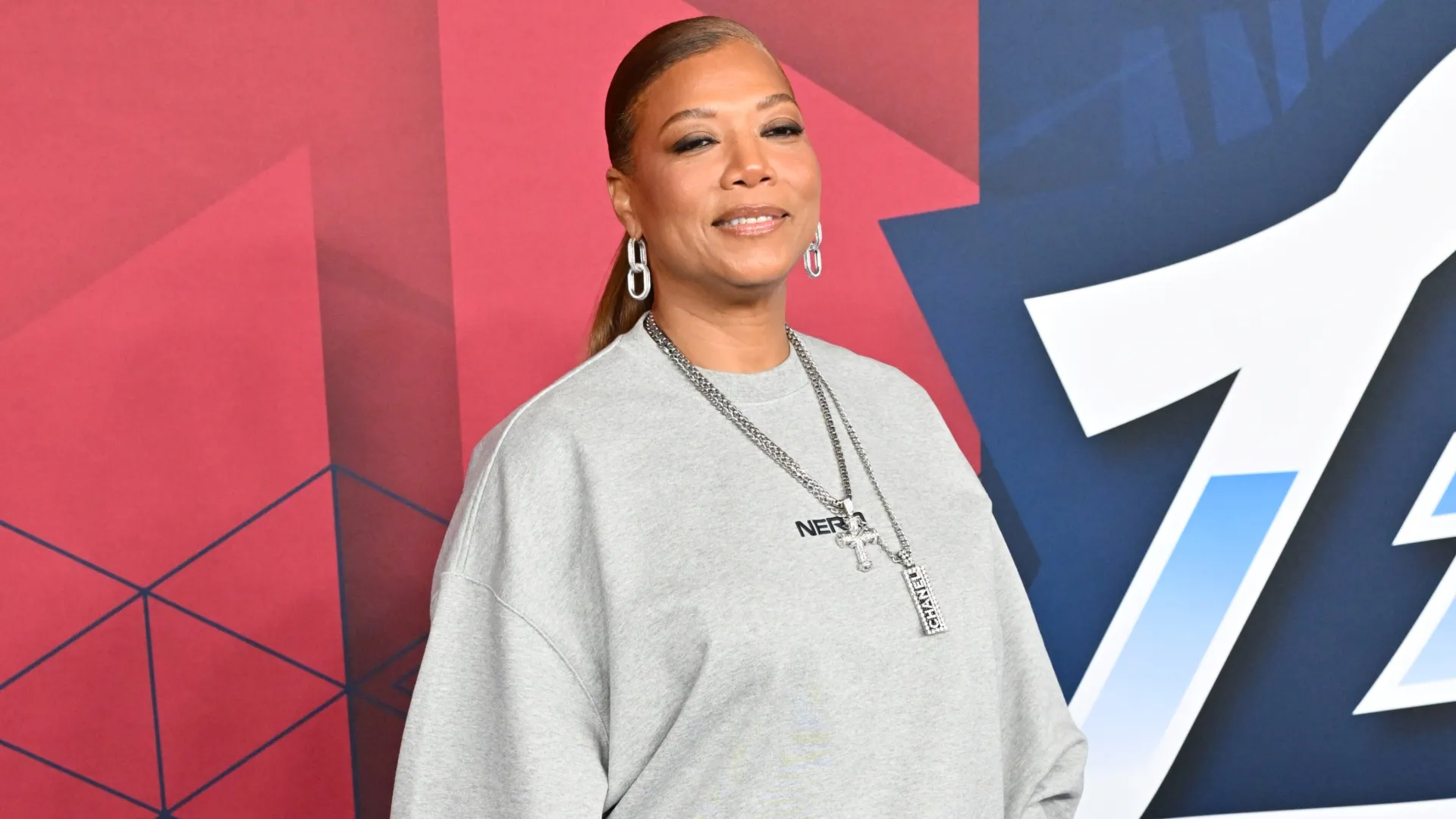
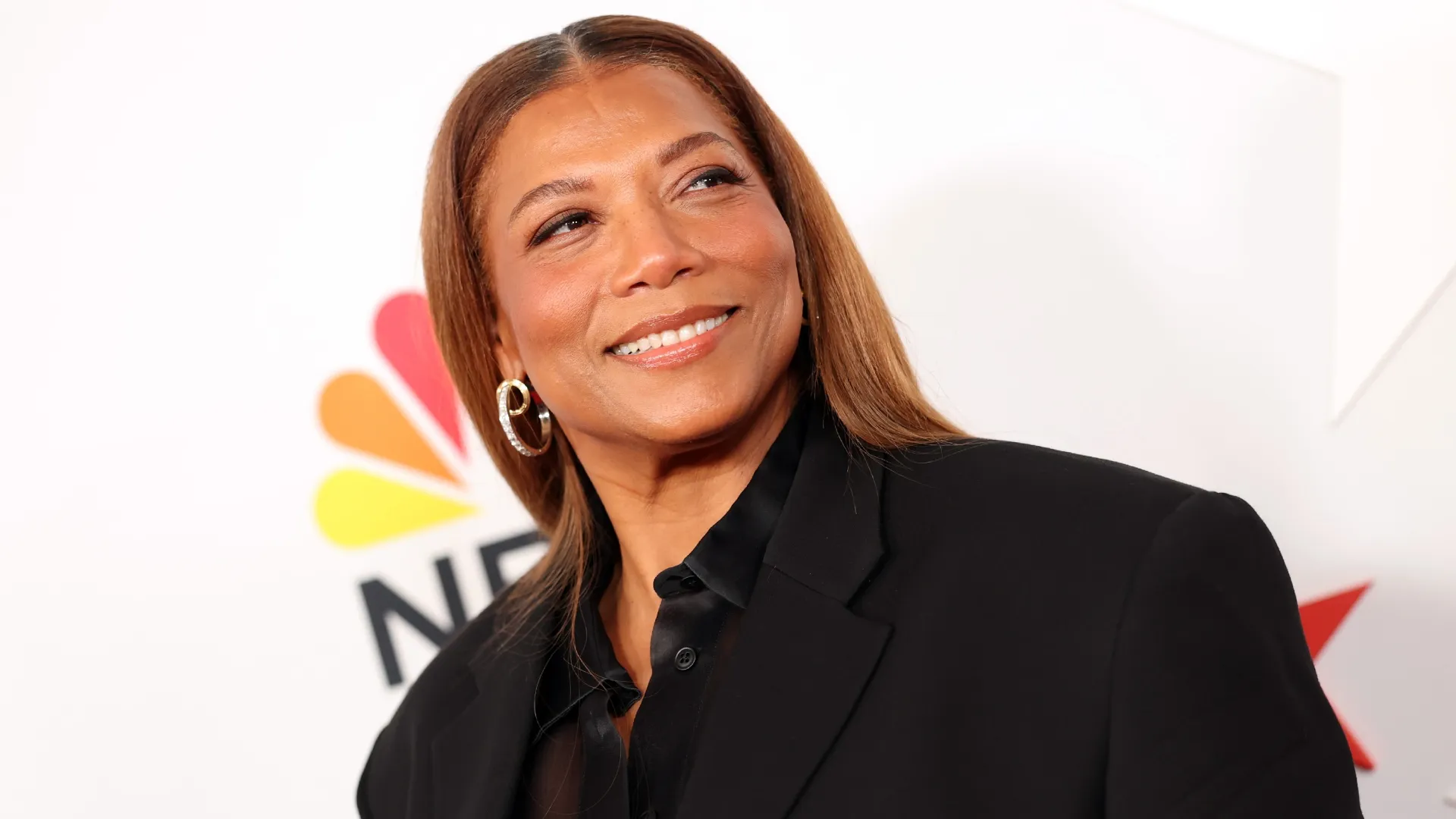
Queen Latifah attends the 75th NBA All-Star Game in 2026 (Source: Allen Berezovsky/Getty Images)
Hairspray (2007)
In this joyful musical set in 1960s Baltimore, Latifah stars as Motormouth Maybelle, a record‑shop owner and passionate advocate for integration on the local dance show. Her performance blended vocal strength with emotional gravitas, notably in the powerful song “I Know Where I’ve Been,” which became one of the film’s most memorable moments.
The role allowed her to combine her musical roots with acting chops in a narrative that celebrated diversity and acceptance. Latifah’s warmth and resolve in the face of social inequality helped give Hairspray both its heart and its soul, appealing to musical fans and general audiences alike.
The Secret Life of Bees (2008)
In this heartfelt adaptation of Sue Monk Kidd’s bestselling novel, Latifah portrays August Boatwright, a beekeeper who offers refuge and spiritual insight to a young girl on the run. Her grounded performance provides emotional backbone to a story steeped in grief, forgiveness and community in the American South.
Critics praised her nuanced interpretation, noting that she brought both authority and empathy to a character at the center of a narrative about healing and intergenerational wisdom. The film’s inclusion of themes like racial reconciliation further highlighted Latifah’s ability to handle complex dramatic material beyond her comedic acclaim.
Just Wright (2010)
In this romantic sports comedy, Latifah plays Leslie Wright, a physical therapist who unexpectedly falls for a basketball star she’s helping rehabilitate. With natural chemistry alongside co‑star Common, she grounded the film’s lighthearted premise in believable relational dynamics and emotional sincerity.
The film’s strength lies in its easygoing blend of romance and sports narrative, with Latifah adding depth to a genre often dominated by formulaic approaches. Her portrayal remains one of her most relatable performances—a character whose personal growth is as engaging as the sports elements around her.
Beauty Shop (2005)
Latifah expanded her on‑screen persona in this comedy as Gina Norris, a talented hairstylist who relocates to Atlanta to start her own salon and assert her independence in both business and life.
The movie, a spin‑off from the Barbershop series, featured a strong ensemble and allowed Latifah to anchor a story about community, entrepreneurship and female bonds.
While reviews were mixed, critics and audiences alike highlighted Latifah’s performance as a major strength—balancing humor with heartfelt leadership as her character navigates professional challenges and personal relationships. It stands as a key example of her ability to carry a solo comedy feature with charm and confidence.
End of the Road (2022)
In one of her more recent dramatic turns, Latifah stars in this thriller as a mother whose road trip with her children takes a dangerous turn after discovering a secret tied to her husband’s death. Released on Netflix, the film marked her first time producing a thriller while also leading it on screen.
Though a departure from her musical and comedy roots, End of the Road showcases Latifah’s range in a tense, character‑driven setting. By anchoring a genre focused on suspense and family dynamics, she continued to broaden her cinematic footprint into unpredictable terrain.
The Perfect Holiday (2007)
In this holiday ensemble comedy, Latifah serves as narrator and producer, tied to a story about love, generosity and festive serendipity. Though not headlining the cast in the traditional sense, her involvement helped tie the film together and amplify its heartwarming message.
The film blends light romance with seasonal cheer, giving Latifah a chance to influence the production from both in front of and behind the camera. Its focus on family and connection fits neatly within the variety of roles she has chosen over her career—stories that celebrate humanity in all its messy, joyful complexity.