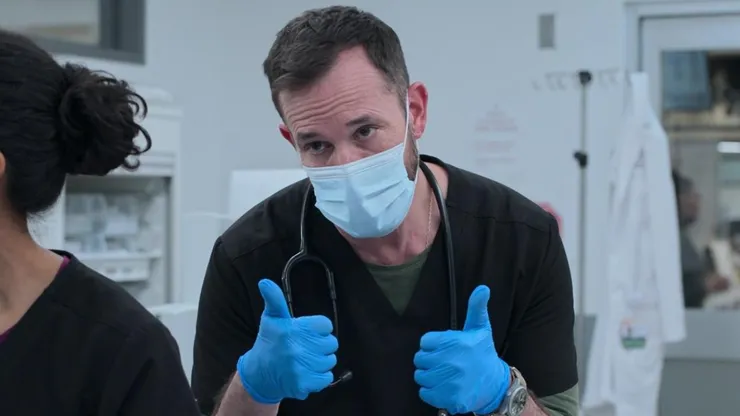
According to a recent analysis by Variety, “The Pitt” is once again emerging as a major force in the Emmy race, buoyed by sustained audience engagement and a strong awards track record following its debut season.
From Breakout Hit to Emmy Front-Runner
What began as a critically admired newcomer has quickly evolved into an awards heavyweight. After securing five wins at the 77th Primetime Emmy Awards, including Outstanding Drama Series, the Max procedural now enters its second season cycle from a markedly different position. No longer the underdog, the real-time hospital drama faces heightened expectations as a presumed front-runner rather than a challenger.
Source: IMDb
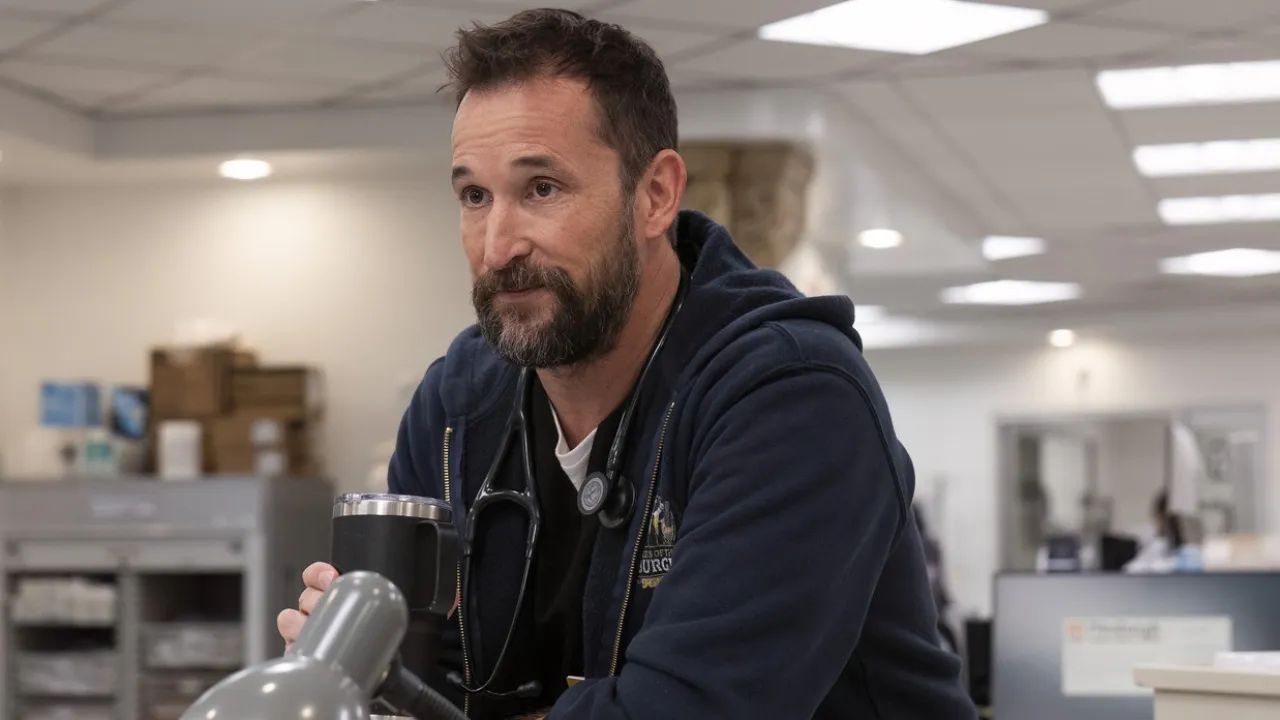
At the center of that momentum is Noah Wyle, whose lead performance as Dr. Michael “Robby” Robinavitch earned him his first Emmy. He is widely expected to return to the race, with additional submissions in directing and writing also in play. Katherine LaNasa, also a previous winner for her portrayal of day-shift charge nurse Dana Evans, is similarly positioned for repeat recognition.
Beyond its established names, the sophomore season has broadened its awards prospects through an expanded ensemble. Sepideh Moafi has emerged as a standout addition as Dr. Baran Al-Hashimi, the interim attending stepping into a leadership role, while Taylor Dearden continues to draw attention as Dr. Melissa “Mel” King, the neurodivergent resident navigating both professional and personal challenges. Tal Anderson’s guest turn as Becca King, Mel’s autistic sister, has also sparked conversation as a potential contender in the guest acting field.
On the supporting side, returning winner Shawn Hatosy remains a strong presence as Dr. Jack Abbot, with the possibility of additional recognition for his work behind the camera. Meanwhile, Patrick Ball as Dr. Frank Langdon and Gerran Howell as Dr. Dennis Whitaker could find themselves competing within the same category, a scenario that often complicates awards campaigns due to vote splitting.
Structurally, the series continues to distinguish itself within the crowded medical drama landscape. Each season unfolds across a single extended emergency room shift, with episodes progressing in near real time. That format, combined with storylines addressing systemic healthcare strain and post-pandemic trauma, has helped sustain both critical acclaim and industry attention.
With a third installment already secured, the show’s continued visibility only strengthens its standing as Emmy voting approaches.