Vocal range has long been one of the most awe-inspiring measures of a singer’s technical ability, separating great performers from truly legendary ones. While emotion, tone, and phrasing define artistry, the capacity to move effortlessly between octaves—and make it sound natural—remains a rare gift. This list celebrates 20 singers whose extraordinary ranges reshaped expectations, influenced generations, and proved just how limitless the human voice can be.
Mike Patton
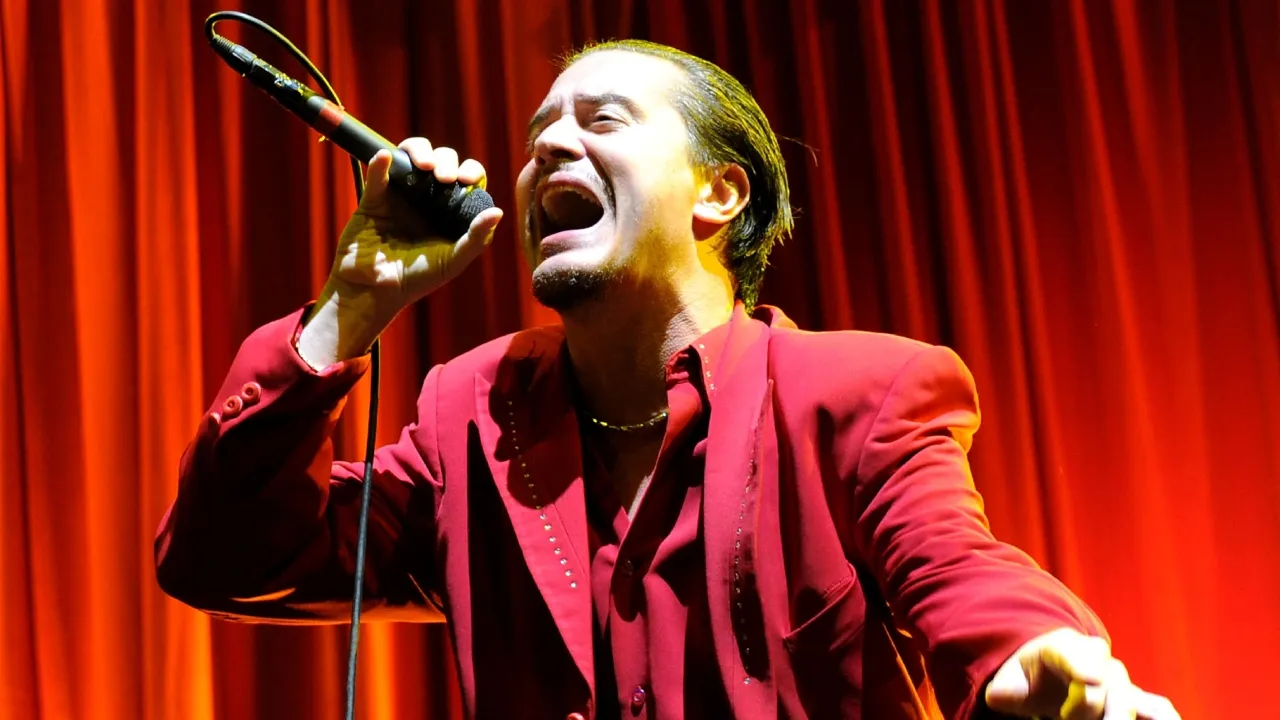
Few vocalists in modern music history have demonstrated range as radically as Mike Patton, whose recorded span stretches across more than six octaves. As the frontman of Faith No More and an experimental force through projects like Mr. Bungle and Fantômas, Patton moves effortlessly from guttural screams to operatic falsetto. What sets him apart isn’t just the technical breadth of his voice, but his command of texture, tone, and character, making him one of the most versatile singers ever captured on record.
Yma Sumac
Peruvian soprano Yma Sumac remains one of the most extraordinary vocal phenomena of the 20th century, with a range often cited at over five octaves. Trained in classical technique and inspired by Andean folk traditions, she could leap from whisper-soft lows to piercing coloratura highs with startling precision. Decades later, her recordings still sound almost superhuman, and her influence continues to echo in experimental, operatic, and avant-garde music circles.
Axl Rose
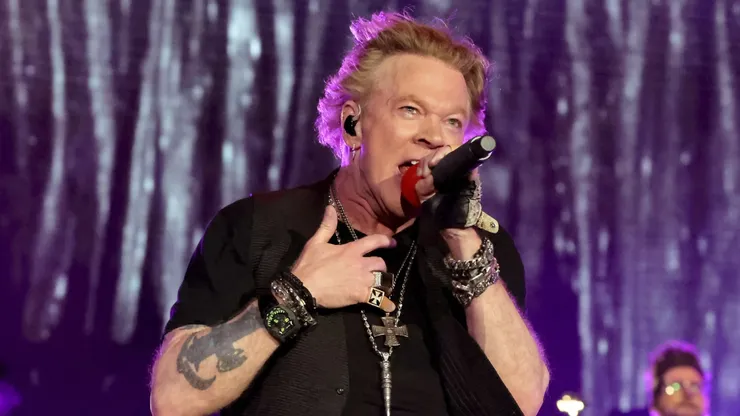
Axl Rose’s voice defined hard rock at its most theatrical, with a documented range that rivals many classically trained singers. From snarling lows to glass-shattering highs, his performances with Guns N’ Roses showcased a rare ability to shift vocal registers within a single line. Beyond raw range, Rose’s control and expressive phrasing helped shape some of the most iconic rock vocals of all time.
Tina Turner
Tina Turner’s range was as much emotional as it was technical, allowing her to command everything from smoky low notes to powerful, soaring belts. Her voice carried grit, warmth, and resilience, making each register feel deeply lived-in rather than purely technical. Across decades of soul, rock, and pop dominance, Turner proved that vocal range paired with conviction can be utterly electrifying.
Layne Staley
Layne Staley’s haunting voice combined a wide range with remarkable harmonic control, particularly evident in Alice in Chains’ layered vocal arrangements. He could descend into dark, resonant lows or soar into anguished highs without losing clarity or emotional weight. Staley’s ability to stretch his range while maintaining vulnerability made his voice one of the most distinctive and influential in grunge-era music.
Mariah Carey
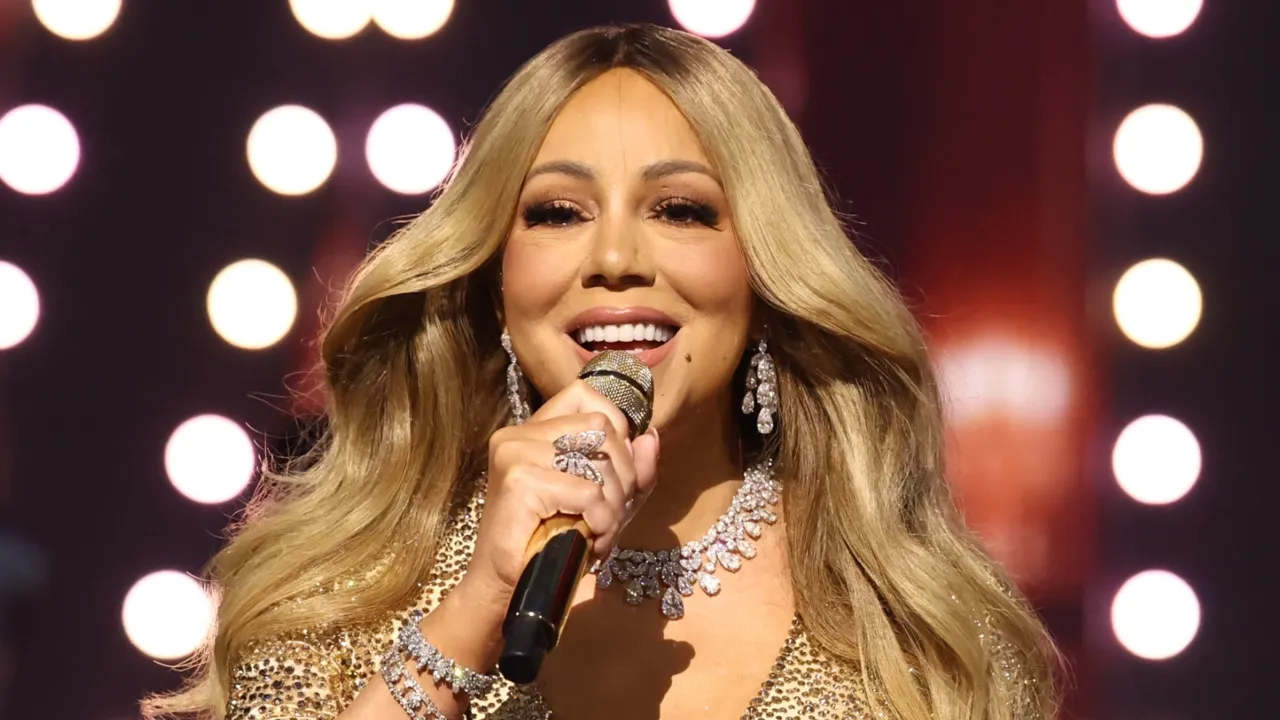
Mariah Carey set the modern benchmark for vocal range in pop music, famously spanning five octaves and popularizing the whistle register in mainstream hits. Her ability to glide from rich lower tones to airy, near-instrumental highs redefined what a chart-topping singer could sound like. Beyond the extremes, Carey’s precise control and melodic phrasing have kept her voice influential across multiple decades.
Brendon Urie
Brendon Urie’s vocal range allows him to jump from resonant baritone passages to piercing tenor highs with theatrical ease. As the driving force behind Panic! at the Disco, he blended pop, rock, and Broadway-inspired techniques into a single, highly flexible instrument. Urie’s range is matched by his stamina, enabling him to deliver demanding live performances night after night.
Ariana Grande
Ariana Grande’s four-octave range and refined control have made her one of the defining voices of contemporary pop. Drawing from R&B and classic soul influences, she moves fluidly between breathy lows, agile midrange runs, and crystalline high notes. Grande’s consistency in both studio and live settings underscores the technical discipline behind her seemingly effortless sound.
Prince
Prince possessed a chameleon-like voice that spanned multiple octaves and identities, shifting seamlessly between masculine grit and delicate falsetto. His range wasn’t about extremes alone, but about how he used each register to serve emotion, groove, and storytelling. Across funk, rock, pop, and soul, Prince turned vocal flexibility into a core part of his artistic signature.
Hayley Williams
Hayley Williams brought an unusually wide and agile range to alternative rock, pairing powerful belts with clear, controlled upper notes. As Paramore’s frontwoman, she balanced raw intensity with melodic precision, often pushing her voice into emotionally charged territory. Williams’ ability to maintain range while conveying vulnerability has helped redefine what a modern rock vocalist can be.
King Diamond
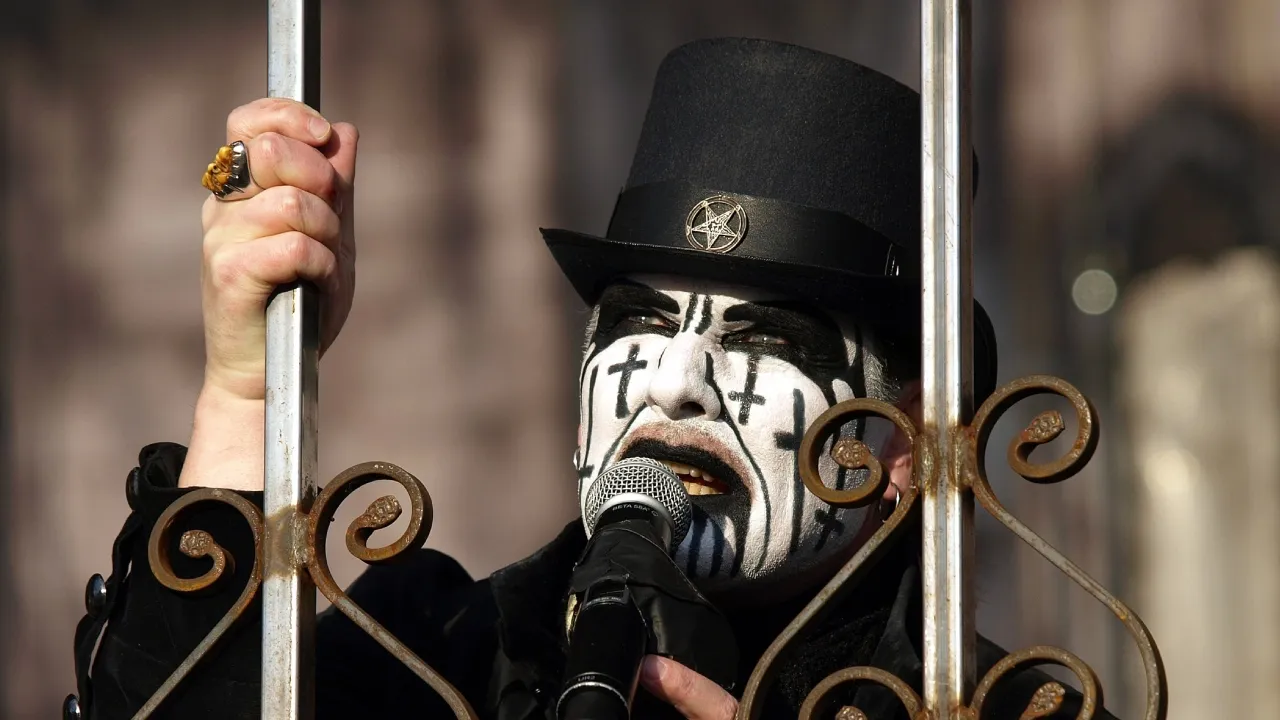
King Diamond’s astonishing range made him one of heavy metal’s most unmistakable voices, spanning cavernous lows to piercing falsetto screams. As the frontman of Mercyful Fate and his own solo projects, he used extreme shifts in register to create theatrical, almost operatic storytelling. His control at such vocal extremes helped expand the expressive possibilities of metal vocals.
Minnie Riperton
Minnie Riperton possessed one of the purest and most celebrated voices in soul music, with a five-octave range that included a stunning whistle register. Her ability to sustain high notes with warmth and clarity set her apart from her peers, particularly on timeless recordings like “Lovin’ You.” Riperton’s technical grace and emotional intimacy continue to influence singers across genres.
Bobby McFerrin
Bobby McFerrin’s voice functions like a full ensemble, capable of covering multiple octaves with remarkable agility. Known for his improvisational brilliance, he effortlessly shifts between bass-like tones, midrange melodies, and flute-like highs. McFerrin’s mastery of range is inseparable from his rhythmic control, making him one of the most innovative vocalists in music history.
Whitney Houston
Whitney Houston combined a wide range with unmatched power and precision, setting a gold standard for pop and R&B vocal performance. She could deliver resonant lows, commanding belts, and soaring highs with equal confidence and emotional clarity. Houston’s voice didn’t just reach impressive notes—it defined an era and reshaped expectations for vocal excellence.
Tim Storms
Tim Storms holds Guinness World Records for both the widest vocal range—an astonishing 10 octaves—and the lowest note ever produced by a human, so deep it’s often inaudible to the human ear. Trained in classical and sacred music, he combines technical precision with extreme physical control to navigate sounds that few can even perceive. While his feats emphasize the extraordinary low end of the spectrum, Storms’ mastery of vocal extremes cements him as one of the most remarkable voices in music history.
Aretha Franklin
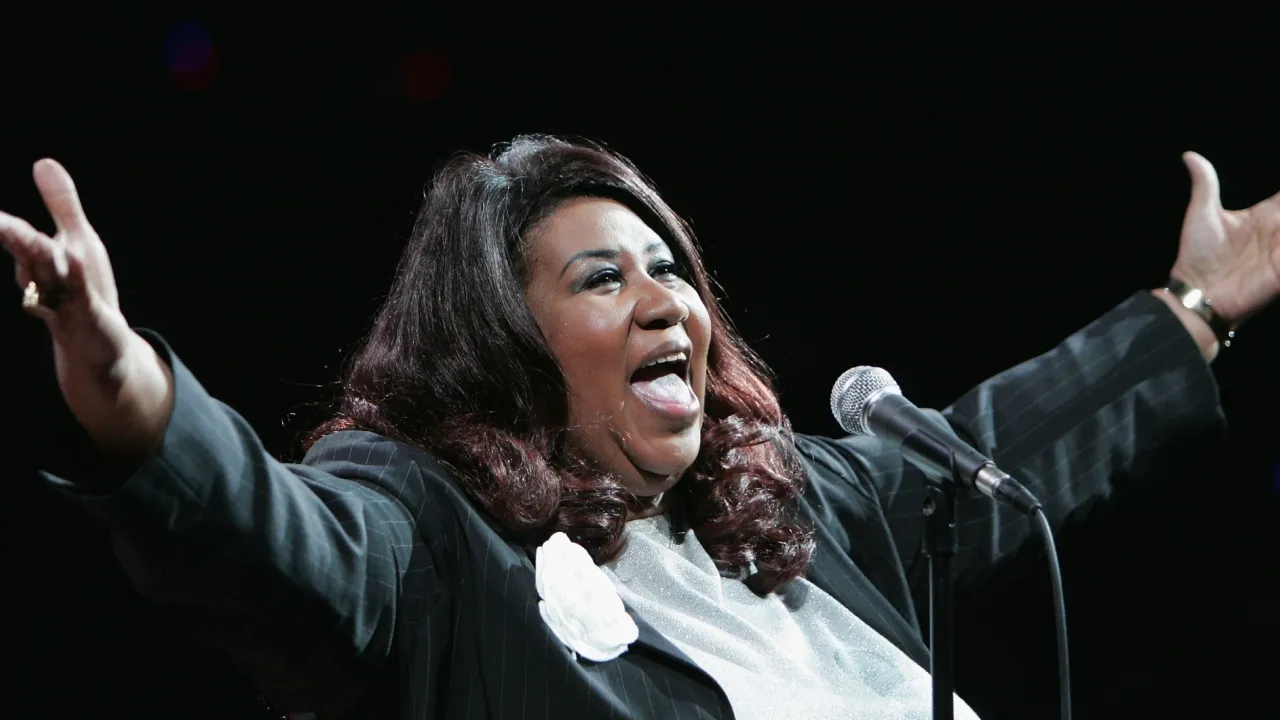
Aretha Franklin’s vocal range was matched by an extraordinary command of dynamics, allowing her to move from tender lows to thunderous, gospel-infused highs. Her classical training and church roots gave her voice both discipline and emotional depth. Across soul, R&B, jazz, and pop, Franklin used her range not for showmanship, but to deliver profound feeling with unmatched authority.
James Brown
James Brown’s range was less about traditional scale and more about explosive flexibility, stretching his voice across raw shouts, sharp falsettos, and gritty lows. He used every register as a rhythmic weapon, shaping funk with vocal intensity rather than melodic ornamentation. Brown’s fearless use of range turned his voice into pure energy and revolutionized popular music performance.
Georgia Brown
Georgia Brown is a contemporary Brazilian singer who holds the Guinness World Record for the greatest vocal range of any female, officially verified at eight octaves. Rising to international prominence in the early 2000s, she is renowned for her mastery of the whistle register, producing notes that exceed the range of a standard piano and even reaching the record for the highest note ever captured by a human voice. While her work in R&B and electronic music remains a specialized niche, her extraordinary technical control and “frequency-defying” feats have made her a legendary figure in vocal pedagogy and music history.
Ella Fitzgerald
Ella Fitzgerald’s voice combined a broad range with impeccable pitch and effortless agility. Known as the “First Lady of Song,” she could glide from warm lows to bright, soaring highs while maintaining flawless intonation. Her vocal flexibility, especially in scat singing, made her one of the most technically accomplished singers in jazz history.
Freddie Mercury
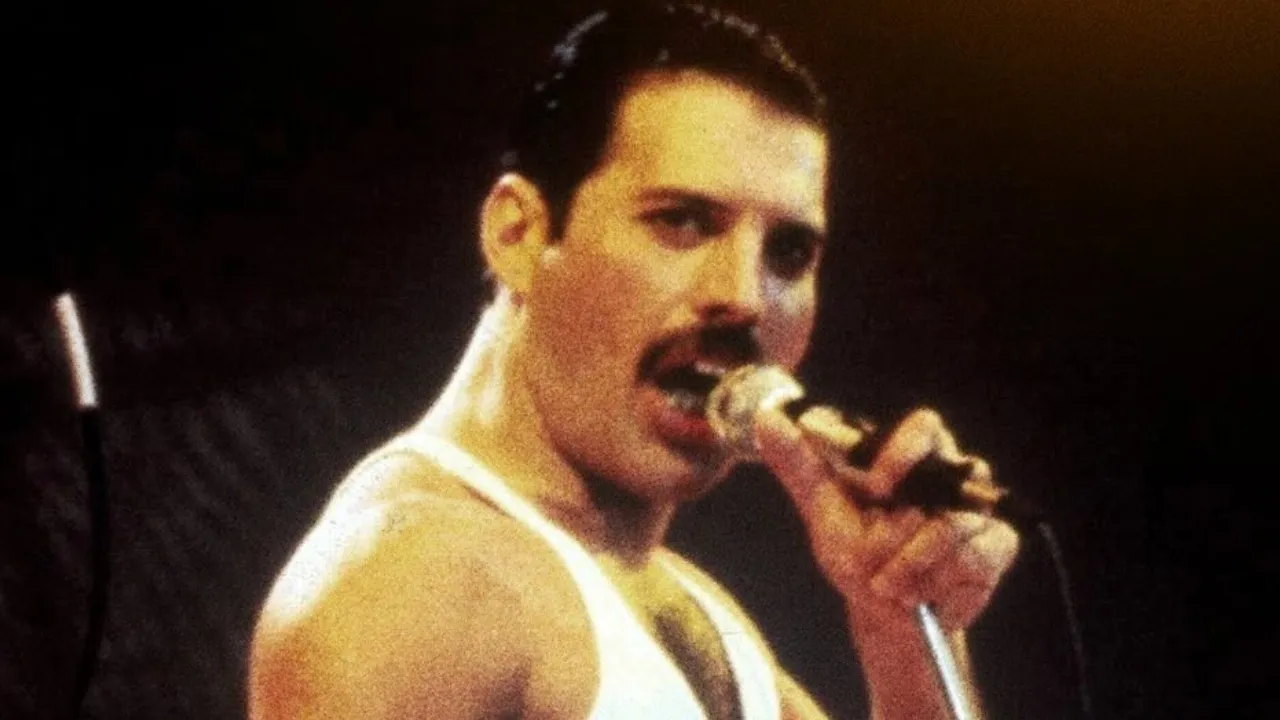
Freddie Mercury possessed one of rock music’s most celebrated vocal ranges, spanning multiple octaves with clarity and dramatic flair. His ability to leap between powerful belts and delicate falsetto helped define Queen’s operatic sound. More than technical reach, Mercury’s control and theatrical phrasing turned his voice into a defining instrument of stadium rock.