The divide between comedy and drama has long been treated as a kind of industry shorthand: two separate crafts, each with its own rhythm, prestige and expectations. Yet the history of film and television suggests something far more fluid.
Many of the most compelling screen performers have built their reputations not by choosing one lane, but by moving between them with precision, using timing as both a comedic weapon and a dramatic instrument. The same instincts that land a joke often underpin the performances that linger long after the credits roll.
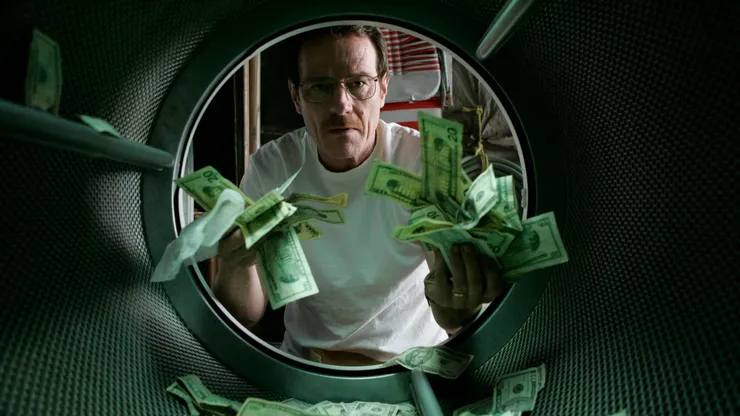
Bryan Cranston
Bryan Cranston was widely recognized for his comedic work in Malcolm in the Middle, where his physicality and timing brought chaotic energy to the screen. His performance thrived on unpredictability and exaggeration.
That unpredictability found new meaning in Breaking Bad. Cranston’s portrayal of Walter White is methodical, controlled, and deeply unsettling. The shift from comedy to drama feels less like a departure and more like an expansion of his range.
Steve Carell
Steve Carell built his early reputation on discomfort-driven comedy, most notably in The Office, where timing and awkward silence became part of his signature. His comedic persona thrived on exaggeration, yet it was always rooted in something recognizably human—an essential trait that would later serve him well in more serious roles.
The transition to drama wasn’t abrupt but deliberate. In films like Foxcatcher and Beautiful Boy, Carell stripped away the overt humor, revealing a performer capable of restraint and emotional weight. What makes his shift compelling is not reinvention, but continuity—his dramatic roles still echo the same vulnerability that once fueled his comedy.
Jim Carrey
Few careers illustrate contrast like that of Jim Carrey. In the 1990s, his elastic physicality and exaggerated expressions made him one of comedy’s most recognizable figures, dominating the box office with performances that leaned into absurdity.
Yet beneath that surface was an actor attuned to introspection. The Truman Show and Eternal Sunshine of the Spotless Mind revealed a quieter, more internalized approach, where emotion replaced spectacle. Carrey’s dramatic work doesn’t reject his comedic roots—it reframes them, showing how sensitivity can exist behind even the loudest performances.
Whoopi Goldberg
Whoopi Goldberg emerged from stand-up comedy with a voice that felt immediate and unfiltered, quickly translating that presence to film. Her comedic work, especially in Sister Act, showcased charisma and timing that made her instantly engaging.
However, her dramatic performances—particularly in The Color Purple and Ghost—carry a different kind of power. Goldberg brings authenticity rather than transformation, allowing emotion to unfold naturally. That ability to remain grounded, regardless of tone, is what enables her to move so fluidly between genres.
Robin Williams
The energy of Robin Williams was almost unmatched—rapid-fire improvisation, character shifts, and a comedic rhythm that felt spontaneous. His performances often carried a sense of unpredictability, as if anything could happen at any moment.
That same intensity translated seamlessly into drama. In Good Will Hunting and Dead Poets Society, Williams slowed down, allowing silence and reflection to take center stage. The result was deeply affecting, revealing how closely humor and vulnerability can coexist within the same performer.
John C. Reilly
John C. Reilly has built a career on unpredictability, moving from broad comedies like Step Brothers to layered ensemble dramas. His comedic work often leans into absurdity, embracing characters who are both ridiculous and oddly sincere.
In dramatic roles such as Magnolia and Chicago, that sincerity becomes the focal point. Reilly doesn’t abandon his comedic instincts; instead, he channels them into performances that feel deeply human. His range lies in how effortlessly he adjusts tone without losing authenticity.
Peter Sellers
Peter Sellers remains one of the most transformative performers in film history. Known for inhabiting characters completely, his comedic work in The Pink Panther showcased a mastery of physical and vocal variation.
At the same time, his performances in films like Dr. Strangelove demonstrated a deeper complexity. Sellers blurred the line between comedy and drama by fully committing to each role, proving that versatility isn’t just about range—it’s about immersion.
Alison Brie
Alison Brie first gained attention through sharp, character-driven comedy in Community, where precision and timing defined her performances. Her comedic presence often relied on control—knowing exactly when to heighten or pull back.
That control became an asset in more dramatic territory. In GLOW and Horse Girl, Brie explores complexity and internal conflict, demonstrating a willingness to take creative risks. Her transition reflects a broader shift in modern acting, where genre boundaries feel increasingly fluid.
Bill Murray
Bill Murray built his early career on deadpan humor, crafting characters defined by detachment and wit. Films like Ghostbusters and Groundhog Day established his comedic identity as both ironic and deeply self-aware.
Later performances, particularly in Lost in Translation, revealed the emotional depth beneath that detachment. Murray’s dramatic work feels understated, almost effortless, as if the humor never fully disappears but simply softens into something more reflective.
Bob Odenkirk
Before becoming a dramatic lead, Bob Odenkirk was known for sketch comedy, where writing and timing were central to his craft. His comedic background emphasized structure, rhythm, and character detail.
Those same qualities define his dramatic performances in Better Call Saul. Odenkirk brings nuance and complexity to Jimmy McGill, creating a character shaped by both humor and tragedy. His evolution highlights how comedy often provides the foundation for compelling drama.
Aubrey Plaza
Aubrey Plaza became synonymous with deadpan delivery, using stillness and minimalism to create comedic impact in Parks and Recreation. Her style stood out precisely because it resisted exaggeration.
In projects like Legion and Ingrid Goes West, that same stillness takes on a different meaning. Plaza leans into intensity, allowing ambiguity and tension to drive her performances. The result is a seamless transition where tone shifts, but identity remains intact.
Adam Sandler
Adam Sandler built a career on broad, often chaotic comedy, with performances that leaned into absurdity and unpredictability. His films became synonymous with a specific comedic tone.
Yet in Punch-Drunk Love and Uncut Gems, Sandler reveals a different dimension—one driven by anxiety, tension, and emotional volatility. His dramatic work feels raw and unfiltered, showing how comedic instincts can translate into something far more intense.