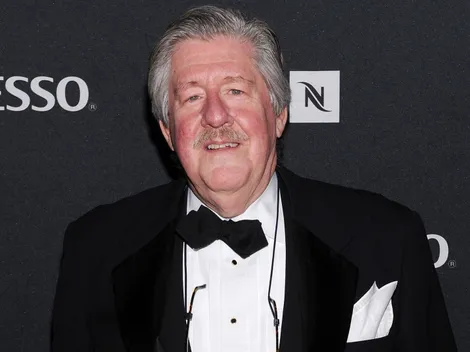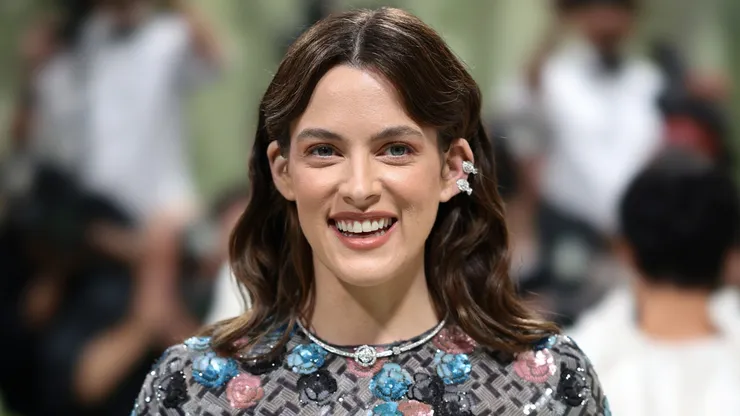
Riley Keough entered the industry carrying a famous lineage, but her early career quickly signaled a different ambition. Rather than leaning on visibility, she gravitated toward projects that favored mood, character depth and creative risk, often in spaces where performance mattered more than scale.
Those early decisions gradually shaped a filmography marked by striking contrasts, from quiet indie dramas to commanding roles in high-profile series. Across these standout performances, her work reflects a steady evolution toward leading turns defined by emotional control and an instinct for stories that resist the obvious.
Daisy Jones & The Six (2023)

(Source: IMDb)
Keough’s portrayal of Daisy Jones stands as the most visible and transformative performance of her career to date. She approaches the role not as a rock-star archetype, but as a volatile, emotionally exposed figure shaped by ambition, insecurity and creative hunger. Her physical presence, vocal delivery and emotional shifts feel instinctive rather than constructed, grounding the series and giving Daisy a raw sense of authenticity that lingers beyond the screen.
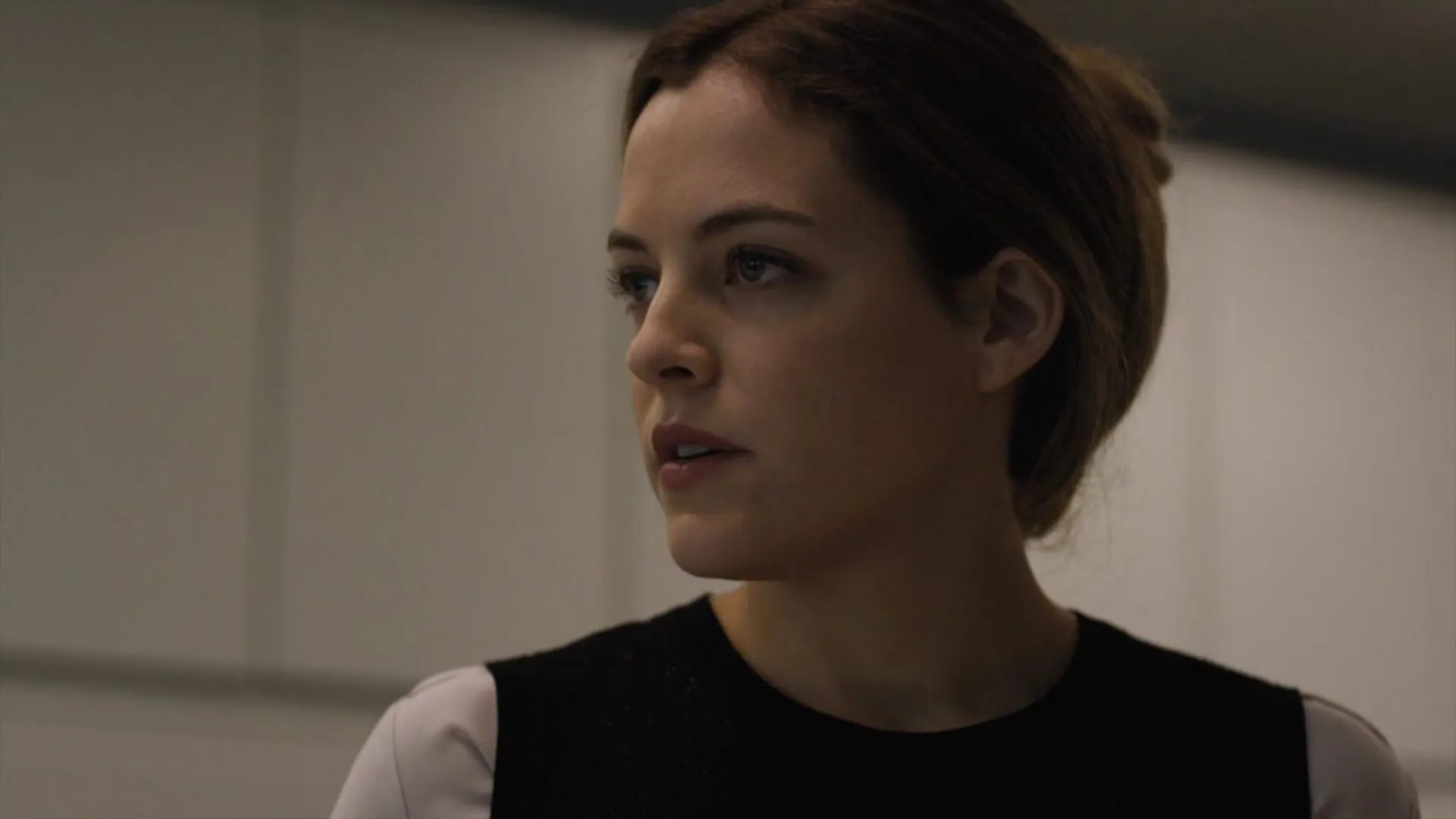
The Girlfriend Experience (2016)
(Source: IMDb)
As Christine Reade, Keough delivers a performance built almost entirely on restraint and internal tension. Her portrayal resists easy sympathy, instead presenting a character defined by control, ambition and emotional distance. Over the course of the series, subtle shifts in tone and body language transform Christine into an unsettling psychological study, elevating the show beyond provocation into something far more complex and disquieting.
American Honey (2016)

(Source: IMDb)
In Andrea Arnold’s road-movie drama, Keough commands attention with one of her most fearless performances. As Krystal, she blends charisma, menace and vulnerability into a character who thrives on manipulation and survival. The performance is loud, physical and emotionally volatile, yet never hollow, revealing Keough’s ability to dominate the frame while maintaining sharp emotional detail.
Zola (2020)

(Source: IMDb)
Keough takes a deliberate stylistic risk in Zola, embracing exaggeration and satire in a performance that mirrors the film’s heightened reality. Her accent, body language and performative confidence lean into absurdity, yet beneath the surface lies instability and danger. The result is a role that feels both comedic and deeply unsettling, showcasing her willingness to push beyond naturalism when the material demands it.
Logan Lucky (2017)

(Source: IMDb)
Within Steven Soderbergh’s ensemble heist film, Keough reveals a lighter and more playful dimension of her acting range. Her performance relies on timing and subtle comedic beats rather than emotional intensity. While not a central role, it underscores her adaptability and her ability to leave an impression in mainstream studio projects without overpowering the ensemble.
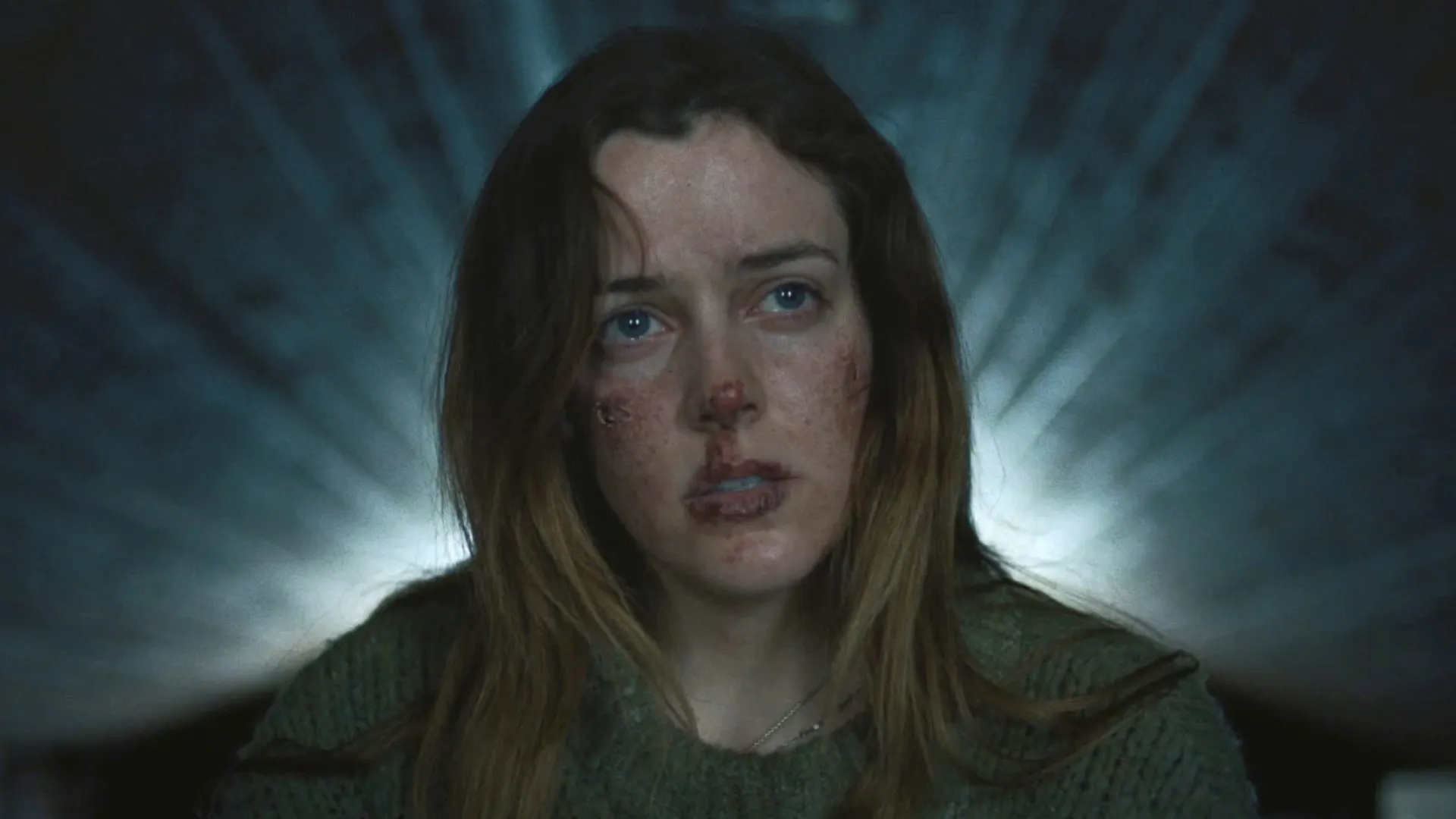
The Lodge (2019)
(Source: IMDb)
Keough anchors this psychological horror film with a performance defined by emotional repression and slow-burn tension. Rather than relying on overt terror, she builds unease through stillness, silence and gradual emotional collapse. Her portrayal allows the film’s dread to accumulate organically, demonstrating a strong command of atmosphere-driven storytelling.
Mad Max: Fury Road (2015)

(Source: IMDb)
As Capable, Keough contributes emotional texture to a film driven by momentum and spectacle. Her character’s empathy and quiet strength offer moments of calm within the chaos, suggesting depth beneath limited dialogue. Though part of a large ensemble, the performance hints at Keough’s instinct for finding emotional grounding in expansive, high-concept narratives.
War Pony (2022)
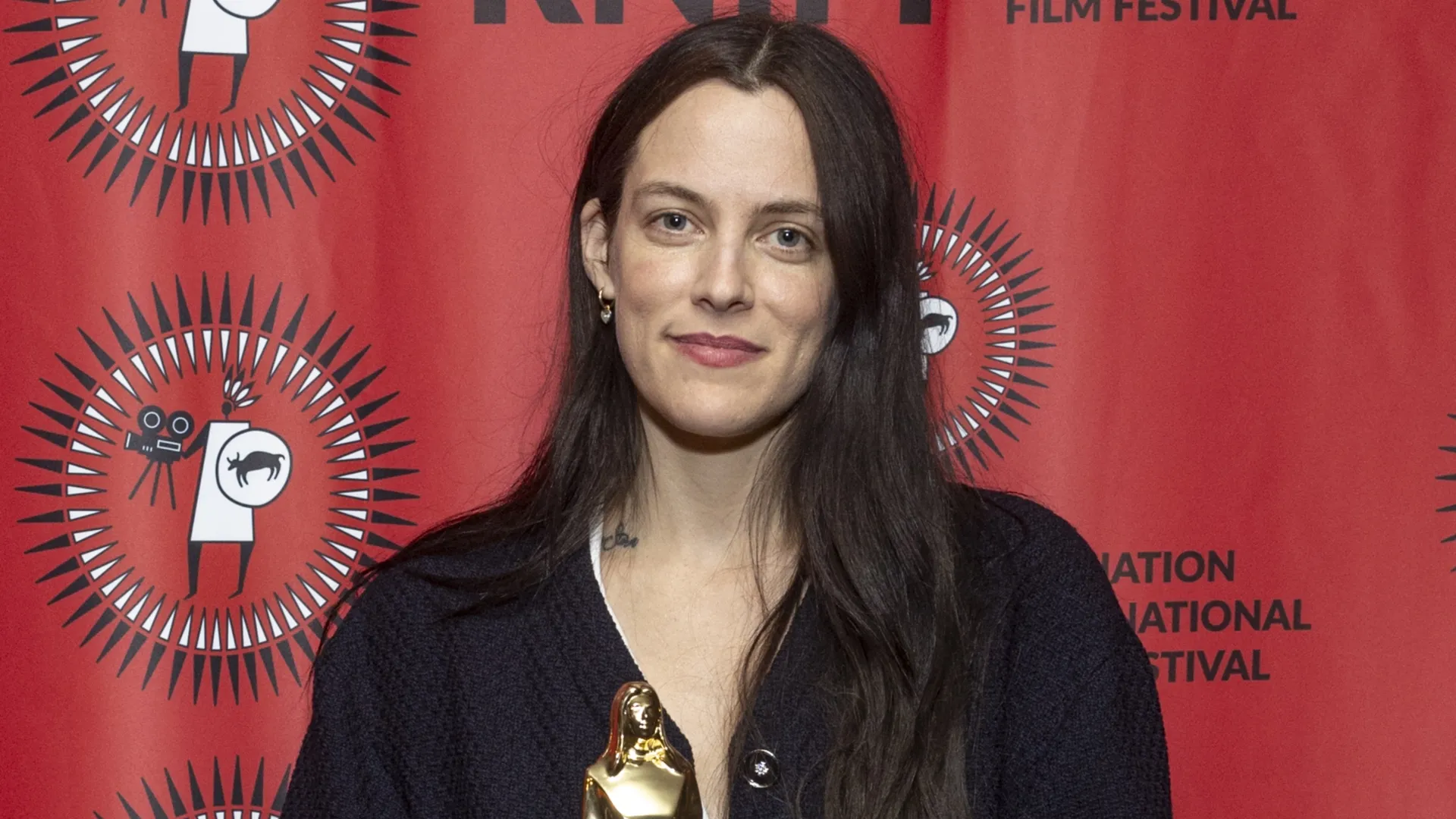
Riley Keough at an event for War Pony. (Source: IMDb)
Serving as co-director and performer, Keough expands her creative footprint beyond acting. The film reflects her commitment to authenticity, collaboration and stories rooted in lived experience. Her involvement signals a broader artistic ambition, positioning her not just as a performer, but as a storyteller invested in shaping narratives from the ground up.
It Comes at Night (2017)
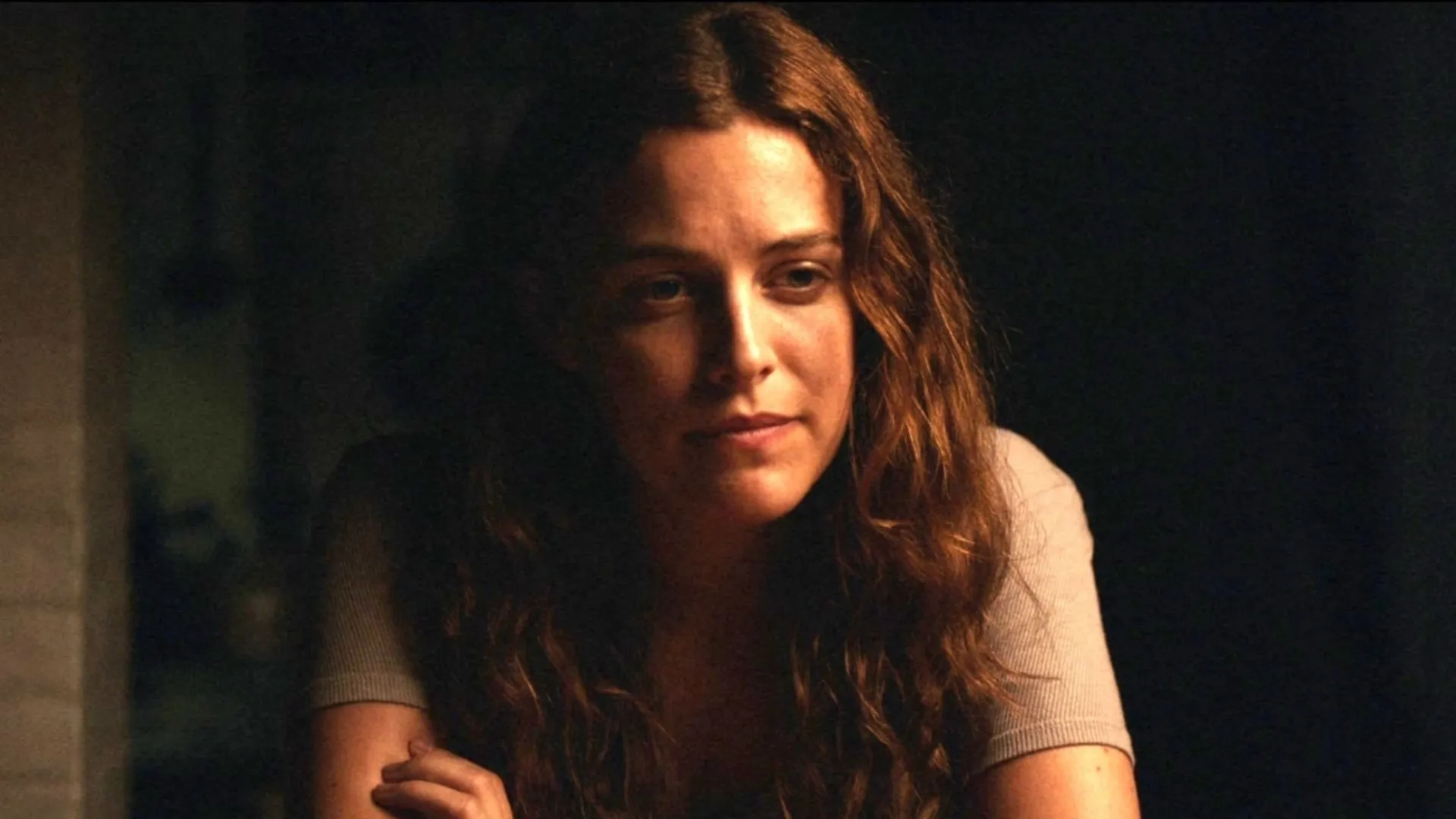
(Source: IMDb)
In this restrained psychological thriller, Keough’s performance operates within the film’s deliberate ambiguity. She avoids overt dramatization, instead grounding the story in emotional realism and quiet tension. Her work strengthens the film’s unsettling atmosphere, reinforcing themes of fear, isolation and mistrust without drawing unnecessary attention to itself.
The Devil All the Time (2020)
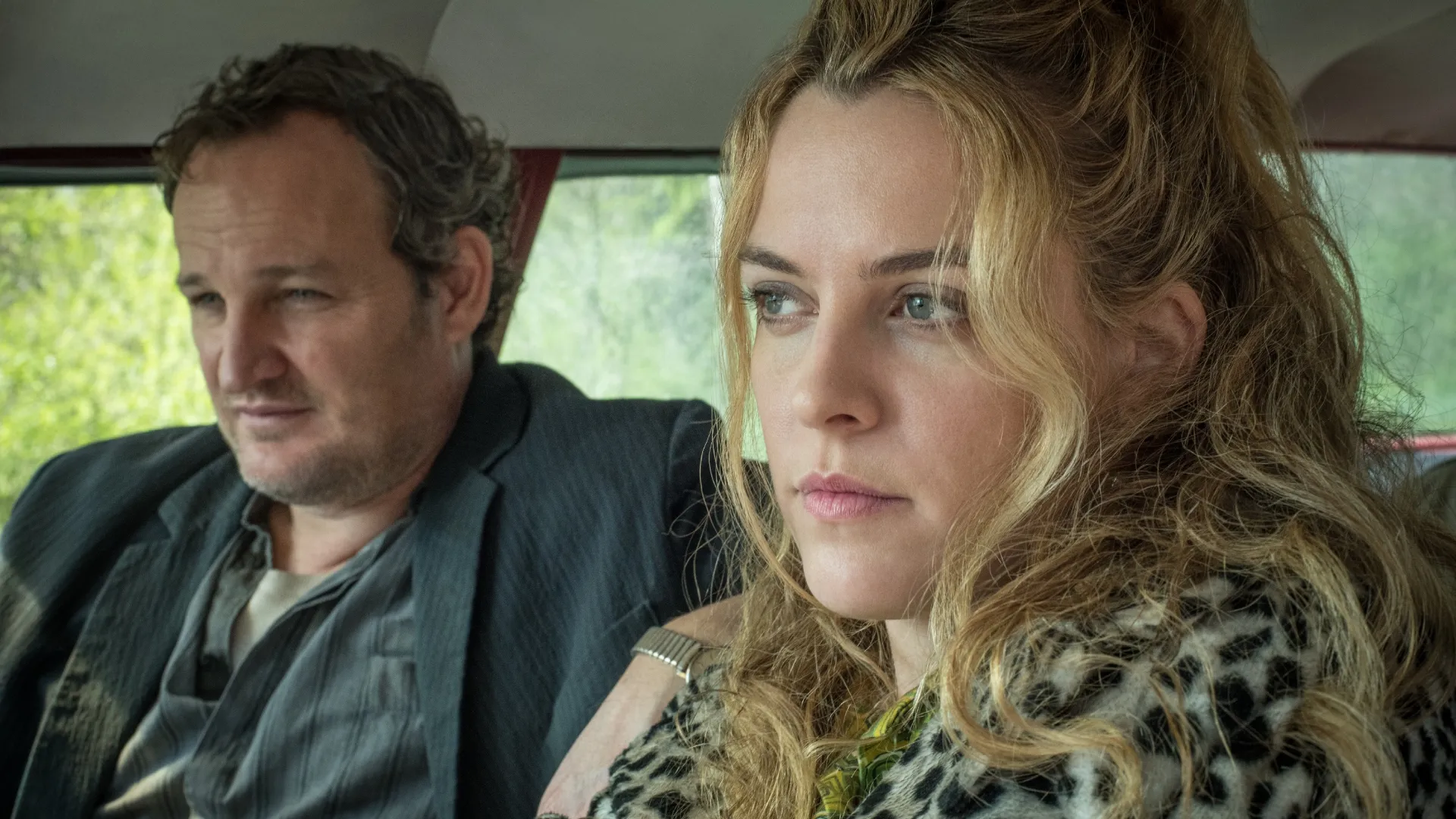
(Source: IMDb)
Within a bleak ensemble drama, Keough delivers a performance marked by restraint and emotional weight. Despite limited screen time, her character leaves a lasting impression, contributing to the film’s moral darkness and sense of inevitability. The role underscores her ability to add depth and resonance even within densely populated narratives.