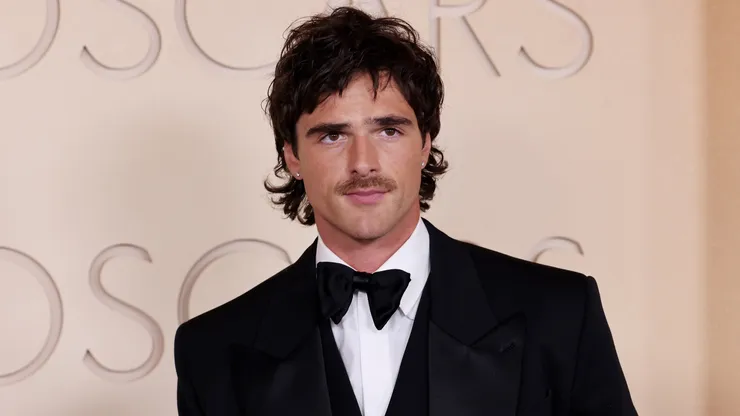
Long before the spotlight fixed itself on red carpets and opening weekends, the paths of many now-famous names were shaped by instability, rejection and survival. Chris Pratt once lived out of a van in Hawaii while working as a waiter, eventually being discovered by chance, while Lady Gaga spent years performing in small clubs and juggling jobs before breaking through in the music industry.
Jacob Elordi
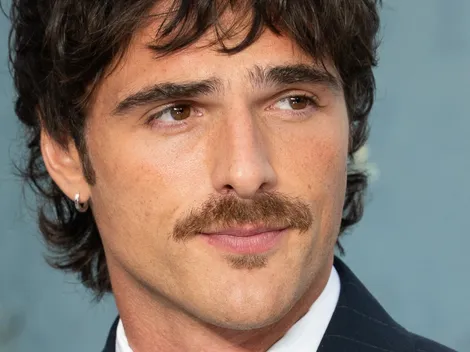
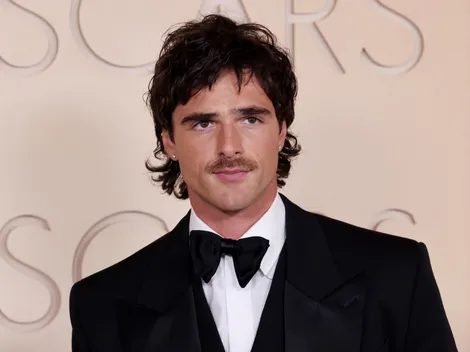
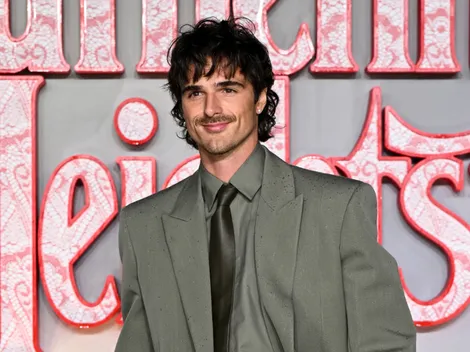
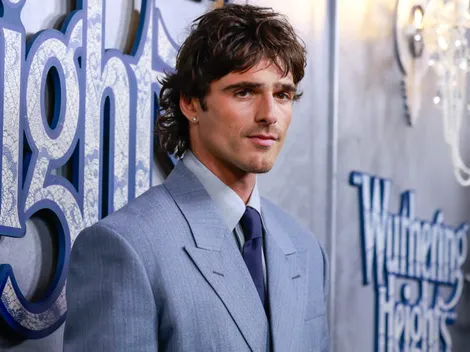
Before gaining international recognition, Jacob Elordi faced a period of financial instability after moving to Los Angeles. Despite early exposure, he struggled to secure consistent roles and has revealed that he relied on friends for housing and even lived out of his car while trying to break into the industry.
That uncertainty came just before his career pivoted. His eventual casting in Euphoria not only elevated his profile but also marked a turning point after months of instability. The contrast between those early struggles and his rapid rise reflects how fragile the transition into mainstream success can be.
Chris Pratt
Before becoming one of Hollywood’s most bankable stars, Chris Pratt lived a life that looked nothing like the blockbuster roles he would later land. After dropping out of community college, he moved to Hawaii and ended up living in a van and sometimes a tent on the beach, working minimal hours as a waiter just to cover basic needs.
That period, however, became the unlikely starting point of his career. While waiting tables at a Bubba Gump Shrimp Company in Maui, he was discovered by actress Rae Dawn Chong, who cast him in a short film—an opportunity that ultimately pulled him out of that transient lifestyle.
Halle Berry
Halle Berry’s early pursuit of acting in New York came with immediate financial strain. After moving to the city, she quickly ran out of money and, with no support coming in, was forced to stay in a homeless shelter—a reality she has described as both harsh and transformative.
Rather than discouraging her, that experience became a turning point. Berry has credited that moment with teaching her resilience and self-reliance, pushing her to navigate auditions and survival on her own terms. In hindsight, the instability of those early years contrasts sharply with her later achievements, including becoming the first Black woman to win the Academy Award for Best Actress.
Oprah Winfrey
Long before she became one of the most influential media figures in the world, Oprah Winfrey’s early life was defined by poverty and instability in rural Mississippi. Raised in difficult conditions, she moved between family members and experienced periods of extreme hardship that shaped her early perspective on life.
Her entry into broadcasting marked a gradual shift rather than an overnight breakthrough. Starting in local radio and television, Winfrey built her career step by step, turning her personal experiences into a source of connection with audiences. Over time, those early struggles became part of the foundation that would define her voice and influence across media.
Matt LeBlanc
Before landing Friends, Matt LeBlanc’s career was hanging by a thread. After years of minor roles, commercials, and failed pilots, he found himself nearly out of money while trying to sustain an acting career in New York and Los Angeles. At his lowest point, LeBlanc revealed he had just $11 left in his bank account—an amount that underscored how close he was to having to abandon his ambitions altogether.
That financial pressure coincided with a defining moment. When Friends came along in 1994, it didn’t just offer stability—it completely transformed his trajectory. The role of Joey Tribbiani turned years of uncertainty into instant recognition, illustrating how thin the line can be between giving up and breaking through in the entertainment industry.
Ashleigh Murray
Before breaking out on Riverdale, Ashleigh Murray faced a period of housing instability in New York after graduating from the New York Conservatory for Dramatic Arts. She has spoken about being essentially homeless at one point, relying on friends and temporary places to stay while continuing to audition and pursue acting.
That stretch of uncertainty came just before her breakthrough. Landing the role of Josie McCoy marked a turning point, but it followed years of persistence without guarantees. Murray’s experience reflects a common but rarely visible reality in the industry—where even trained actors can struggle to secure basic stability before a single opportunity changes everything.
Mila Kunis
Mila Kunis’ story begins with a major life transition rather than immediate industry rejection. Born in Ukraine, she immigrated to the United States at age seven with her family, who arrived with roughly $250 and had to rebuild their lives from scratch while adapting to a new language and culture.
Those early years shaped her path long before Hollywood. Her parents took on jobs outside their professions to support the family, while Kunis navigated a new environment that initially felt unfamiliar and isolating. Acting eventually became both an outlet and an opportunity, leading to her casting in That ’70s Show, which launched her career.
Lady Gaga
Before becoming a global superstar, Lady Gaga faced a major early setback when she was dropped by Def Jam Recordings just months after signing her first deal. The decision left her without label support at a critical point in her career, forcing her to rebuild her path independently.
Instead of stepping back, she immersed herself in New York’s downtown performance scene, playing small venues and developing the artistic identity that would later define her success. That period of reinvention proved essential—her breakthrough with The Fame came not from immediate industry backing, but from persistence after rejection.
Oprah Winfrey
Oprah Winfrey’s early life in Mississippi was shaped by poverty and instability, growing up in a rural environment under difficult conditions. She has spoken openly about wearing dresses made from potato sacks as a child and facing significant hardship before finding opportunities in media.
Her entry into broadcasting began at a young age, working in local radio and later television, where she gradually built her presence. Rather than an overnight success, Winfrey’s rise was incremental, grounded in years of experience and personal resilience. Those early struggles became central to her ability to connect with audiences, shaping the voice that would define her career.
Giancarlo Esposito
Despite a long career in film and television, Giancarlo Esposito faced serious financial difficulties before his breakthrough on Breaking Bad. He has revealed that he was in a desperate situation, even contemplating extreme measures such as hiring a hitman to take his own life so his family could collect the insurance money to ensure their financial security during that period.
That changed with his casting as Gus Fring, a role that redefined his career and brought widespread recognition. After decades of steady but under-the-radar work, Breaking Bad marked a late-career turning point, illustrating how even experienced actors can face instability before a single role reshapes everything.