Long before the #MeToo era pushed conversations about on-set boundaries into the spotlight, Blue Is the Warmest Color already carried the reputation of a masterpiece wrapped in discomfort.
The 2013 drama arrived like a lightning strike at the Cannes Film Festival — intimate, hypnotic, impossible to ignore — earning the rare distinction of a Palme d’Or shared by director Abdellatif Kechiche and stars Léa Seydoux and Adèle Exarchopoulos.
Yet behind the film’s acclaim, stories about chaotic working conditions and emotional strain had already begun surfacing from the set. Now, years later, Seydoux is revisiting that experience with harsher clarity, describing parts of the production as “psychological harassment”.
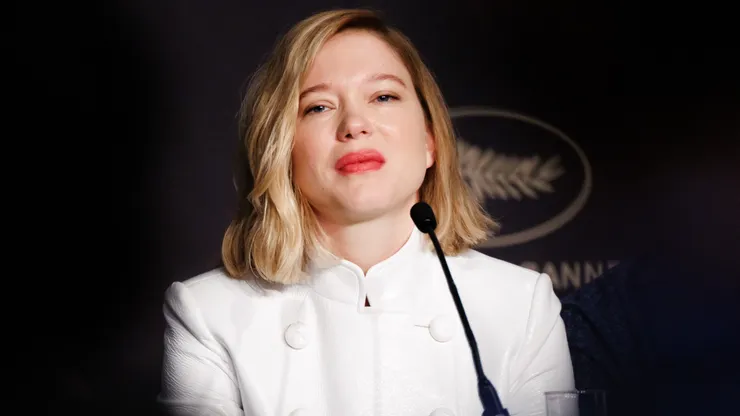
Why Léa Seydoux Says Filming Blue Is the Warmest Color Left a Lasting Scar
Directed by Abdellatif Kechiche and starring Léa Seydoux, Blue Is the Warmest Color became the first Palme d’Or winner awarded not only to the director, but also to its lead actresses. Yet almost as quickly as critics celebrated the movie’s intimacy and realism, stories from behind the scenes began clouding its success.
Seydoux has spent years speaking cautiously about the production, but her more recent reflections have sharpened the tone. In interviews over time, she described the filming process as emotionally exhausting, comparing parts of the experience to humiliation and saying the atmosphere on set often crossed personal boundaries.
Reports from crew members during production also painted a troubling picture, alleging grueling shooting schedules, unpaid overtime, and behavior described as “moral harassment”. Several technicians reportedly left the production before filming wrapped.
Much of the controversy centered on the movie’s explicit intimate scenes, which became as famous as the film itself. According to multiple interviews, certain sequences required days of filming and countless takes under intense direction from Kechiche.
Seydoux later admitted she felt emotionally exposed during those moments, while Exarchopoulos acknowledged that the environment could become overwhelming despite defending the artistic value of the final film. She said:
“Sometimes there are looks that make you feel uncomfortable. That was the hardest part during filming. It was psychological harassment. It’s extremely difficult to shoot with directors who are manipulative. And I couldn’t leave the film because I had signed a contract. Since that film, I always ask for the right to review all the scenes where I’m going to be naked, so I can decide whether or not I accept my body being shown in that way.”
The contrast created a strange duality around the project: audiences saw tenderness and vulnerability on screen, while the actresses remembered a production shaped by pressure and fatigue.