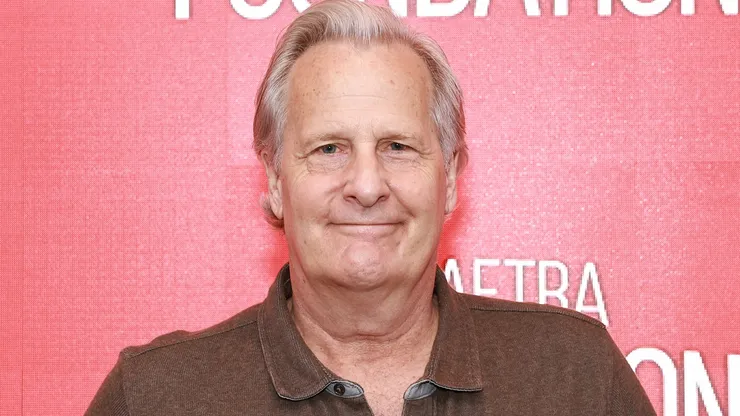
At 71, Jeff Daniels stands as one of the rare performers whose career has moved effortlessly between Broadway gravity, television prestige and pure comedic chaos. Long before newsroom monologues and dramatic acclaim, his elastic timing and fearless sincerity helped redefine big-screen comedy in films.
What transformed he from a respected dramatic performer to a beloved comic presence was Dumb and Dumber, where he played the well-meaning but hilariously dim Harry Dunne opposite Jim Carrey’s manic Lloyd Christmas. Despite initial skepticism from agents and critics alike, his deadpan commitment and surprising chemistry helped the film gross over $247 million worldwide and become a pop-culture staple.
Something Wild
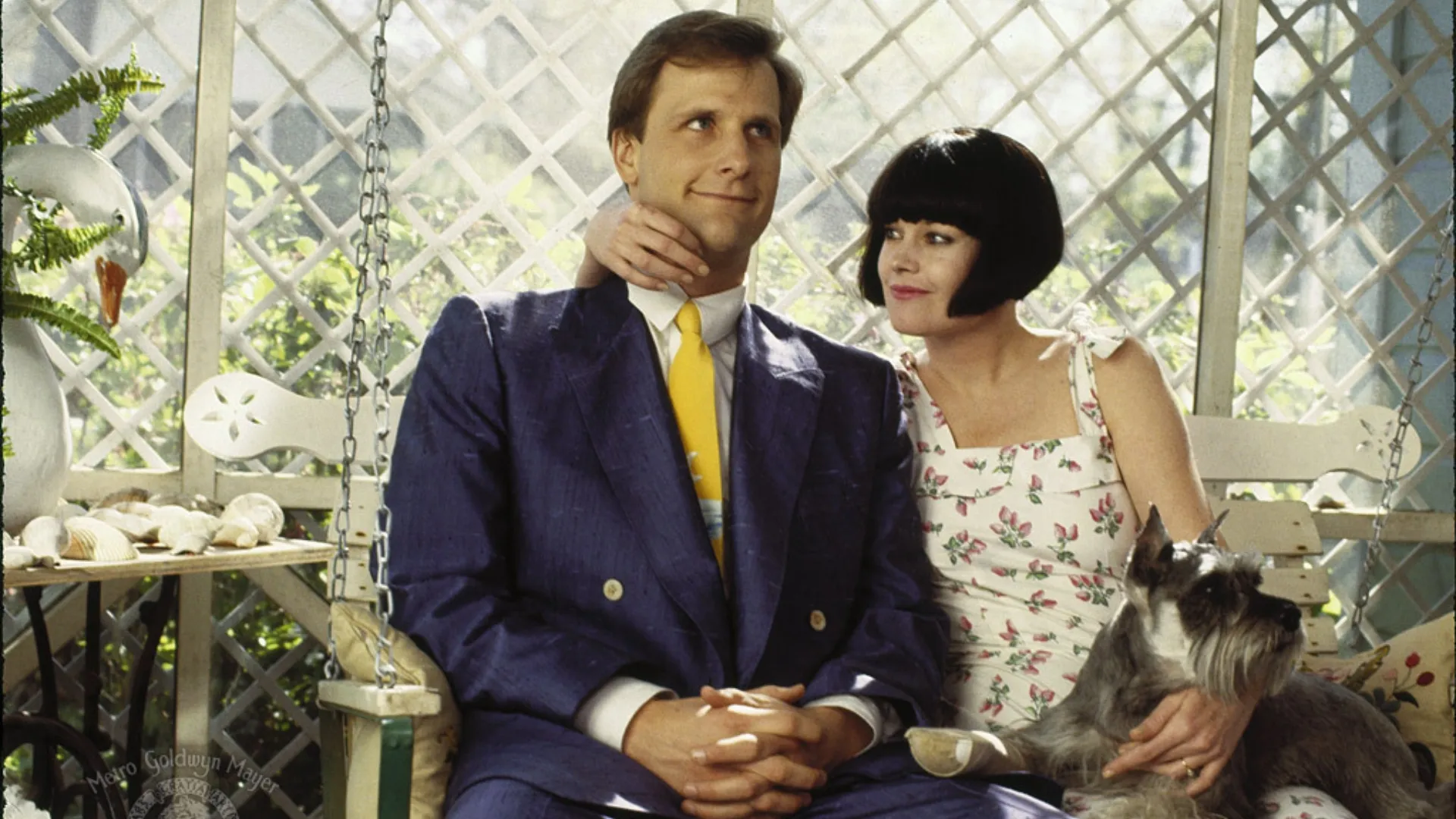
(Source: IMDb)
In Jonathan Demme’s genre-blending road movie, Jeff Daniels plays Charles Driggs, a cautious New York banker whose spontaneous lunch break spirals into an unpredictable journey with a magnetic stranger. The performance relies on precision rather than exaggeration, allowing Daniels to mine humor from discomfort, hesitation, and the slow unraveling of routine.
The role became an early signal of his range, proving he could anchor eccentric material without losing emotional credibility. Long before mainstream slapstick defined parts of his reputation, this film positioned Daniels as a performer capable of blending romance, danger, and comedy inside the same fragile emotional rhythm.
Trial and Error
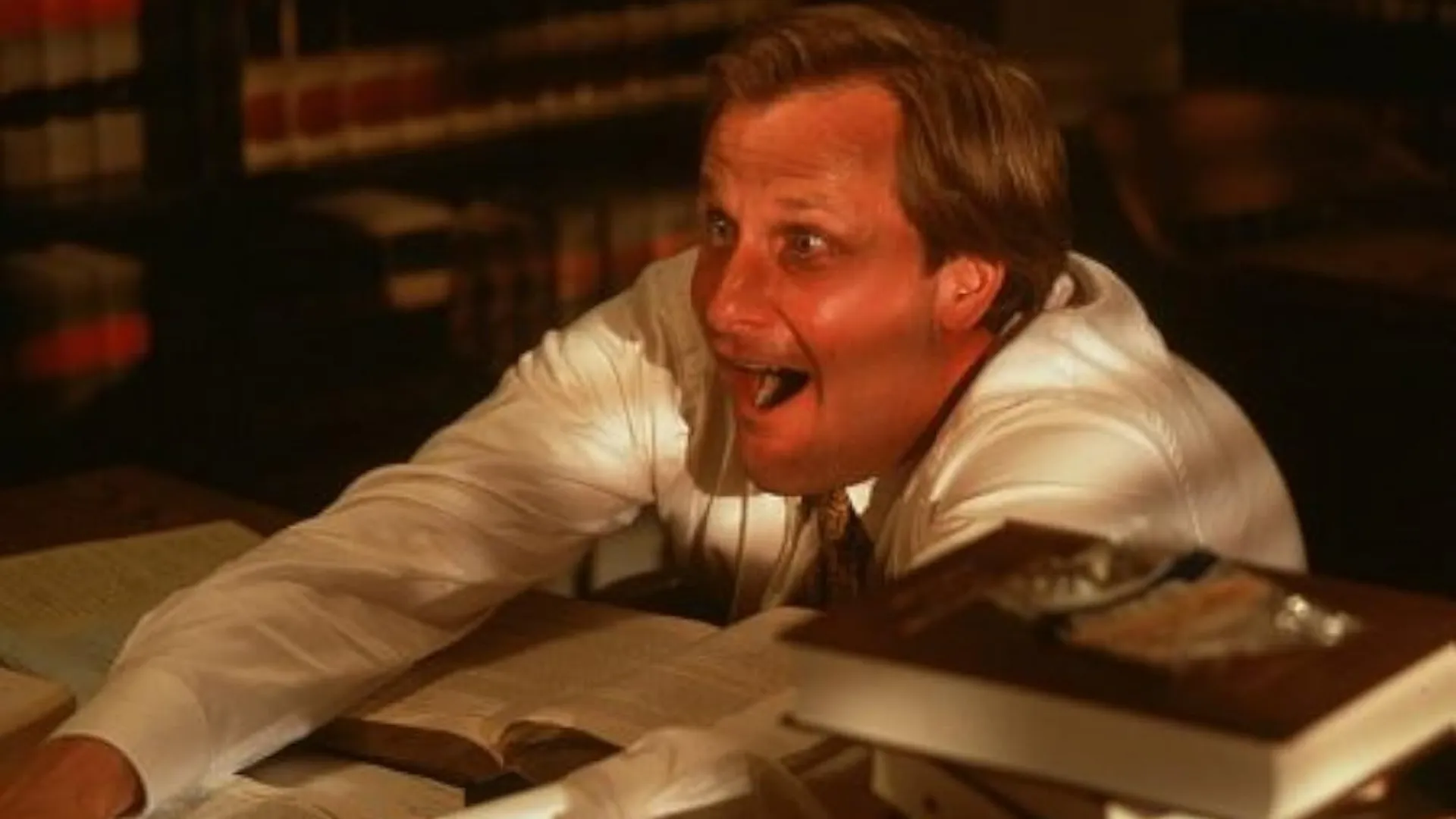
(Source: IMDb)
Here Daniels embodies Charlie Tuttle, a well-meaning lawyer caught in a spiral of mistaken identity and courtroom farce opposite the elastic physical comedy of Michael Richards. Rather than compete for attention, Daniels grounds the chaos with sincerity, creating contrast that allows the film’s humor to land with clearer impact.
Though the movie arrived with modest commercial results, it strengthened his image as an essential straight-man presence in ensemble comedy. That reliability — the ability to remain believable while everything else turns ridiculous — would become one of the defining tools of his later comedic success.
Pleasantville
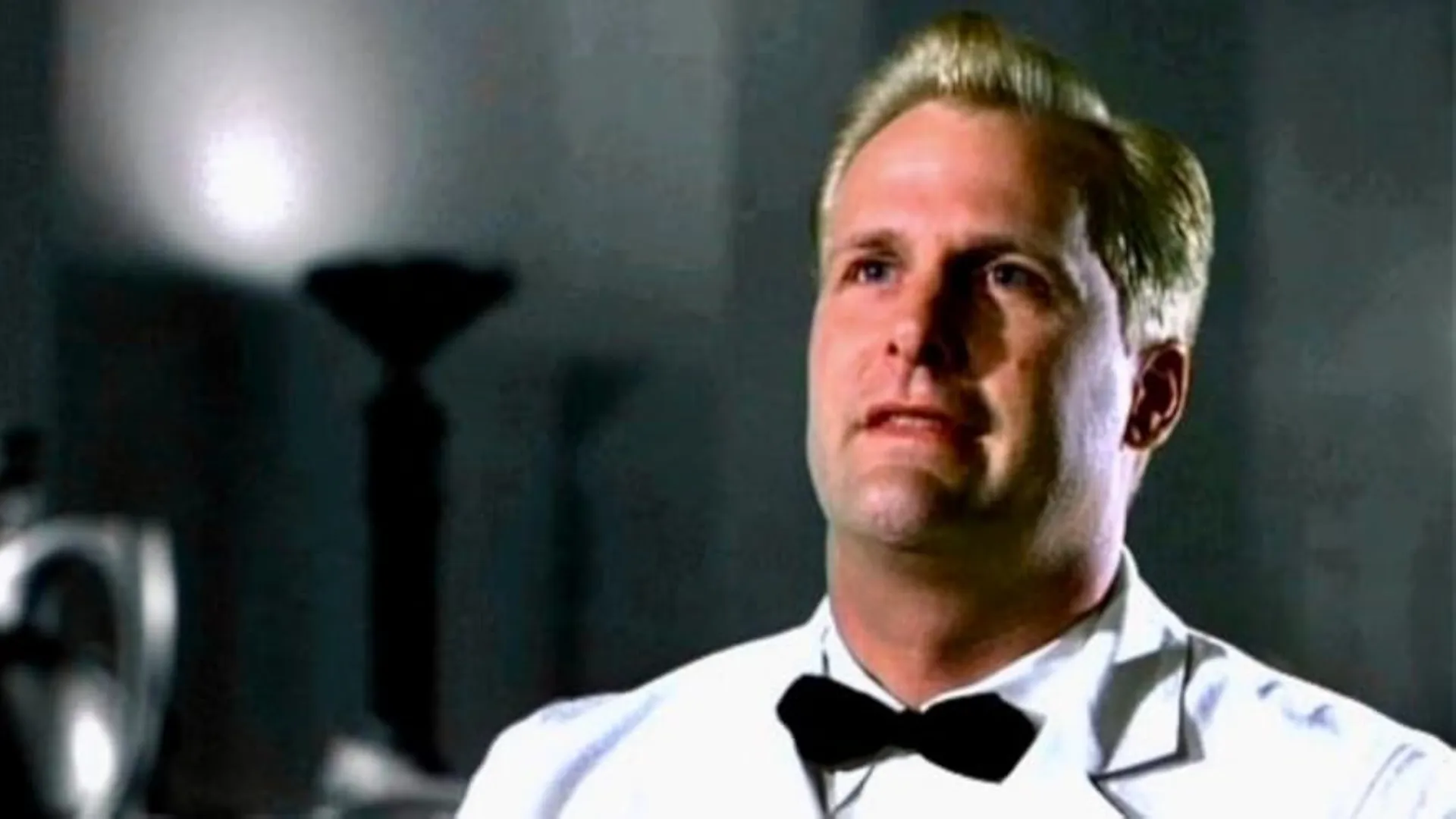
(Source: IMDb)
In this visually inventive satire, Daniels portrays Bill Johnson, a soft-spoken diner owner whose restrained warmth slowly disrupts the rigid perfection of a black-and-white television universe. His humor is delicate and humane, emerging through pauses, glances, and emotional sincerity rather than punchlines.
The performance revealed how effectively Daniels could weave comedy into dramatic storytelling, expanding industry perception of his capabilities. Instead of loud transformation, he demonstrated the lasting power of subtle tonal control — a quality that would continue shaping his most respected work.
My Favorite Martian
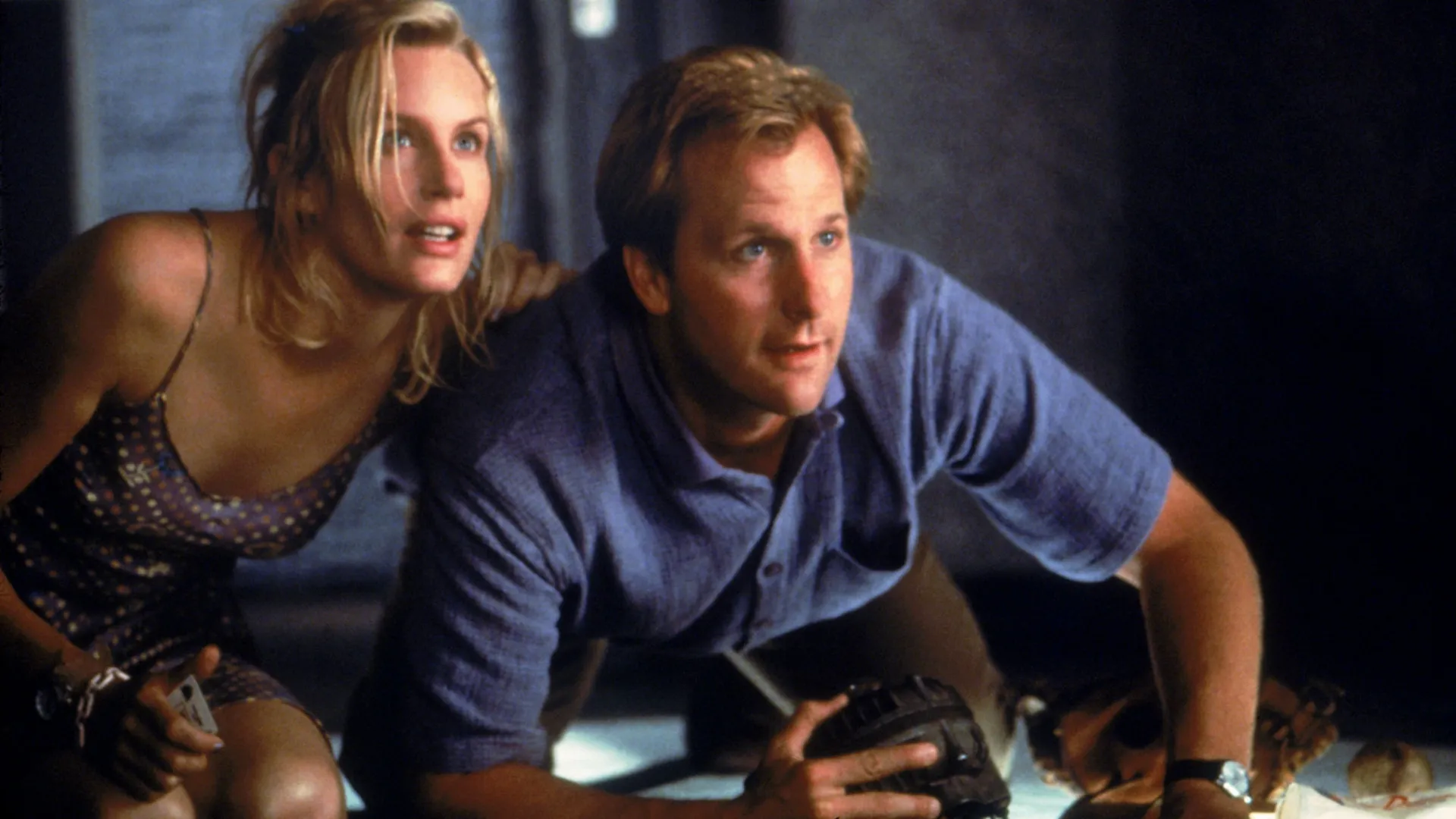
(Source: IMDb)
Stepping into a more overtly playful register, Daniels plays reporter Tim O’Hara, a man suddenly entangled in extraterrestrial chaos. The film leans toward family-friendly spectacle, yet his performance keeps the narrative emotionally accessible, balancing disbelief with earnest curiosity.
This phase of his career showed a willingness to explore lighter commercial territory without abandoning craft. By embracing physical comedy and heightened scenarios, Daniels expanded his audience reach while quietly reinforcing the discipline beneath even his most whimsical roles.
Because of Winn-Dixie
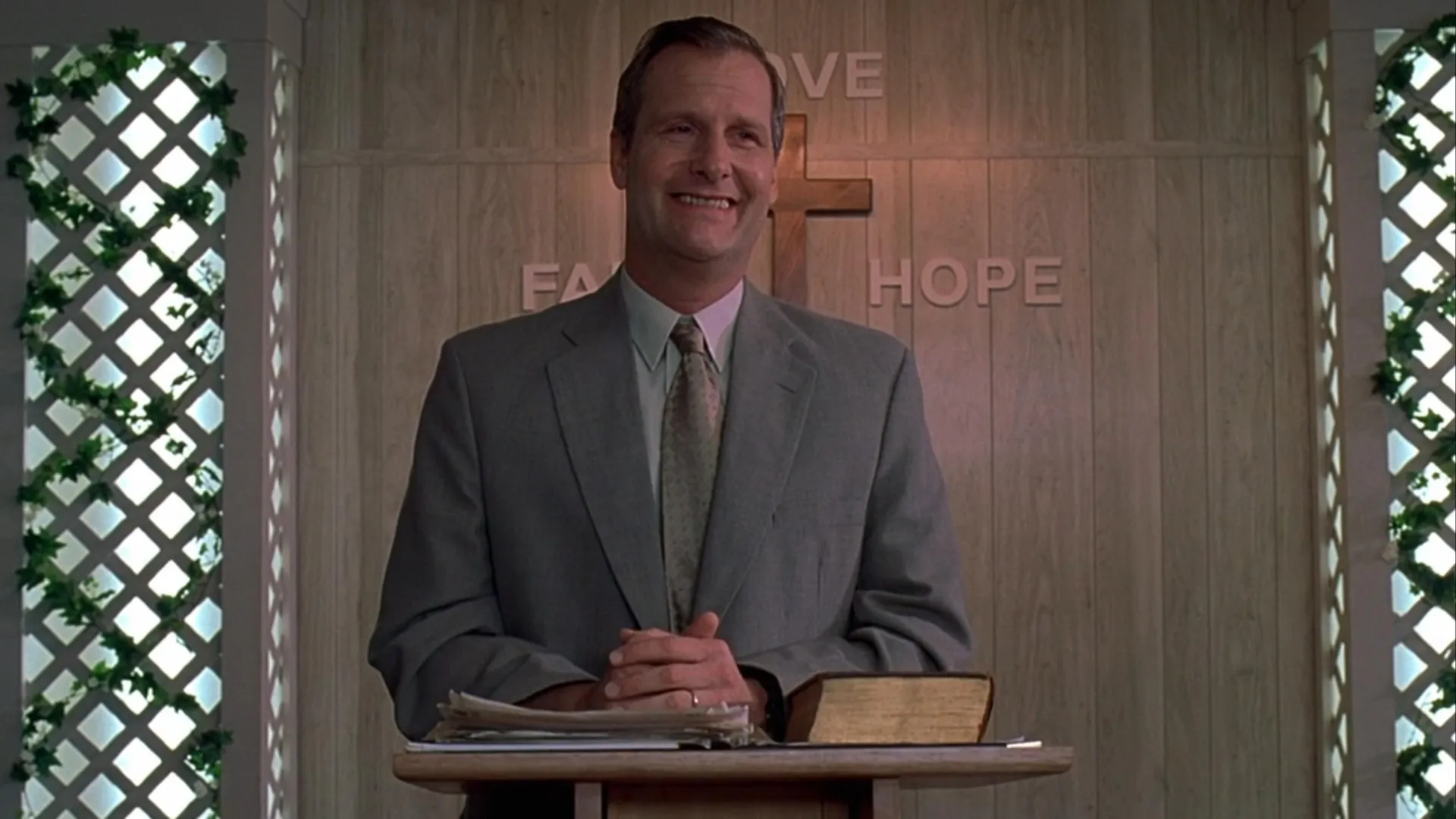
(Source: IMDb)
As a reserved small-town preacher learning to reconnect with his daughter, Daniels delivers humor rooted in silence, restraint, and gradual vulnerability. The comedy never overwhelms the story’s tenderness, instead surfacing through awkward honesty and gentle human contradiction.
Such roles deepened his reputation for emotional intelligence within family storytelling. Rather than chasing spectacle, Daniels proved that warmth and understatement could carry equal weight — strengthening his standing as a performer trusted with sincerity as much as laughter.
RV
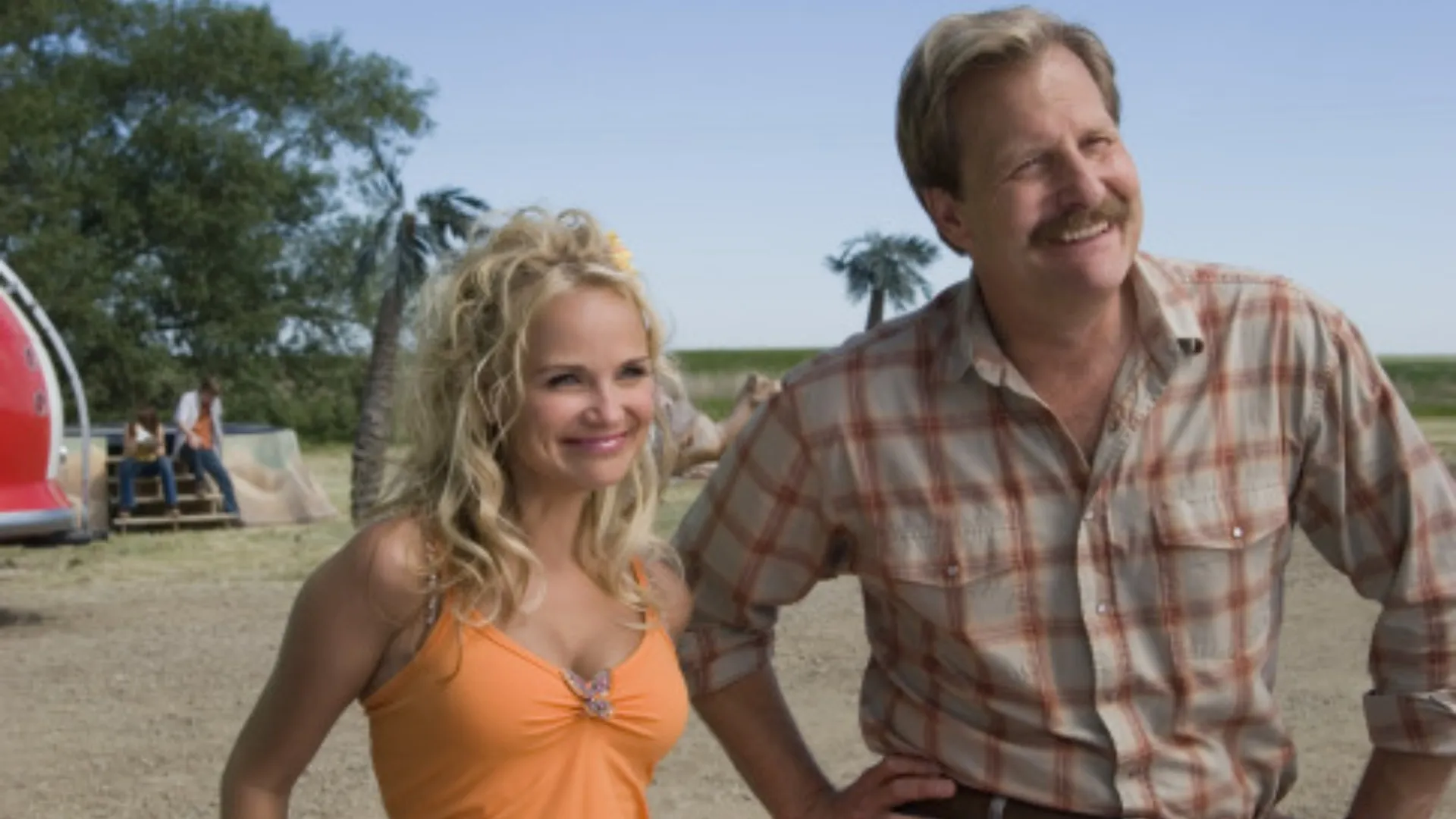
(Source: IMDb)
In this chaotic road-trip comedy, Daniels portrays a father attempting to repair family bonds through forced adventure, only to encounter escalating humiliation and physical mishap. His commitment to embarrassment — never winking at the audience — fuels much of the film’s humor.
Projects like this reinforced his dependability inside ensemble mainstream comedy, even when critical reception proved uneven. Daniels’ willingness to appear vulnerable, foolish, or overwhelmed remained central to why audiences continued to find his characters disarmingly human.
Escanaba in da Moonlight
(Source: IMDb)
Writing, directing, and starring, Daniels crafted a deeply personal comedic portrait of Midwestern folklore and masculine insecurity. Playing a hunter desperate to break a lifelong streak of bad luck, he blends absurd superstition with affectionate cultural observation.
The film stands as evidence of artistic independence within a Hollywood career, revealing how comedy for Daniels is also authorship. By building stories from lived texture rather than studio formula, he expanded his identity from performer to storyteller.
Speed
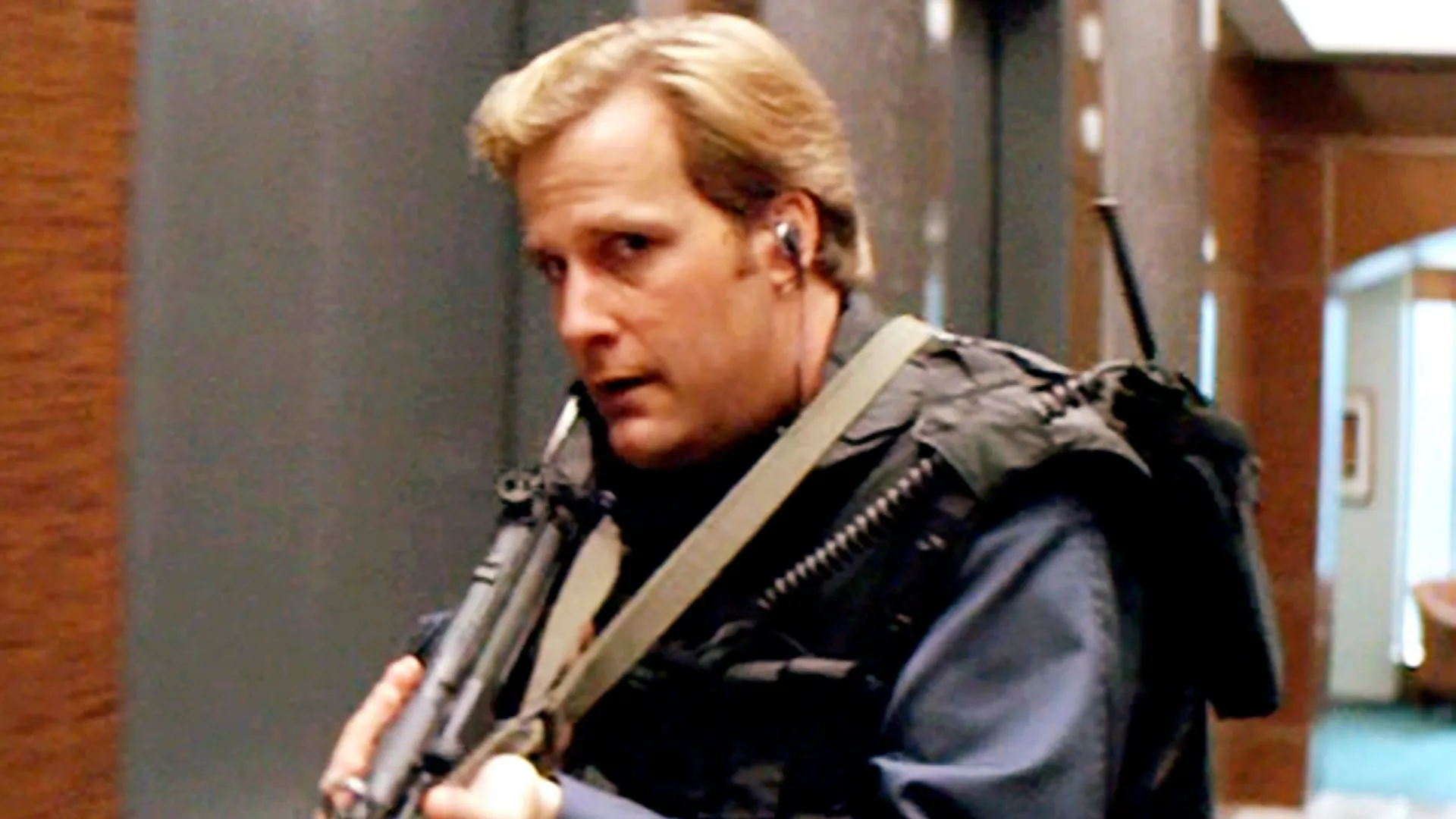
(Source: IMDb)
Although primarily an action thriller, Daniels’ portrayal of Officer Harry Temple introduces warmth and subtle humor into relentless suspense. His grounded camaraderie provides emotional contrast to the film’s velocity and danger.
The blockbuster’s global success significantly widened his visibility, demonstrating that comic sensitivity could coexist with large-scale spectacle. It marked a turning point where mainstream audiences began associating Daniels with both intensity and approachable charm.
Dumb and Dumber
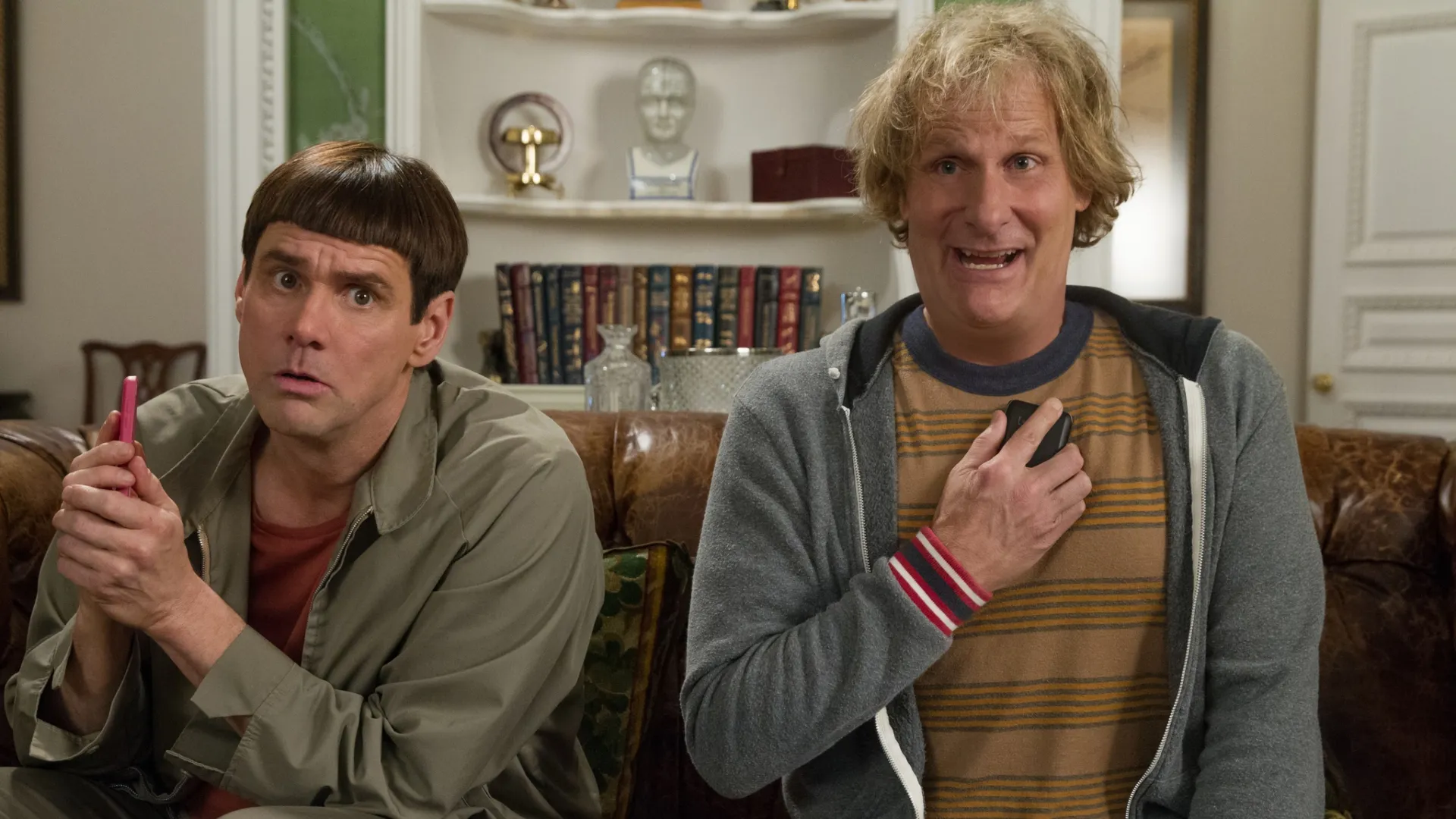
(Source: IMDb)
As Harry Dunne, Daniels embraces full physical and emotional foolishness opposite Jim Carrey’s anarchic energy. The performance rejects vanity entirely, transforming stupidity into strangely sincere innocence that audiences continue to quote decades later.
Initially considered a professional risk, the film instead became a cultural landmark and one of the most recognizable comedies of its era. Daniels’ willingness to leap into pure absurdity ultimately secured his place inside comedy history.
The Purple Rose of Cairo
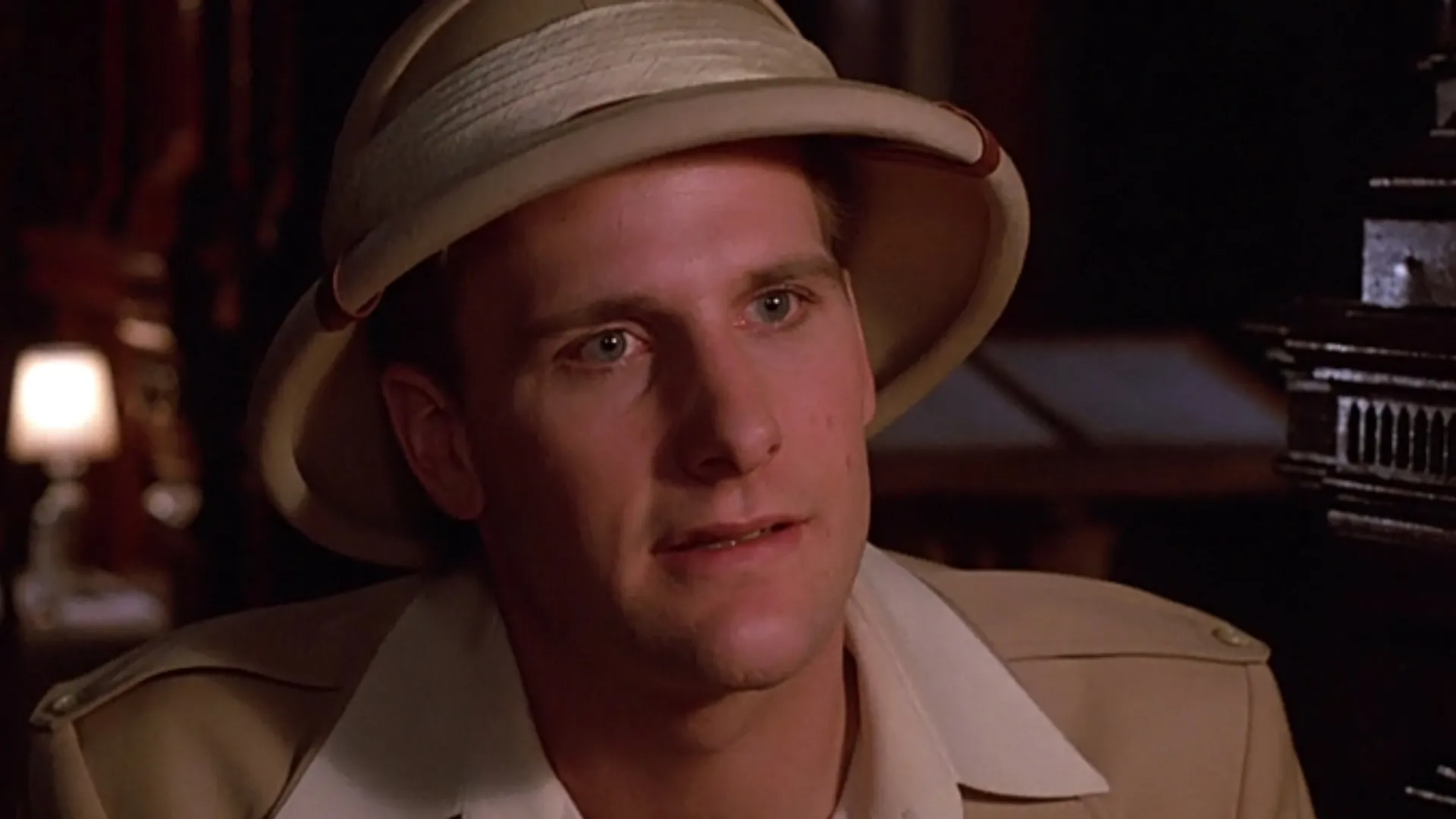
(Source: IMDb)
In Woody Allen’s wistful fantasy, Daniels performs both a fictional movie hero and the flawed actor portraying him, balancing satire with aching romanticism. The humor is gentle, intellectual, and tinged with melancholy rather than spectacle.
This early triumph revealed the emotional sophistication that would define his entire career. Long before blockbuster recognition, Daniels demonstrated that comedy could also be poetry — a truth that continues to echo through every role that followed.