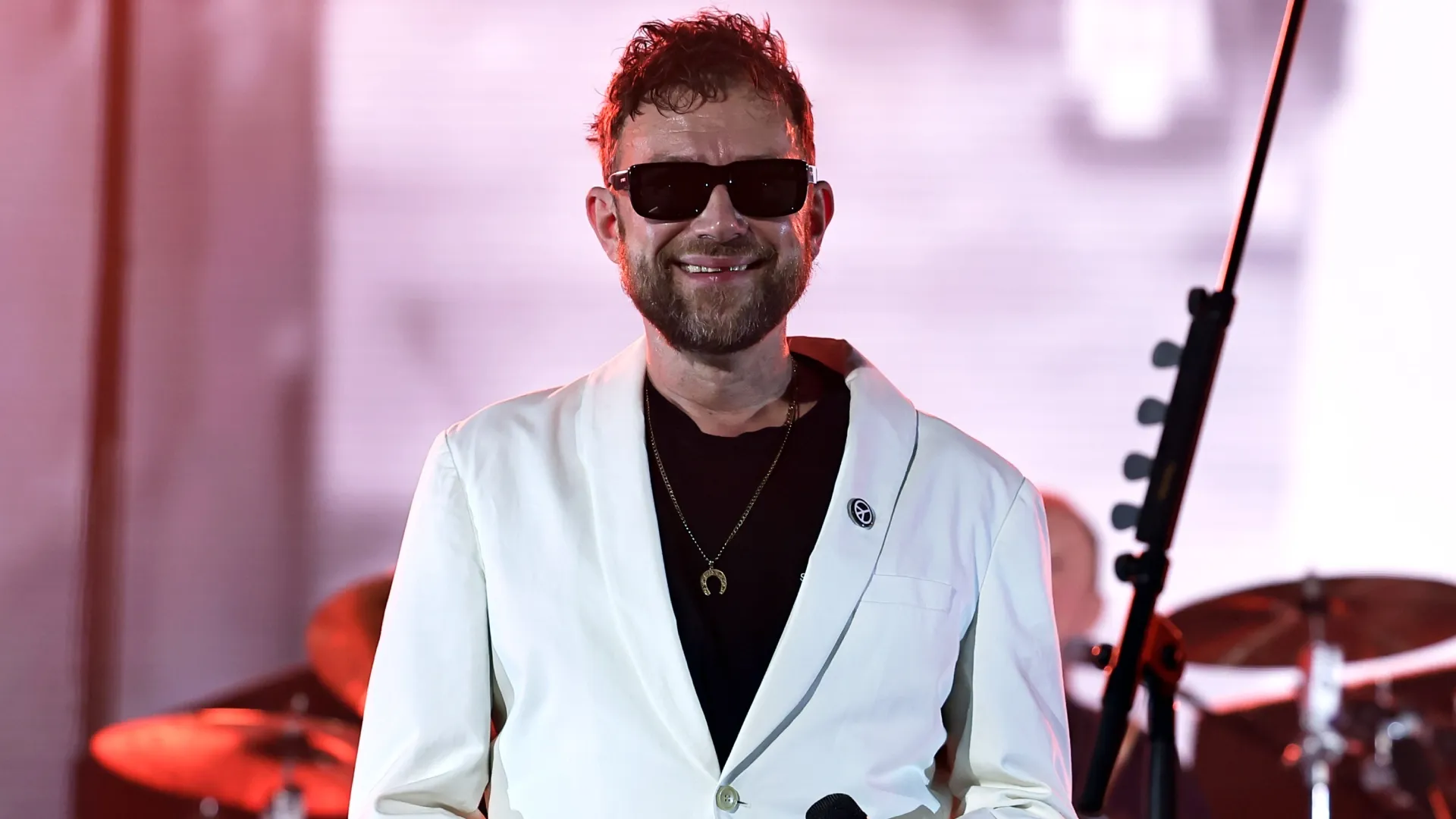
Damon Albarn first claimed global attention as the frontman of Blur before pioneering one of the most innovative pop projects of the 21st century: Gorillaz, the genre‑defying virtual band he co‑created with artist Jamie Hewlett in 1998.
What began, almost playfully, as an animated satire on celebrity culture quickly evolved into a boundary‑breaking musical collective that fused hip‑hop, dub, rock, reggae, and electronica into an unmistakable sound.
Far from a static catalog of hits, Gorillaz’s music has often reflected the shifting world from which it sprang — blending infectious hooks with biting commentary and artistic daring. Even now, as the band’s latest work continues to explore new sonic territories and emotional depths.
“Feel Good Inc.” (2005)
Released as the lead single from Demon Days, “Feel Good Inc.” stands as arguably Gorillaz’s most iconic anthem — its bass groove, infectious hook, and genre‑blending fusion of funk, hip‑hop, and rock helped define the band’s global breakthrough.
Featuring verses by De La Soul, the song became a massive hit on alternative charts worldwide and earned critical recognition for its biting reflection on commercialism and pop culture.
But beyond chart success, “Feel Good Inc.” encapsulates the satirical heart of Gorillaz: a juxtaposition of surface‑level “feel good” energy with subtextual critique of consumerism and media saturation.
Its hypnotic groove and layered production make it a moment where Damon Albarn’s vision for a band that could provoke as much as entertain fully crystalized, embedding the track in pop culture history.
“Clint Eastwood” (2001)
As Gorillaz’s debut single, “Clint Eastwood” announced the world to a band that didn’t look like a band at all — animated characters fronting a genre‑fluid collective. Featuring guest rap from Del the Funky Homosapien, its blend of reggae‐tinged rhythms, electronic textures, and laid‑back verses helped the song cross over into mainstream consciousness almost instantly.
Its legacy lies in how it set the template for what Gorillaz could be: boundary‑defying and playful yet musically rich. In creating something that felt familiar and fresh at once, Albarn positioned Gorillaz as innovators from day one — bridging hip‑hop, electronica, and Britpop sensibilities in unexpected ways.
“DARE” (2005)
Also from Demon Days, “DARE” brought an irresistible dance vibe to the Gorillaz catalog, anchored by the distinctive vocals of Shaun Ryder. Its propulsive beat and catchy energy made it one of the band’s most beloved tracks in live shows and radio rotations alike.
It’s a song that revels in rhythm and personality, showcasing how Albarn and his collaborators could craft pop music that felt both infectious and adventurous. “DARE” remains a testament to the band’s ability to traverse genres without losing its creative identity.
“On Melancholy Hill” (2010)
This dreamy, melancholic track from Plastic Beach unveiled a softer, more introspective side of Gorillaz. With hazy synths and Albarn’s wistful vocals, “On Melancholy Hill” captures a poignant blend of nostalgia and longing that resonates deeply with listeners.
Unlike the band’s earlier, more beat‑driven hits, it trades punchy hooks for emotional resonance, proving that Gorillaz’s strength wasn’t just in genre mash‑ups but also in crafting deeply affecting sonic moments.
“Stylo” (2010)
Featuring Mos Def and Bobby Womack, “Stylo” blended futuristic production with soulful vocal layers, becoming one of Plastic Beach’s standout tracks. Its sleek groove feels like a cinematic ride, perfectly balancing electronic textures with human warmth.
The song exemplifies how Gorillaz could leverage collaborations to expand their sound while maintaining Albarn’s emotional core — a synergy of innovation and soulfulness that makes it a defining moment from that era.
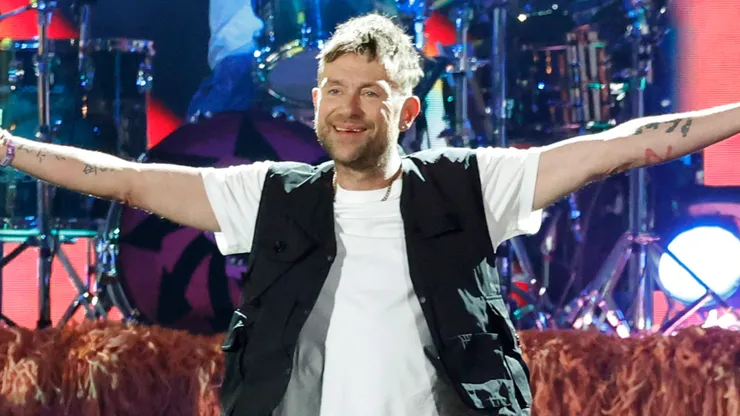
Damon Albarn of Blur performs at the Coachella Stage during the 2024 edition (Source: Theo Wargo/Getty Images for Coachella)
“New Gold” (2022)
From the album Cracker Island, “New Gold” features Tame Impala and Bootie Brown and showcases Gorillaz’s continued evolution into genre‑bending collaborations. Its psychedelic pop sensibilities and rich sonic textures signal the band’s ability to stay contemporary while honoring its eclectic roots.
This track illustrates Albarn’s ongoing creative restlessness — a musician always seeking new sounds and voices to broaden the Gorillaz canvas, ensuring relevance across decades.
“Cracker Island” (2022)
The title track of Cracker Island, featuring Thundercat, blends groovy bass, dreamy layers, and reflective lyrics that encapsulate the project’s blend of cosmic exploration and introspection. Its sonic richness and compelling collaboration make it a song that resonates both musically and thematically.
“Cracker Island” stands as proof that Gorillaz can continually reinvent themselves, merging vibrant guest performances with their unique narrative universe to deliver fresh yet unmistakably recognizable sounds.
“We Got the Power” (2017)
A standout from Humanz, “We Got the Power” features Jehnny Beth and carries a defiant, anthemic energy. Its upbeat pulse and collective spirit reflect the band’s collaborative ethos, with Albarn weaving voices from different backgrounds into a unifying musical statement.
This track’s celebratory yet urgent feel captures the mood of its album era: a blend of high‑energy tracks and socially conscious themes, showcasing a side of Gorillaz that thrives on collective expression.
“Humility” (2018)
From The Now Now, “Humility” brings a breezy, feel‑good vibe with smooth guitar, laid‑back rhythms, and a guest spot by jazz legend George Benson. Its sunshine‑soaked soundscape offers a lighter contrast to some of the band’s darker themes, revealing yet another layer of Albarn’s songwriting versatility.
This track’s charm lies in its simplicity and infectious groove — a reminder that Gorillaz can craft deeply enjoyable songs that feel both intimate and broadly appealing.
“Kids With Guns” (2006)
Released as a double single with El Mañana from the Demon Days album, “Kids With Guns” became one of Gorillaz’s standout tracks during their early, genre‑defining era.
The song blends electro‑funk rhythms with lyrics addressing youth and societal tension, showing that Gorillaz were as interested in commentary as in experimentation.
Its infectious groove and subtle edge made it a fan favorite and a highlight in live performances. Musically, Kids With Guns features looping synthesizers, punchy basslines, and polished production that still feels relevant more than a decade later.
The track demonstrates how Damon Albarn and collaborators could merge social awareness with accessible pop hooks, creating a song that is both thought-provoking and danceable. It stands as a quintessential example of Gorillaz’s ambition to challenge pop norms while still delivering catchy, enduring music.