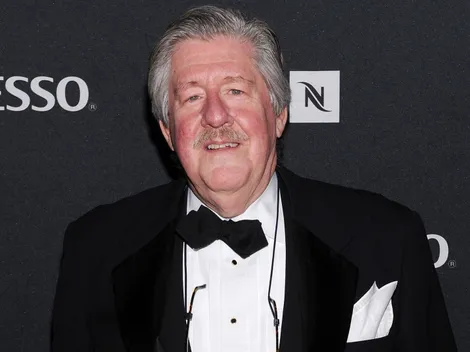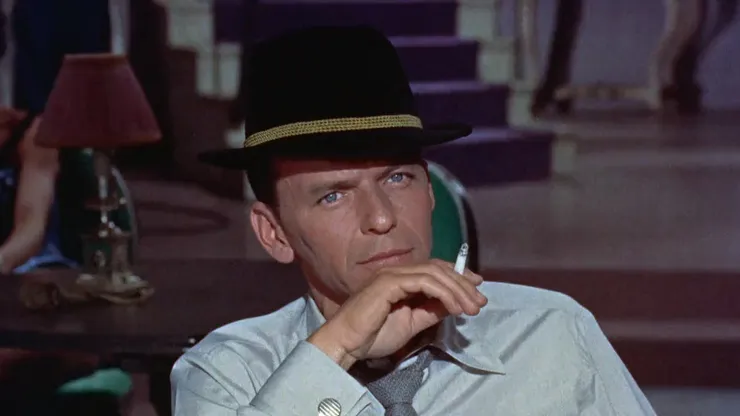
Frank Sinatra’s film career unfolded with the same unpredictability that marked his rise in music, shifting from lighthearted musicals to performances that revealed a far more intricate actor beneath the polished persona.
Hollywood initially treated him as a singer who could memorize lines, yet the postwar era pushed him toward roles that demanded weight, vulnerability, and a sharper dramatic instinct. Those shifts not only revived a career that had stalled but also reshaped the industry’s expectations of crossover performers.
By the time awards season began paying attention, he had already proven he wasn’t relying on charm alone. His standout roles carried a sense of urgency, shaped by directors who recognized the tension in his voice and the grit in his demeanor.
From Here to Eternity (1953)
(Source: IMDb)
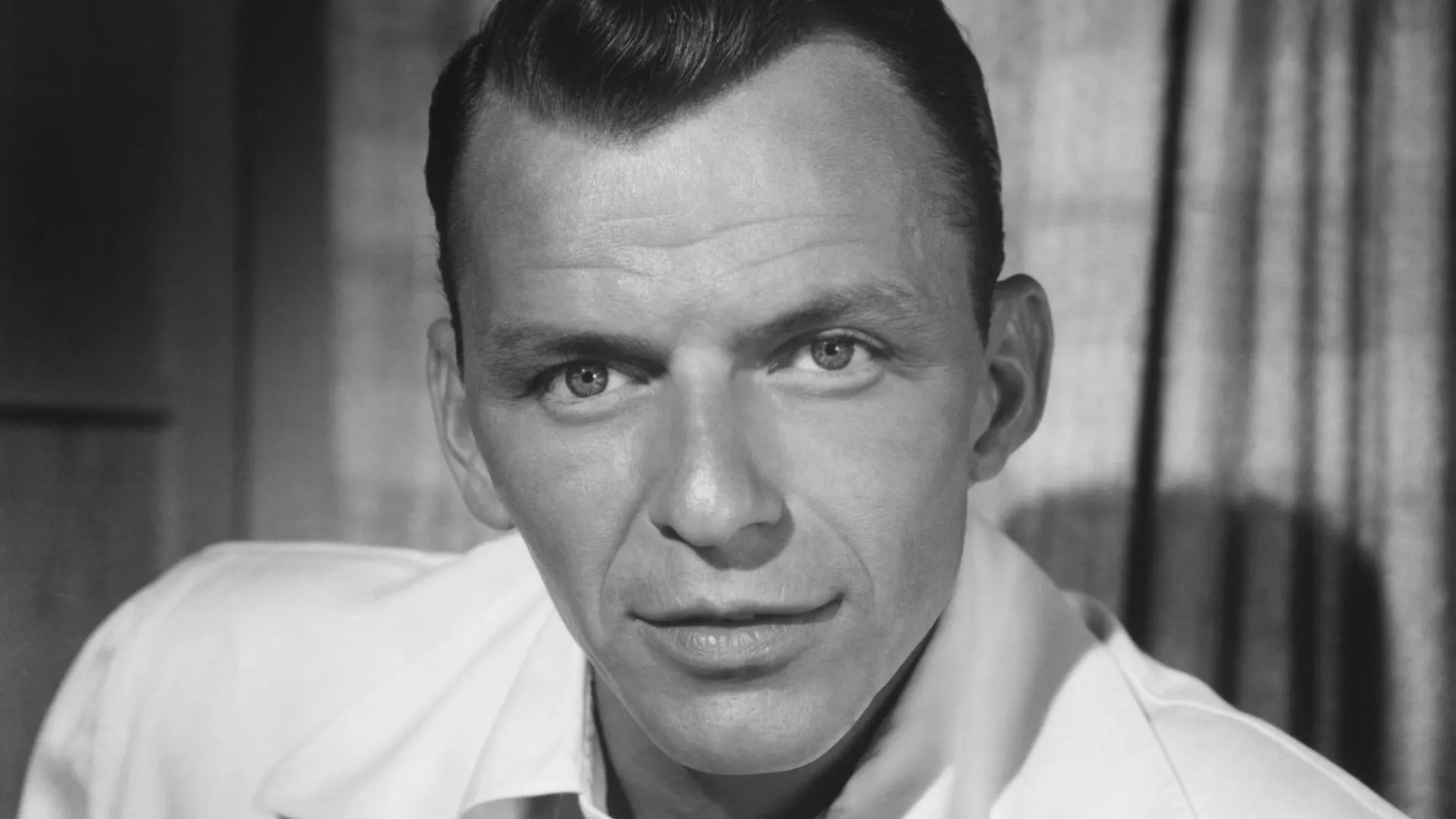
When Sinatra took on the role of Private Angelo Maggio in From Here to Eternity, he wasn’t just acting — he was redefining himself. This World War II drama, based on James Jones’s unsparing novel, cast him as a flawed but deeply human soldier living under the shadow of Pearl Harbor. The performance marked a stunning transition from crooner to serious actor and culminated in Sinatra’s Oscar for Best Supporting Actor, widely considered one of the most remarkable comebacks in Hollywood history.
The Man with the Golden Arm (1955)
(Source: IMDb)
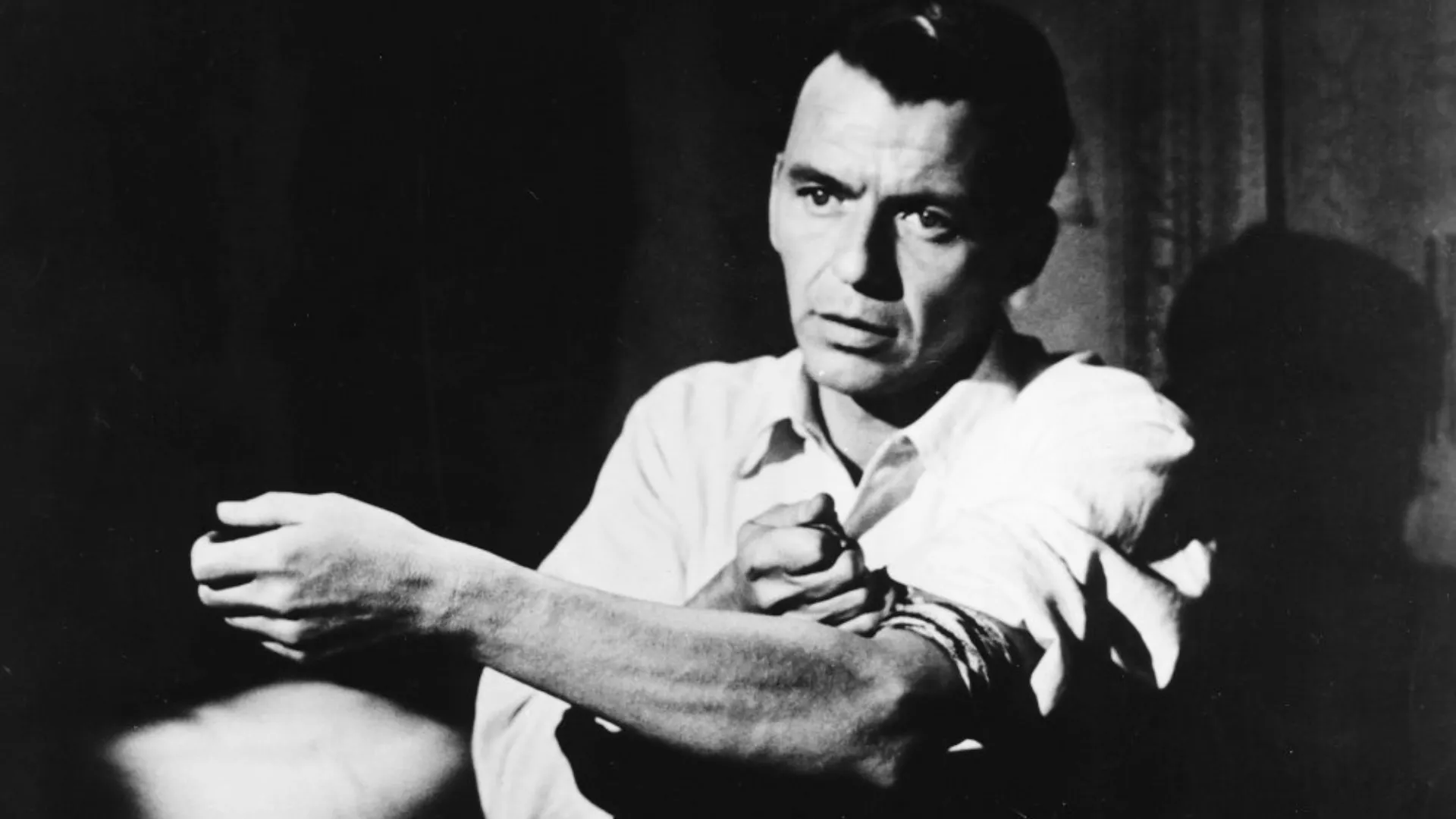
This Otto Preminger film remains one of Sinatra’s most courageous screen turns. Portraying Frankie Machine, a card dealer battling heroin addiction, Sinatra delivered a raw performance that broke new ground in American cinema by confronting addiction head-on, challenging the restrictive Production Code of its day. His commitment to the role earned him nominations from both the Academy Awards and BAFTAs, and the film was later honored by the Library of Congress for its cultural significance.
The Manchurian Candidate (1962)
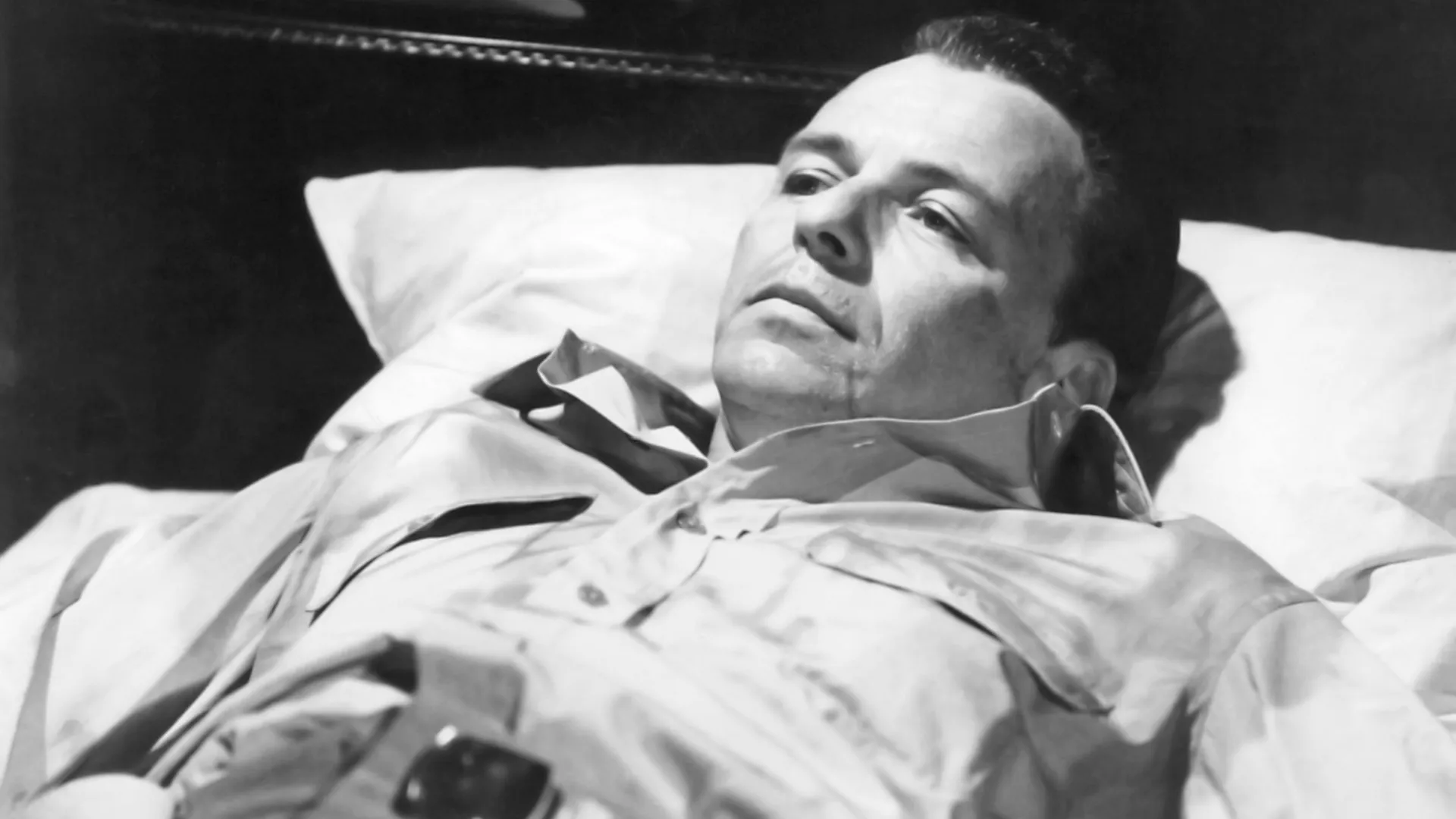
(Source: IMDb)
In this chilling Cold War thriller, Sinatra plays Major Bennett Marco, a Korean War veteran grappling with a conspiracy that may involve brainwashing and political assassination. Far from the light-hearted musicals of his early career, this film showcased Sinatra’s dramatic depth and helped cement his reputation as an actor capable of intense, psychologically layered performances. It has since become a cornerstone of American political cinema.
Guys and Dolls (1955)
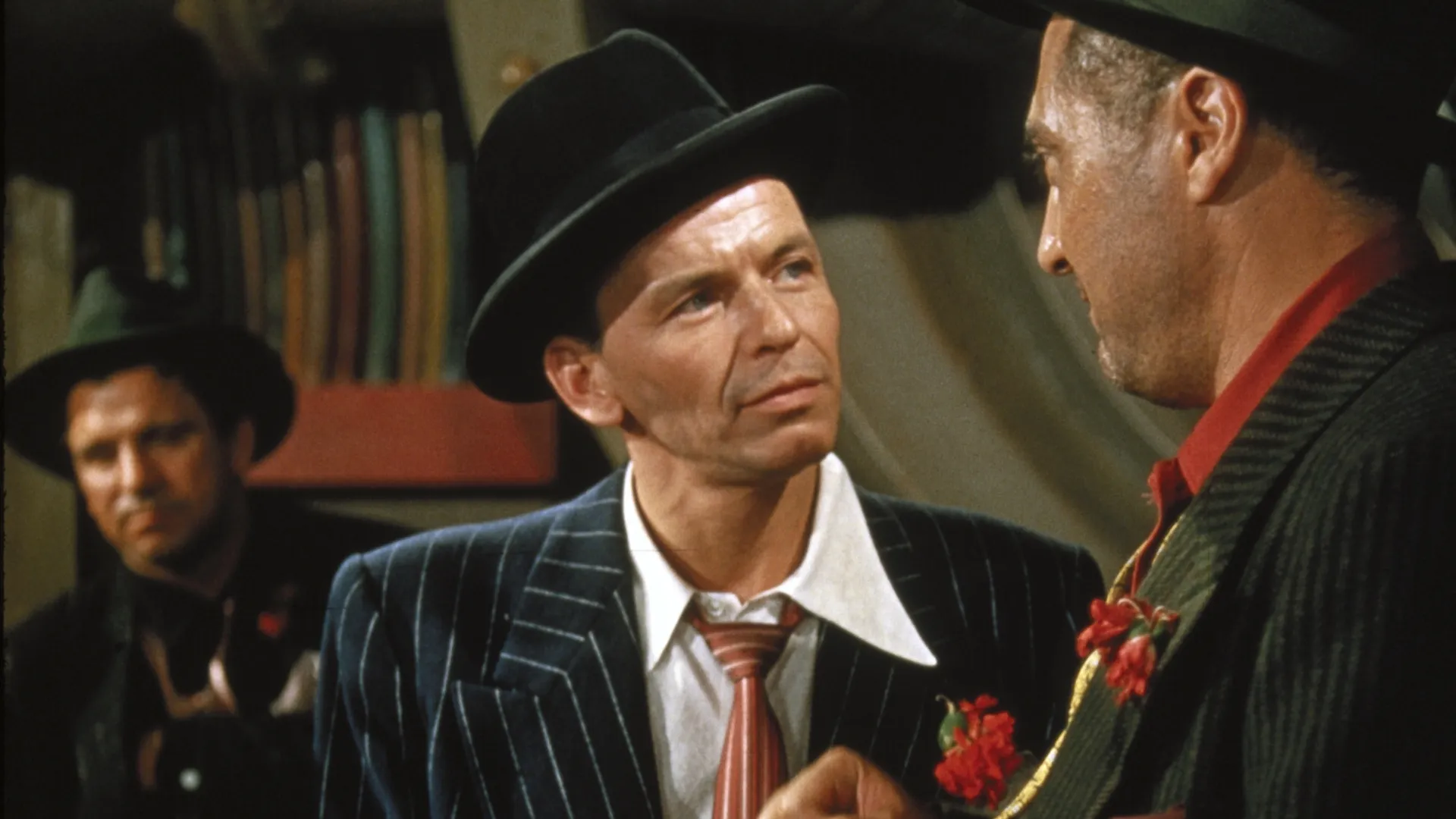
(Source: IMDb)
Sinatra brought his charismatic stage presence into this cinematic adaptation of the beloved Broadway musical, starring alongside Marlon Brando and Jean Simmons. His performance as Nathan Detroit balanced humor and pathos, giving a musical classic a grounded, human heart. The film’s energy and star power made it one of the era’s definitive musical comedies.
Pal Joey (1957)
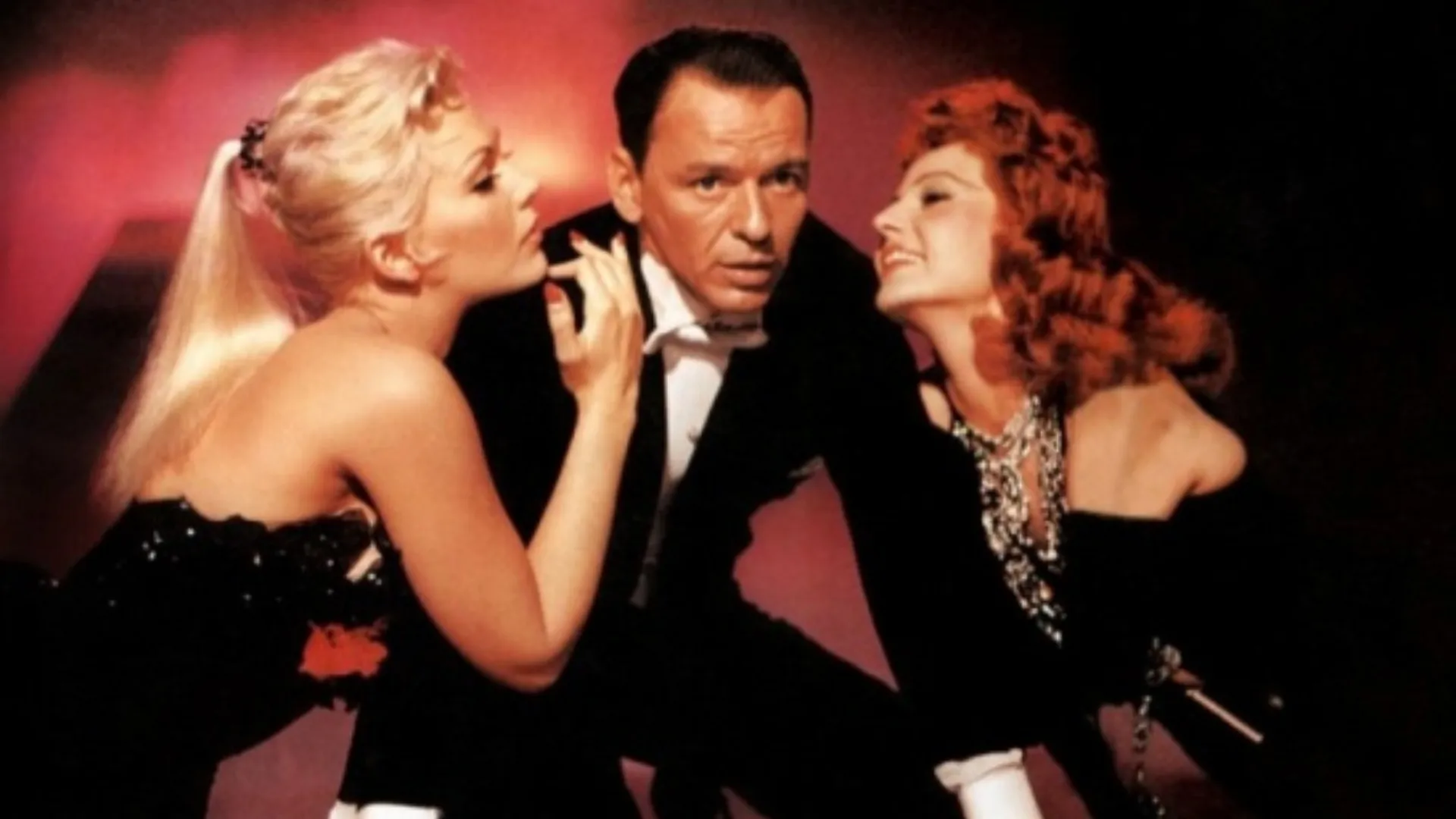
(Source: IMDb)
In Pal Joey, Sinatra played the wise-cracking nightclub singer Joey Evans, a character as smooth with words as he was flawed in romance. The role earned him a Golden Globe for Best Actor in a Musical or Comedy, highlighting his ability to blend song with nuanced comic timing and emotional texture. The film stands as a classic example of how Sinatra could inhabit a role that was both showbiz surface and rich in character complexity.
Suddenly (1954)
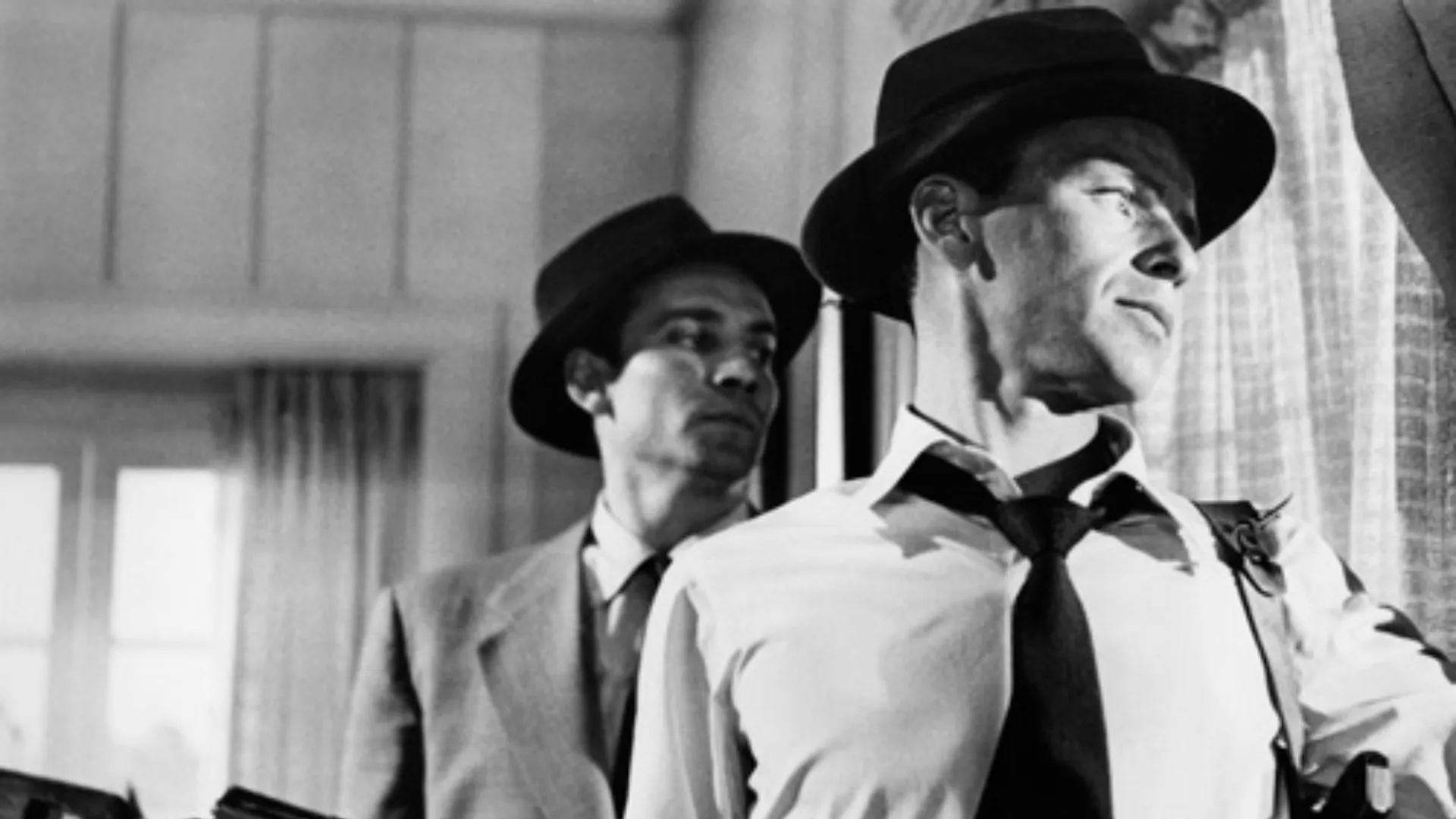
(Source: IMDb)
A departure from musicals and big dramas, Suddenly is a taut thriller in which Sinatra’s presence grows gradually more menacing. Although he isn’t the lead protagonist, his portrayal of a ruthless killer targeting the President was a stark and memorable turn that revealed how his screen persona could shift dramatically under skilled direction. The film’s tension and psychological edge gave audiences a different angle on his versatility.
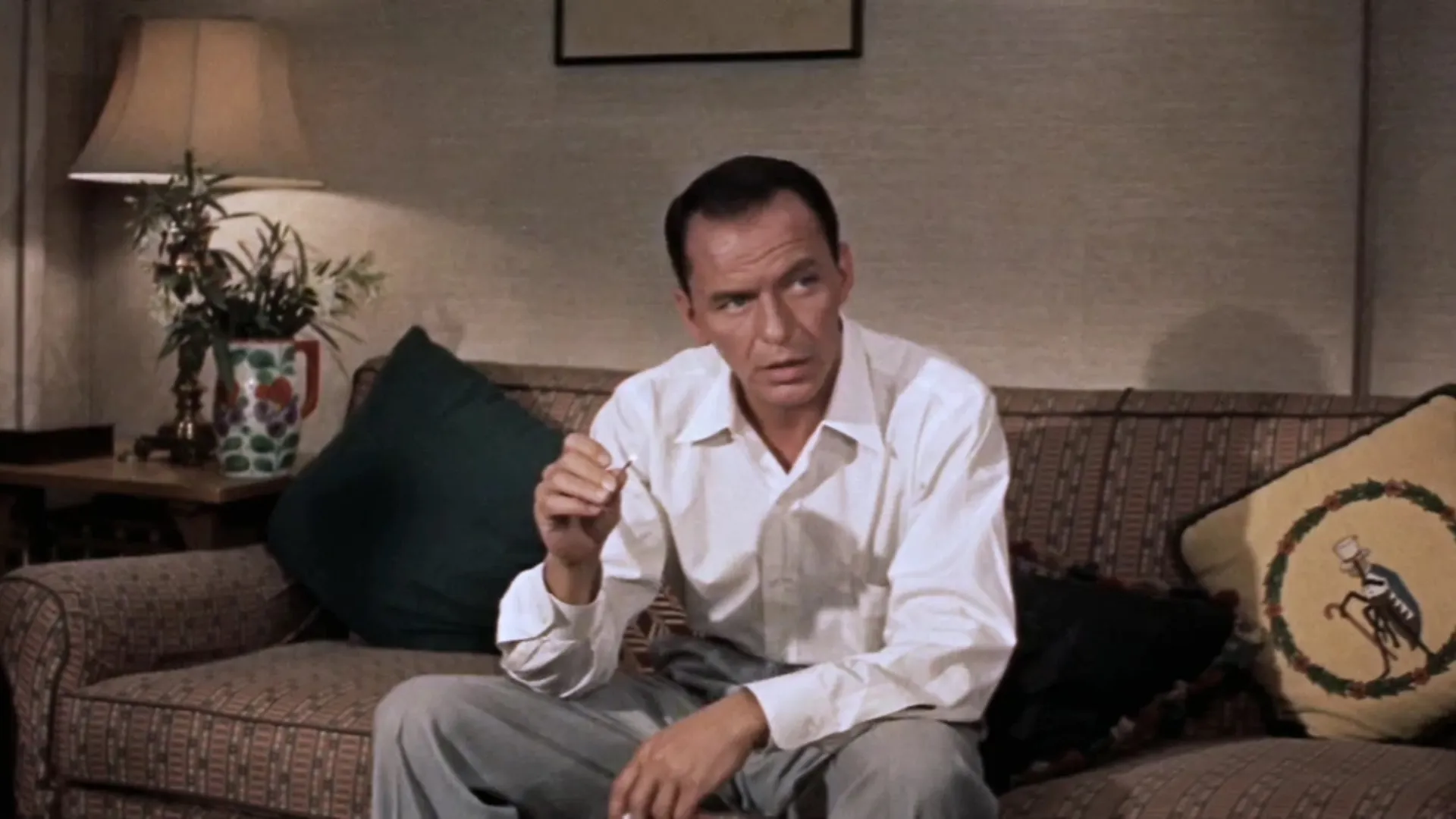
Some Came Running (1958)
(Source: IMDb)
In this heartfelt drama directed by Vincente Minnelli, Sinatra starred opposite Dean Martin as a war veteran-turned-writer returning to his hometown. The film combines romantic entanglements with small-town complexities, allowing Sinatra to explore a character layered with cynicism, hope, and introspection. It was both a commercial success and a critical touchpoint in his film career.
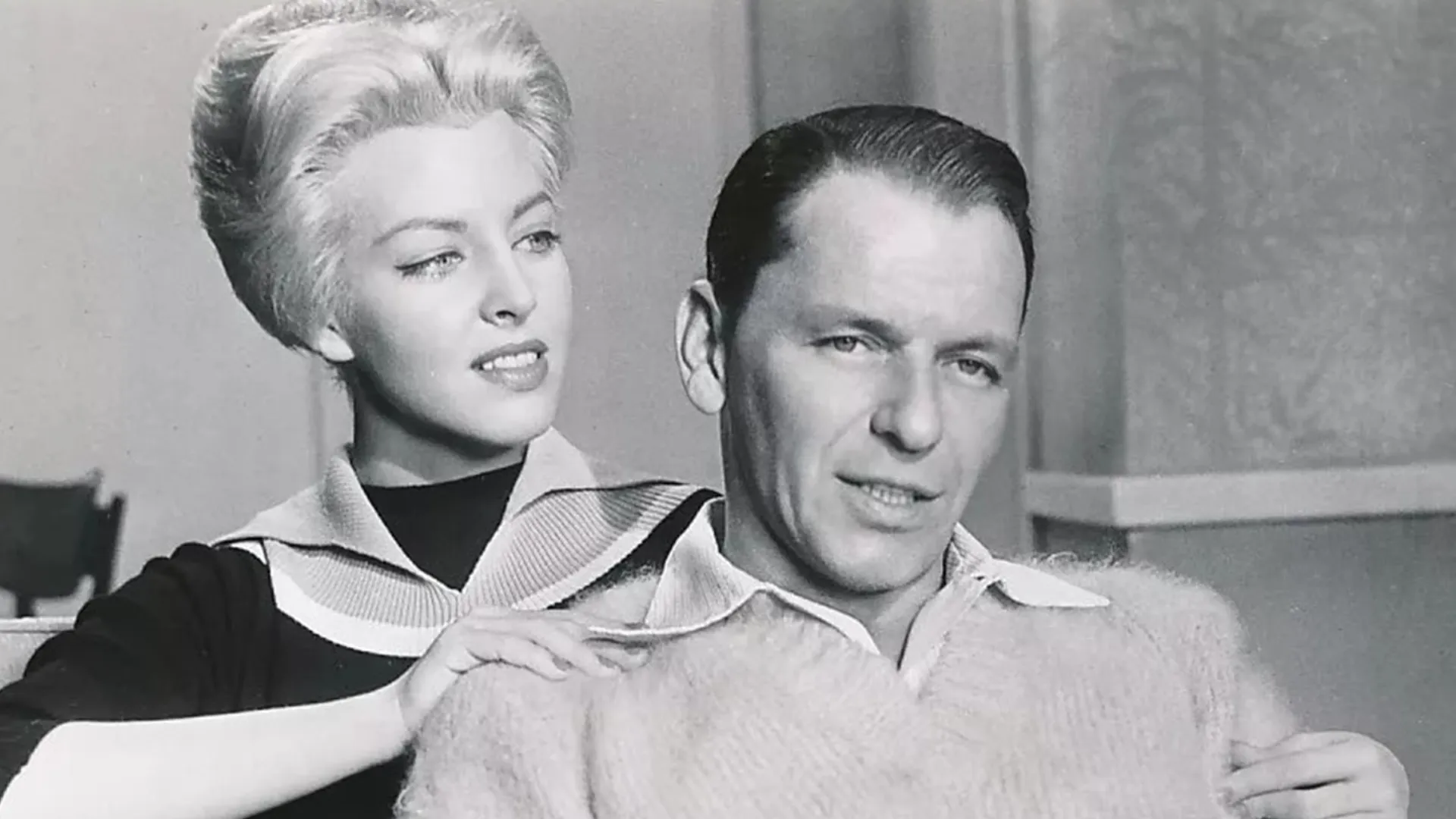
Ocean’s 11 (1960)
(Source: IMDb)
As leader Danny Ocean in this Rat Pack ensemble heist film, Sinatra embodied effortless cool. While not his most serious dramatic work, Ocean’s 11 captured an era — the glitz of Vegas, insider camaraderie among stars, and light suspense wrapped in humor. It stands as a cultural artifact of mid-century celebrity and remains beloved for its style and swagger.
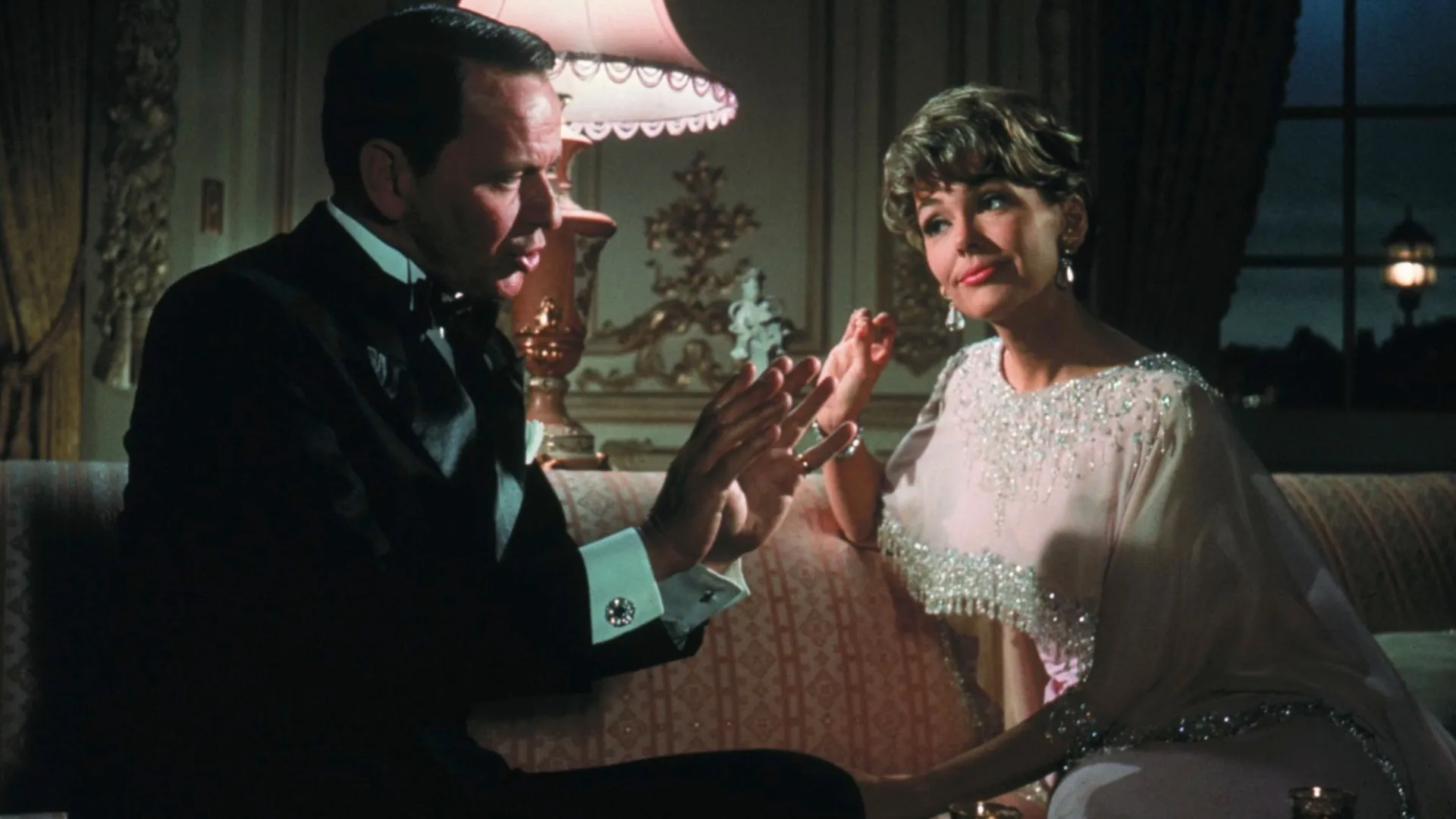
Robin and the 7 Hoods (1964)
(Source: IMDb)
Reimagining the Robin Hood myth in a Prohibition-era Chicago setting, this musical blends song, gangster lore, and an all-star cast including Dean Martin and Bing Crosby. Sinatra’s production involvement deepened his connection to the material, and the film gave rise to the enduring song “My Kind of Town,” which became a signature piece in his repertoire.
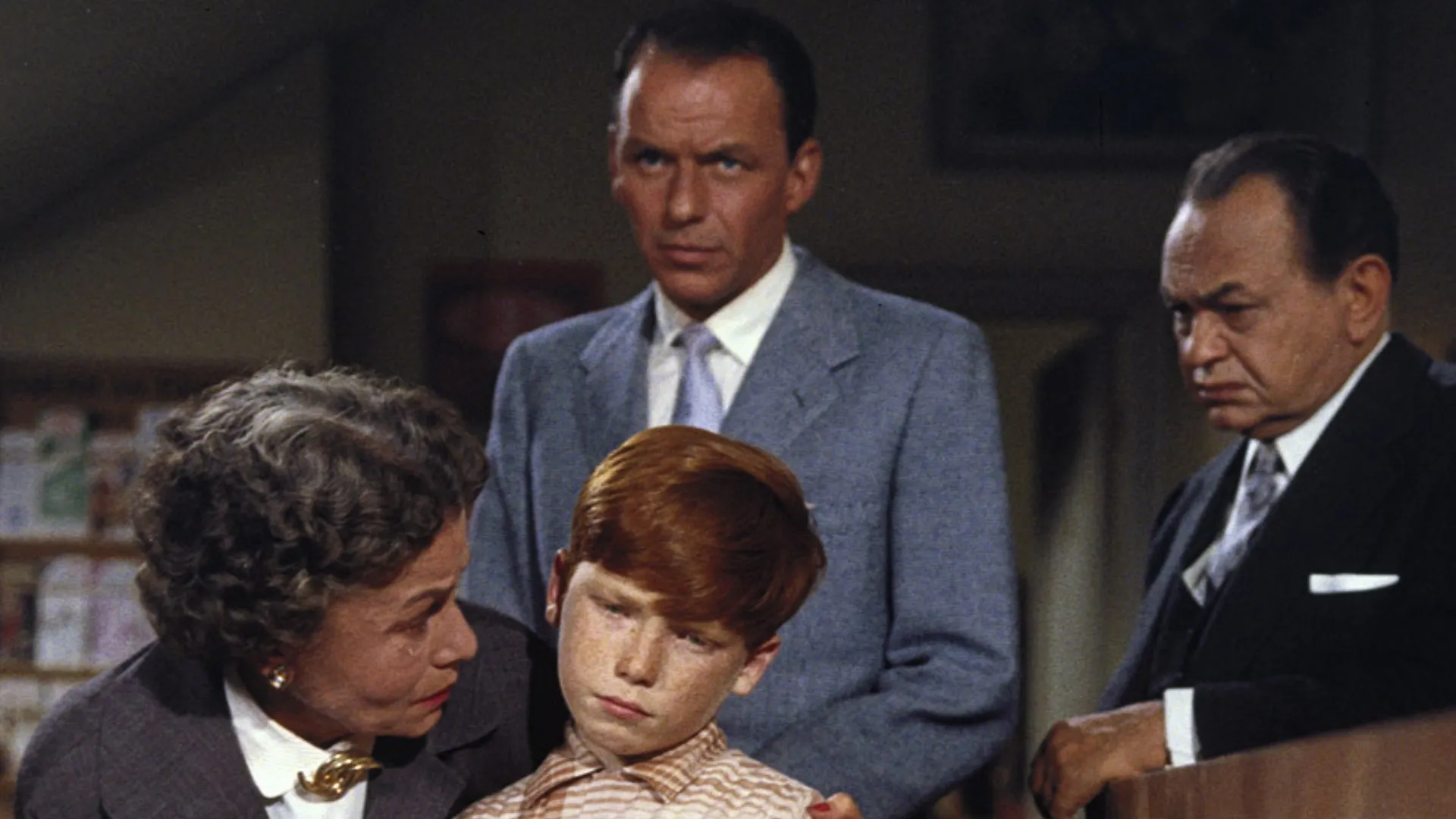
A Hole in the Head (1959)
(Source: IMDb)
In Frank Capra’s lively comedy, Sinatra plays a struggling hotel owner juggling family responsibilities and financial woes. While lighter in tone than his dramatic peaks, the film resonates for its warmth and Capra’s optimistic sensibility. It also introduced “High Hopes,” a song that became closely associated with Sinatra and entered popular culture long beyond the screen.