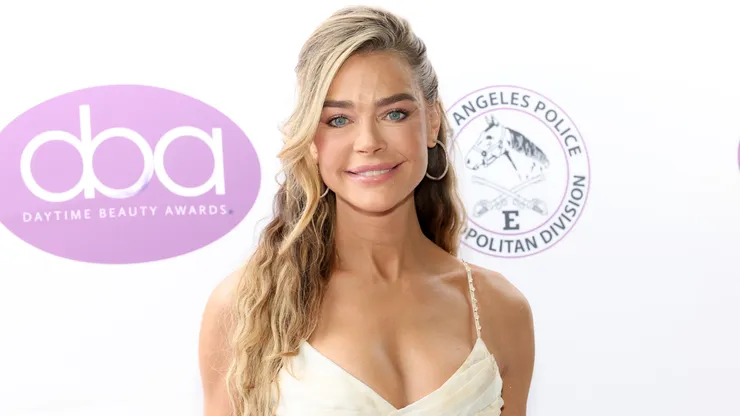
When Wild Things splashed into theaters in 1998, Denise Richards’ electrifying performance as the manipulative Kelly Van Ryan etched her name into pop‑culture lore and marked a turning point beyond her early genre work.
In the quarter‑century since that breakout moment, she has woven a multifaceted career that moves between action, comedy, romance and television—shaping a body of work that resists simple categorization.
The World Is Not Enough (1999) — Dr. Christmas Jones
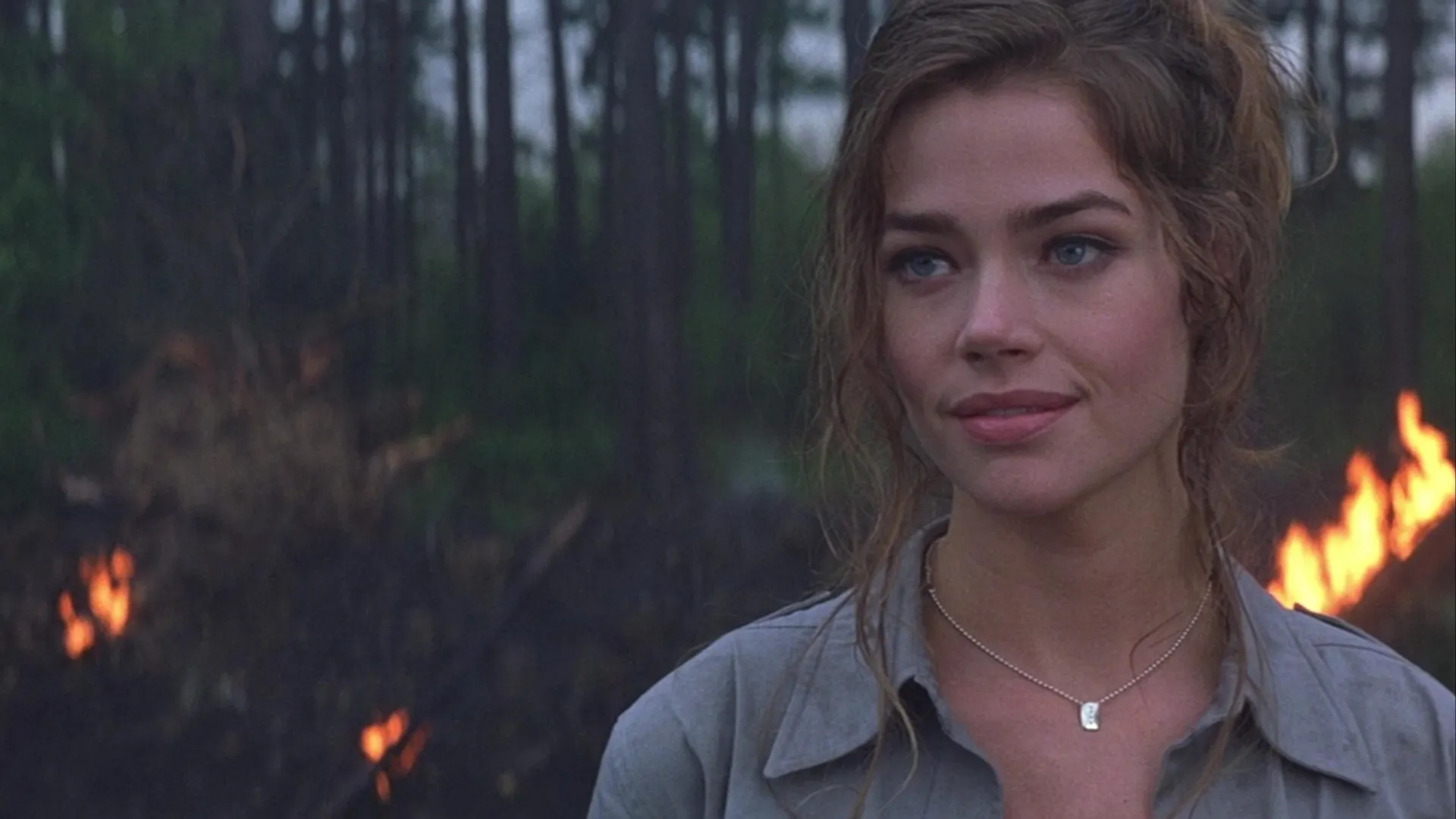
(Source: IMDb)
In her most high‑profile post‑Wild Things role, Richards stepped into the James Bond franchise opposite Pierce Brosnan as nuclear physicist Dr. Christmas Jones, a character that remains one of the most talked‑about Bond women.
Though polarizing among fans and critics — with debate over the casting and portrayal persisting decades later — the role cemented her as a recognizable face in blockbuster cinema and ensured her place in the enduring pop‑culture phenomenon that is Bond lore.
Scary Movie 3 (2003) — Annie Logan
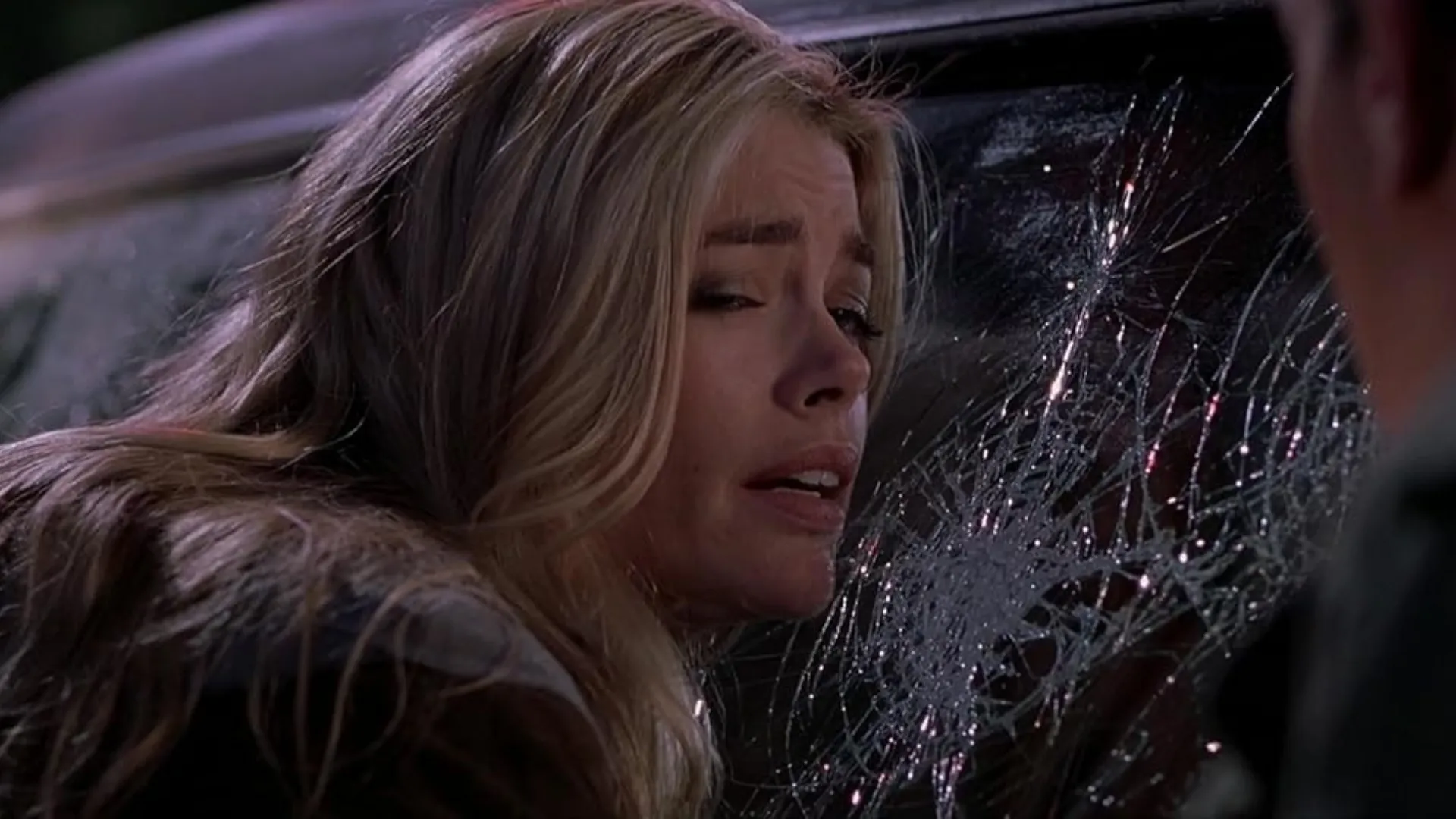
(Source: IMDb)
In this commercially successful horror parody, Richards broadened her range into comedy by embracing genre satire. Scary Movie 3 riffed on The Ring, Signs, and The Matrix, and Richards’ performance as Annie helped anchor the film’s playful oscillation between pop‑culture references and slapstick. Its box‑office success underscored her adaptability beyond straight drama.
Wild Things (1998) — Kelly Van Ryan
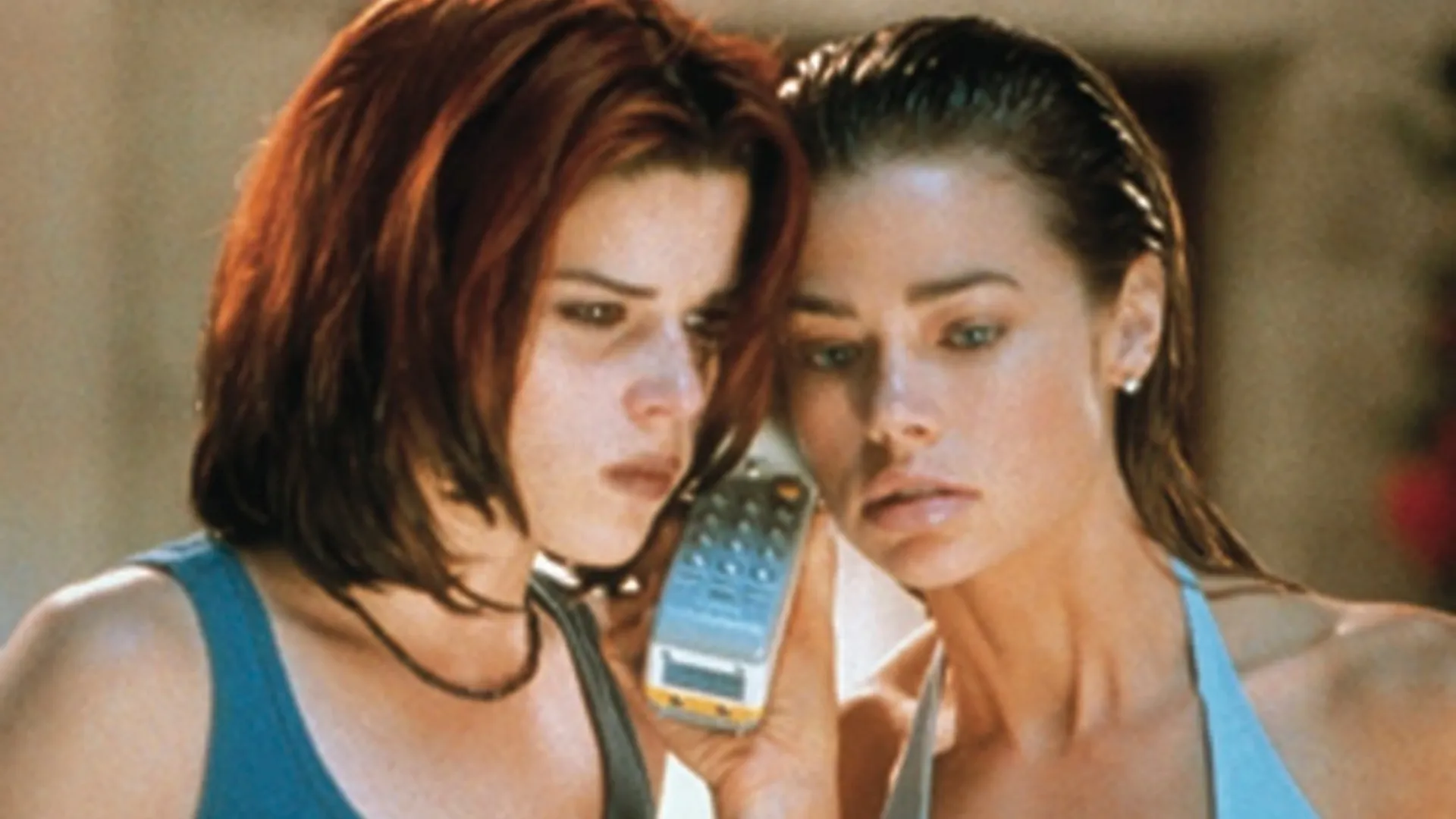
(Source: IMDb)
This neo-noir thriller remains Denise Richards’ career-defining breakout. Playing the cunning and manipulative Kelly Van Ryan, Richards delivered a performance that balanced allure, danger, and calculated intelligence, instantly making her a household name.
The film’s provocative plot, unexpected twists, and steamy scenes made it a cultural touchstone of the late ’90s, establishing her as both a star and a versatile performer capable of handling drama, seduction, and suspense simultaneously.
Wild Things set the stage for every subsequent role, shaping the public perception of Richards and opening doors to both blockbuster and television opportunities.
Love Actually (2003) — Carla
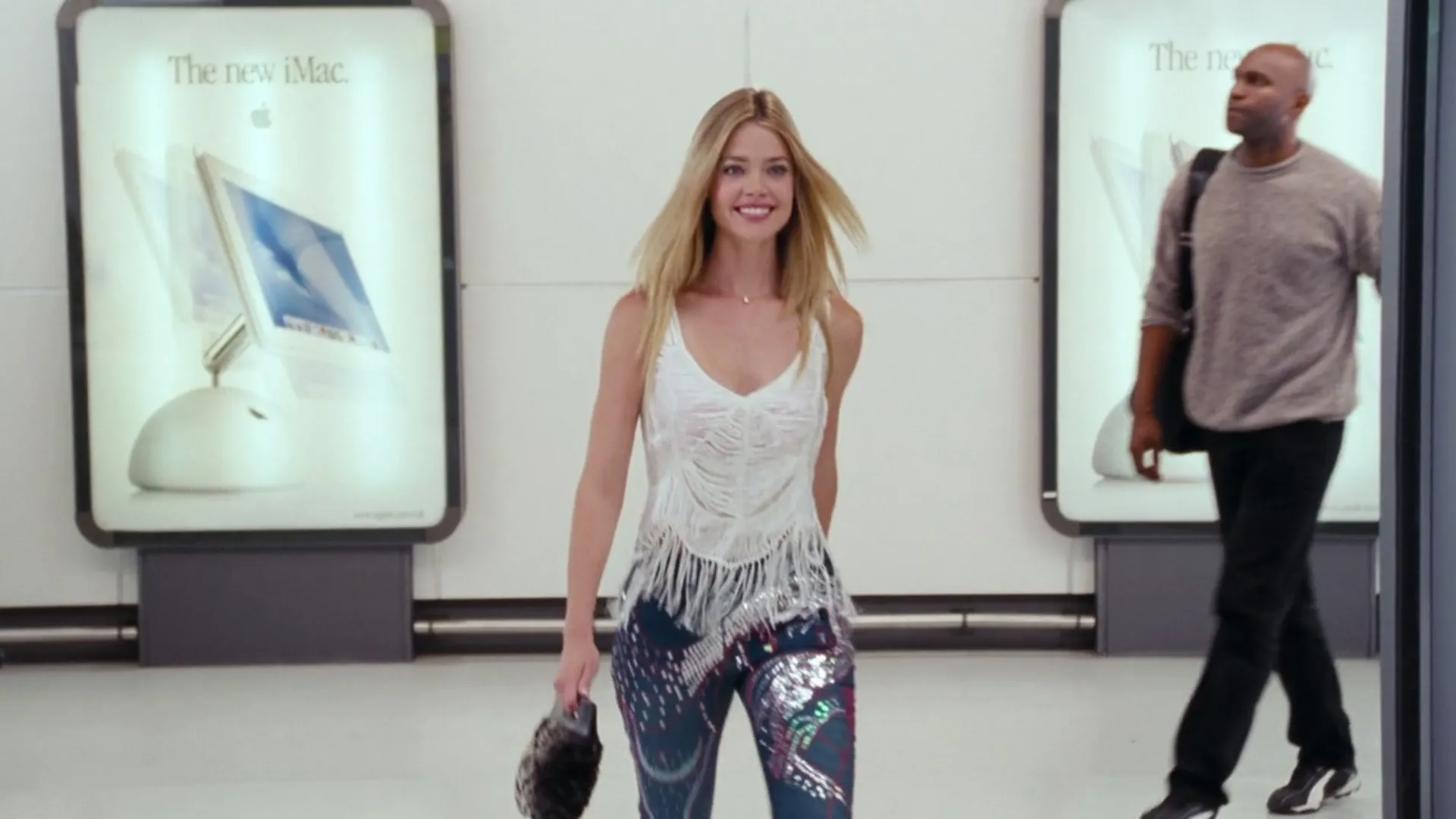
(Source: IMDb)
Though brief, Richards’ appearance in this beloved ensemble holiday rom‑com added a sparkle to one of modern cinema’s most replayed seasonal favorites. Her presence among an all‑star cast — including Hugh Grant and Emma Thompson — showcased her ability to leave an impression even in a cameo that contributed to the film’s interwoven narrative tapestry.
Valentine (2001) — Paige Prescott
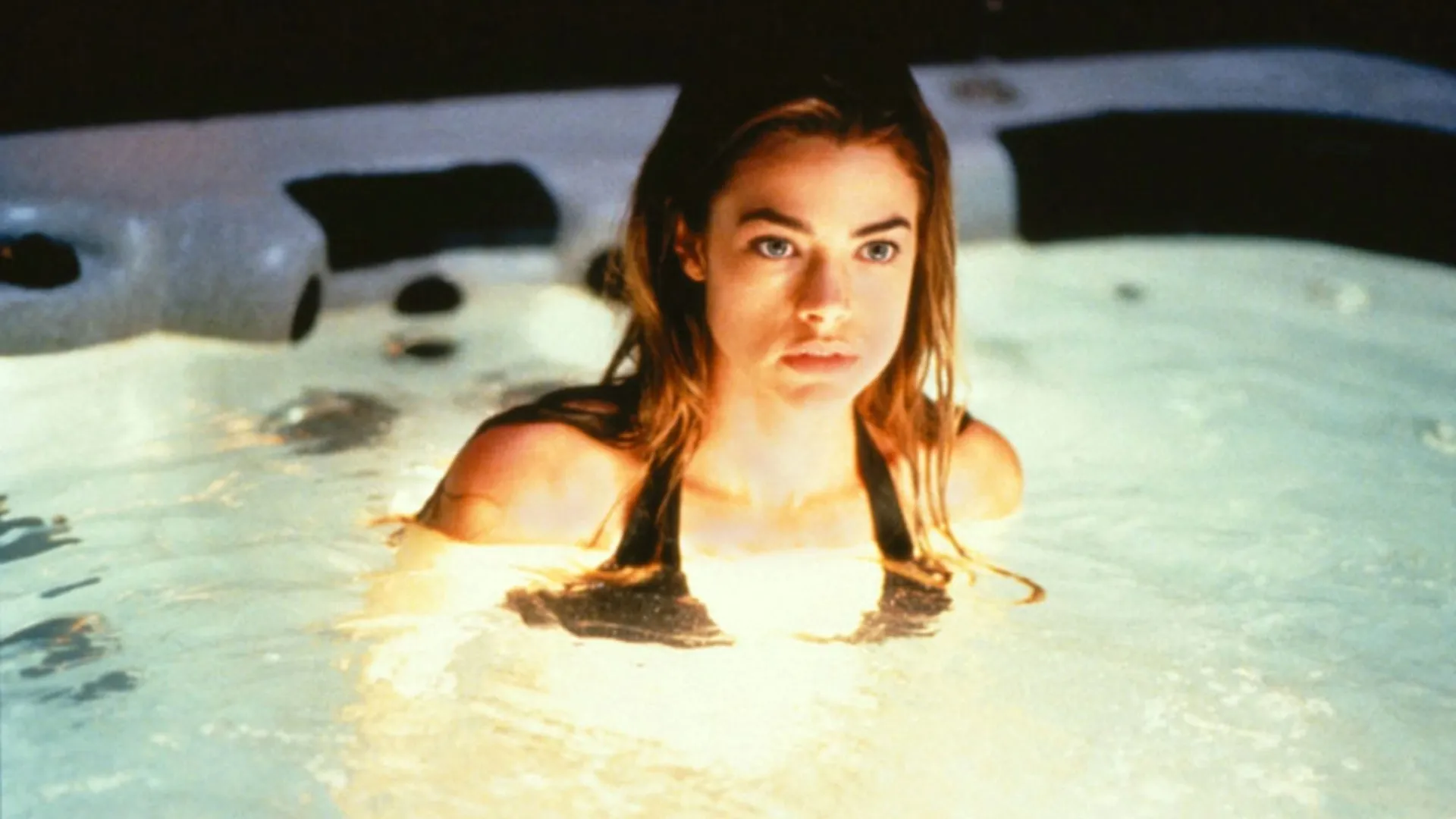
(Source: IMDb)
In this early‑2000s slasher, Richards joined an ensemble cast hunted by a masked killer during Valentine’s week. While the film received mixed reviews, her role as one of the central survivors demonstrated her willingness to engage with genre tropes and carve out dramatic moments within the horror format.
Undercover Brother (2002) — Penelope Snow / White She‑Devil
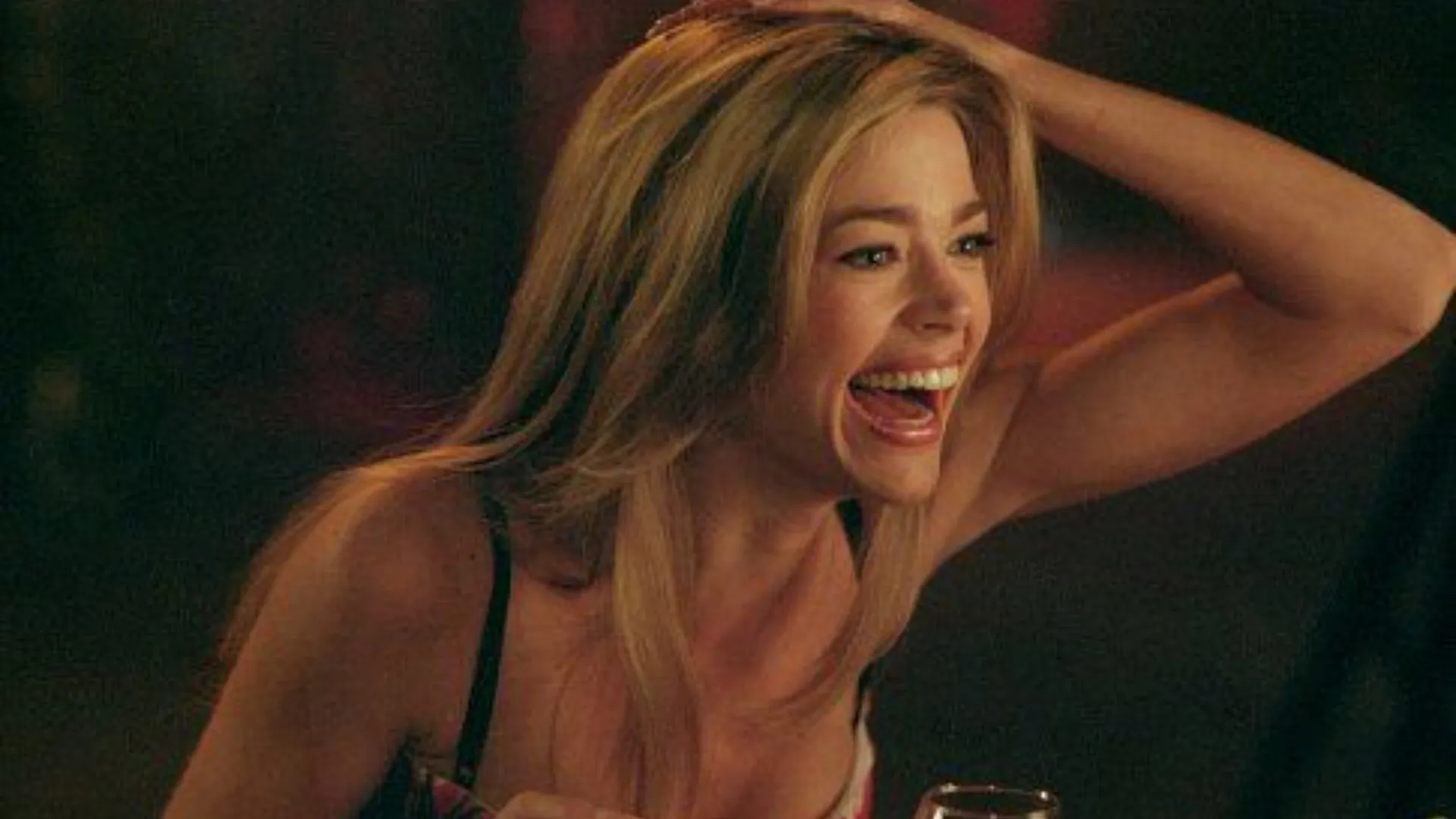
(Source: IMDb)
This comic action‑spoof allowed Richards to dig into broad, self‑aware satire, playing a villainous antagonist in a movie that parodied blaxploitation, spy films, and cultural tropes at once. Her dual role blended camp with physical comedy, highlighting her versatility beyond dramatic or serious roles.
Drop Dead Gorgeous (1999) — Rebecca “Becky” Ann Leeman
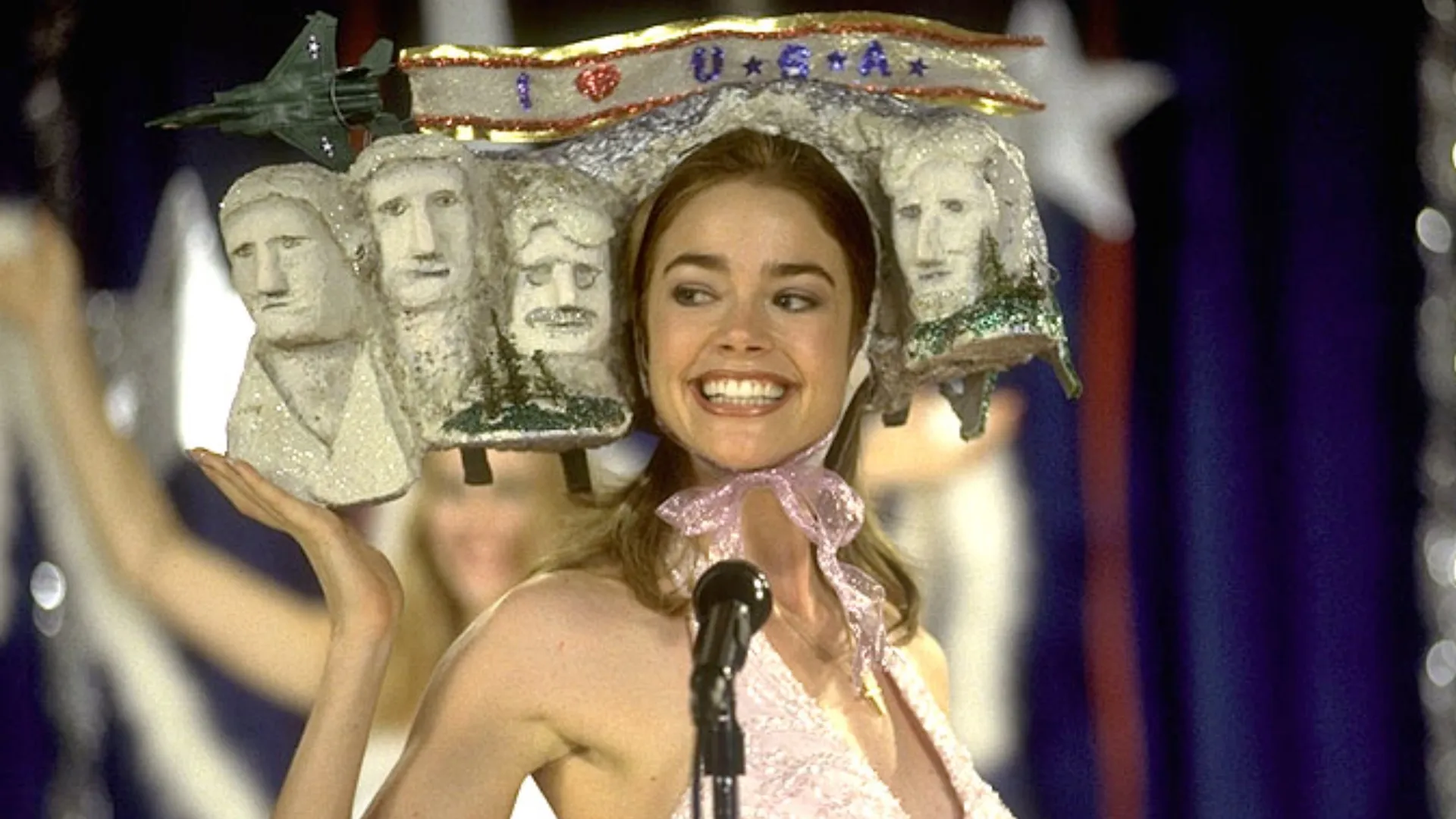
(Source: IMDb)
In this dark mockumentary about the extremes of small‑town beauty pageants, Richards stole scenes as the overconfident, cytically ambitious Rebecca. Her performance — equal parts comedic timing and icy charm — contributed to the film’s lasting cult status and remains a fan favorite.
Good Advice (2001) — Cindy Styne
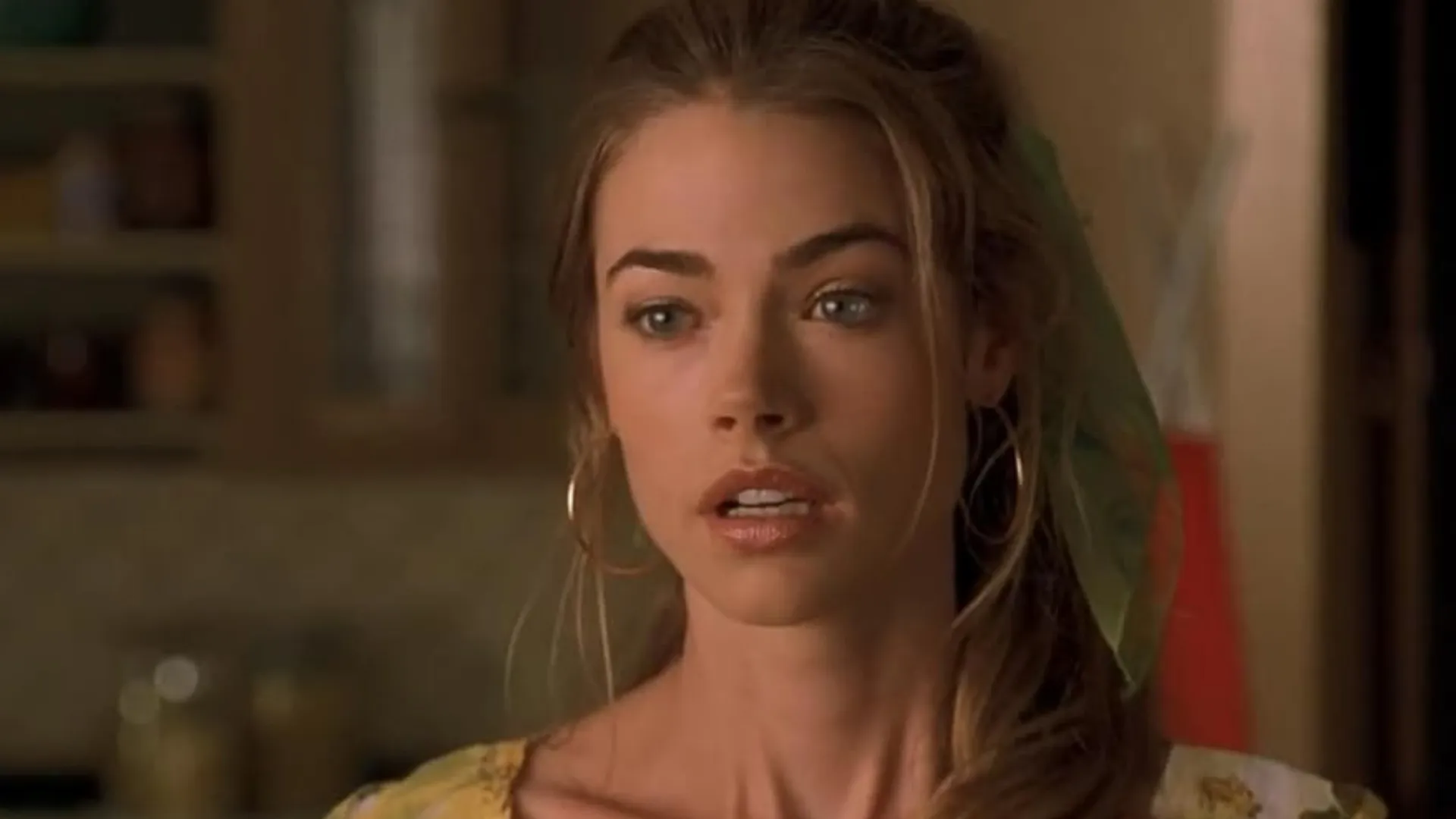
(Source: IMDb)
This early‑2000s romantic comedy paired Richards with Charlie Sheen, allowing her to flex in a lighter, relationship‑driven narrative. Although not a breakout hit, the film added dimension to her post‑Wild Things trajectory by highlighting her presence in mainstream rom‑com fare.
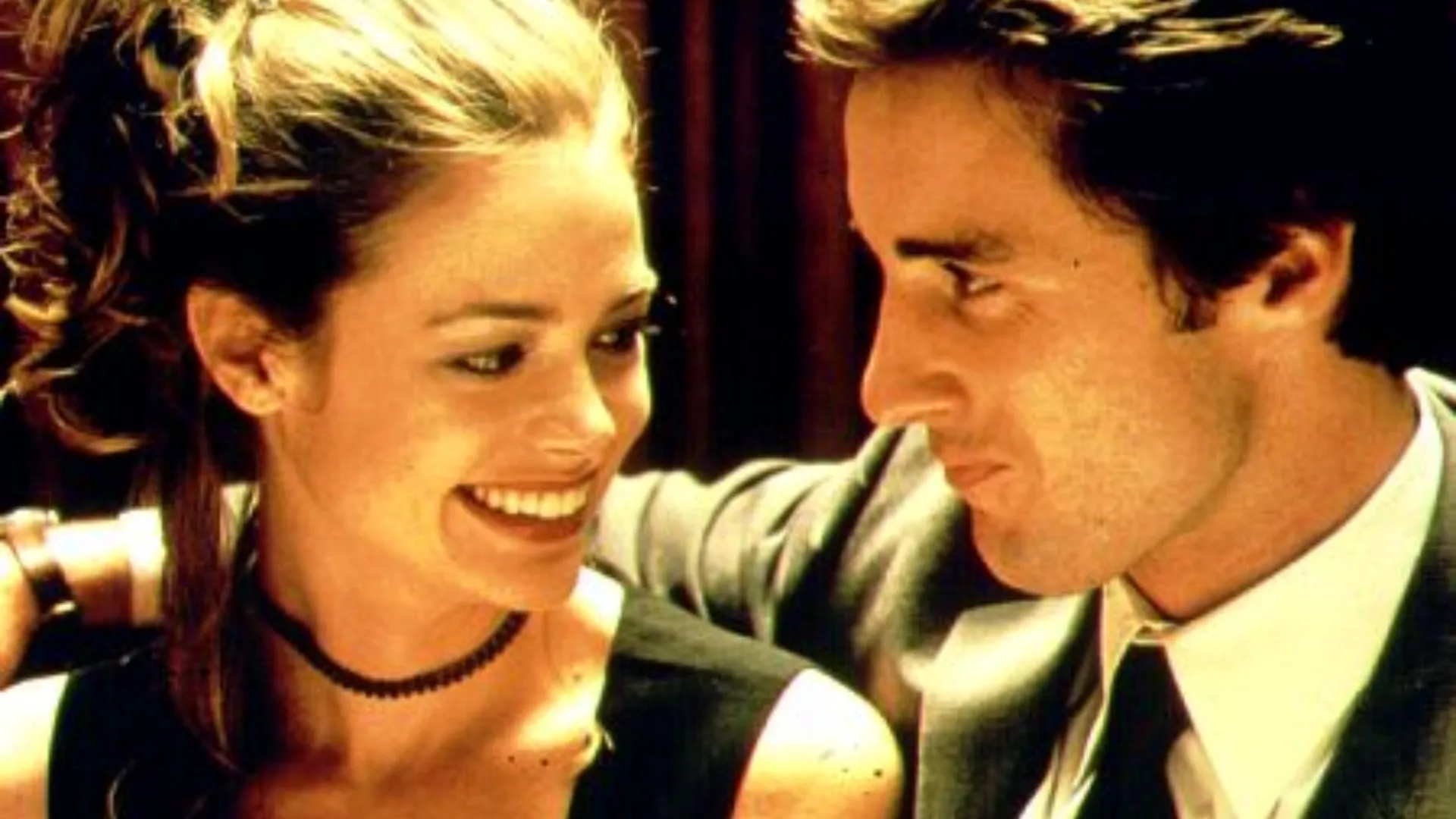
The Third Wheel (2002) — Diana Evans
(Source: IMDb)
Partnering with Luke Wilson and Denise Richards once again in a romantic comedy setting, this film emphasized her charm and comedic instincts in a love triangle setup. While not celebrated by critics, the role reinforced her consistent visibility in early‑2000s studio films.
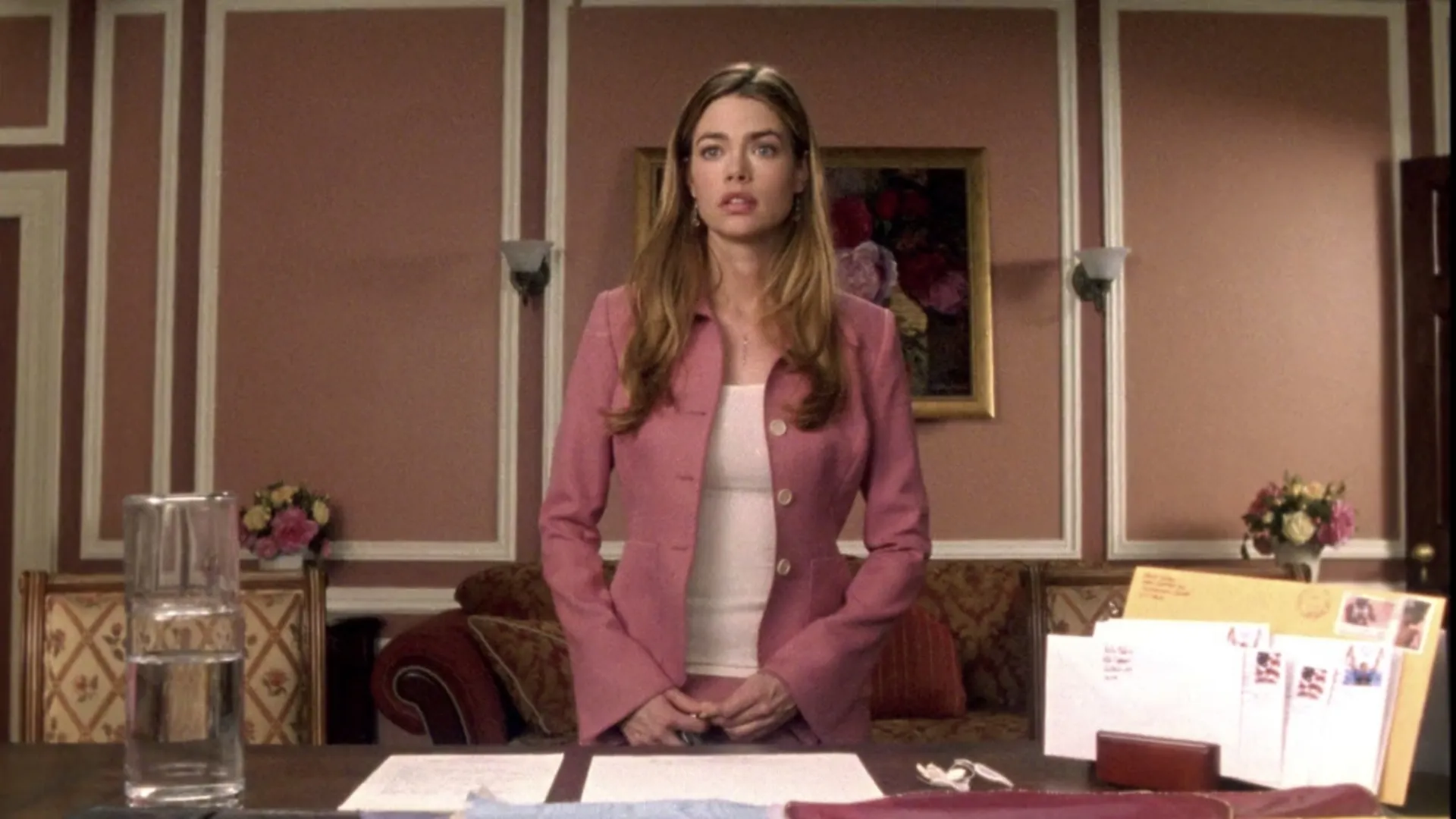
I Do (But I Don’t) (2004) — Lauren Crandall
(Source: IMDb)
In this Lifetime romantic comedy, Richards played a wedding planner navigating love and life’s missteps. It showcased her ability to carry a lead in made‑for‑TV movies, a medium where she often found steady work and connected with audiences beyond theatrical screens.
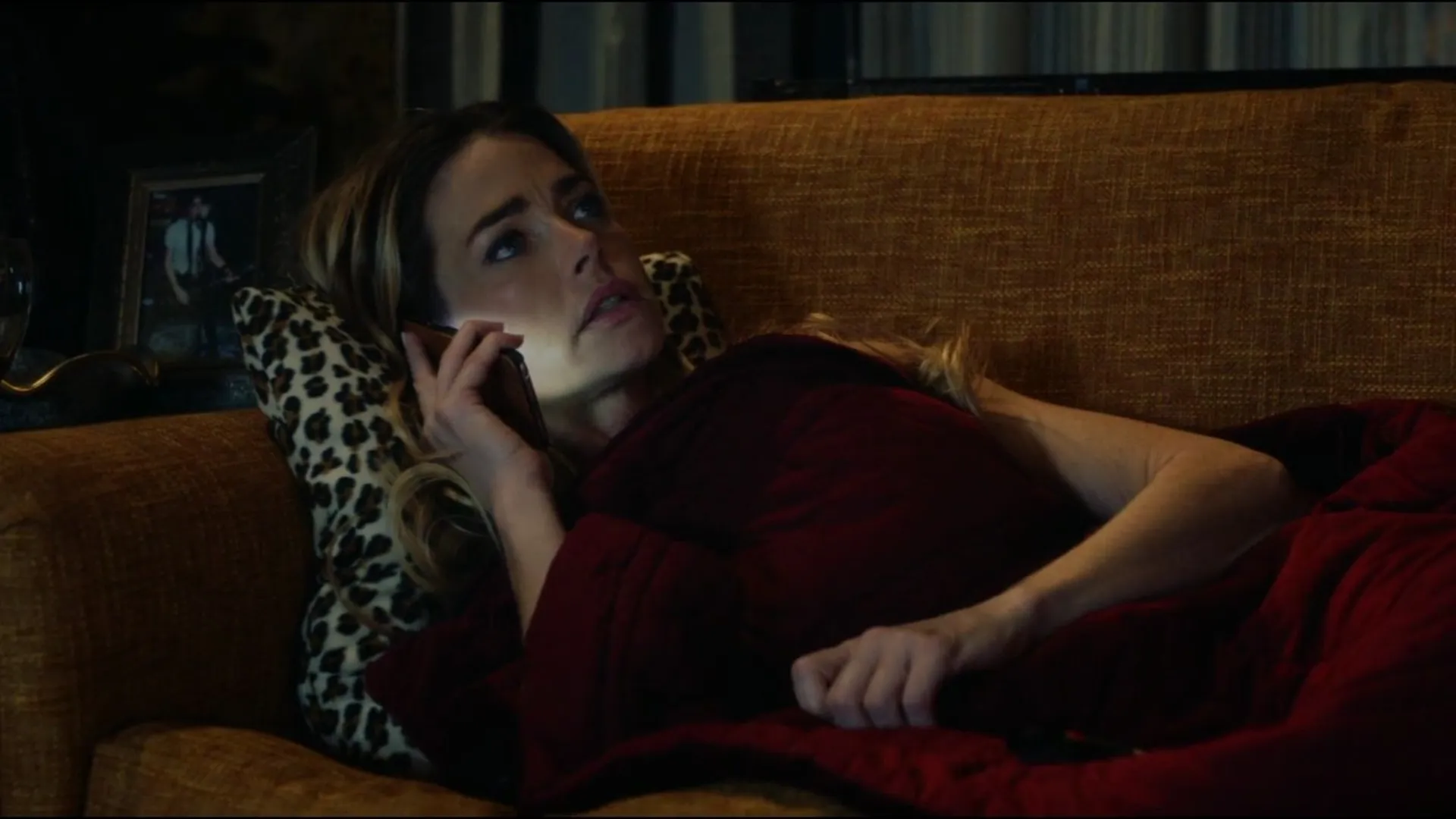
American Satan (2017) — Kat Faust
(Source: IMDb)
Representing a later phase of her career, this rock‑oriented drama cast Richards opposite Andy Biersack in a gritty narrative about ambitions, fame, and moral cost. Her role leaned into edgier material and reflected her continued interest in genre and character diversity well into the 2010s.