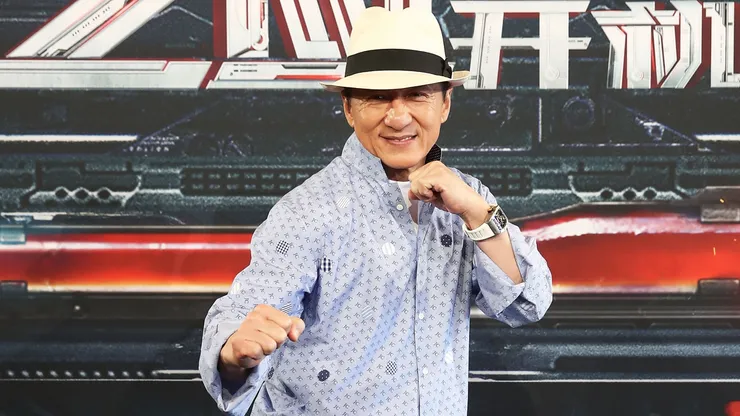
With a staggeringly prolific career spanning over six decades and more than two hundred acting credits, narrowing down his absolute best work is a monumental challenge. He completely revolutionized the action genre by flawlessly blending breathtaking, death-defying practical stunts with an infectious, Buster Keaton-inspired sense of physical comedy.
From gritty Hong Kong police thrillers to massive Hollywood buddy-cop blockbusters, his unparalleled dedication to entertaining audiences has left an indelible mark on pop culture.
To honor the legendary stuntman and actor on his special day, we are counting down the ten essential masterpieces that solidify his status as a true screen icon.
Police Story (1985)
Widely considered by both critics and the actor himself to be his ultimate masterpiece, this gritty crime thriller completely reinvented modern action cinema. Playing a dedicated Hong Kong detective framed for murder, Chan delivered an unrelenting barrage of spectacular choreography and jaw-dropping set pieces. The iconic climax in a multi-story shopping mall, featuring a terrifying, skin-burning slide down an electrified pole, remains one of the most astonishing practical stunts ever captured on film. It perfectly established his signature formula of combining intense, high-stakes combat with highly inventive, environment-based physical comedy.
Drunken Master II (1994)
Releasing in the West as The Legend of Drunken Master, this spectacular period piece represents the absolute pinnacle of traditional martial arts choreography. Reprising his role as the mischievous folk hero Wong Fei-hung, Chan utilized an innovative, staggering fighting style that required him to consume alcohol to increase his combat prowess. The extended final battle inside a fiery steel mill is frequently cited by industry experts as the greatest fight scene ever committed to celluloid. His unmatched speed, precision, and physical endurance throughout the grueling seven-minute sequence firmly cemented the picture as an untouchable genre classic.
Project A (1983)
Stepping into the director’s chair alongside his legendary Peking Opera school brothers Sammo Hung and Yuen Biao, Chan delivered a monumental, swashbuckling pirate adventure. Set in late nineteenth-century Hong Kong, the narrative perfectly balances massive nautical battles with hilarious, tightly choreographed alleyway brawls. The picture is perhaps most famous for an incredible homage to Harold Lloyd, where the star plummets from a massive clock tower through two flimsy fabric awnings. This terrifying, unharnessed freefall proved to global audiences that he was completely fearless in his pursuit of visual perfection.
Rush Hour (1998)
IMDb
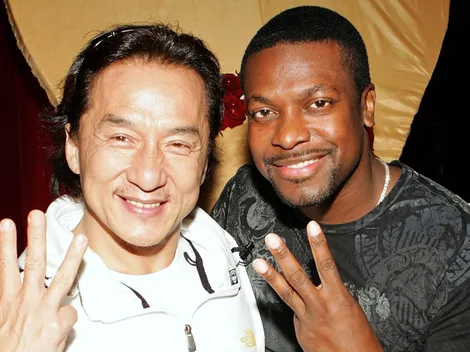
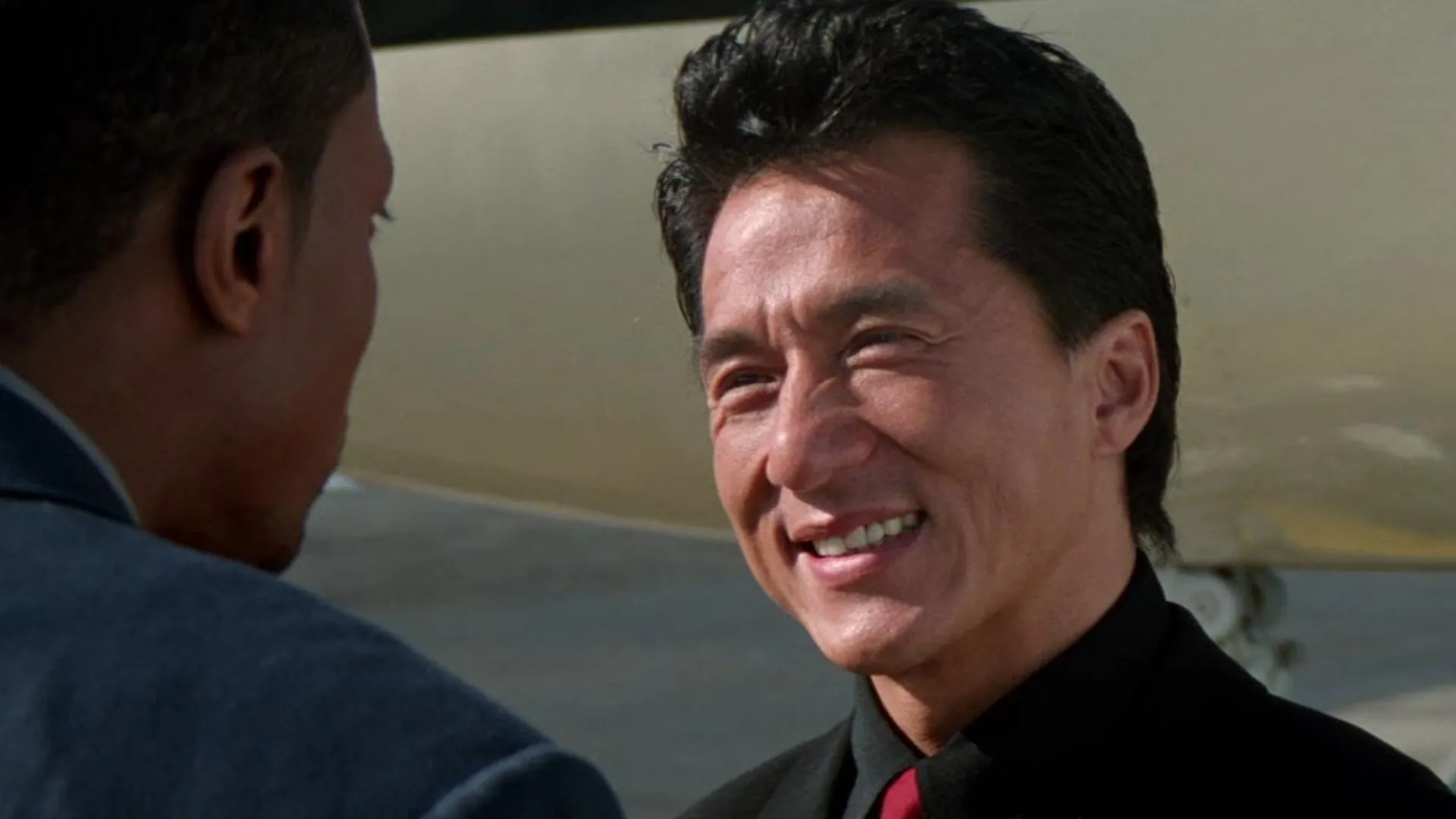
After years of dominating the Asian box office, this massive Hollywood buddy-cop comedy finally transformed the martial artist into a bonafide North American superstar. Teaming up with the incredibly loud and energetic Chris Tucker, the duo struck immediate cinematic gold by relying on their wildly contrasting personalities and brilliant comedic timing. Chan effortlessly handled the intricate action sequences, utilizing everything from steering wheels to valuable Ming vases as defensive weapons against highly armed criminals. The resulting blockbuster birthed a wildly lucrative, beloved franchise that successfully introduced his unique talents to an entirely new generation of Western moviegoers.
Rumble in the Bronx (1995)
Serving as his official, highly successful breakthrough into the mainstream American market, this Vancouver-shot thriller showcased his unparalleled agility and relentless charm. Playing a visiting martial artist who inadvertently gets tangled up with a ruthless street gang, he turns ordinary grocery stores and alleyways into spectacular cinematic playgrounds. The jaw-dropping sequence where he leaps completely unaided from a parking garage roof onto an adjacent, narrow balcony is permanently etched into action movie history. It was a perfect, high-octane introduction that finally forced Hollywood executives to take his unique brand of entertainment seriously.
Supercop (1992)
The third installment of the Police Story franchise dramatically raised the stakes by pairing the leading man with the equally fearless, incredibly talented Michelle Yeoh. The dynamic duo traveled across China and Malaysia to dismantle a massive drug syndicate, matching each other blow for blow in every single combat sequence. The spectacular finale features Chan famously dangling from a flying helicopter while Yeoh expertly lands a speeding motorcycle onto the roof of a moving train. Their incredible on-screen chemistry and shared willingness to risk their lives elevated this explosive sequel into a monumental, genre-defining action epic.
Armour of God (1986)
Fully embracing an Indiana Jones-style globe-trotting aesthetic, this exhilarating treasure-hunting adventure is infamous for nearly costing the leading star his life. A relatively simple stunt involving leaping into a tree resulted in a devastating fall and a severe skull fracture that required immediate emergency brain surgery. Despite the horrifying accident, he quickly returned to the set to finish the picture, delivering a remarkably fun, fast-paced quest to recover mystical religious artifacts. The final showdown involving a daring escape from an exploding mountain fortress remains a spectacular testament to his unwavering dedication.
Wheels on Meals (1984)
Shot entirely on location in Barcelona, this incredibly vibrant, fast-paced comedy reteamed the beloved golden trio of Chan, Yuen Biao, and Sammo Hung. Following two happy-go-lucky food truck operators who suddenly find themselves protecting a beautiful pickpocket, the film is absolutely packed with highly inventive vehicular stunts and slapstick humor. However, its greatest legacy is the brutal, masterful final showdown between the protagonist and real-life kickboxing champion Benny “The Jet” Urquidez. Their lightning-fast, impeccably timed cinematic duel is widely regarded by fans as one of the most technically perfect hand-to-hand fights ever filmed.
Snake in the Eagle’s Shadow (1978)
Directed by legendary choreographer Yuen Woo-ping, this highly influential martial arts comedy officially birthed the actor’s signature blend of humor and kung fu. Rather than playing a stoic, infallible warrior, he portrayed a heavily abused, goofy janitor who secretly learns a masterful fighting technique from an eccentric beggar. The brilliant shift allowed him to inject brilliant physical comedy into the rigorous training montages, completely changing the tone of standard martial arts cinema. This massive commercial success laid the necessary groundwork for his subsequent breakout hits, permanently defining his unique screen persona.
Who Am I? (1998)
Co-directing this amnesia-driven espionage thriller, the action star fully leaned into breathtaking, massive-scale practical stunts set against gorgeous international backdrops. After surviving a helicopter crash in the South African wilderness, his highly trained operative must piece together his identity while evading heavily armed assassins. The film famously culminates with an incredibly terrifying, continuous slide down the severely angled glass exterior of the Willemswerf building in Rotterdam. It is a stunning, vertigo-inducing display of absolute fearlessness that perfectly encapsulates exactly why audiences have adored him for decades.