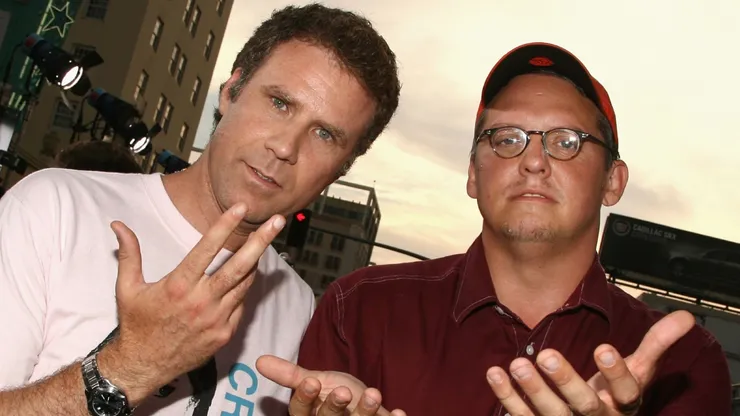
According to Deadline, citing a new Business Insider interview, the filmmaker said he would be willing to collaborate with his longtime creative partner again, years after the pair ended both their production company and professional relationship.
Adam McKay Reflects on His Split With Will Ferrell and a Possible Reunion
McKay and Ferrell were responsible for some of the defining studio comedies of the 2000s, including “Anchorman,” “Talladega Nights: The Ballad of Ricky Bobby,” “Step Brothers,” “The Other Guys,” and “Anchorman 2.” Beyond those films, they also built Gary Sanchez Productions and co-founded Funny or Die before their partnership came to an end in 2019.
Looking back, McKay insisted there is no lingering resentment on his end. “I totally have been open to the idea,” he said about working with Ferrell again. Calling their partnership a successful one, he added, “We always got along great, we were tremendous creative partners,” while maintaining that the tension only emerged when they decided to wind down Gary Sanchez.
Rather than pointing to a single dramatic incident, McKay described the company’s growth as something neither of them fully anticipated. “It’s a shame because we had a great creative partnership,” he said, explaining that “both of us underestimated the complications” of running a successful production company for so many years.
McKay suggested that their careers naturally pulled them in different directions. While he wanted to continue expanding as a producer, Ferrell had grown tired of the additional responsibilities that came with managing a major company. “It had become too much extra work; it was never his passion,” McKay recalled, adding that the different demands of being a movie star versus a writer-director ultimately led them to “split up.”
The pair’s breakup became one of Hollywood’s most talked-about creative divorces, with reports at the time linking the fallout to both the closure of Gary Sanchez and disagreements surrounding HBO’s “Winning Time: The Rise of the Lakers Dynasty.” Although McKay did not revisit those details in his latest comments, his remarks leave open the possibility that one of modern comedy’s most influential partnerships may not be finished after all.