In Hollywood, landing a franchise film is often treated as the ultimate career prize, complete with massive budgets, global audiences, and built-in cultural relevance. Yet not every filmmaker sees long-term security in shared universes, studio mandates, or endless sequels. Creative differences, burnout, clashes over control, and shifting personal priorities have led several high-profile directors to part ways with projects that many would never consider leaving. Here are 20 directors who departed major franchises.
Edgar Wright — Ant-Man
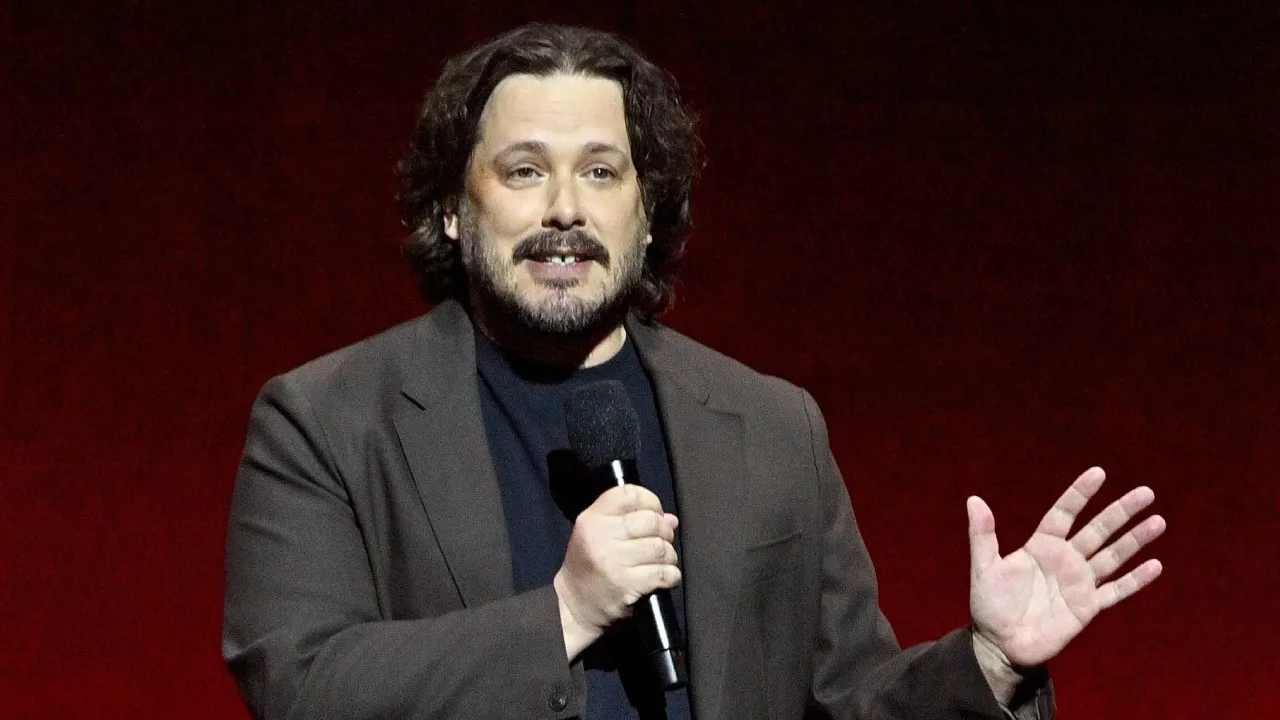
Edgar Wright spent nearly a decade developing Ant-Man before exiting the project just weeks before filming began. Creative differences with Marvel Studios reportedly centered on tone and control, as the studio moved toward tighter integration within the MCU. His departure marked one of the earliest public signs of friction between auteur directors and franchise filmmaking.
Patty Jenkins — Thor: The Dark World
Patty Jenkins was originally attached to direct Marvel’s Thor sequel but left over creative disagreements with the studio. She was later replaced by Alan Taylor, while Jenkins went on to find massive success with Wonder Woman. In hindsight, her exit reshaped her career far more than the franchise she left behind.
Colin Trevorrow — Star Wars: Episode IX
Colin Trevorrow was announced as the director of Star Wars: Episode IX before parting ways with Lucasfilm due to creative differences. The film ultimately went to J.J. Abrams, leading to a very different conclusion to the sequel trilogy. Trevorrow later revealed elements of his abandoned vision, fueling ongoing fan debate.
Phil Lord & Christopher Miller — Solo: A Star Wars Story
Midway through production, Phil Lord and Christopher Miller were removed from Solo over tonal clashes with Lucasfilm. Their improvisational style reportedly conflicted with the studio’s expectations for the Star Wars brand. Ron Howard was brought in to reshoot large portions of the film, making the change unusually visible.
Danny Boyle — No Time to Die
Danny Boyle exited the James Bond franchise after stepping away from No Time to Die, citing creative differences with producers. His departure led to Cary Joji Fukunaga taking over the project, which was significantly reworked before release. The move underscored how even long-running franchises can be rigid about their creative boundaries.
Ava DuVernay — Black Panther
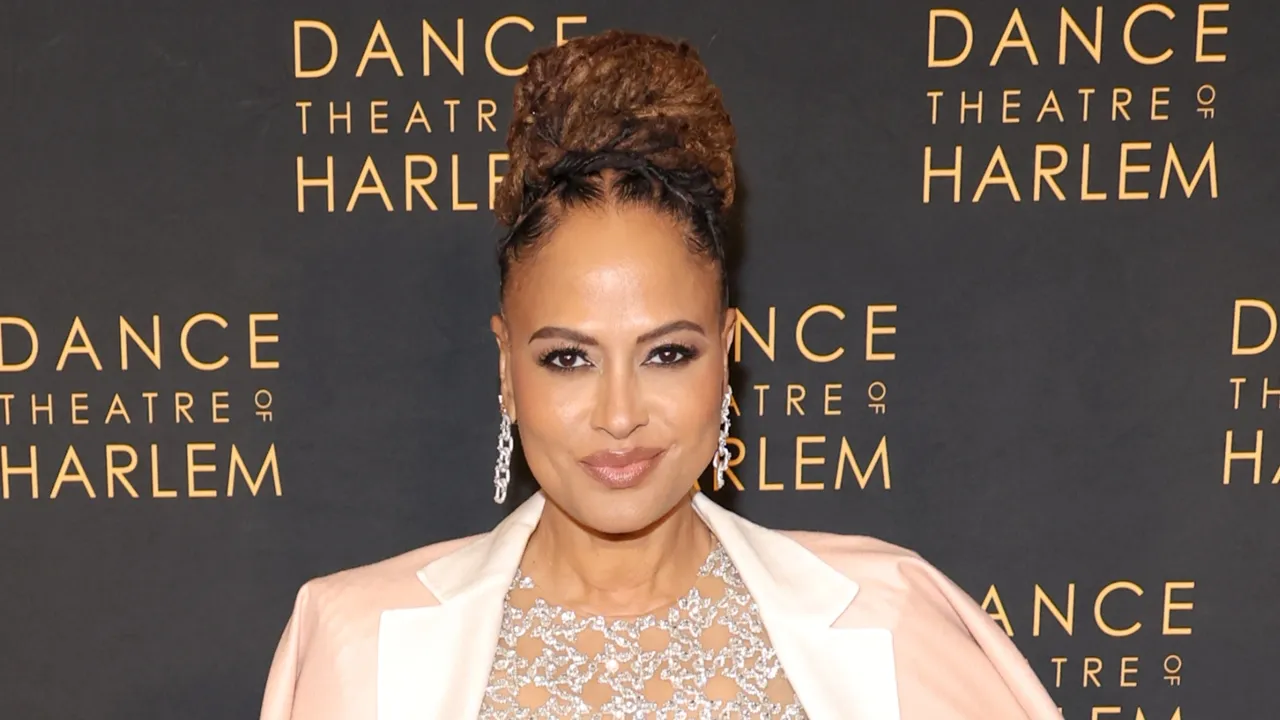
Ava DuVernay was approached by Marvel Studios to direct Black Panther but ultimately chose not to move forward after meetings about the project. She later explained that she didn’t feel the film would fully be “her movie” under the studio’s constraints. Ryan Coogler eventually took the helm, delivering one of Marvel’s most culturally significant hits.
Brad Bird — Mission: Impossible
Brad Bird directed Mission: Impossible – Ghost Protocol to critical and commercial acclaim but chose not to continue with the franchise. Rather than return, he pursued other projects, including Tomorrowland. The series moved forward with Christopher McQuarrie, who would go on to redefine its long-term direction.
Tim Burton — Batman
After redefining the Caped Crusader with two films, Tim Burton chose not to return for Batman Forever. Creative differences and a shift toward a lighter, more toy-friendly tone pushed the franchise in a new direction. His departure marked a clear tonal break that audiences immediately noticed.
Guillermo del Toro — The Hobbit
Guillermo del Toro spent years developing The Hobbit films before leaving the project due to mounting delays and scheduling conflicts. When Peter Jackson stepped in to direct, the franchise took on a very different tone and scale. Del Toro’s exit remains one of the most discussed “what ifs” in modern fantasy cinema.
Ben Affleck — The Batman
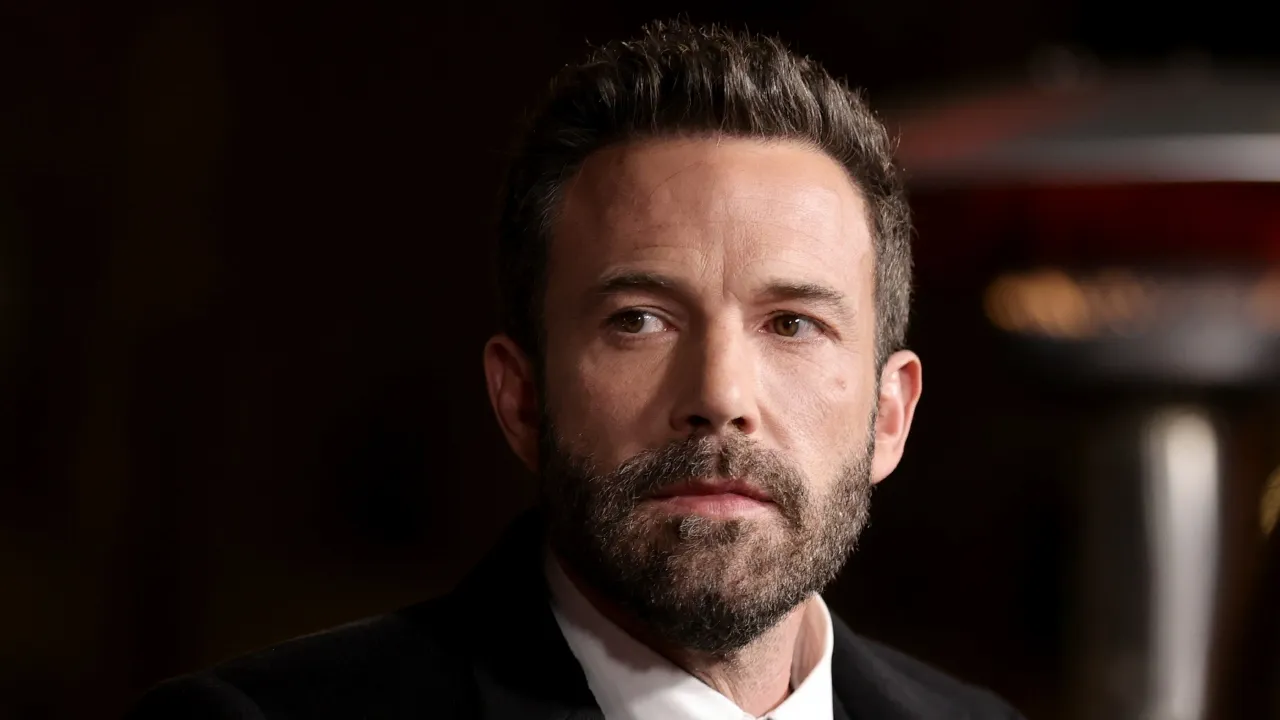
Ben Affleck was originally set to write, direct, and star in a standalone Batman film within the DC universe. He later stepped away from directing duties, citing the pressure of balancing such a massive project with personal struggles. The role eventually evolved into Matt Reeves’ The Batman, a complete tonal reset for the character.