These aren’t just critical darlings that thrive in boutique theaters; they are the indie disruptors that captured the zeitgeist, leveraged viral word-of-mouth, and transformed modest investments into staggering box office hauls.
From A24’s latest cultural phenomenons to the lo-fi horror hits that redefined the genre, we’re looking at ten films that bypassed the studio machine to become genuine commercial juggernauts.
Everything Everywhere All at Once (2022)

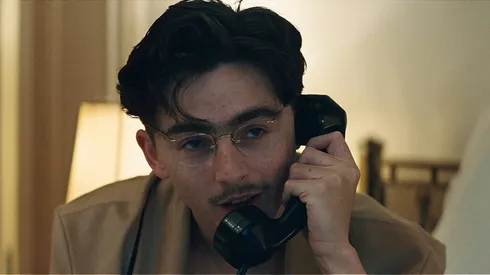
Before Chalamet’s ping-pong saga took the throne, this multiverse masterpiece was the undisputed gold standard for A24’s commercial capabilities. Directed by the Daniels, the film utilized a modest $14 million budget to craft a visual spectacle that eventually raked in over $140 million worldwide. Its journey from a limited release to a Best Picture-winning cultural juggernaut demonstrated that mainstream audiences were hungry for high-concept, original storytelling that major studios often overlook.
The Blair Witch Project (1999)
Perhaps no film better illustrates the monster box office transition than this found-footage pioneer, which cost a mere $60,000 to produce. By leveraging a revolutionary internet marketing campaign that blurred the lines between fiction and reality, it terrified its way to a $248 million global haul.
My Big Fat Greek Wedding (2002)
Nia Vardalos turned her one-woman stage show into a cinematic phenomenon that redefined the romantic comedy genre for the 21st century. With a $5 million price tag and virtually no traditional star power, the film relied on incredible word-of-mouth to stay in theaters for nearly a year. It ultimately collected $368 million, proving that specific cultural authenticity has a universal appeal capable of toppling established franchise giants.
Get Out (2017)
Jordan Peele’s directorial debut shattered the glass ceiling for independent horror by blending social commentary with visceral thrills. Produced for $4.5 million, the film’s sharp script and impeccable pacing resonated so deeply with the zeitgeist that it crossed the $250 million mark during its theatrical run.
Slumdog Millionaire (2008)
Initially destined for a direct-to-video release after its original distributor folded, this vibrant tale from Danny Boyle became the ultimate underdog success story. The film’s infectious energy and zero-to-hero narrative helped it amass over $377 million against a $15 million investment. Its sweep of the Academy Awards served as the final validation for a project that nearly vanished before it even reached the big screen.
Paranormal Activity (2007)
Oren Peli’s micro-budget experiment took the “less is more” philosophy to its absolute financial limit, costing only $15,000 to film in his own home. After being championed by Steven Spielberg and reworked for a wider release, the movie earned a staggering $194 million. This astronomical return on investment effectively birthed a hit franchise and solidified the domestic haunting sub-genre as a permanent fixture in the Hollywood landscape.
The King’s Speech (2010)
This historical drama about King George VI’s struggle with a stammer is the ultimate example of a prestige indie outperforming summer blockbusters. Financed largely through UK and Australian grants for just $15 million, it avoided the typical dry period-piece tropes by focusing on the intimate bond between a king and his therapist. It didn’t just win Best Picture; it became a global titan, grossing $427 million and proving that sophisticated, adult-oriented stories could command the same box office gravity as a superhero origin story.
Pulp Fiction (1994)
Quentin Tarantino’s non-linear neo-noir didn’t just influence a generation of filmmakers; it was a massive financial hit that proved cool could be profitable. With an $8 million budget—a large portion of which went to the cast—the film grossed over $213 million and became a permanent fixture of pop culture.
Juno (2007)
This quirky, dialogue-driven dramedy turned a $7 million budget into a $232 million victory for Fox Searchlight. Powered by Diablo Cody’s unique linguistic style and a breakthrough performance by Elliot Page, the film tapped into a specific indie aesthetic that became a massive commercial trend.
The Passion of the Christ (2004)
Mel Gibson’s self-funded religious epic remains one of the most successful independent ventures in history, regardless of its polarizing nature. Without the backing of a major studio for distribution, the film utilized targeted grassroots marketing to earn over $611 million worldwide. It fundamentally changed how Hollywood views the faith-based market, proving that independent financing can lead to some of the highest-grossing returns ever recorded.