Every holiday season, the same debate resurfaces like clockwork: which pictures genuinely qualify as Christmas classics, and which ones are just riding the festive wave? While some films are unambiguously tied to the holiday, others feature Christmas merely as a backdrop—yet inspire fierce loyalty from fans who insist they belong on every December watchlist.
From unlikely action thrillers to unconventional dramas and comedies, these titles sit squarely in the gray area, fueling endless discussions at family gatherings and online. Here are the 10 most hotly debated Christmas movies that continue to divideviewers year after year.
Die Hard (1988)

This is the movie that arguably started the entire “Is it a Christmas movie?” debate. Proponents point out that the entire plot takes place during a Christmas Eve party at the Nakatomi Plaza, features constant Christmas music, and revolves around a man trying to reunite with his estranged family for the holiday. Opponents argue that its focus on intense action, terrorism, and an almost complete lack of traditional Christmas cheer makes it a pure action thriller that merely uses the holiday as a backdrop for its setting and timeframe.
The Nightmare Before Christmas (1993)
This film is a truly unique case, as its central conflict is literally about Christmas. Jack Skellington, the King of Halloween Town, discovers and attempts to take over Christmas. While it is titled “The Nightmare Before Christmas” and features Santa Claus, its dominant aesthetic—the dark, gothic, and slightly macabre stop-motion animation—leads many viewers to claim it as a quintessential Halloween film. The argument centers on whether the subject matter (Christmas) or the mood/tone (gothic fantasy) should determine its genre.
Gremlins (1984)
The entire inciting incident of this film is the acquisition of a mysterious creature, Gizmo, as a Christmas gift. The ensuing chaos and mischief unfold against a backdrop of snowy streets, Christmas lights, and caroling (before the Gremlins take over). Despite the pervasive festive setting, its blend of dark comedy, practical effects horror, and genuinely scary creature mayhem makes it unsuitable for younger audiences and leads traditionalists to disqualify it from the wholesome holiday film canon.
Lethal Weapon (1987)
This film is one of several popular action movies set at Christmas by writer Shane Black. It establishes the holiday immediately, opening with Christmas music and featuring a tense confrontation in a Christmas tree lot. Like “Die Hard,” the core of the film is a buddy-cop thriller focused on a serious drug conspiracy and heavy violence. The question is whether the repeated visual and auditory cues of the holiday season elevate it beyond a simple seasonal setting into a true Christmas story.
Batman Returns (1992)
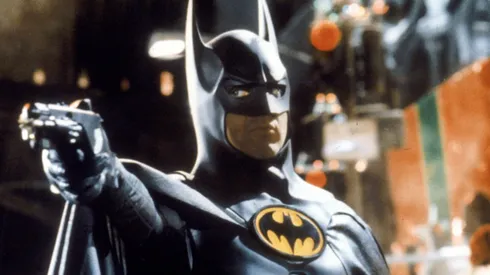
Directed by Tim Burton, the film is lavishly set against a stark, snowy Gotham City during the Christmas season. It includes a key scene with a public Christmas tree lighting ceremony and holiday balls. However, the film’s dark and bizarre tone, its focus on psychologically complex villains like the Penguin and Catwoman, and its highly stylized violence argue against its inclusion. For many, the festive decorations serve more as a visually ironic contrast to the story’s grim nature.
Trading Places (1983)
This classic comedy is definitely a holiday-themed film, beginning around Christmas and concluding on New Year’s Eve. Key scenes involve a chaotic Christmas party and Dan Aykroyd dressing as a distressed Santa Claus. Proponents argue that its central plot—a high-stakes experiment involving themes of redemption, class reversal, and goodwill—perfectly aligns with the spirit of Christmas generosity and change, regardless of its R-rated humor and focus on Wall Street.
Kiss Kiss Bang Bang (2005)
Another entry from writer/director Shane Black, this neo-noir detective comedy is explicitly set in Los Angeles during Christmas. Black uses Christmas decorations and themes throughout the dialogue and plot, but the movie is R-rated, cynical, and deeply rooted in the mystery genre. The argument here is whether the holiday setting is used as an integral part of the narrative’s irony, or if its dark, meta-commentary on Hollywood and crime overshadows any holiday classification entirely.
Edward Scissorhands (1990)
While the movie’s main plot is a dark fairy tale about an outsider, its most famous and evocative sequence takes place around Christmas. Edward creates a stunning ice sculpture, and the flakes of ice he carves fall as snow over the neighborhood—a powerful symbol of his creativity and ultimate loss. This iconic scene provides the quintessential wintery, wistful aesthetic that many associate with the deeper, more melancholic side of the holiday season, even if the primary storyline is non-Christmas focused.
Eyes Wide Shut (1999)
Stanley Kubrick’s final and most psychologically intense film is explicitly set over the Christmas and New Year period in New York, with many scenes featuring meticulously decorated backgrounds. The debate stems from the film’s dark, unsettling, and sexually charged plot, which is antithetical to the warm, family-friendly mood of traditional Christmas viewing. For those who argue for its inclusion, the holiday setting acts as a stark, ironic contrast, underscoring the secrets hidden beneath a seemingly perfect surface.
Iron Man 3 (2013)
Yet another film from Shane Black (co-written and directed by him), this blockbuster superhero movie takes place during the Christmas season, with Tony Stark dealing with his trauma amidst holiday decorations. For many fans, the prevalence of the holiday setting is sufficient, offering a specific timeframe and a slightly more intimate feel to the action. However, critics argue that the movie is overwhelmingly an Avengers-universe action film where the Christmas setting is merely window dressing, lacking any thematic connection to the holiday itself.