In an era where blockbuster writing is often dismissed as secondary to visual scale, Drew Goddard is pushing back on that narrative. The Oscar-nominated writer behind “The Martian” and hits like “The Cabin in the Woods” and “Daredevil,” Goddard has built a career blending high-concept storytelling with character-driven stakes.
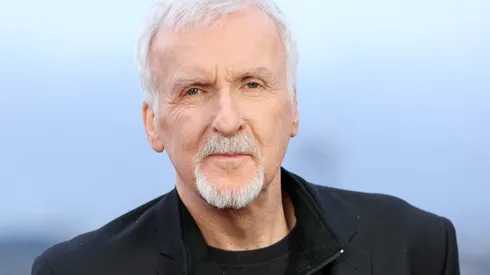
Speaking to Variety while promoting “Project Hail Mary,” he made a pointed case for reassessing the work of James Cameron, suggesting the criticism aimed at his scripts overlooks what makes them endure.
Drew Goddard Reframes the Case for James Cameron’s Storytelling
Cameron’s films have long been lightning rods for debate, even as they dominate the box office. Critics have frequently taken aim at what they see as blunt dialogue, familiar story frameworks, and characters that serve spectacle more than psychological depth.
Others have pointed to heavy exposition or broader thematic issues, including the oft-cited “white savior” dynamic in “Avatar.” The tension between critical skepticism and commercial appeal has become a defining feature of Cameron’s reputation.
Goddard, for his part, cited the director as an influence on his work on “Project Hail Mary” and praised his craft. “From my point of view, for big event movies, there’s nobody better at structure,” he said, emphasizing that Cameron’s storytelling works because it is built on clear emotional stakes rather than narrative complexity for its own sake.

To underline that point, he broke down the mechanics of Cameron’s films in simple terms. Referencing “Titanic,” he noted, “We meet two kids, they fall in love, we root for them, the ship hits the iceberg, right?” He drew a parallel with “The Abyss,” describing it as “a couple trying to put their marriage back together when they encounter this fantastic thing.” In both cases, he added, “both these movies are about two individuals dealing with these big emotional things in the middle of wildly complicated situations.“
When the interviewer stated that Cameron’s writing “gets knocked a lot,” Drew Goddard response was direct. “It does, but unfairly,” he said, arguing that the filmmaker’s scripts are often judged on the wrong criteria. He pointed to “The Terminator” as a prime example of what gets overlooked. “It’s a profoundly emotional film. It’s not just about a robot who shows up to kill people. It’s about this woman and how she deals with this chaos.”
The defense aligns closely with Cameron’s own long-held stance that accessibility and emotional immediacy are strengths, not shortcomings. For Goddard, who is navigating similar terrain with “Project Hail Mary,” the lesson is clear. The scale may draw audiences in, but it is the simplicity of human stakes that keeps them invested, even if that simplicity continues to divide critics.