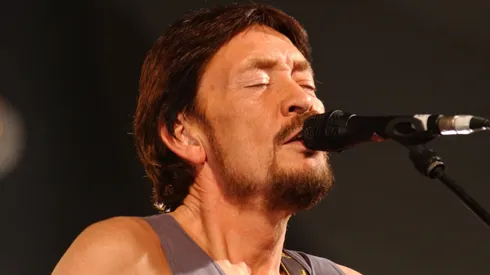
Chris Rea died in hospital on December 22, at the age of 74, following a short illness, closing the chapter on a career defined by grit, warmth, and an unmistakable voice. Over five decades, Rea carved out a unique place in British music with his blues-inflected sound and deeply personal songwriting, earning a loyal following that spanned generations. While many of his songs explored hard roads and hard truths, one track in particular came to symbolize something gentler and more universal — a feeling rooted in winter, traffic, and the simple longing to get home.
How a Winter Journey Became a Christmas Classic
According to Chris Rea in interviews with BBC Radio 4 and later with The Guardian, the origins of the song go back to 1978, during a difficult period in his career. Recently out of contract and unable to afford a train ticket home from Abbey Road Studios, Rea and his wife set off for Middlesbrough in her Austin Mini, crawling through traffic as snow began to fall. Watching the weary expressions of fellow drivers, he jokingly started singing the opening line and began writing lyrics whenever passing streetlights illuminated the car.
Rea later told The Guardian that he never set out to write a Christmas song, describing it instead as a car version of a carol. The lyrics were observational and understated, focused on mood rather than celebration, and he even admitted that he originally hoped Van Morrison might record it. For years, the words existed without a proper musical home, waiting for the right moment.
That moment arrived much later when Rea was experimenting on piano with longtime collaborator Max Middleton. As Rea explained in interviews, an improvised jazz influenced melody suddenly fit the old lyrics perfectly. Initially released as a B side in 1986, the song was later re recorded with strings, with Middleton’s distinctive intro helping shape what Rea described as a classic 1950s style Christmas arrangement.
Despite its growing popularity, Rea avoided performing the song live for decades. He told The Guardian that he finally gave in during a December 2014 concert at London’s Hammersmith Odeon, where he decided to stage it properly by covering the venue in artificial snow. The performance turned the once reluctant track into a celebratory moment, cementing a song born of frustration and cold roads as one of the most quietly cherished Christmas standards.