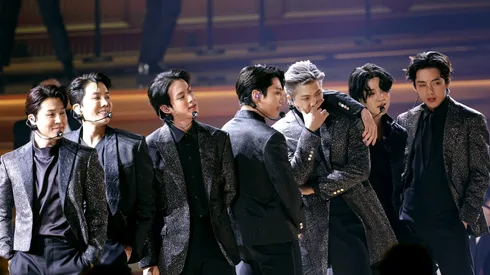
BTS is easing back into global dominance with the same precision that defined their pre-hiatus peak, and now the conversation is shifting toward where that momentum could take them next.
In a recent conversation with The Rolling Stone, the group reflected on their return, their new era, and the increasingly global shape of pop culture in the post-hiatus landscape, including the Super Bowl halftime stage that has long hovered at the edge of speculation for them.
BTS Reopens The Super Bowl Conversation
After years away fulfilling mandatory military service and pursuing solo work, BTS have returned with a tightly coordinated comeback cycle that has already reestablished them at the center of global pop music. Their 2026 studio album Arirang, released March 20, arrived alongside an ambitious worldwide rollout and a 2026–2027 tour spanning dozens of cities.
In the interview, the group expressed admiration for Bad Bunny’s recent performance on the NFL’s biggest stage, pointing to how moments like that continue to reshape expectations for non-English acts in global broadcast events. “We can’t do it unless we’re invited,” Jimin said, framing the idea of a Super Bowl performance as something aspirational but still dependent on the industry’s gatekeepers.
Jin was more openly imaginative about the possibility, describing how he already envisions what such a performance could look like if it were to happen. Meanwhile, RM grounded the discussion in a longer view of cultural change, noting, “It’s possible, if time passes and people’s mindsets change. Everyone is watching Parasite and all these wonderful things about Korean culture, so if the opportunity arises, we would definitely want to do it someday.”
For BTS, the Super Bowl is not positioned as an immediate goal but as part of a broader trajectory that has defined their post-hiatus chapter: sustained global expansion, record-breaking streaming events, and a tour designed to stretch across continents through 2027.
With Arirang already topping charts and their Netflix-backed comeback concert drawing massive international viewership, the group’s return is less a comeback than a reaffirmation of scale, and the Super Bowl question now feels less hypothetical than simply a matter of timing and invitation.