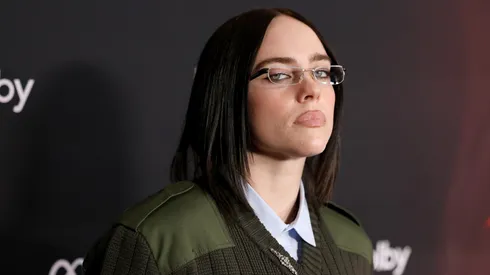
In a recent conversation with Elle, the singer reflected on how her fashion choices grew out of a difficult period shaped by body image struggles and a search for control over how she was perceived.
Billie Eilish and the Personal Story Behind Her Oversized Style
Eilish described her early bond with herself in stark terms, saying she had a “really, really toxic relationship with my body” and dealt with eating issues during that time. The now-signature baggy clothing, she explained, was not initially about making a statement, but about finding a sense of ease. “I remember putting on, like, a big shirt and the relief that I felt,” she said.
That instinct eventually became intertwined with broader influences. Eilish pointed to her connection to hip-hop culture and “wanting to be a man” as part of the equation, while also acknowledging a more complicated internal dynamic. “I didn’t want to be seen as feminine, and therefore weak,” she said, adding, “This is the misogyny that we all have within us.”
Her wardrobe has long been a focal point of public discussion, from early red carpet appearances built around oversized streetwear to later pivots that challenged expectations. In 2019, she addressed the scrutiny directly in a Calvin Klein campaign, explaining that loose clothing allowed her to avoid being judged on her body, a stance she later expanded on in her short film “Not My Responsibility.”
In recent years, Eilish has experimented more openly with contrasting aesthetics, including a high-profile British Vogue cover and a classic Hollywood-inspired look at the 2021 Met Gala. Even so, she suggested that her relationship with self-image has evolved beyond the mindset that once shaped those early choices. “It’s not right,” she said of her past thinking, before adding, “I’ve found a good way of not feeling like that.”