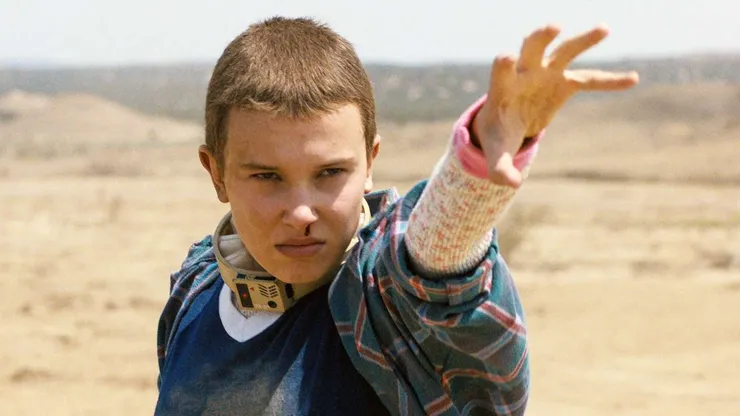
According to Deadline, new research from Ampere Analysis found that the average gap between seasons of scripted streaming originals climbed from 12 months in 2020 to 21 months in 2025, a dramatic shift that the firm describes as the “Stranger Things effect.”
The report points to blockbuster titles such as the Netflix sci-fi hit, “Wednesday,” and Apple TV+ hit “Severance” as examples of how streamers are turning long delays into part of the marketing cycle.
Why Streaming Platforms Are Stretching the Wait Between Seasons
A decade ago, audiences were accustomed to seeing new seasons arrive within roughly 10 months. Ampere’s data shows that timeline has steadily expanded over the years, with the sharpest jumps occurring during the pandemic and again during the Hollywood labor strikes. By 2025, the average wait between scripted seasons had reached 21 months, where it remained through the following year.
The research suggests the extended gaps are not simply the result of production slowdowns. Instead, they are increasingly tied to the way streamers position their biggest titles as large scale cultural events. Shows like “Stranger Things” have become known not only for ambitious production schedules, but also for massive promotional campaigns that can last months before a new season premieres.
Ampere found that series with waits longer than 30 months often generated the strongest premiere month engagement once they finally returned. In the case of “Stranger Things,” viewing reportedly surged by 300% during the second half of 2025 ahead of its fifth and final season. The research indicated that audiences were not only revisiting past episodes, but that entirely new viewers were discovering the show during the buildup.
Still, the strategy comes with risks for streaming services trying to hold onto subscribers between major releases. Ampere noted that more than half of surveyed U.S. consumers in early 2026 said they would consider canceling a subscription if they were not using the service frequently enough. The findings highlight the balancing act facing platforms as they attempt to maintain excitement around premium titles while also keeping viewers engaged year round.