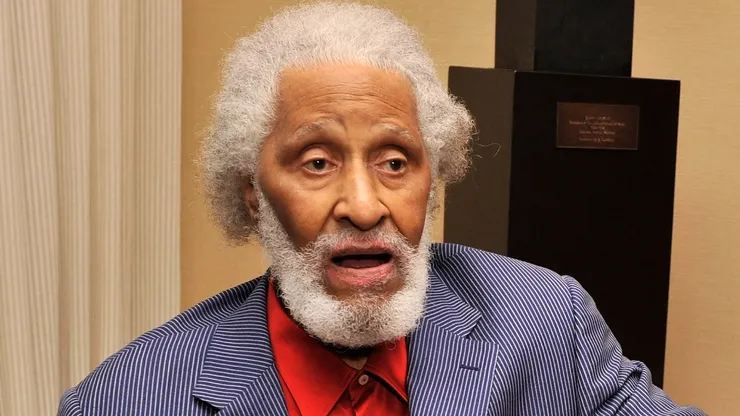
According to reports published following a statement from his family, Sonny Rollins died at his home in Woodstock on May 25 at the age of 95. Widely regarded as one of the most influential saxophonists in jazz history, Rollins built a career defined by fearless improvisation, constant reinvention, and landmark recordings that helped shape the sound of modern jazz.
The Jazz World Loses a Defining Voice
Born in New York City in 1930, Rollins emerged during a transformative era for jazz, performing alongside some of the genre’s most influential figures while still in his twenties. His early collaborations with artists including Miles Davis and Thelonious Monk quickly established him as one of the most adventurous voices in bebop. By the mid 1950s, albums such as Saxophone Colossus had cemented his reputation as a defining force in modern jazz.
Rollins became known not only for his technical brilliance but also for the unpredictability of his performances. His solos often stretched beyond traditional structures, blending humor, spontaneity, and emotional intensity into a style that musicians spent decades trying to emulate. Tracks like “St. Thomas” and “Oleo” became staples of the jazz canon and remain widely studied by instrumentalists today.
One of the most discussed chapters of his career came in the late 1950s, when Rollins stepped away from public performance at the height of his fame. Dissatisfied with his own playing, he devoted himself to rigorous practice sessions on New York’s Williamsburg Bridge, an intensely private period that later became central to his legend. When he returned to recording and touring, critics and audiences viewed the comeback as a creative rebirth rather than a retreat.
Over the decades, Rollins continued evolving long after many of his contemporaries had slowed down. He incorporated elements of calypso, avant garde experimentation, and political commentary into his music while remaining one of jazz’s most commanding live performers.
His influence extended far beyond jazz circles, with artists across rock, classical, and contemporary music citing him as a major inspiration. Even in later years, Rollins remained an outspoken advocate for artistic independence and lifelong growth, qualities that defined a career spanning more than seventy years.