Hollywood loves a sequel, but love doesn’t always mean understanding. While many follow-ups expand their worlds and deepen their stories, others unravel the foundations that made their predecessors iconic in the first place.
These aren’t just “bad movies”—they’re turning points, where creative misfires, studio interference, or sheer overconfidence altered the trajectory of entire franchises, sometimes permanently.
The Hangover Part III (2013)
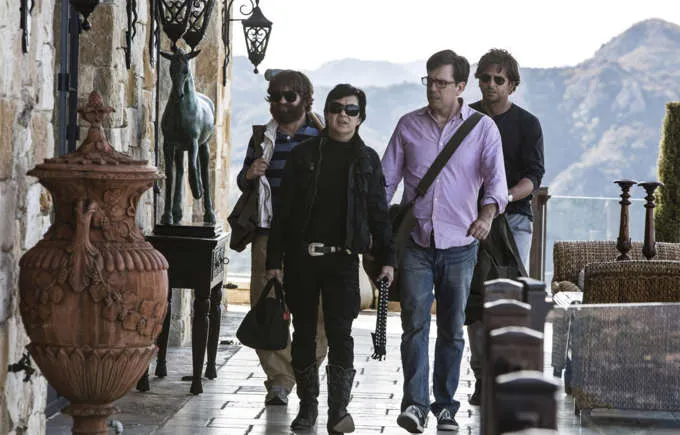
The original Hangover was a surprise hit, outrageous yet sharply written. By the third film, the formula had completely unraveled. Gone were the mystery and comedic spontaneity, replaced by dark humor and a convoluted revenge plot. The franchise, once celebrated for its clever chaos, ended with a whimper that left even diehard fans ready to move on.
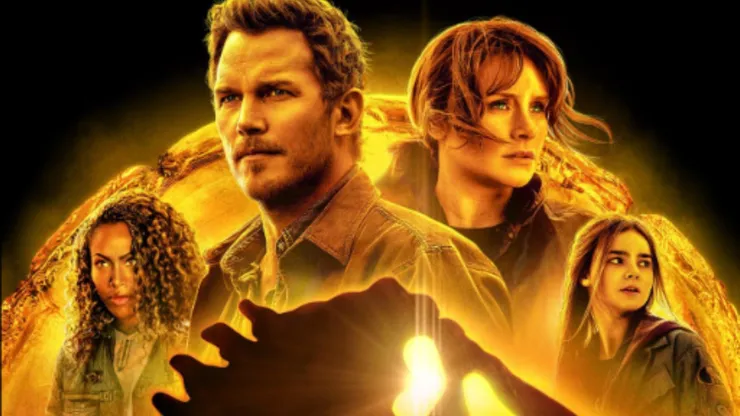
Jurassic World: Dominion (2022)
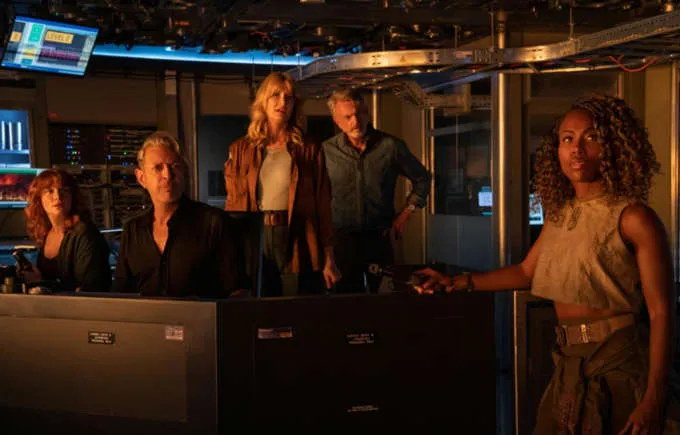
What should have been a grand finale for the Jurassic saga instead became a chaotic blend of nostalgia and noise. Despite reuniting the original cast, Dominion buried its human drama beneath overstuffed subplots and lackluster visual effects. The wonder and terror that made Jurassic Park iconic were replaced by hollow spectacle, making this entry feel like an exhausted echo rather than a roar.
Terminator Genisys (2015)
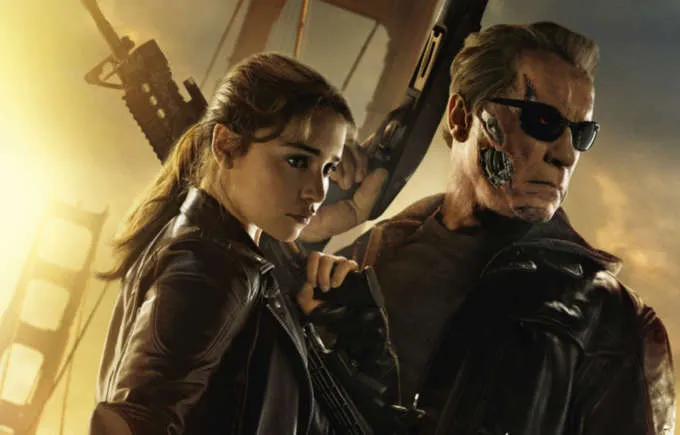
Once the The Terminator series stood as a paragon of smart sci‑fi action; this reboot/sequel hybrid regrettably muddled its own mythology. The result: a franchise whose original thematic punch — human struggle vs. machines — got buried beneath convoluted time‑travel loops and fan‑service, leaving many viewers disenchanted.
The Godfather Part III (1990)
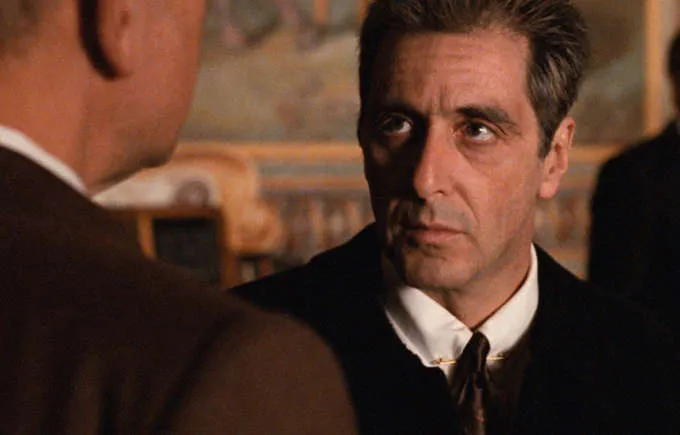
Francis Ford Coppola’s first two Godfather films are cinematic masterpieces. The third installment, however, felt unnecessary and unfocused. While it had flashes of brilliance, critics noted the absence of the emotional resonance and moral depth that defined the earlier chapters. The recasting of key roles and a plot centered on Vatican finances made for an oddly detached conclusion to one of cinema’s greatest sagas. However, if the movie was seen as a separate piece, it is good. The mistake was calling it The Godfater III.
Highlander II: The Quickening (1991)
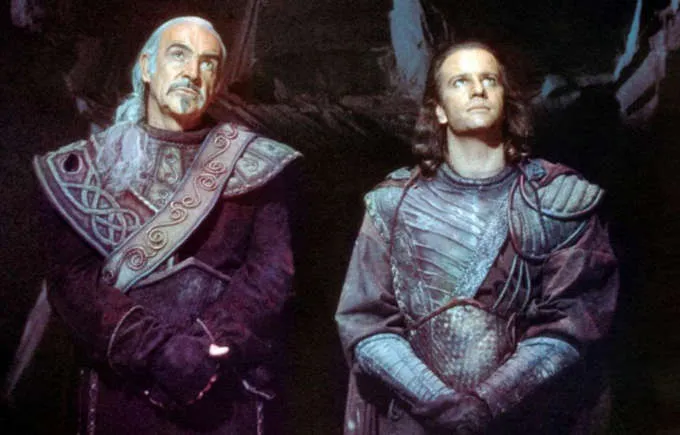
Few sequels in film history are as infamous as Highlander II. The first movie stood alone as a cult masterpiece. Then came this bizarre follow-up, rewriting its own lore to claim the immortal warriors were actually aliens. Theincoherent script, and production chaos turned a beloved fantasy into one of cinema’s great cautionary tales. Despite later “renegade” edits attempting to fix it, The Quickening remains the textbook example of how to ruin a legend.
Indiana Jones and the Kingdom of the Crystal Skull (2008)
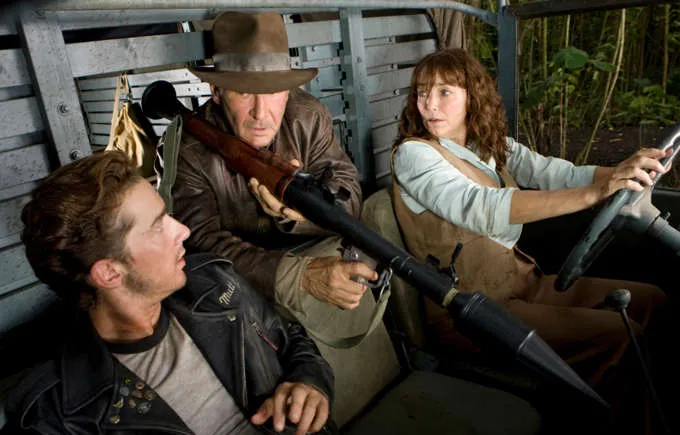
The return of Indiana Jones should have been triumphant. Instead, audiences were met with aliens, CGI overkill, and a refrigerator that somehow survived a nuclear blast. The film’s reliance on digital effects replaced the tactile, adventurous realism that defined the franchise. While nostalgic moments offered some charm, its tonal inconsistency and implausible plot marked a disappointing low point for cinema’s favorite archaeologist.
The Matrix Revolutions (2003)
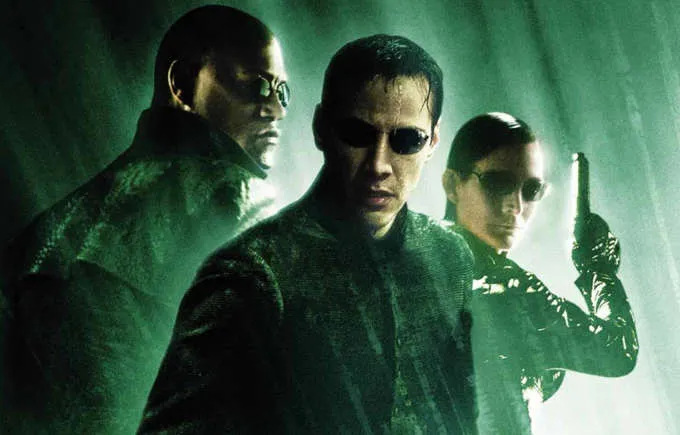
After redefining science fiction and action cinema, The Matrix trilogy stumbled to an overblown conclusion. What began as a sleek blend of philosophy and cyberpunk devolved into murky visuals, preachy dialogue, and an anticlimactic finale. The Wachowskis’ vision remained ambitious, but by the third film, the story’s philosophical weight collapsed under its own complexity, leaving fans divided over whether the saga should have ended one movie earlier.
Speed 2: Cruise Control (1997)
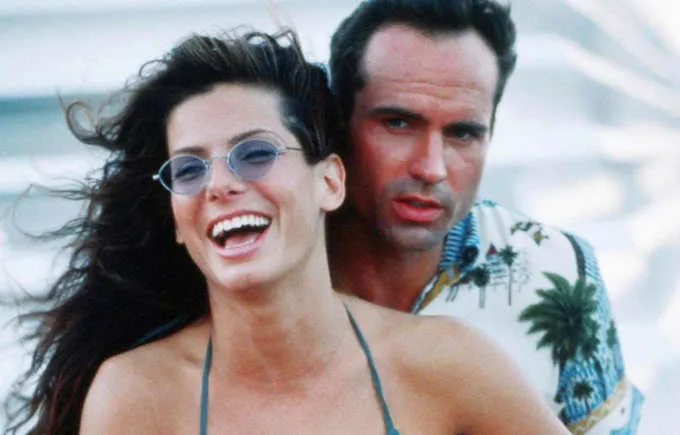
Few sequels have derailed a franchise as dramatically as Speed 2. The original was a lean, thrilling action film; its follow-up, set on a slow-moving cruise ship, was the opposite of tension. Without Keanu Reeves and weighed down by a weak script, it became a cautionary tale about stretching a simple concept beyond its limits. Even Sandra Bullock’s charm couldn’t keep the franchise afloat.
Alien: Resurrection (1997)
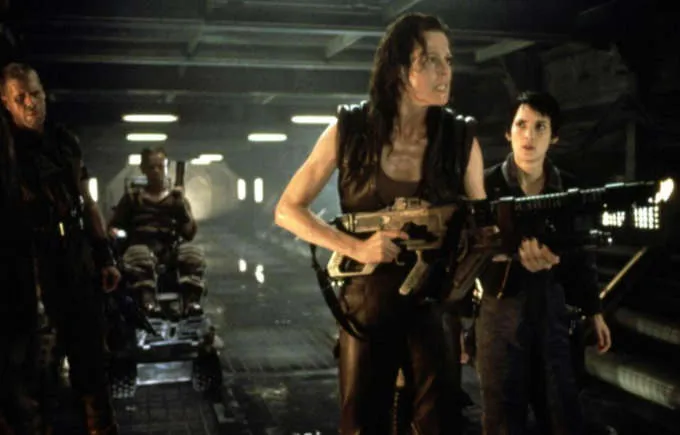
Ridley Scott’s Alien and James Cameron’s Aliens are genre-defining classics. Alien: Resurrection, on the other hand, reanimated the franchise in all the wrong ways. Its tonal confusion, bizarre genetic plot twists, and uneven direction alienated both critics and audiences. What should have been a haunting continuation became an unintentional parody of its predecessors’ brilliance.
Toy Story 4 (2019)
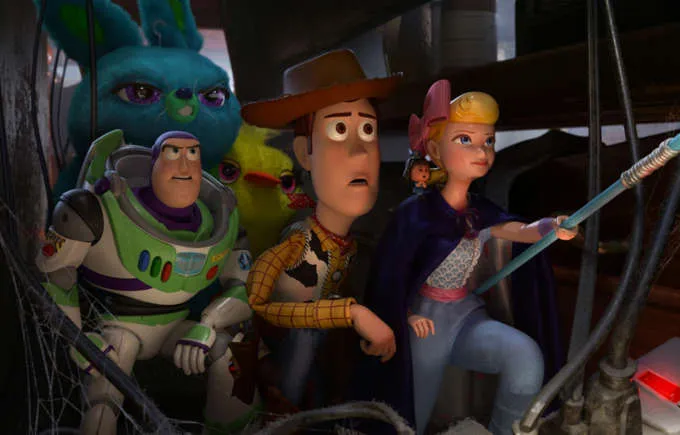
Few sequels have faced higher expectations than Toy Story 4, following a trilogy that ended on emotional perfection. While visually stunning and warmly received, many fans felt it undermined the closure Toy Story 3 had already delivered. Woody’s farewell to Andy was the ideal ending, but this follow-up reopened that wound for a story that felt more like an epilogue than a necessity. It wasn’t a disaster by any means, but in chasing one more adventure, Pixar risked dulling the power of one of the most perfect endings in animation history. Moreover, if that weren’t enough, Toy Story 5 is already in the works and scheduled for release in June 2026.
The Mummy: Tomb of the Dragon Emperor (2008)
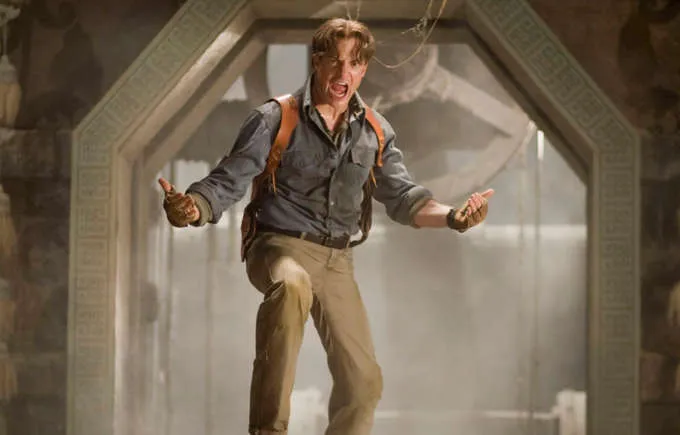
Brendan Fraser’s Mummy films were pulpy, thrilling, and fun – until this one. Moving the action from Egypt to China should have injected new energy, but instead, it felt disconnected and forced. Missing Rachel Weisz’s presence and bogged down by weak CGI, the film failed to capture the humor and adventure that made the originals so beloved.
X-Men: Dark Phoenix (2019)
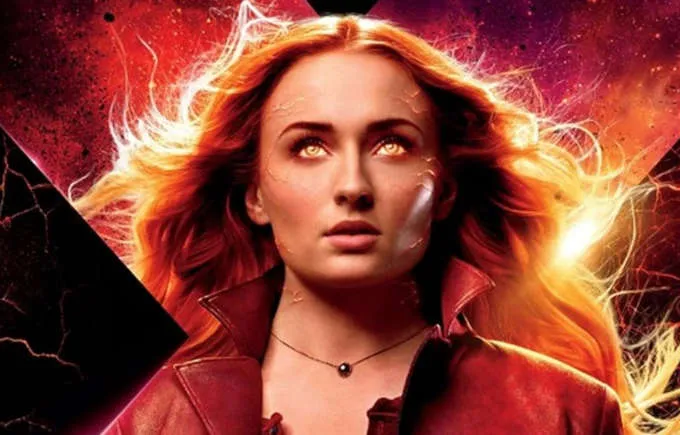
After two decades of mostly strong installments, the X-Men saga went out with a fizzle. Dark Phoenix attempted to adapt one of the most beloved comic arcs but delivered a flat, joyless spectacle. Poor pacing, muted performances, and a rushed ending erased the emotional impact the story deserved. It was a somber farewell for a franchise that had once set the standard for superhero storytelling.
The Divergent Series: Allegiant (2016)
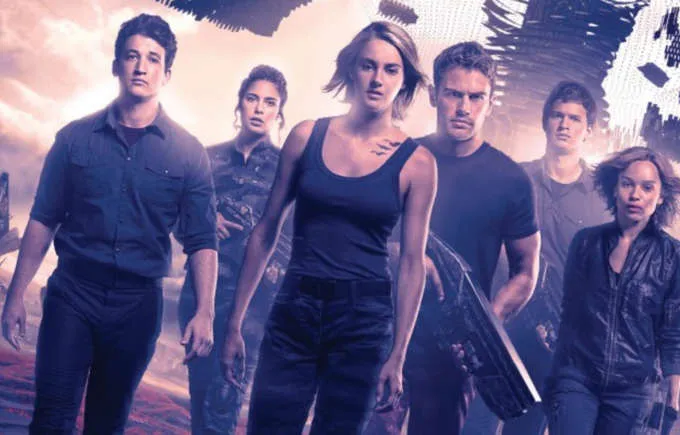
What began as a compelling young‑adult dystopian trilogy lost its narrative compass in this third instalment. Critics lambasted it with an 11% Rotten Tomatoes score, criticizing its lack of originality and the decision to split key content into multiple films. The momentum built by the earlier films dissipated, and the franchise’s thematic promise fell apart under weak execution and commercial urgency.
Shrek the Third (2007)
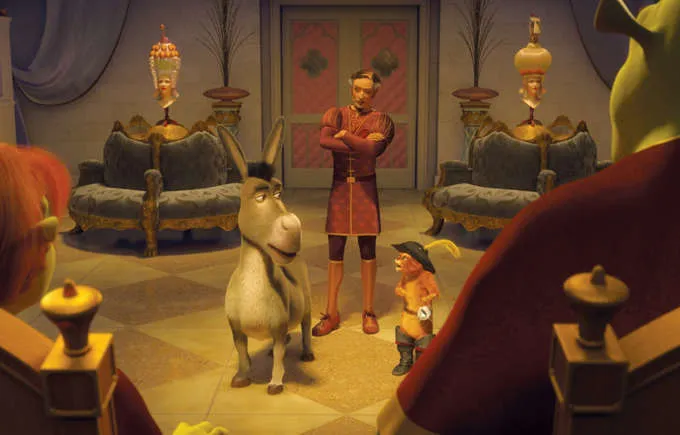
After two clever, heartwarming adventures, Shrek the Third felt like a tired imitation. The humor that once subverted fairy-tale tropes was replaced by forced jokes and a bland storyline. While it performed well commercially, its lack of creative spark signaled the franchise’s decline, proving that even animated giants can lose their magic. The fourth installment was an improvement over the third but still fell short of the charm and wit of the first two films. With Shrek 5 set for release in 2027, fans can only hope it captures more of the original magic that made the series so beloved.
Jaws: The Revenge (1987)
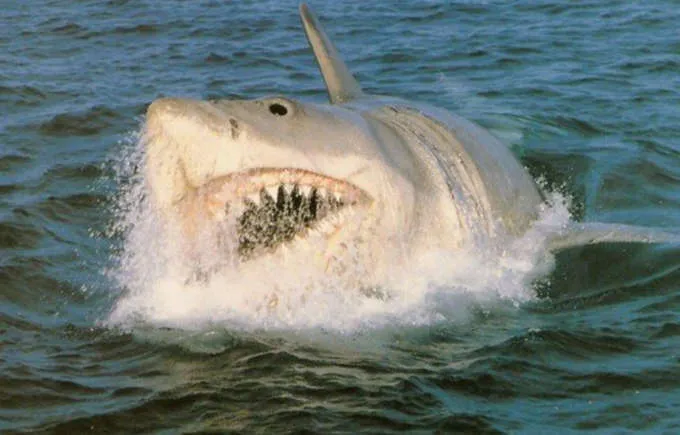
The fourth instalment of the much‑celebrated shark thriller saga took the franchise in an absurd direction — the titular shark allegedly seeks vengeance against the Brody family. Critical reaction was brutal, calling out implausible plot devices, weak effects and a rushed production. In essence, what had once been a taut, suspenseful survival story morphed into a cartoonish revenge trope, stripping away the tension and respect the original built.
Ghostbusters II (1989)
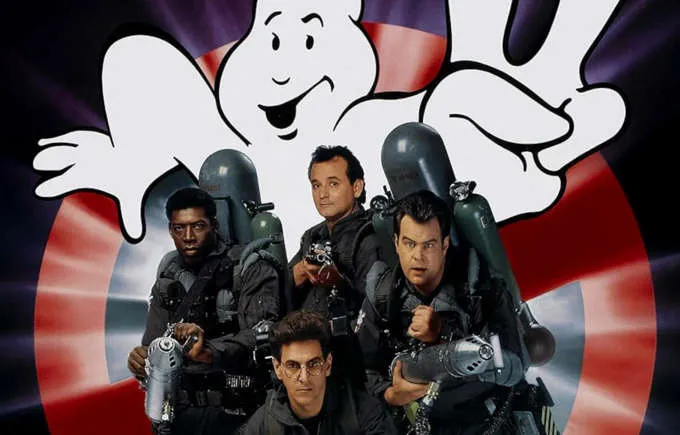
Although the original was beloved for its blend of comedy, spooks and character chemistry, the sequel failed to capture that magic again. While not universally panned, it is widely regarded as the film that “killed” the franchise’s creative impulse. Ultimately, though it remains watchable, this follow‑up undercut the original’s legacy by lacking its spark and leaving fans skeptical of any further continuation.
The Hobbit: The Battle of the Five Armies (2014)
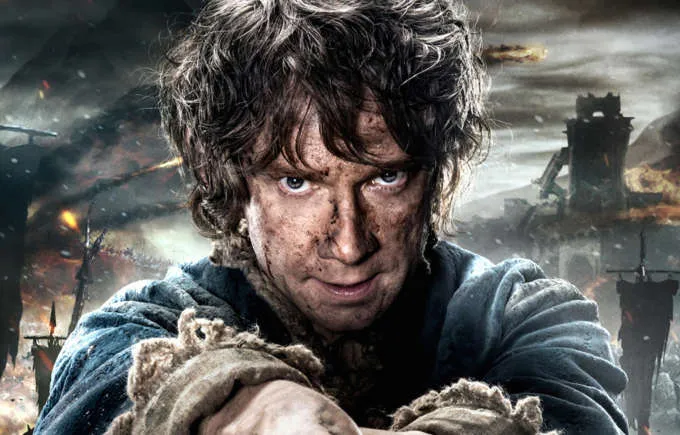
Peter Jackson’s return to Middle-earth should have been an epic crescendo, but stretching The Hobbit into three films diluted its emotional power. The final installment, while visually stunning, was weighed down by excessive CGI battles and hollow subplots. What could have been a tight, heartfelt adventure instead became an overextended spectacle that dimmed the legacy of The Lord of the Rings trilogy.
Men in Black II (2002)
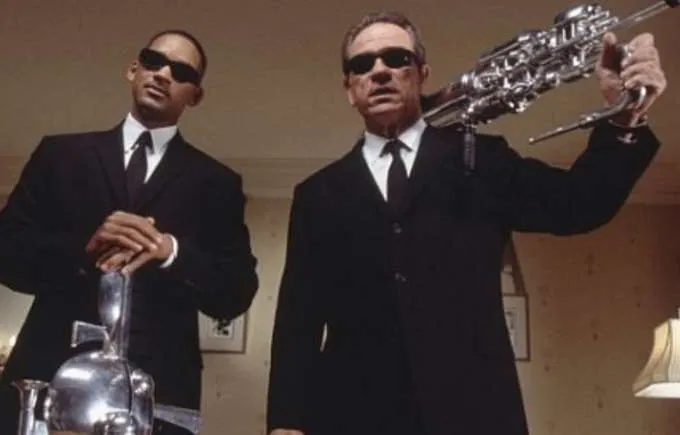
The first Men in Black balanced wit, action, and sci-fi worldbuilding effortlessly. Its sequel, however, felt formulaic and uninspired. The chemistry between Will Smith and Tommy Lee Jones remained intact, but the film recycled jokes and story beats rather than expanding its universe. Critics viewed it as a glossy retread, proving that a clever concept can only go so far without evolution or genuine surprise.
Die Hard 5: A Good Day to Die Hard (2013)
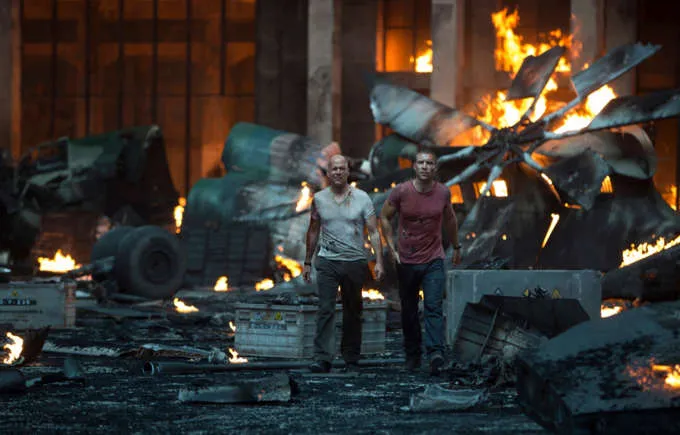
What started as a benchmark for gritty, intelligent action devolved into an incoherent, explosion-heavy mess. Bruce Willis’s John McClane went from a relatable everyman to an indestructible caricature. The shift in tone and lack of heart made this installment a prime example of how overextending a franchise can tarnish its legacy.
Ghostbusters (2016)
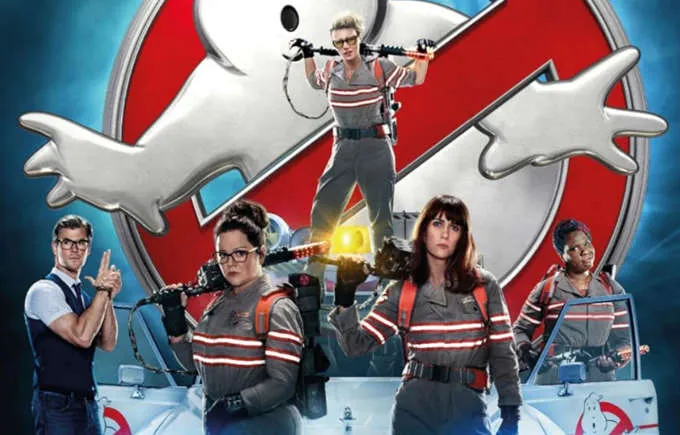
Rebooting an icon is always risky, and the all-female Ghostbusters found itself battling controversy before it even hit theaters. While the cast delivered committed performances, the film leaned too heavily on nostalgia and CGI chaos instead of crafting its own identity. The humor felt forced, and the heart of the original, was lost in the noise. Rather than reviving the franchise, it became a case study in how fan expectations and studio overreach can haunt even the most well-intentioned projects.