
Some films treat their locations as more than mere backdrop, they make place a force that shapes mood, character and destiny. Whether it’s the oppressive streets of a city that mirror inner turmoil or isolated landscapes that dictate every turn, certain settings exert an agency of their own, influencing plot rhythms and emotional tone in ways dialogue alone never could.
In movies like Nightcrawler, where Los Angeles pulses with neon menace, or Lost in Translation, where Tokyo’s vast anonymity deepens themes of disconnection, setting becomes an immersive presence that guides the audience’s experience. These cinematic worlds remind us that environment isn’t just scenery; it is narrative engine and emotional barometer.
The Grand Budapest Hotel

(Source: IMDb)
Wes Anderson’s The Grand Budapest Hotel uses its titular setting as the beating heart of a meticulously stylized world. In the fictional alpine republic of Zubrowka—an Eastern European nation on the brink of political upheaval—the hotel’s symmetrical corridors, ornate décor and pastel hues are more than aesthetic flourishes: they map class, memory and decay across time.
Every corridor and lobby sequence reinforces how this singular locale shapes the whimsical yet melancholic journey of concierge Monsieur Gustave H. and his protégé Zero.
Climax

(Source: IMDb)
Gaspar Noé’s Climax unfolds almost entirely inside an abandoned French school, a single venue that morphs from rehearsal hall into psychological labyrinth. The choreography of bodies, camera and pulsating score makes the space itself a character; physical boundaries collapse as bodies sway, splinter and fall under the influence of spiked sangria. The room’s bare walls and echoing acoustics transform cheer into chaos, making the setting inseparable from the dancers’ collective descent.
Parasite

(Source: IMDb)
In Bong Joon-ho’s Parasite, architecture does more than house its characters: it narrates class division. The film’s sleek modernist mansion—designed for the wealthy Park family—stands in stark contrast to the cramped, subterranean semi-basement of the Kim family, embodying socio-economic stratification in visual form. By moving between these worlds, the setting accentuates tension and aspiration, turning spatial geography into a silent but potent commentary on inequality.
The Shining

(Source: IMDb)
Stanley Kubrick’s The Shining famously situates its horror within the isolated Overlook Hotel, a sprawling mountain resort cut off by snow and silence. The hotel’s vast, empty corridors and eerie ballrooms amplify fear by turning stillness into threat; as the environment closes in, it erodes the mental stability of the Torrance family. Here, place acts as a psychological agent, trapping characters in a winter maze where memory and menace are embedded in every frame.
Dune

(Source: IMDb)
Denis Villeneuve’s Dune capitalizes on the planet Arrakis’s harsh desert landscape to make setting integral to narrative logic. The unending sands, blistering suns and wind-scoured terrain are not just backdrop but active forces that shape survival, culture and conflict.
This environment demands special adaptation—water economy, rugged attire, and spiritual reverence for scarcity—making place central to every choice Paul Atreides and his companions make as they navigate political and existential landscapes.
Call Me by Your Name
(Source: IMDb)
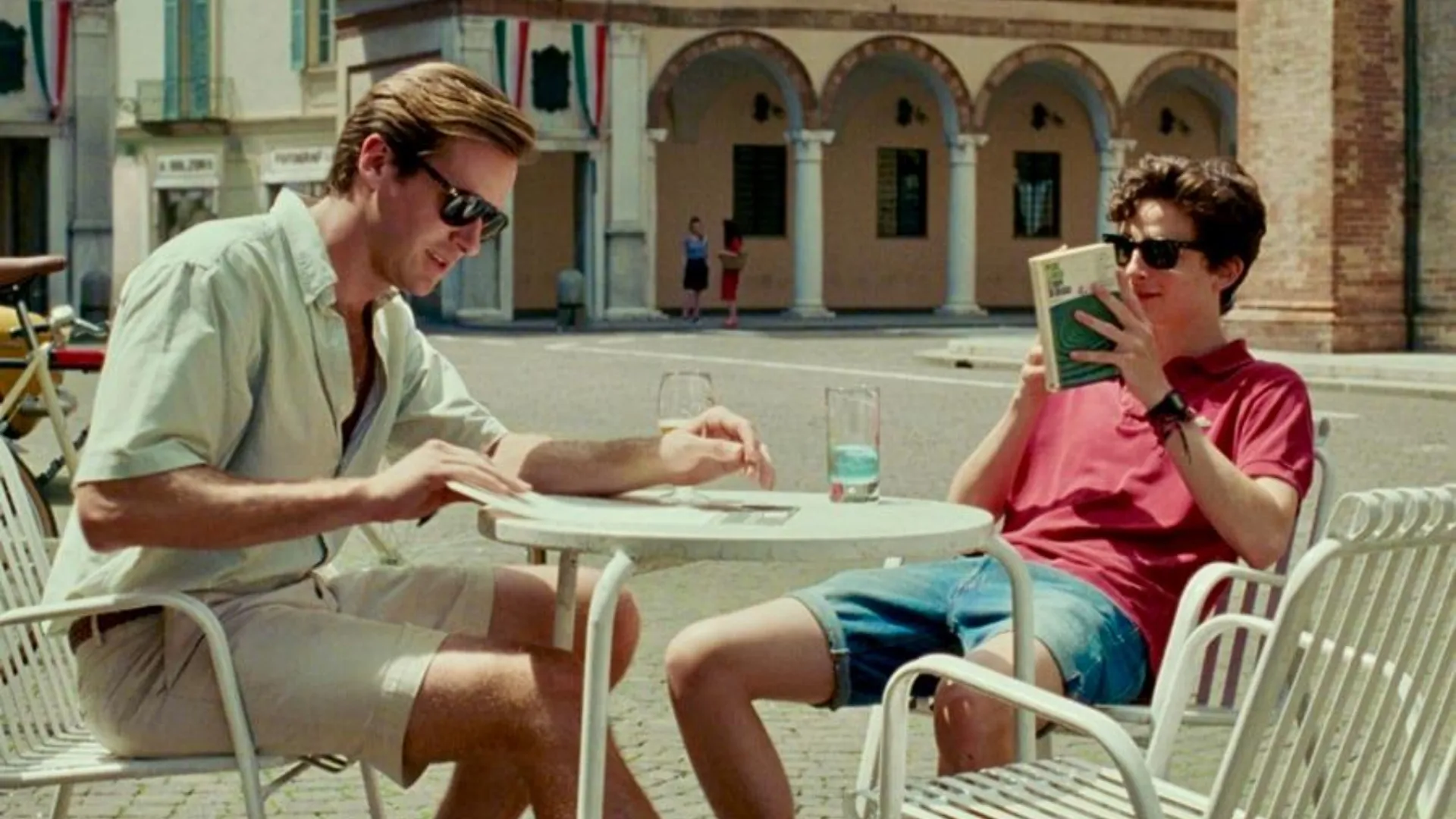
The languid summer of northern Italy in Call Me by Your Name isn’t merely scenic; it choreographs the rhythm of memory and romance. The sun-drenched orchards, rustic villas and village piazzas carry an immersive warmth that becomes inseparable from the film’s emotional texture, turning rural landscapes into silent witnesses of first love and longing. In this setting, time feels expanded and every gesture resonates with a sense of place-bound nostalgia.
Le Ciénaga

(Source: IMDb)
La Ciénaga (often referenced as The Swamp) uses its rural Argentine setting not just as backdrop but as a simmering emotional landscape. Humidity, dust and stagnant air become metaphors for familial stagnation, with long shots of endless terrain reflecting generational inertia.
The oppressive atmosphere of the household and its surroundings creates a mood of containment, shaping character interactions as much as plot progression, blending environment with texture of life.
Mad Max: Fury Road

(Source: IMDb)
In Mad Max: Fury Road, the desert wasteland is less a setting and more a narrative engine—an unforgiving ecosystem that propels every high-octane chase and desperate alliance.
The unrelenting sands stretch into horizons of ash and heat, framing the pursuit with rugged intensity. Here, place dictates movement: speed, fuel scarcity and terrain hazards shape survival, turning the chase into choreography between man, machine and merciless environment.
Lost in Translation
(Source: IMDb)
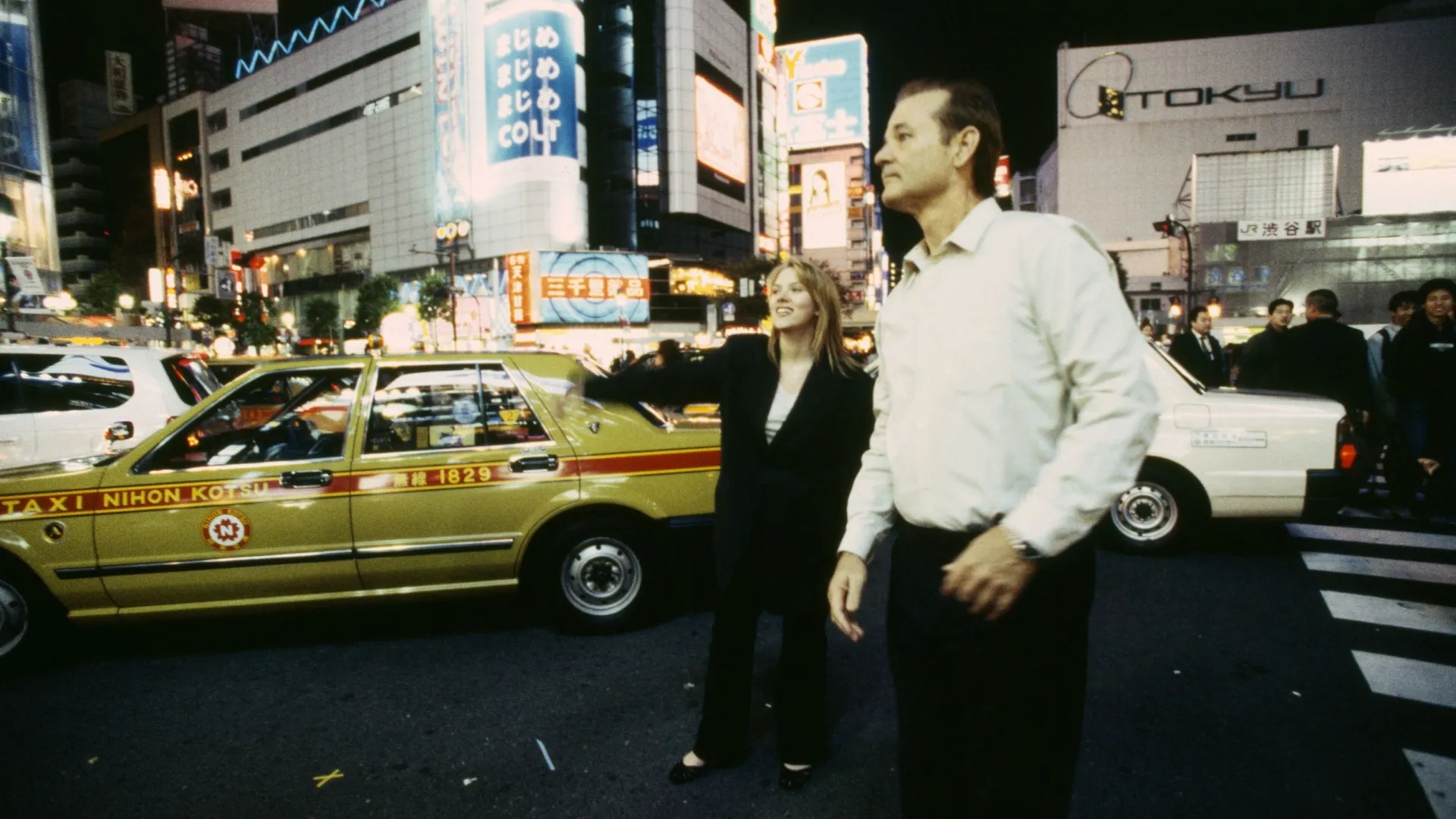
Tokyo in Lost in Translation is both backdrop and emotional landscape. Sofia Coppola’s film immerses its characters in a neon-lit metropolis that is at once vibrant and alienating.
The Park Hyatt’s vertiginous views and crowded city streets create a sense of dislocation that mirrors the protagonists’ inner states of loneliness and cultural displacement, deepening their unexpected connection.
Fargo
(Source: IMDb)
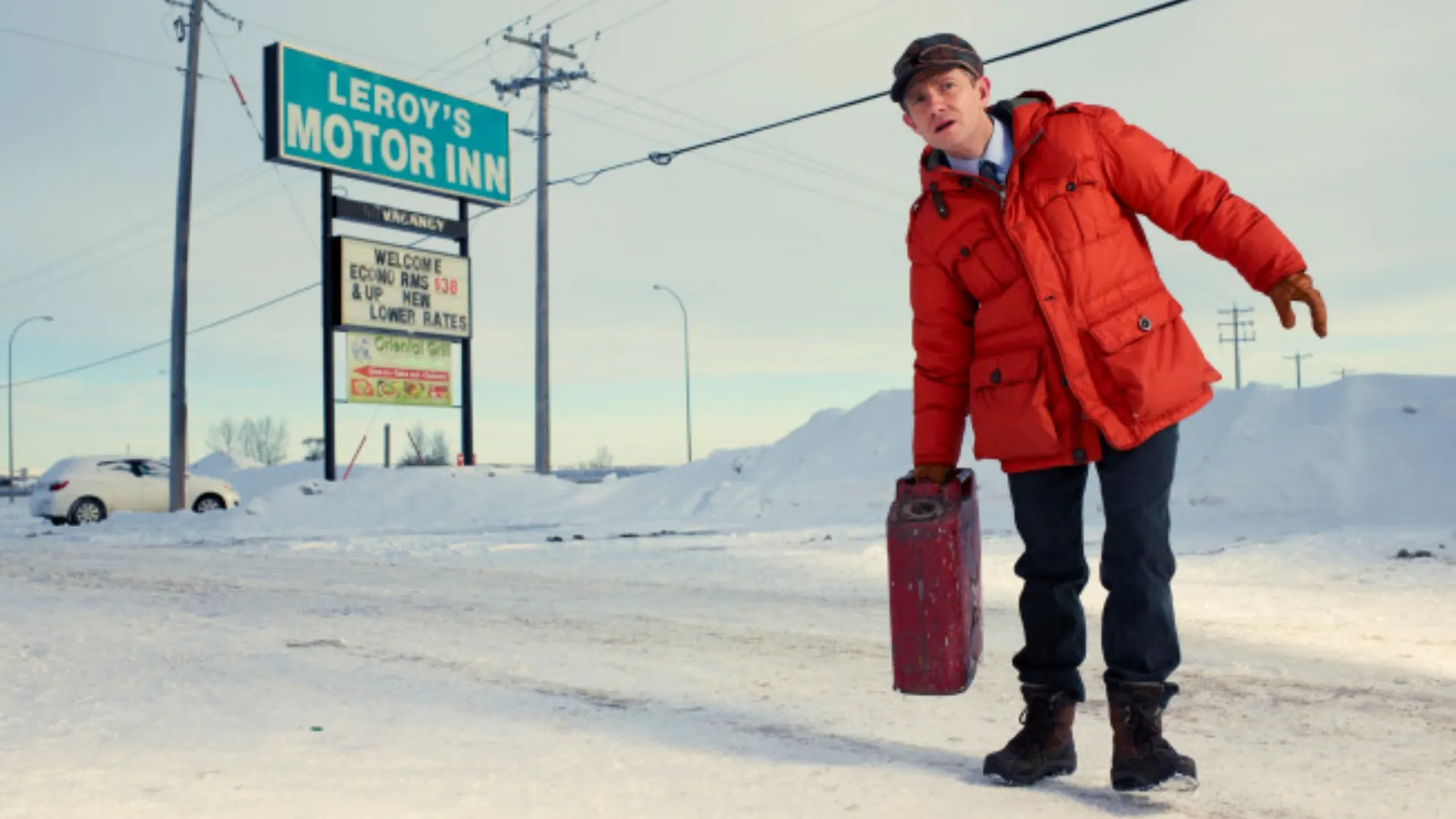
In the Coen brothers’ Fargo, the stark Minnesotan winter is more than seasonal—it’s a mood setter. Snow-blanketed plains, pale skies and the brittle cold form a backdrop that mirrors the film’s moral ambiguity and understated violence.
The setting’s quiet expansiveness punctuates moments of absurdity and dread alike, reinforcing how geography and temperament intertwine in a story where quotidian life collides with crime.
The Zone of Interest
(Source: IMDb)
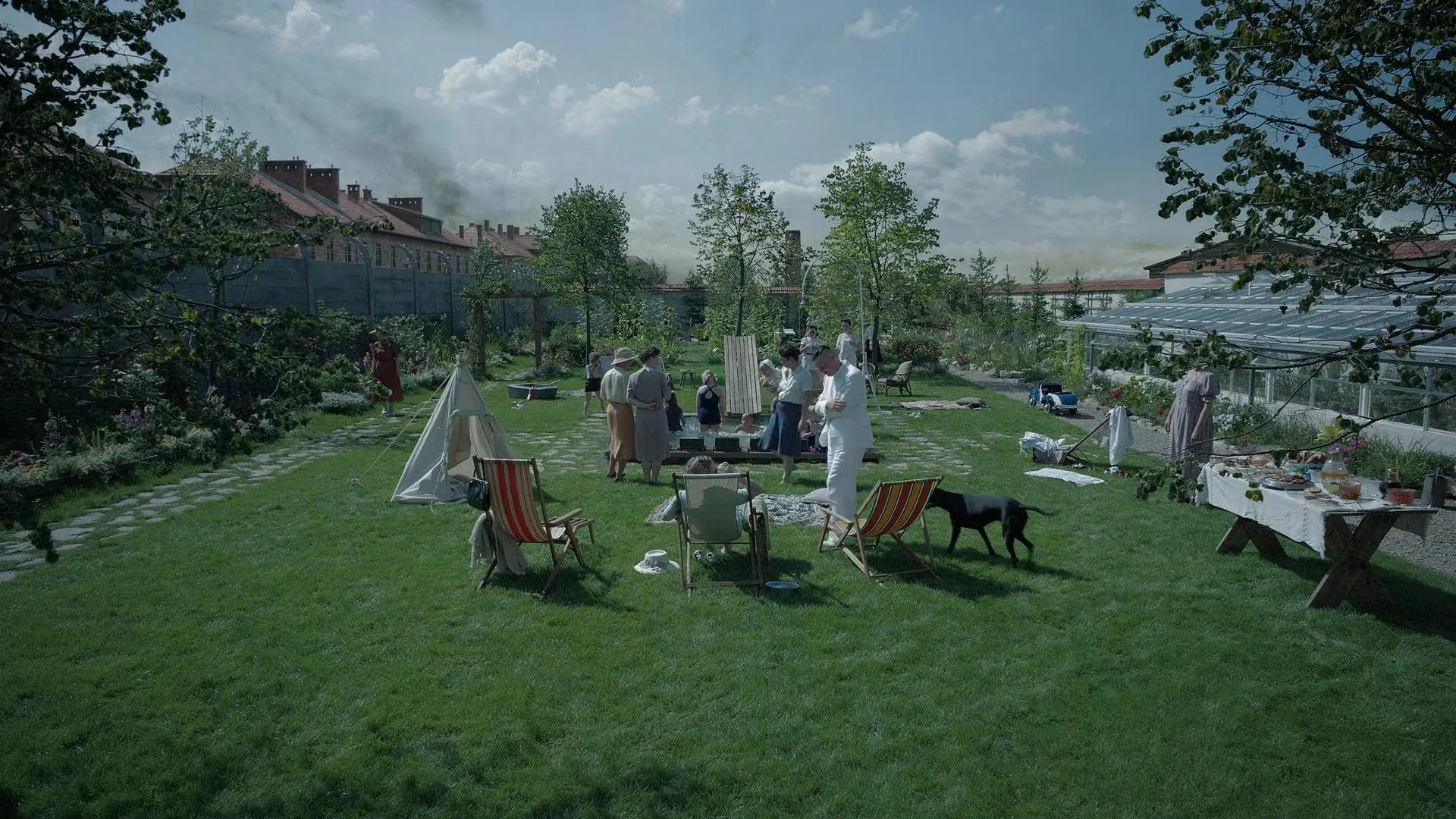
Jonathan Glazer’s The Zone of Interest roots its harrowing narrative in real locations tied to historical atrocity. By placing human drama against the site of Auschwitz, the film forces place itself into thematic foreground, binding memory, horror and banality into every frame. The setting’s weight reshapes narrative interpretation, becoming a sobering character in its own right.
Alien

(Source: IMDb)
Ridley Scott’s Alien transforms the claustrophobic corridors of the Nostromo into an incubator of tension and dread. The ship’s industrial interiors—rusted, narrow and labyrinthine—offer no sanctuary, only echoing menace.
As characters navigate the mechanical confines, place actively defines their vulnerability, making isolation itself a protagonist in the struggle against the unknown aboard the drifting vessel.
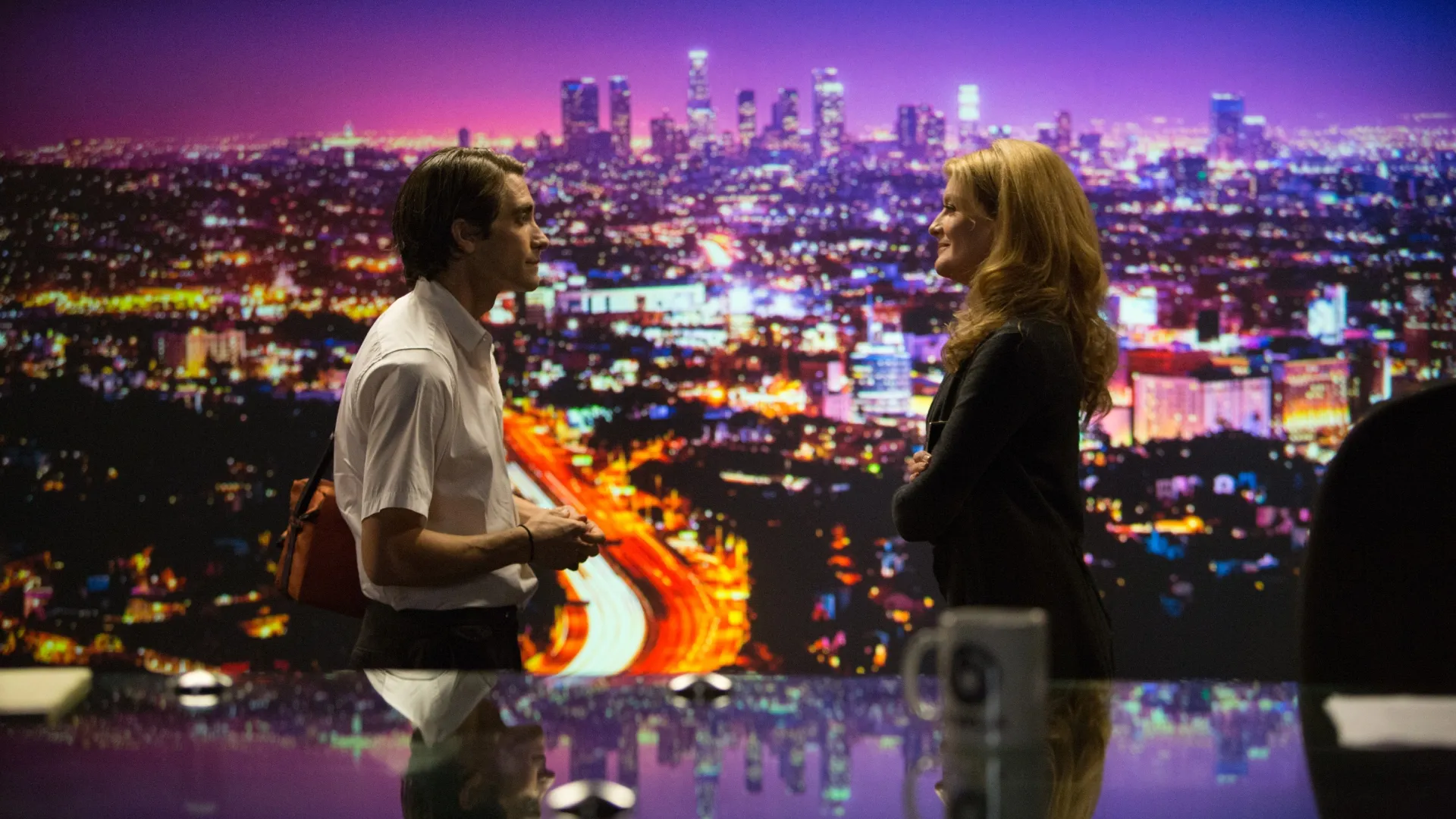
Nightcrawler
(Source: IMDb)
Set against the nocturnal sprawl of Los Angeles, Nightcrawler turns the city itself into a marketplace of spectacle and moral erosion. Director Dan Gilroy frames highways, police scanners and fluorescent newsrooms as interconnected arteries feeding a relentless appetite for violence-as-content, where ambition thrives in darkness rather than daylight.
The urban landscape—restless, indifferent, endlessly illuminated—mirrors Lou Bloom’s predatory ascent, suggesting that the environment doesn’t merely host his transformation but quietly rewards it, blurring the boundary between observer and accomplice in a city that never truly sleeps.