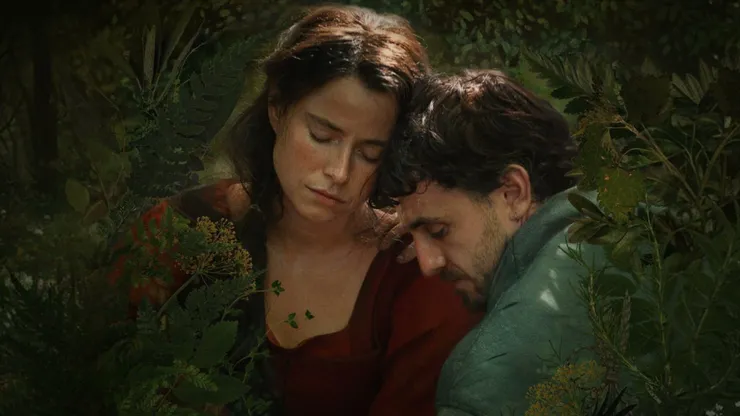
One week remains until the 98th Academy Awards, and while several categories remain in a dead heat, the Best Actress race feels like a foregone conclusion. Jessie Buckley’s portrayal of Agnes Hathaway in Hamnet has not only dominated the conversation but has unified critics and industry voters in a way rarely seen in the modern era. As she heads toward the Dolby Theatre on March 15, the question isn’t whether she will win, but rather how her performance has managed to redefine the standard for biographical drama.
The “Grand Slam” Momentum
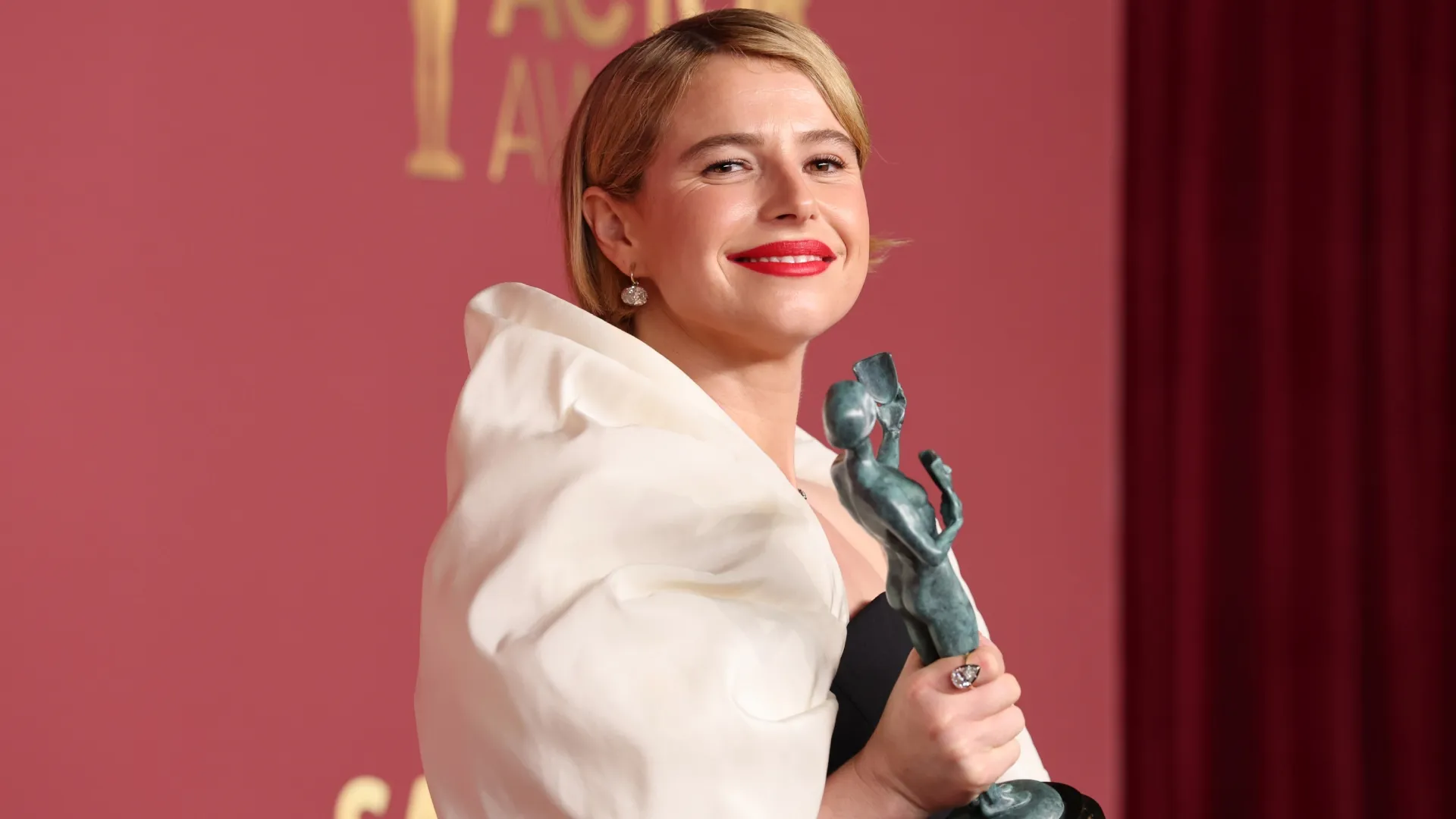
Jessie Buckley, winner of the Outstanding Performance by a Female Actor in a Leading Role award for “Hamnet,” poses in the press room during the 32nd Annual Actor Awards at Shrine Auditorium and Expo Hall on March 01, 2026 in Los Angeles, California. (Photo by Amy Sussman/Getty Images)
In the world of awards campaigning, momentum is everything, and Buckley has achieved the rare “Grand Slam.” By winning the Golden Globe, the Critics’ Choice Award, the BAFTA, and the Screen Actors Guild (SAG) Award, she has swept every major bellwether. History shows that when a performer sweeps these four, the Oscar is nearly guaranteed. Unlike her competitors—such as Rose Byrne or Renate Reinsve—Buckley has faced no late-season “spoiler” surge, entering the final week with a staggering 95% implied probability of winning.
A Performance of “Elemental” Rawness
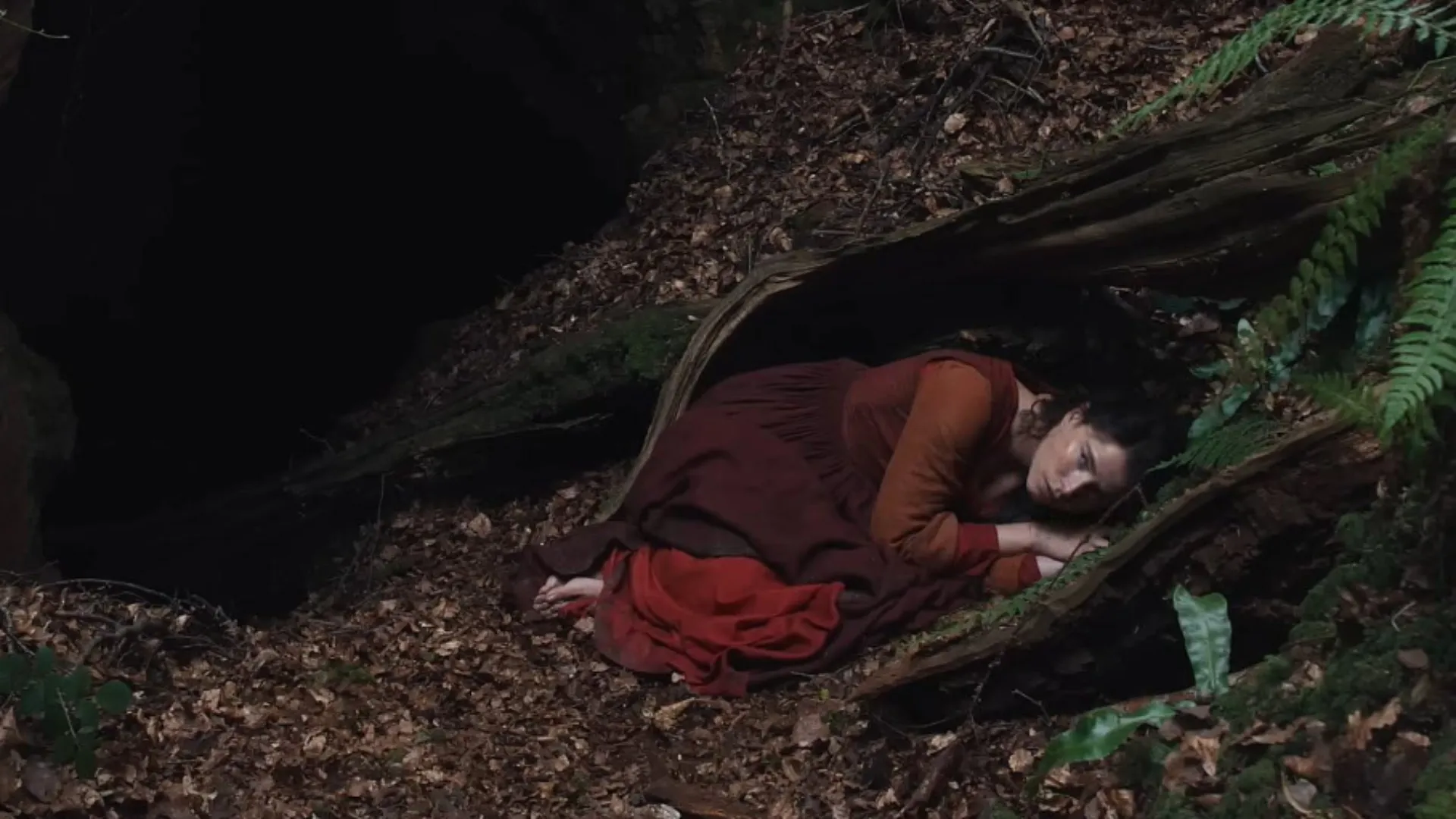
Beyond the trophies, the “should” win argument rests on the sheer physical and emotional scale of her work. Directed by Chloé Zhao, Hamnet is not a standard Shakespearean biopic; it is a visceral study of maternal grief. Critics have hailed Buckley’s performance as “elemental” and “untamable,” particularly citing a mid-film scream upon the death of her son. She avoids the “prestige” trap of playing a historical figure with stiffness, instead imbuing Agnes with an earthy, “raw nerve” energy.
Redefining the “Shakespeare’s Wife” Myth
IMDb
For centuries, Anne (Agnes) Hathaway was relegated to a footnote in literary history—the woman who received the “second-best bed” in her husband’s will. Buckley’s performance, based on Maggie O’Farrell’s novel, reclaims Agnes as the central creative force of the family. She portrays her as a woman with a “language unto her own,” a mystical figure whose connection to nature and her children provides the true inspiration for Hamlet. By giving a voice to the voiceless, Buckley has created a narrative that resonates deeply with the Academy’s current focus on overlooked historical perspectives.
The Climax: A Masterclass in Subtlety
While much has been made of the film’sgrief intensity, Buckley’s strength lies in the final act’s transition toward catharsis. In the movie’s concluding 20 minutes, as Agnes watches the first production of Hamlet in London, Buckley conveys a lifetime of recognition, betrayal, and eventually, healing—all through her eyes. It is a masterclass in reactionary acting that effectively bridges the gap between the 16th century and modern emotional truth, proving that she isn’t just playing a role, but inhabiting a soul.
The Industry “Dues” Factor
Finally, there is the sense that the Academy is ready to reward Buckley for a decade of flawless work. From her breakout in Beast to her previous nomination for The Lost Daughter, Buckley has built a reputation as one of the most daring actors of her generation. Her colleagues, including Ben Whishaw and Paul Mescal, have described her process as “animalistic” and “instinctive.” A win on Sunday wouldn’t just be for Hamnet; it would be a coronation for an actress who has spent years consistently delivering the most ambitious work in the industry.