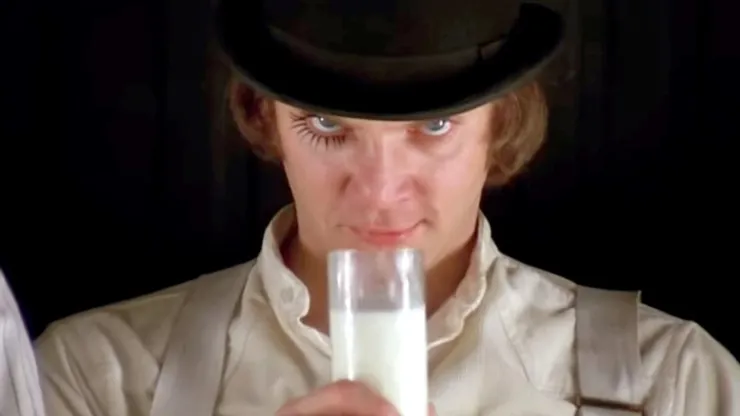
In the history of transgressive cinema, few films have maintained such a potent ability to shock and intellectually provoke as “A Clockwork Orange.” Released 55 years ago—premiering in New York in December 1971 followed by a wide rollout in early 1972—Stanley Kubrick’s adaptation of Anthony Burgess’s novel was more than a movie; it was a cultural explosion.
Its exploration of a youth culture fueled by “ultraviolence” and a government willing to strip away humanity in the name of order remains a cornerstone of film studies and sociopolitical discourse. As we commemorate this milestone, we revisit the elements that transformed a controversial X-rated feature into an immortal piece of art.
IMDb
The Vision of Stanley Kubrick
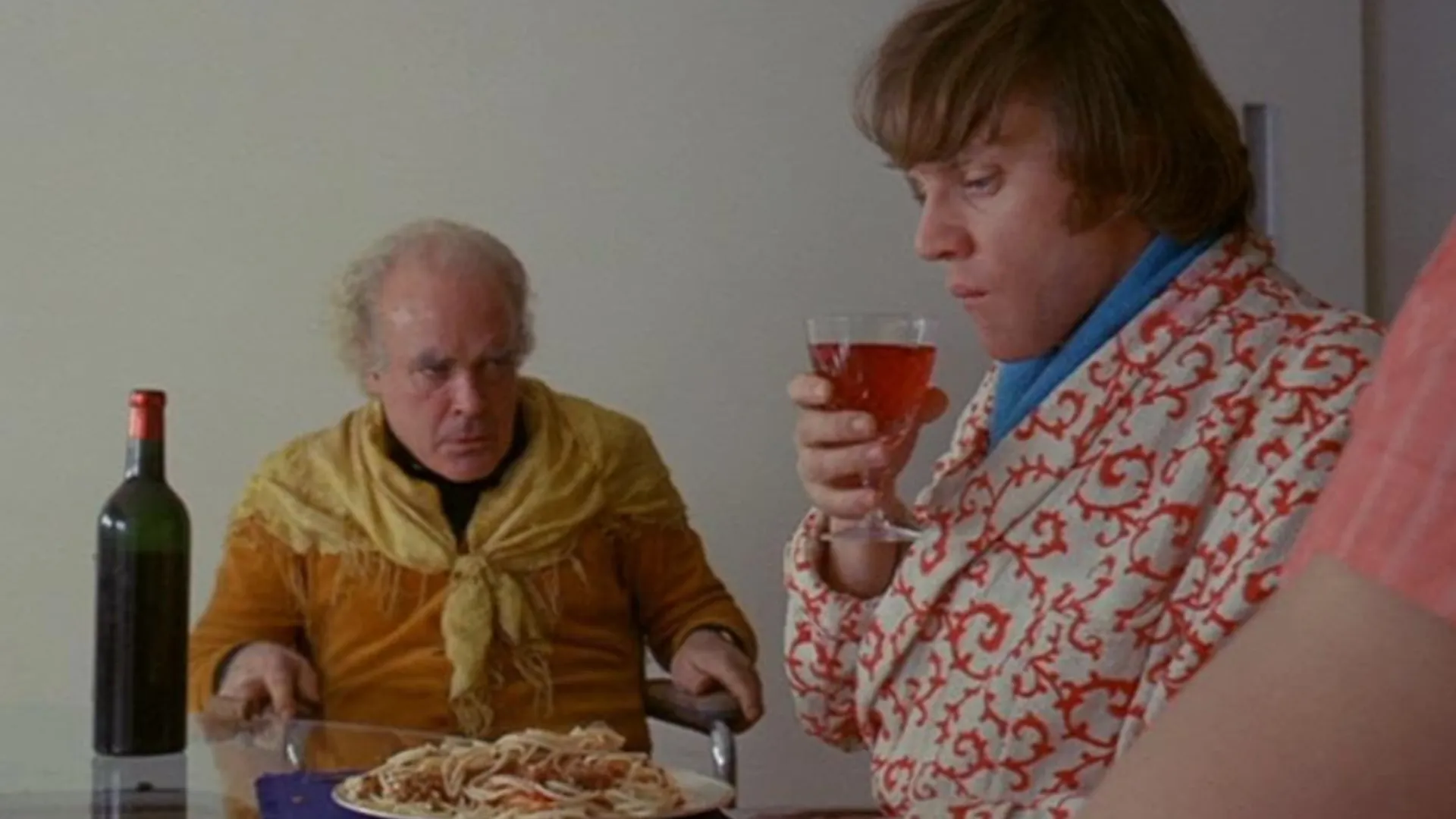
By 1971, Stanley Kubrick was already a titan of cinema, but A Clockwork Orange proved he was willing to descend into the darkest corners of the human psyche. Kubrick acted as a one-man army for the production, serving as director, producer, and screenwriter to ensure his specific, stylized vision of a near-future Britain was uncompromising. His decision to blend graphic brutality with the high-art grace of Beethoven created a sensory dissonance that had never been seen on screen before. Today, his meticulous framing and use of wide-angle lenses remain the gold standard for creating a sense of “clinical” unease in film.
Malcolm McDowell’s Definitive Performance
IMDb
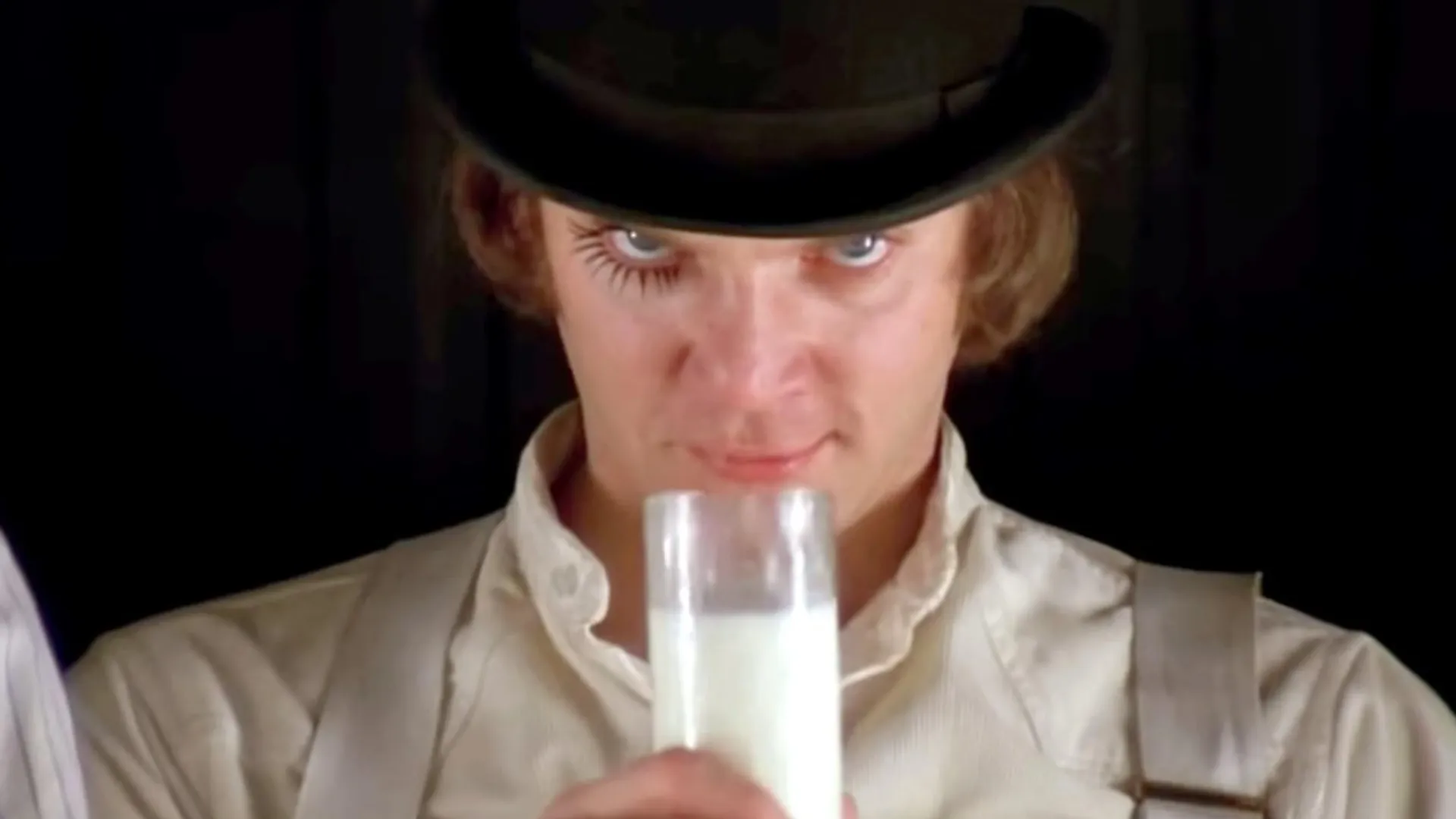
The film’s success rests entirely on the shoulders of Malcolm McDowell, whose portrayal of Alex DeLarge is widely considered one of the greatest acting feats in history. McDowell brought a terrifying charisma to a character who, by all accounts, should be irredeemable, forcing the audience into an uncomfortable alliance with a monster. His physical commitment was legendary, including enduring real corneal damage during the famous “Ludovico Technique” scene. Decades later, McDowell’s smirk into the camera remains the definitive face of cinematic psychopathy and youthful defiance.
The Controversy and the UK Ban
Upon its release, A Clockwork Orange became a lightning rod for moral outrage, leading to it being blamed for “copycat” crimes across the United Kingdom. The pressure on Kubrick and his family became so intense—including death threats and protestors at their home—that the director personally requested Warner Bros. withdraw the film from British circulation in 1973. For 27 years, the movie was effectively “banned” in its home country, only becoming legally available again after Kubrick’s death in 1999. This self-imposed exile only added to the film’s mystique, cementing its status as the ultimate “forbidden” masterpiece.
The Ethics of the Ludovico Technique
At the heart of the film is a profound philosophical question: Is a man who is forced to be good better than a man who chooses to be evil? The “Ludovico Technique”—an experimental aversion therapy used to “cure” Alex—serves as a chilling critique of behaviorism and state-sponsored dehumanization. In an era of modern algorithms and data-driven social engineering, the film’s warning about the “clockwork” nature of a society that sacrifices free will for safety feels more relevant than ever. Kubrick’s refusal to provide a happy or redemptive ending ensures the debate remains open and haunting.
A Soundtrack of Synthetic Classical
The music of A Clockwork Orange was as revolutionary as its imagery, featuring a groundbreaking score by Wendy Carlos. By reimagining the works of Beethoven and Rossini through the Moog synthesizer, Carlos created a “retro-futuristic” soundscape that mirrored the film’s cold, plastic aesthetic. This juxtaposition of classical high culture with modern technology and primal violence helped define the “Kubrickian” sound. Fifty-five years later, the use of the “Ode to Joy” continues to evoke the specific, unsettling atmosphere of the Korova Milkbar and the world of the Droogs.