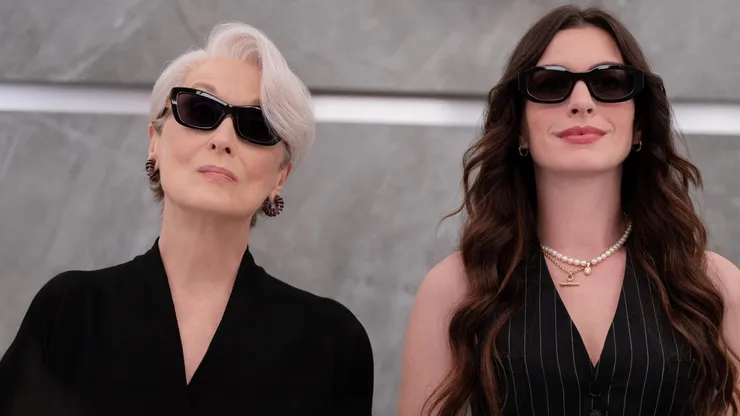
Nearly two decades after The Devil Wears Prada turned the fashion world into a battlefield of sharp heels and sharper dialogue, the story is officially returning. A sequel set for 2026 brings back a film that defined mid-2000s pop culture, reshaping how workplace ambition, style, and power were portrayed on screen.
As production moves forward, time itself becomes part of the narrative. Anne Hathaway, Meryl Streep, Emily Blunt and Stanley Tucci are no longer the same artists audiences first met nearly 20 years ago, and neither is the industry they inhabit.
The Cast’s Ages Then and Now
The upcoming The Devil Wears Prada 2 is set to hit theaters on May 1, 2026, nearly 20 years after the original fashion-world sensation debuted in 2006. Looking back at the ages of the core cast then and now offers a striking portrait of how time has shaped both the actors and the cultural milieu they helped define.
At the time of the original release, Anne Hathaway—who plays Andrea “Andy” Sachs—was 23 years old, just stepping into major Hollywood stardom. Born on November 12, 1982, she will be 43 by the 2026 premiere, returning to the role with two decades of experience and a broader screen presence.
Emily Blunt, who portrayed Emily Charlton in the first film, was 23 or 24 during the original’s run, having been born on February 23, 1983. That makes her 43 as Prada 2 nears release—a seasoned performer whose career has stretched well beyond the fashion satire that helped launch her international profile.
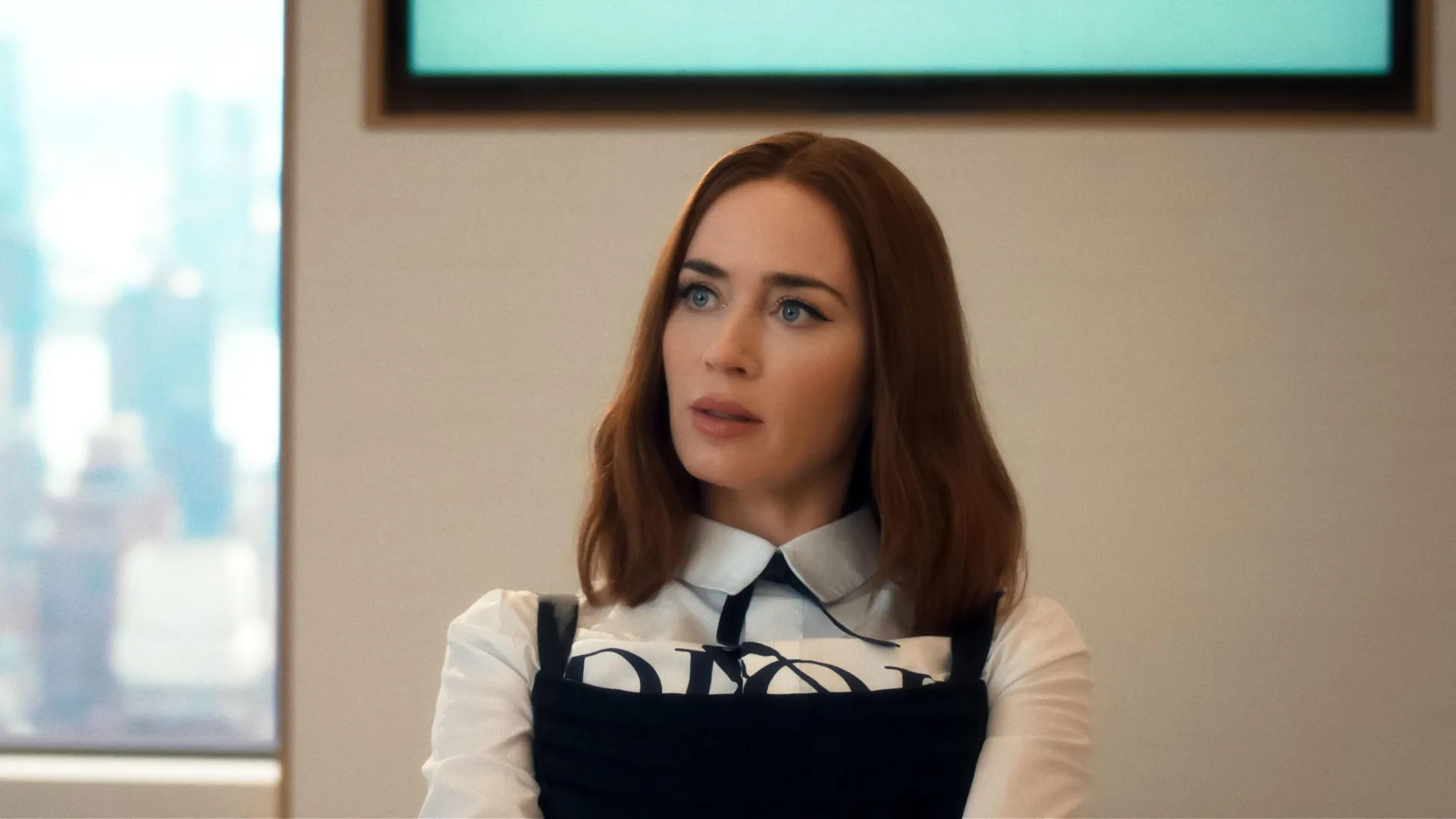
Emily Blunt in The Devil Wears Prada 2 (Source: IMDb)
Meryl Streep, the indelible Miranda Priestly, was 56 when the first film reached audiences; born in 1949, she’ll be 76 as she reprises her iconic role in the sequel. Her return brings a wealth of decades-worth of awards, roles, and cultural impact back to the world of Runway magazine.
Stanley Tucci, Nigel Kipling—the voice of dry wit and unshakeable poise—was 45 in 2006 and will be 65 by the time The Devil Wears Prada 2 lands in theaters. His presence continues to bridge the worlds of style and seasoned craftsmanship that the franchise has come to represent.
These age shifts aren’t just numbers; they signal a deeper shift in perspective. What was once a tale of relentless ambition among fresh faces has grown into a story about influence, legacy, and how the priorities of fashion and media evolve with time—mirroring, in many ways, the real lives of its performers.