Each year, Christmas cinema stretches a little further from its comfort zone. What once revolved almost entirely around family reunions and romantic miracles now spills into unexpected genres—psychological thrillers, dark comedies, social satires and boundary-pushing animation.
In 2025, the holiday season arrives with a slate of films that challenge the idea that December storytelling must always be cozy, proving that seasonal icons can live inside unsettling, absurd or wildly stylized worlds.
These unconventional Christmas movies don’t aim to dethrone the classics; they exist in parallel, reshaping the emotional vocabulary of the holiday on screen. Snow-covered streets still frame the stories, but the moods shift, reflecting how filmmakers continue to reinvent the most traditional date as a space for creative freedom.
Rare Exports: A Christmas Tale (2010)
(Source: IMDb)
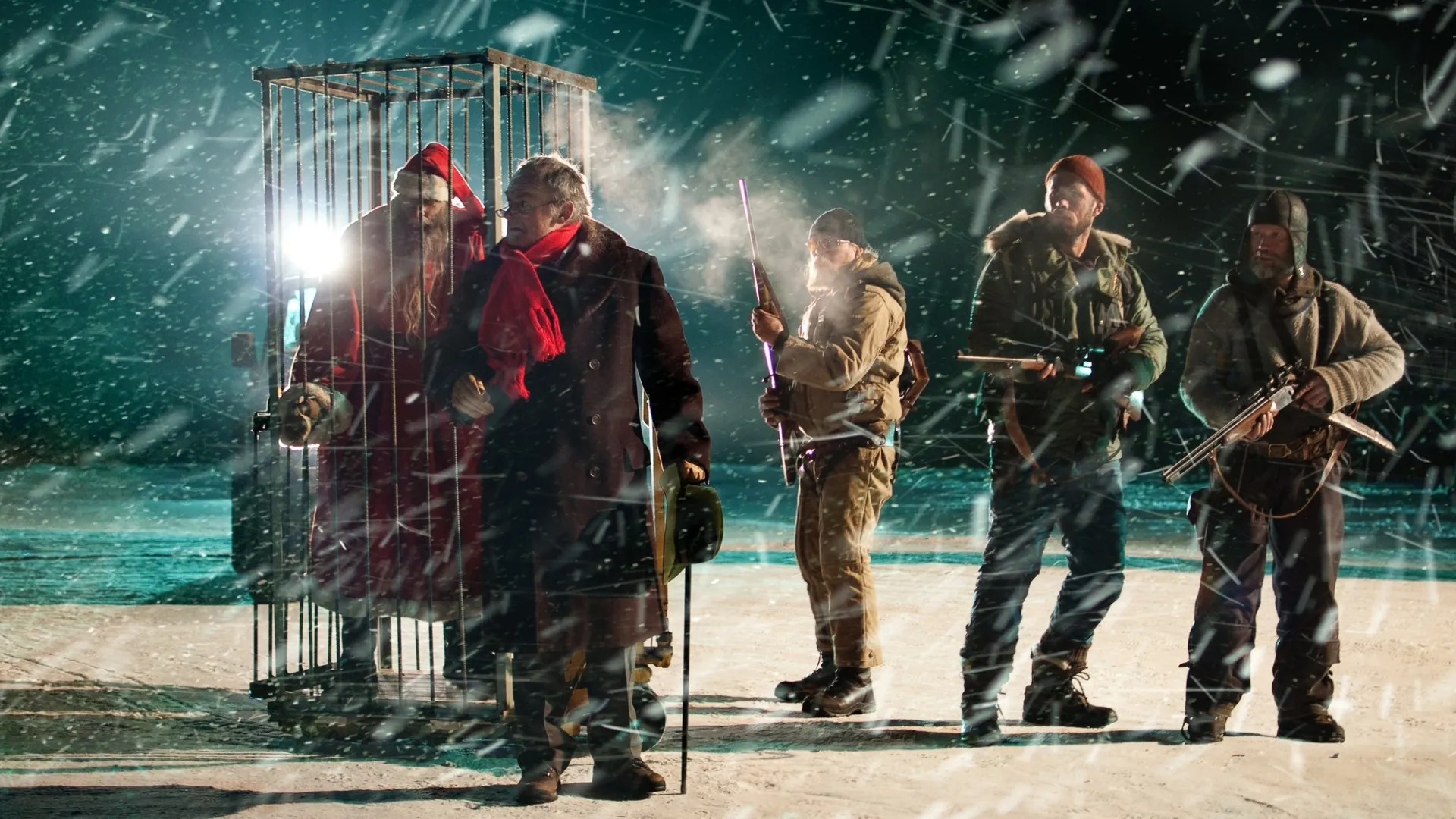
A grim reimagining of Santa Claus rooted in Finnish folklore — far removed from the jolly gift-giver. When a renegade excavation in the north unearths the “real” Santa, the result is survival horror wrapped in icy winter landscapes. The film juxtaposes reindeer hunts, horrifying secrets, and an atmosphere that expects small-town innocence only to deliver dread.
Anna and the Apocalypse (2017)
(Source: IMDb)
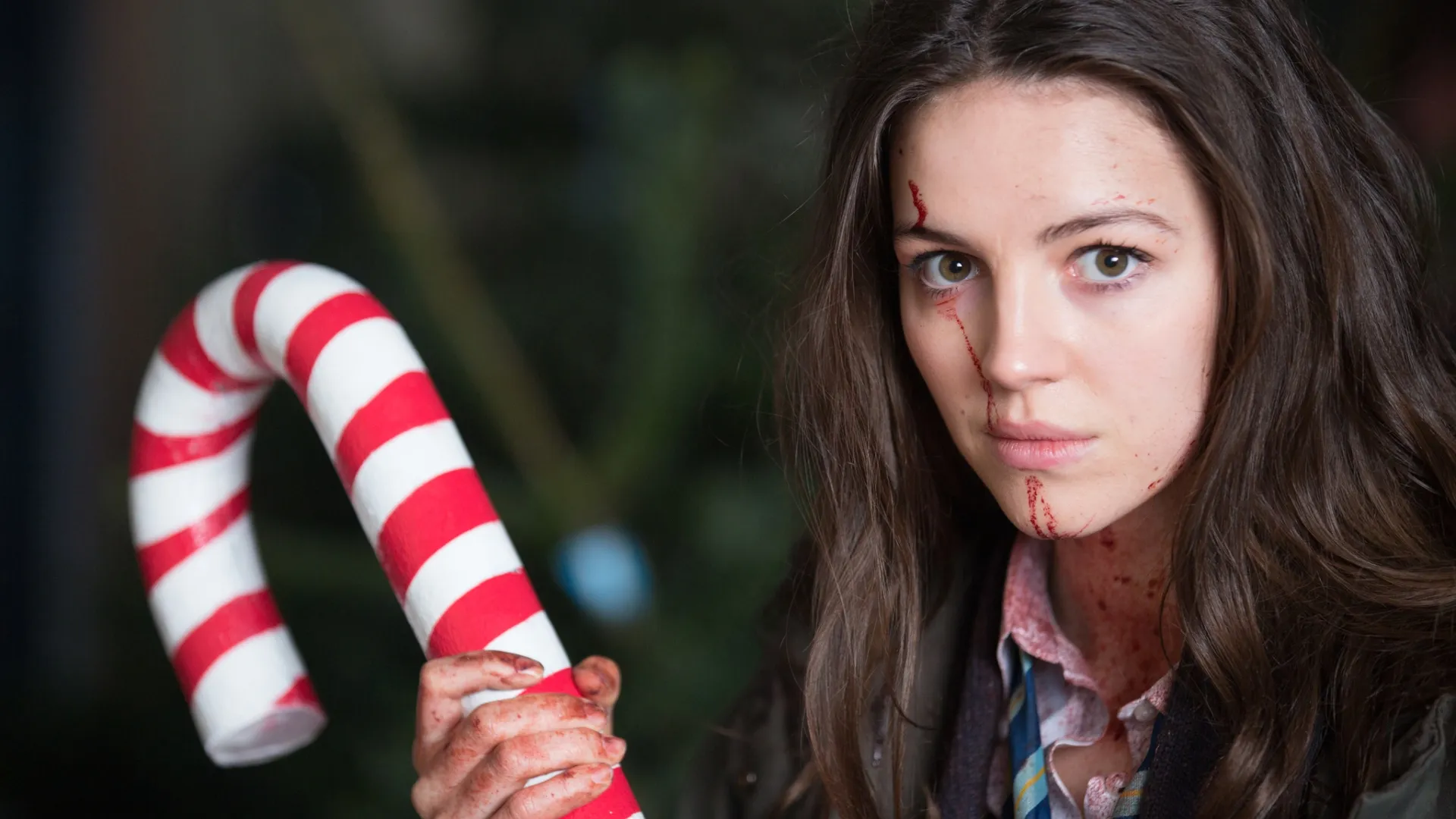
This is no cozy Christmas concert: imagine high school teens, a zombie outbreak, AND a full-blown musical all happening on Christmas Eve. The result is a bizarre but spirited collision of horror, teenage angst, holiday tropes and song-and-dance numbers — a wilder, messier holiday than most people can stomach.
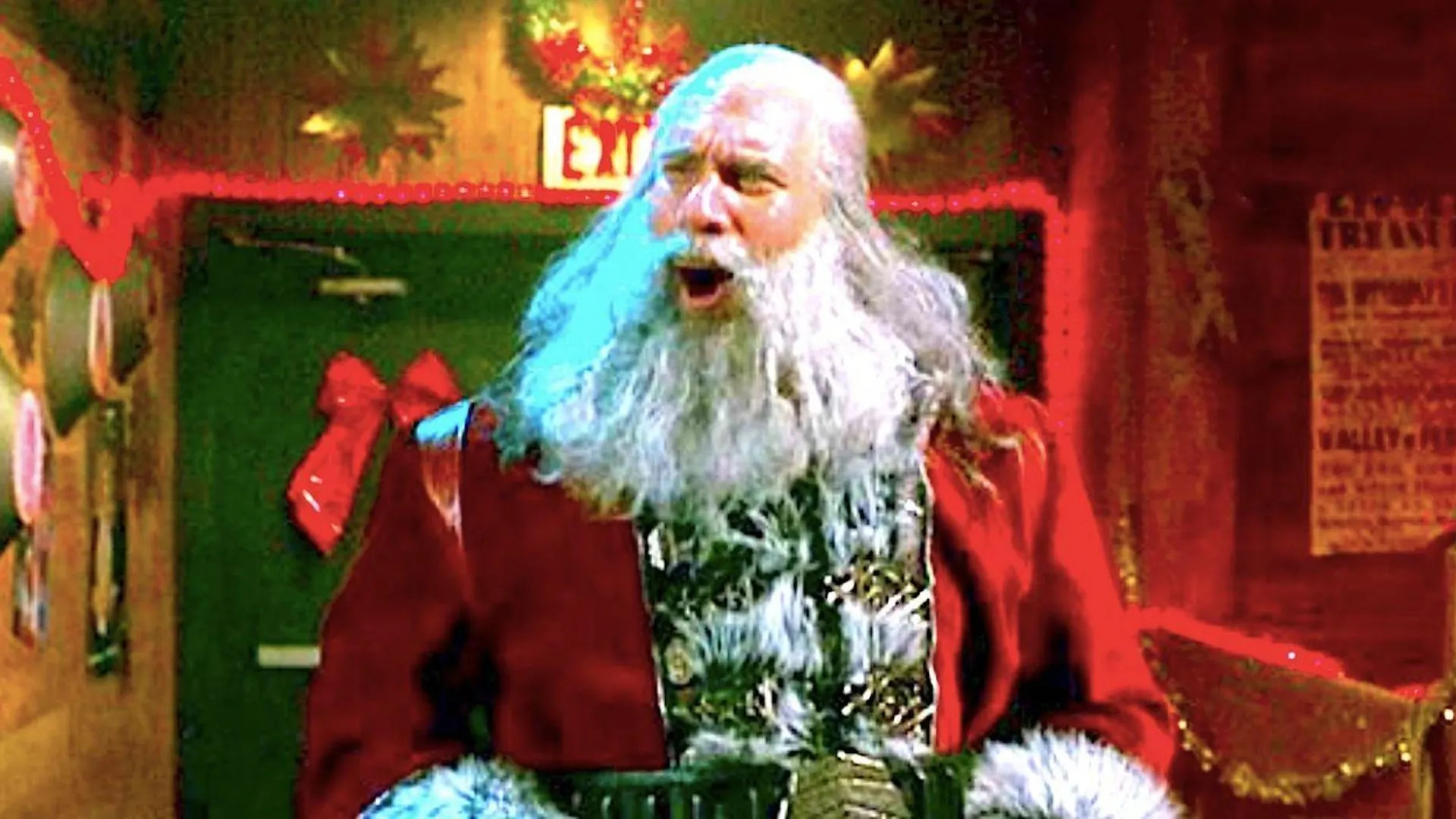
Santa’s Slay (2005)
(Source: IMDb)
Santa isn’t delivering presents — he’s delivering violence. In this over-the-top horror-comedy, the man in red is actually a demonic being, returning after a millennium to reclaim his dark legacy. Death by eggnog, murderous “hell-deer,” a sleigh turned into a sleigh of horrors: it plays like twisted holiday campfire lore come to life.
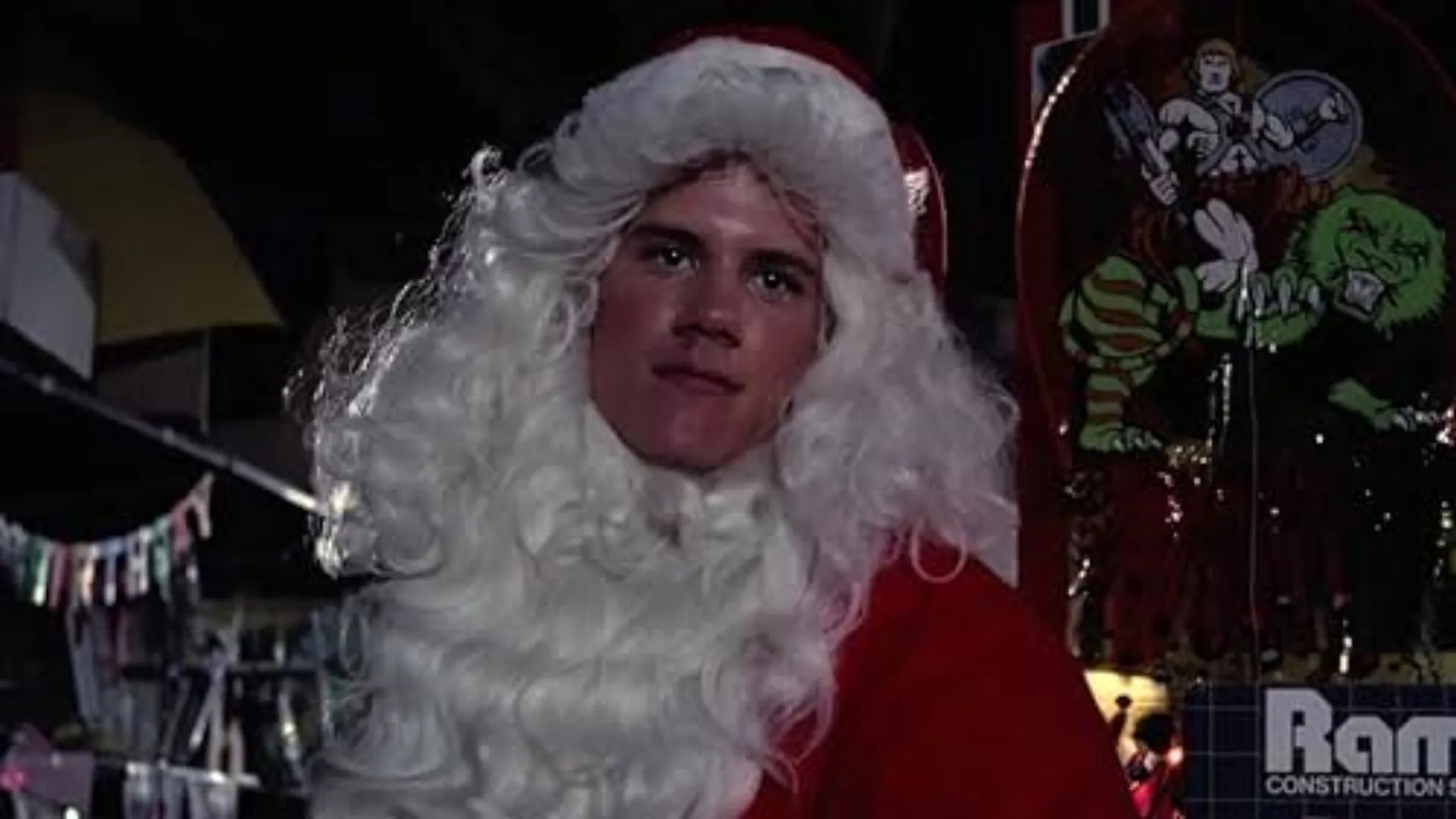
Silent Night, Deadly Night (1984)
(Source: IMDb)
A cult-classic slasher with deep psychological scars. The film centers on a man who witnessed his parents’ murder on Christmas Eve — and grows up to become a killer Santa himself. A taboo explosion of childhood trauma, twisted morality, and seasonal horror that turned Christmas upside down.
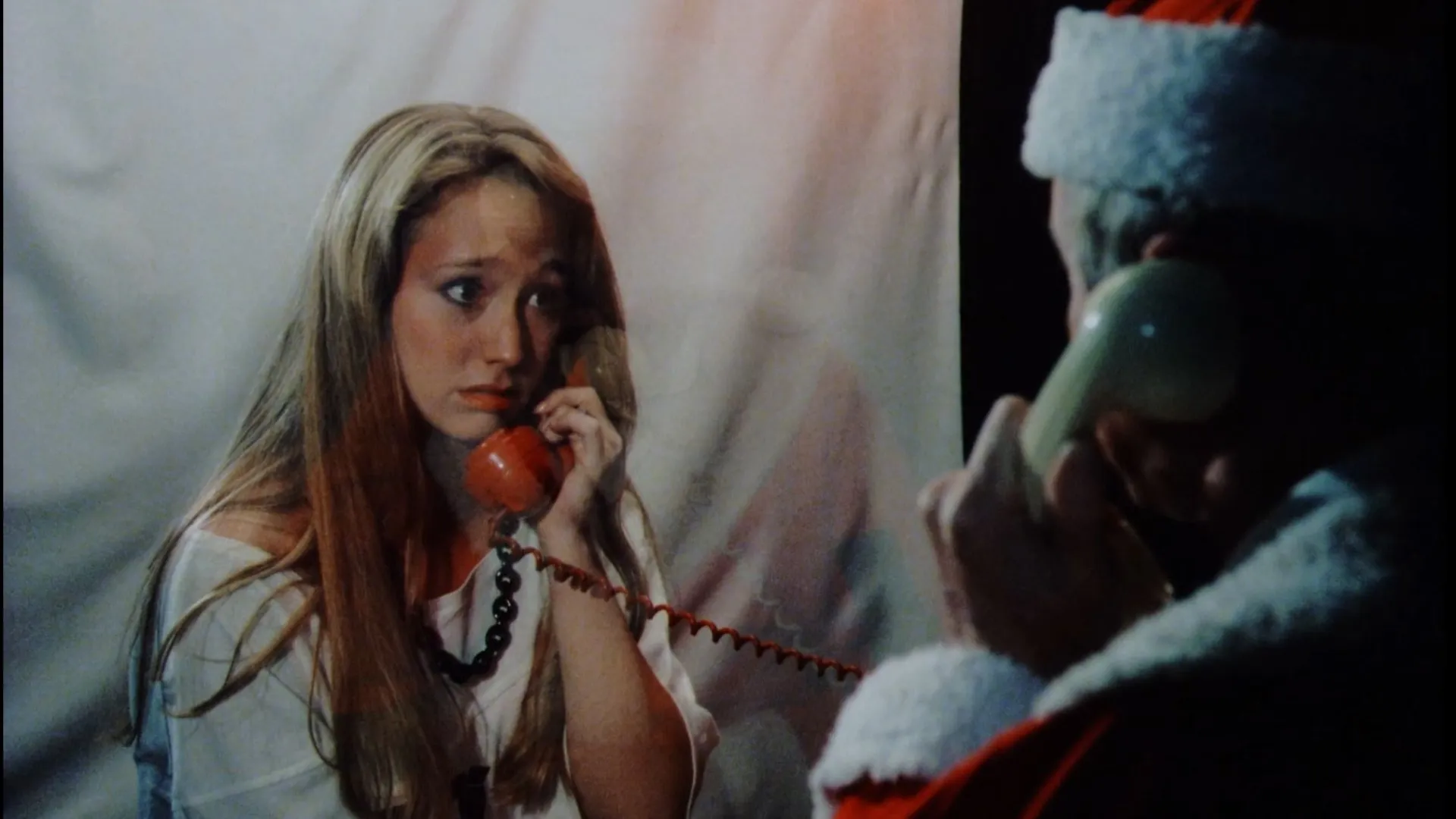
Don’t Open Till Christmas (1984)
(Source: IMDb)
Set in London at Christmastime, this British slasher pits a mysterious murderer against unsuspecting Santa impersonators. As bodies pile up, the film turns holiday cheer into paranoia and violence — a grim inversion of festive clichés. Despite clunky execution, it endures as a monument of ’80s exploitation-style Christmas horror.
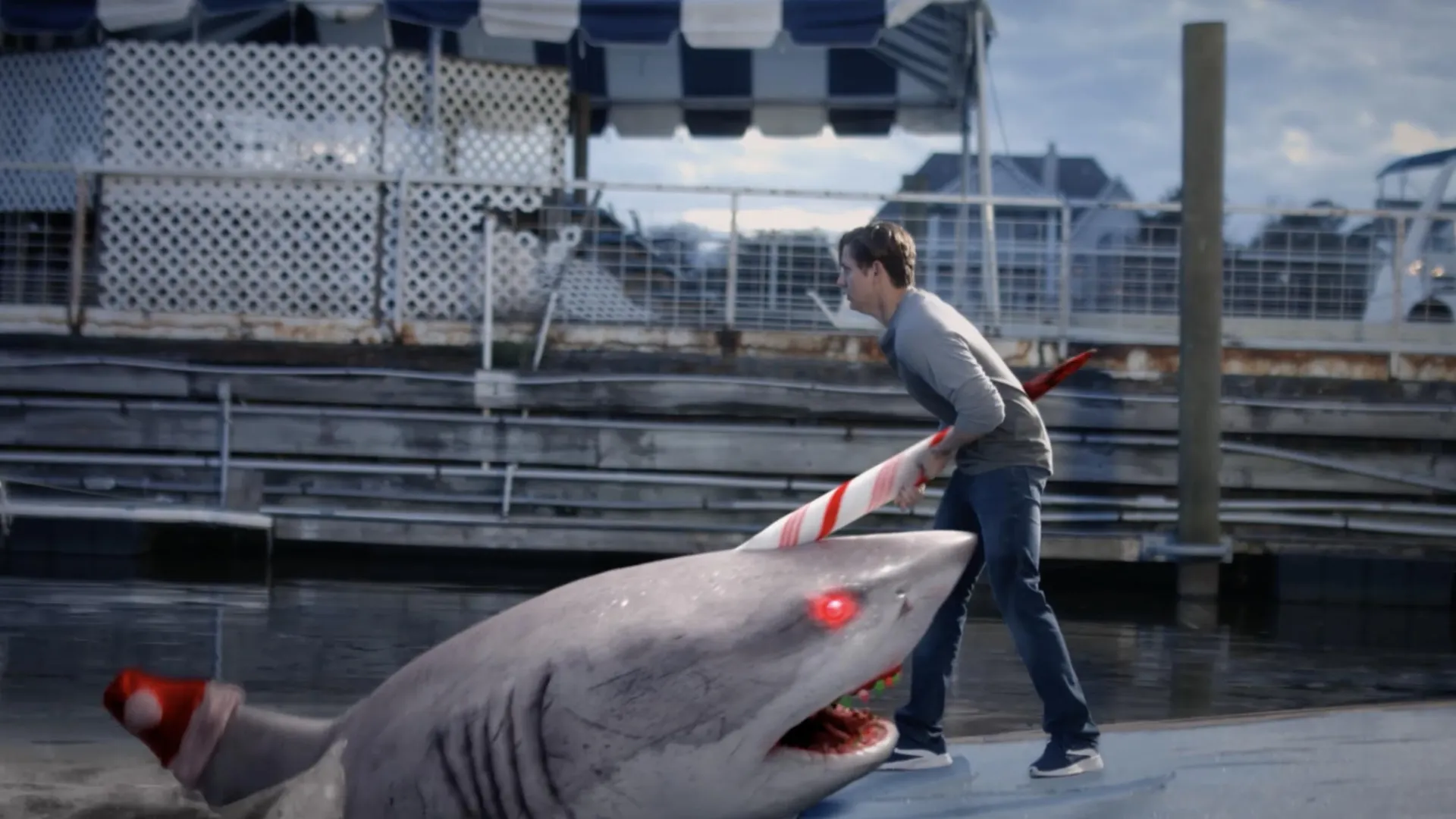
Santa Jaws (2018)
(Source: IMDb)
Imagine a shark — wearing a Santa hat — terrorizing a small town at Christmas. That’s the unsettlingly absurd premise of Santa Jaws. What starts as a weird holiday wish becomes a bloody horror-comedy filled with aquatic terror, seasonal irony, and enough surrealism to make even skeptical viewers shake their heads (or duck).
Gremlins (1984)
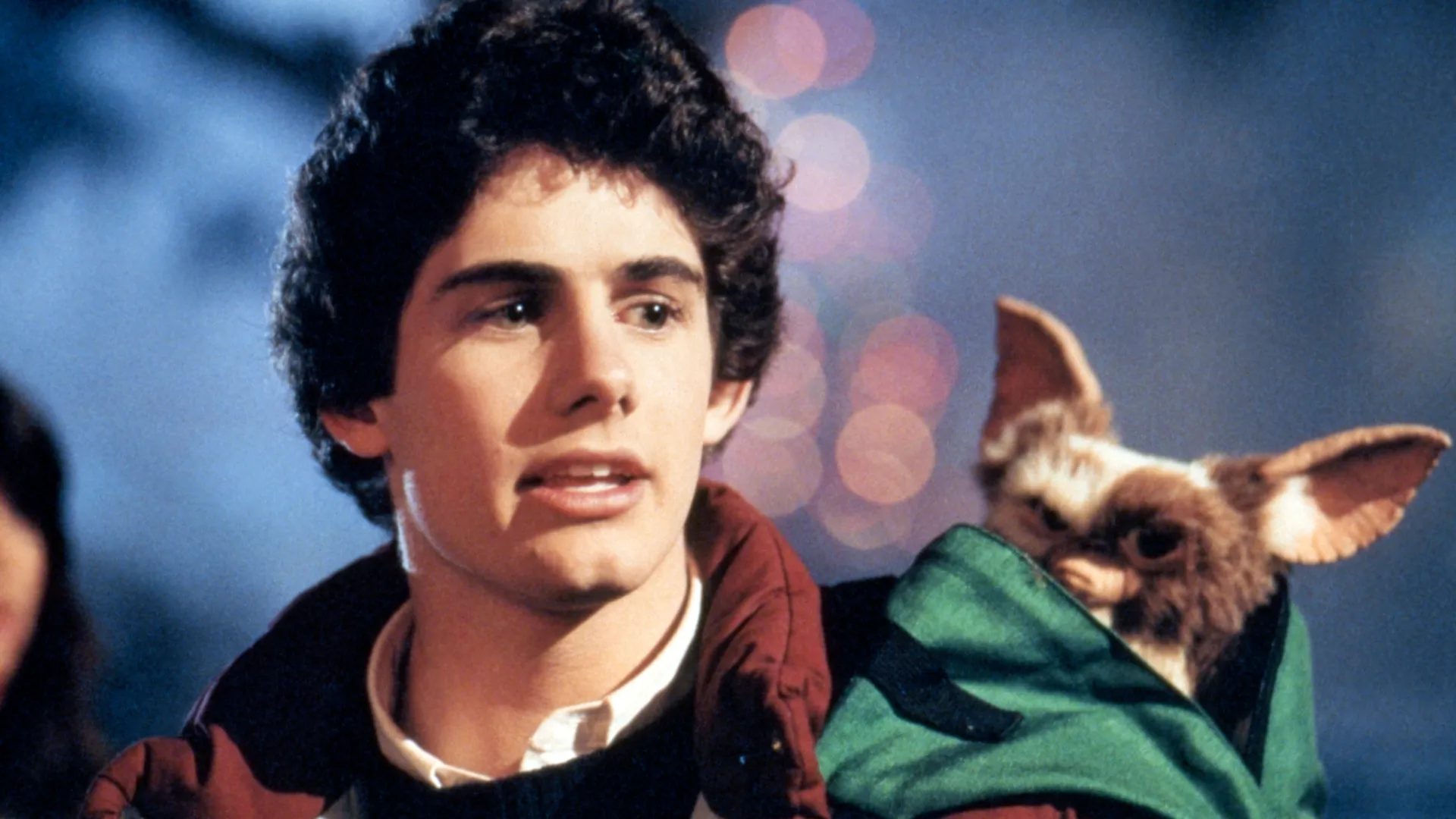
(Source: IMDb)
A cult ’80s classic that masquerades as a holiday film before revealing its darker, chaotic side. A cute, mysterious gift turns into a Mogwai-spawned nightmare when rules are broken — the result: mayhem, horror and a very un-Christmasy holiday. The transformation from festive calm to chaos makes it one of the most iconic “wrong-turn” Christmas movies.
Santa and the Ice Cream Bunny (1972)
(Source: IMDb)
At the border between camp and absurdity: Santa crash-lands on a Florida beach, recruits children to find reindeer (with the help of a man in a gorilla suit), and eventually is pulled back to the North Pole by a bizarre, ice-cream-loving “bunny.” It’s nonsensical, surreal, and so far from traditional yuletide fare — that it becomes strangely hypnotizing.
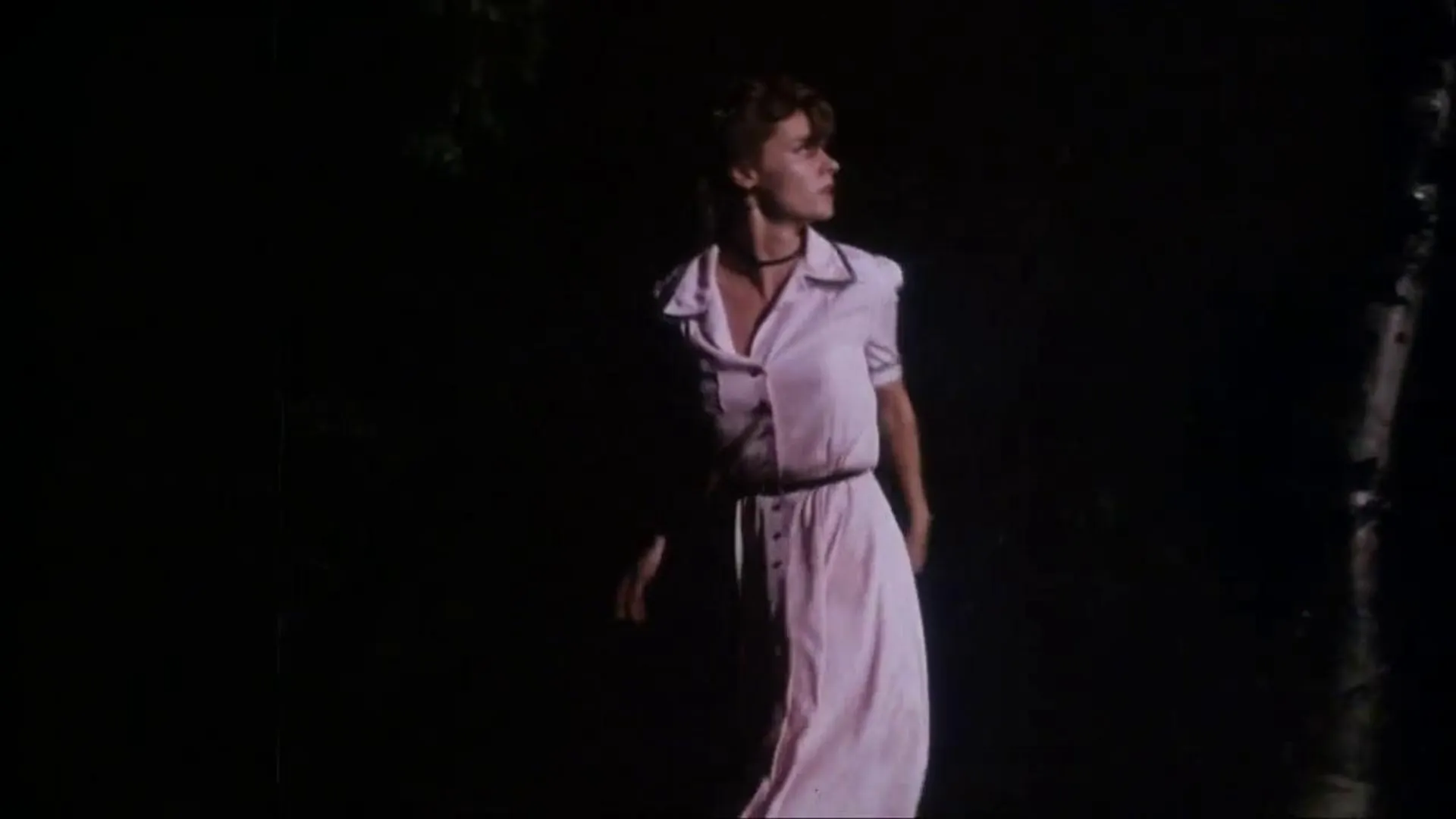
Bikini Bloodbath Christmas (2009)
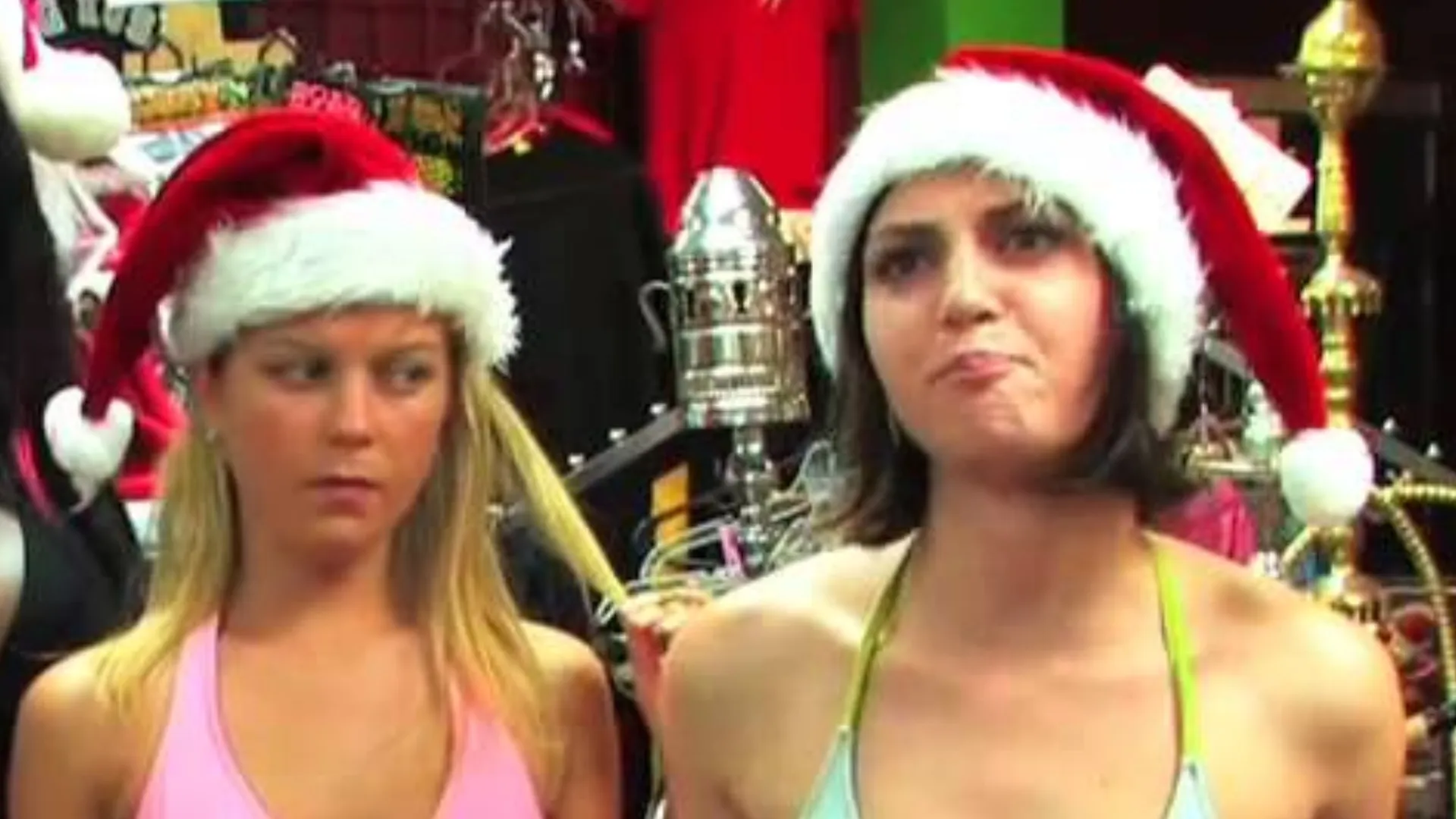
(Source: IMDb)
A wild, over-the-top holiday slasher that combines bikini-clad characters and a murderous chef in a low-budget horror comedy. It’s riotous, ridiculous, often tasteless — and for fans of extreme holiday parody, that makes it a cult spectacle.
The Star Wars Holiday Special (1978)
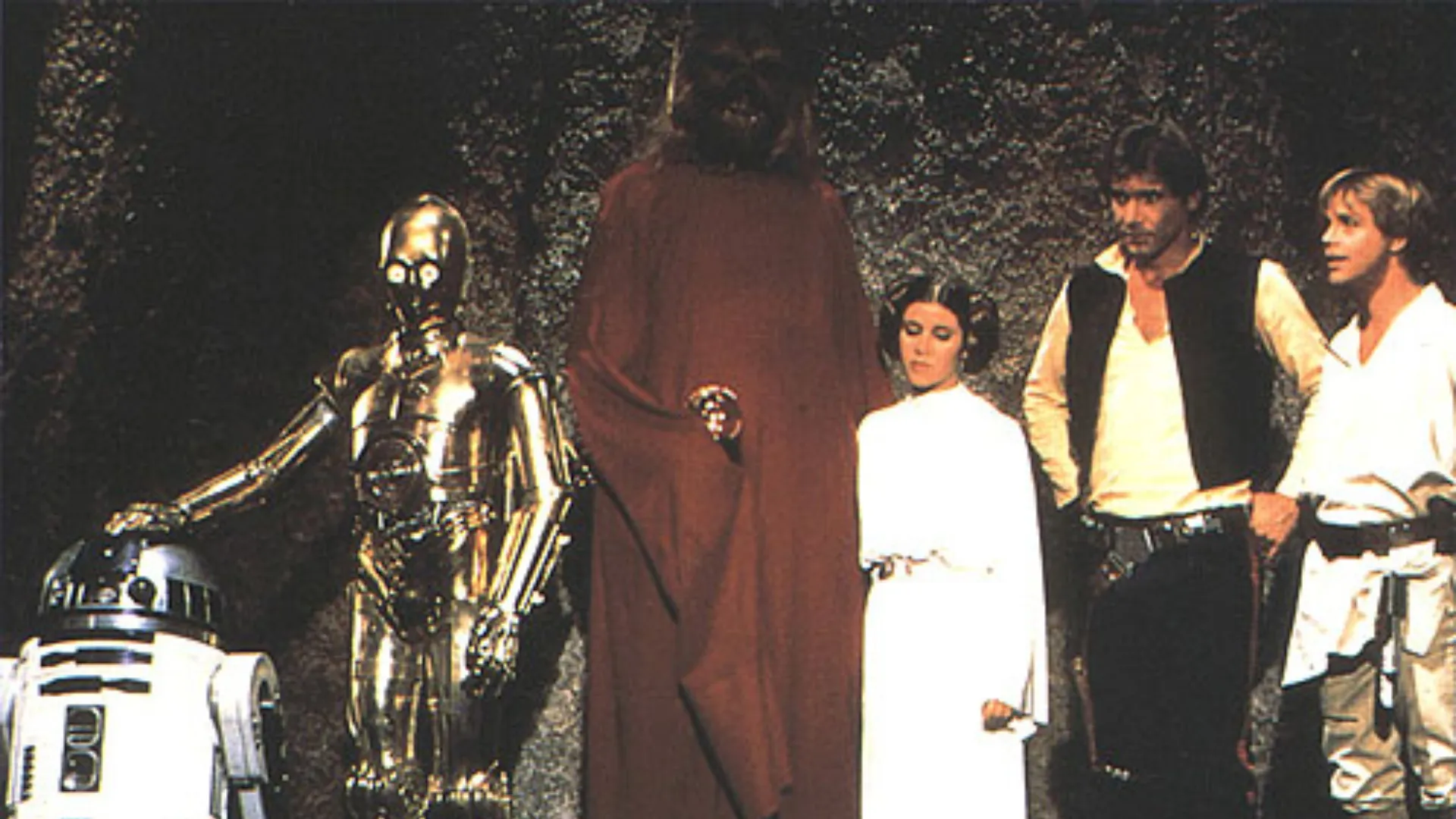
(Source: IMDb)
A relic of 1970s TV oddity: a beloved sci-fi universe colliding with a holiday special that is — to put kindly — chaotic and bizarre. The mixture of melodramatic holiday tropes with intergalactic settings, awkward charm, and tonal whiplash makes it a perfect example of how fractured “holiday movie” can become.
Black Christmas (1974)
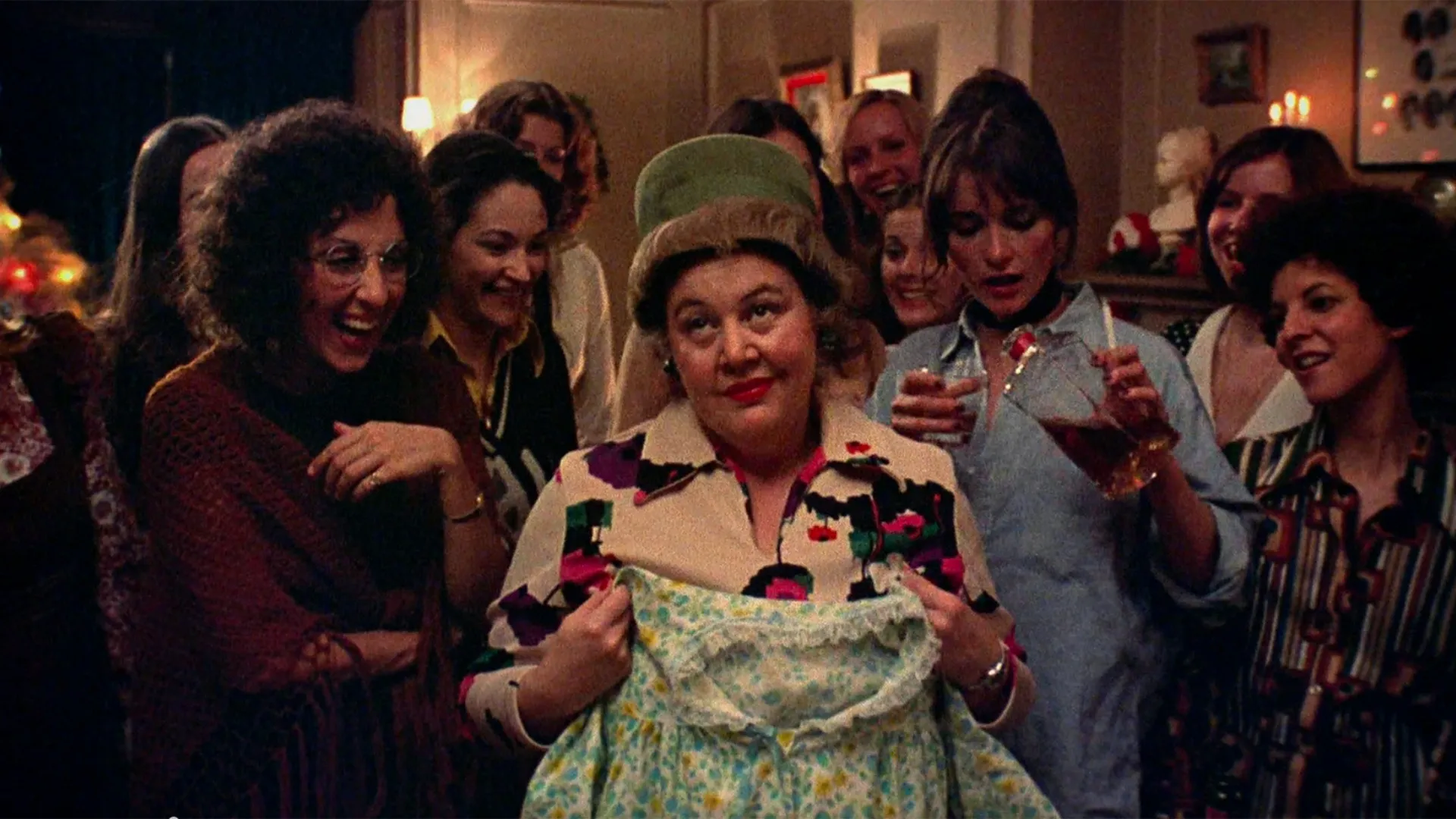
(Source: IMDb)
One of the earliest slasher films set at Christmas. A sorority house becomes the site of terror when a killer lurks in the attic, stalking young women one by one. The film turns festive party scenes and yuletide music into suspense — transforming a cheerful season into dread.
Christmas Bloody Christmas (2022)
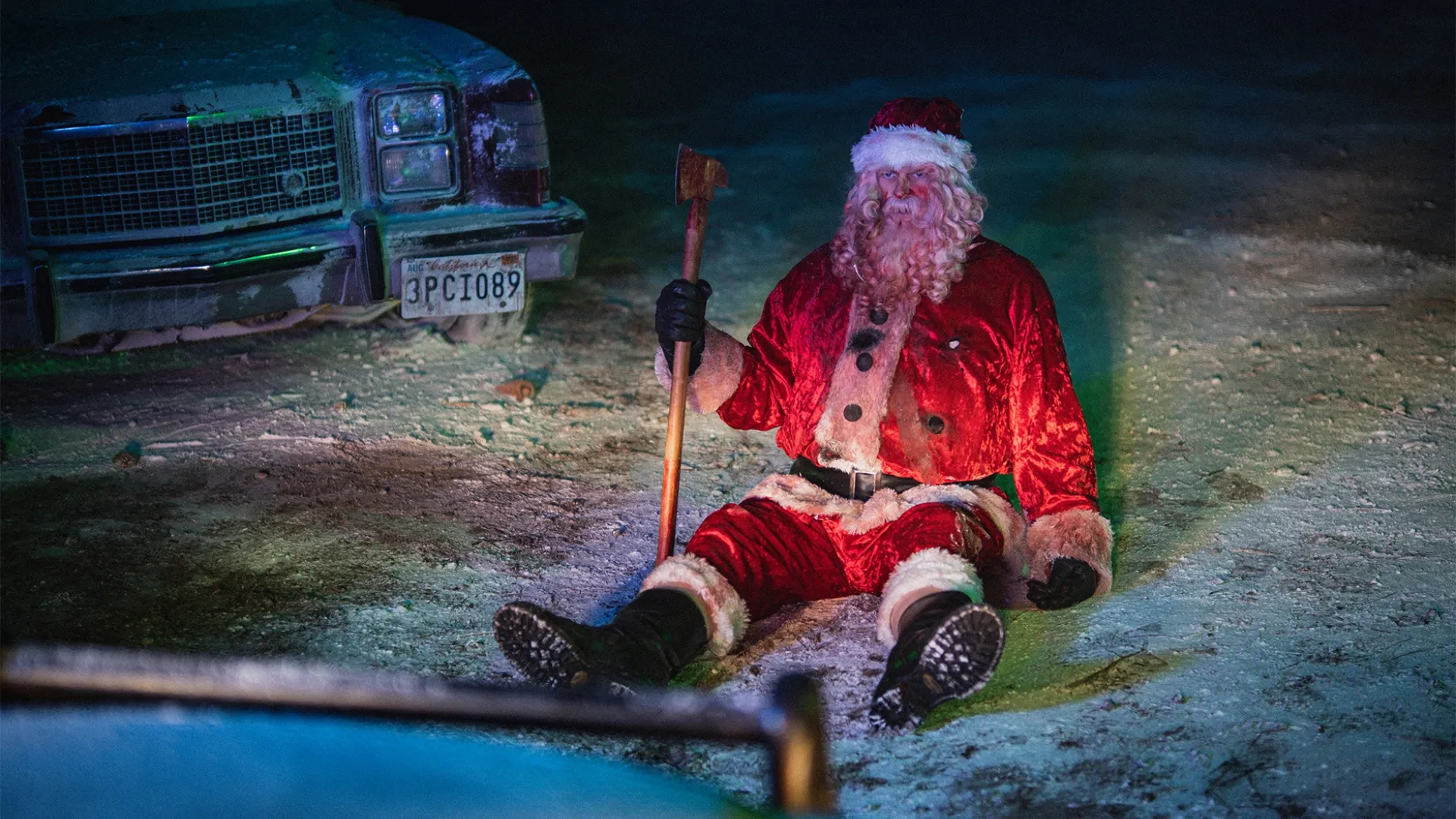
(Source: IMDb)
A futuristic take on holiday horror: a malfunctioning robotic Santa Claus goes on a murderous rampage on Christmas Eve. It’s violent, bleak, and loaded with dark humor — a stark contrast to conventional warm-and-fuzzy yuletide stories.
The Umbrellas of Cherbourg (1964)
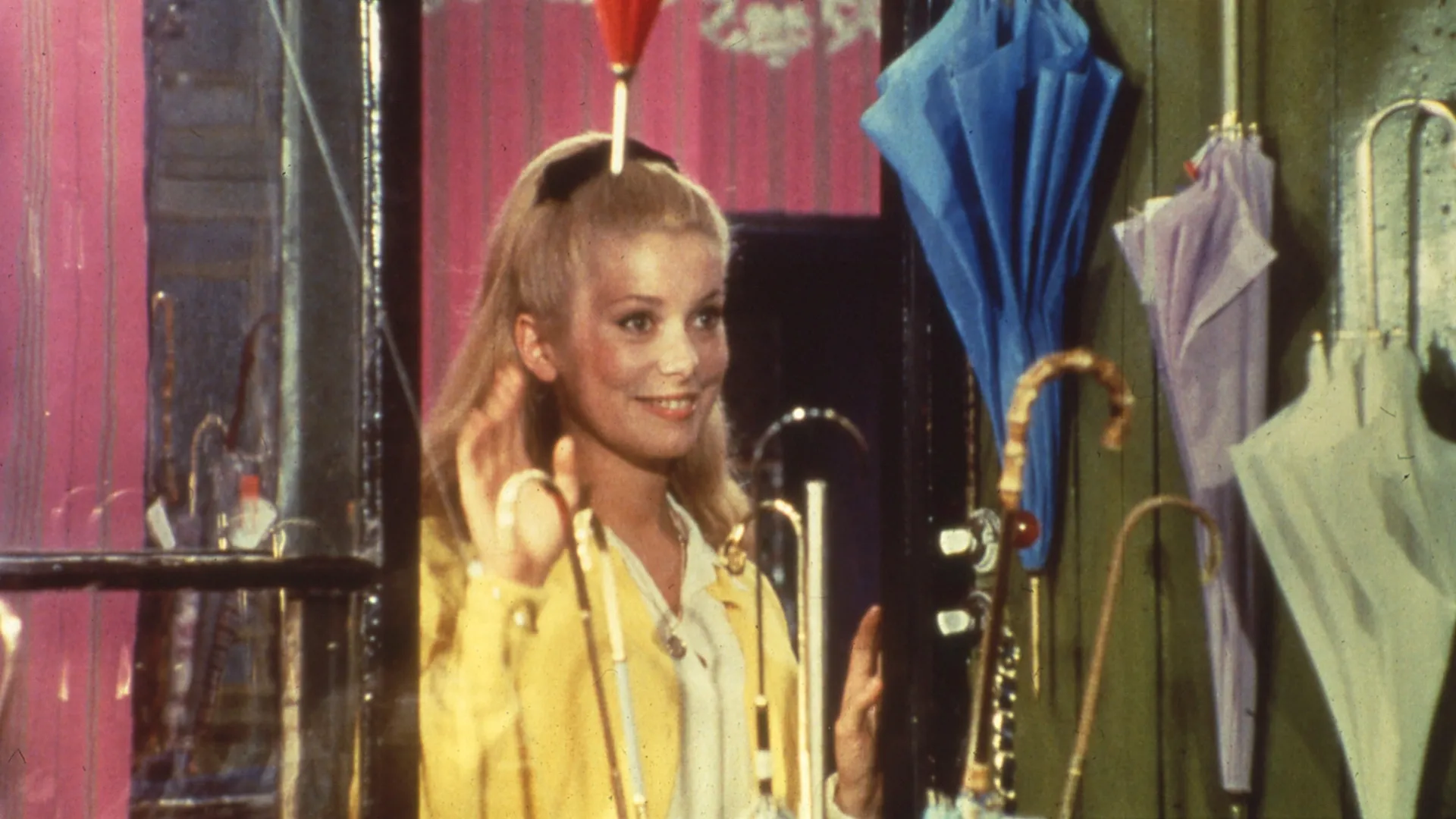
(Source: IMDb)
Not a horror film — but wildly unconventional for a Christmas-themed movie. This French musical-romance doesn’t adhere to standard holiday tropes; instead, it blends longing, melancholy, and romantic disillusionment, making it feel more like a dreamy, bittersweet reverie than a seasonal celebration.
Bad Santa (2003)
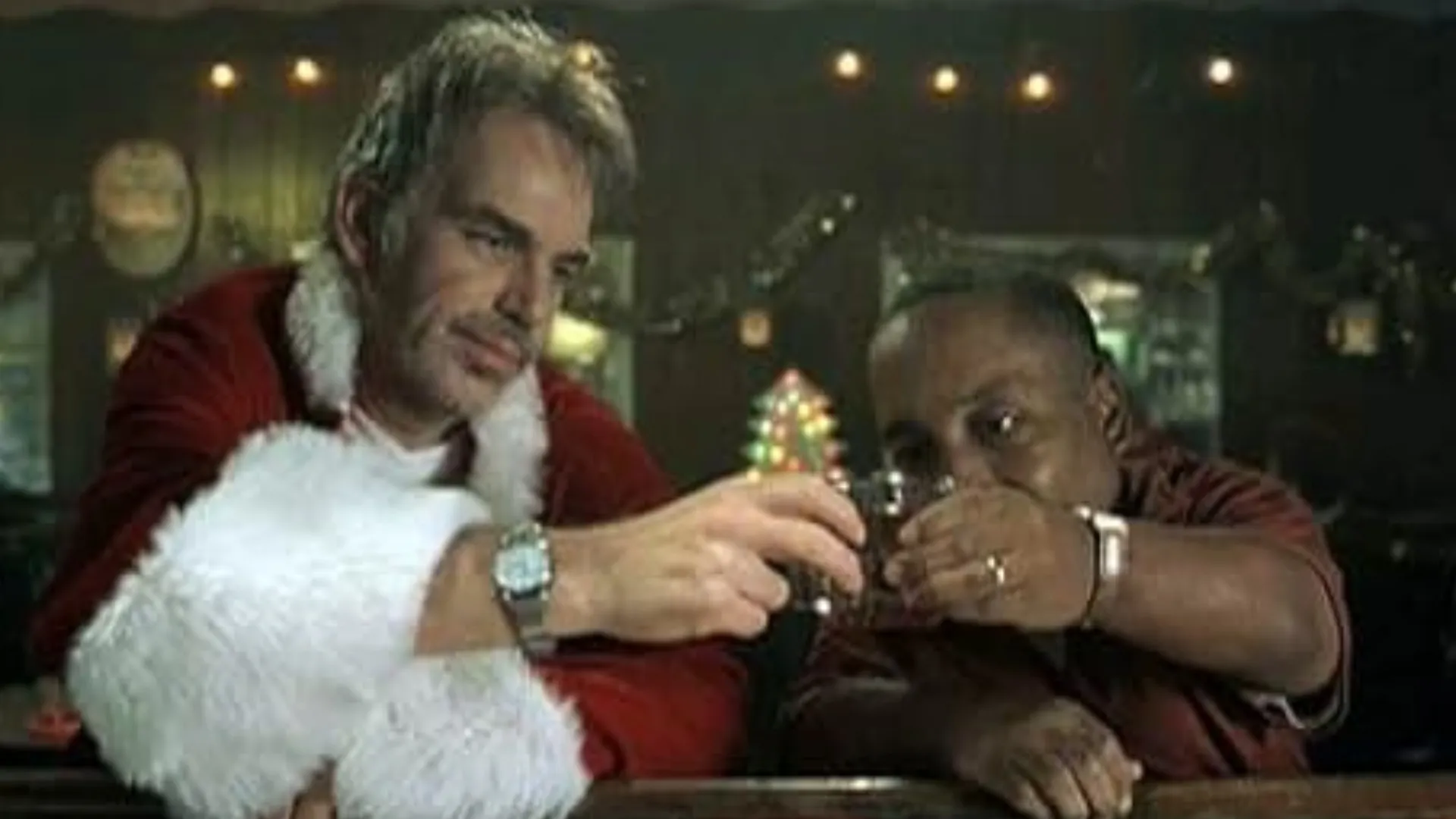
(Source: IMDb)
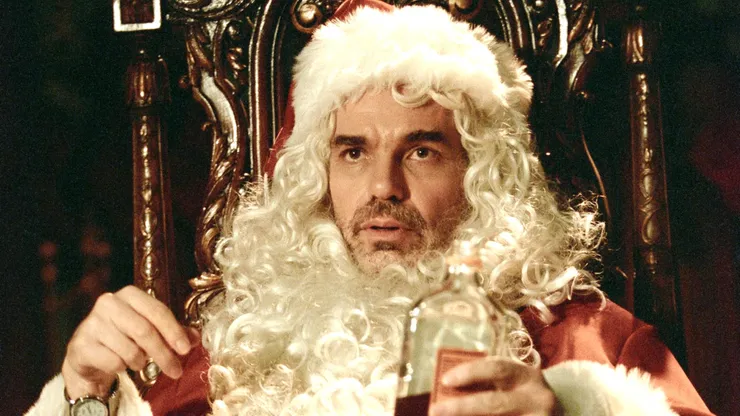
A black-comedy that takes the “mall Santa” idea and turns it into something bitter, cynical and crudely hilarious. The protagonist isn’t magical or kind — he’s a conman, sarcastic and morally dubious, using the holiday backdrop to conduct mischief. The film’s sardonic wit and moral ambiguity redefine what “Christmas spirit” can look like.
Batman Returns (1992)
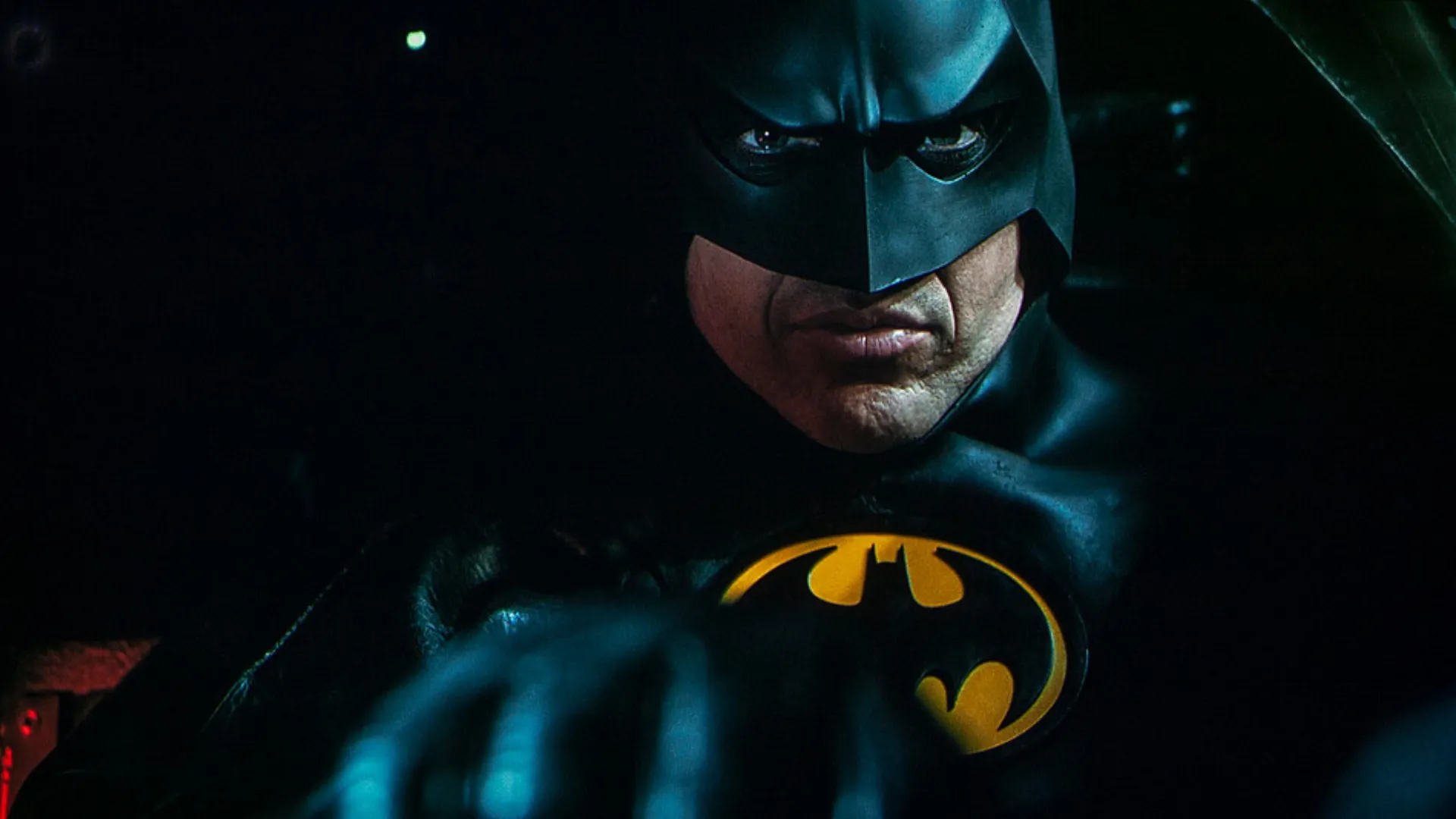
(Source: IMDb)
Superheroes under Christmas lights: this superhero film unspools under a wintery Gotham, mixing dark gothic aesthetics with festive hues, making the holiday season a backdrop for crime, power plays, and moral ambiguity. A far cry from jingle-bells and stockings — but a compelling reinvention of holiday cinema.
The Nutcracker in 3D (2010)
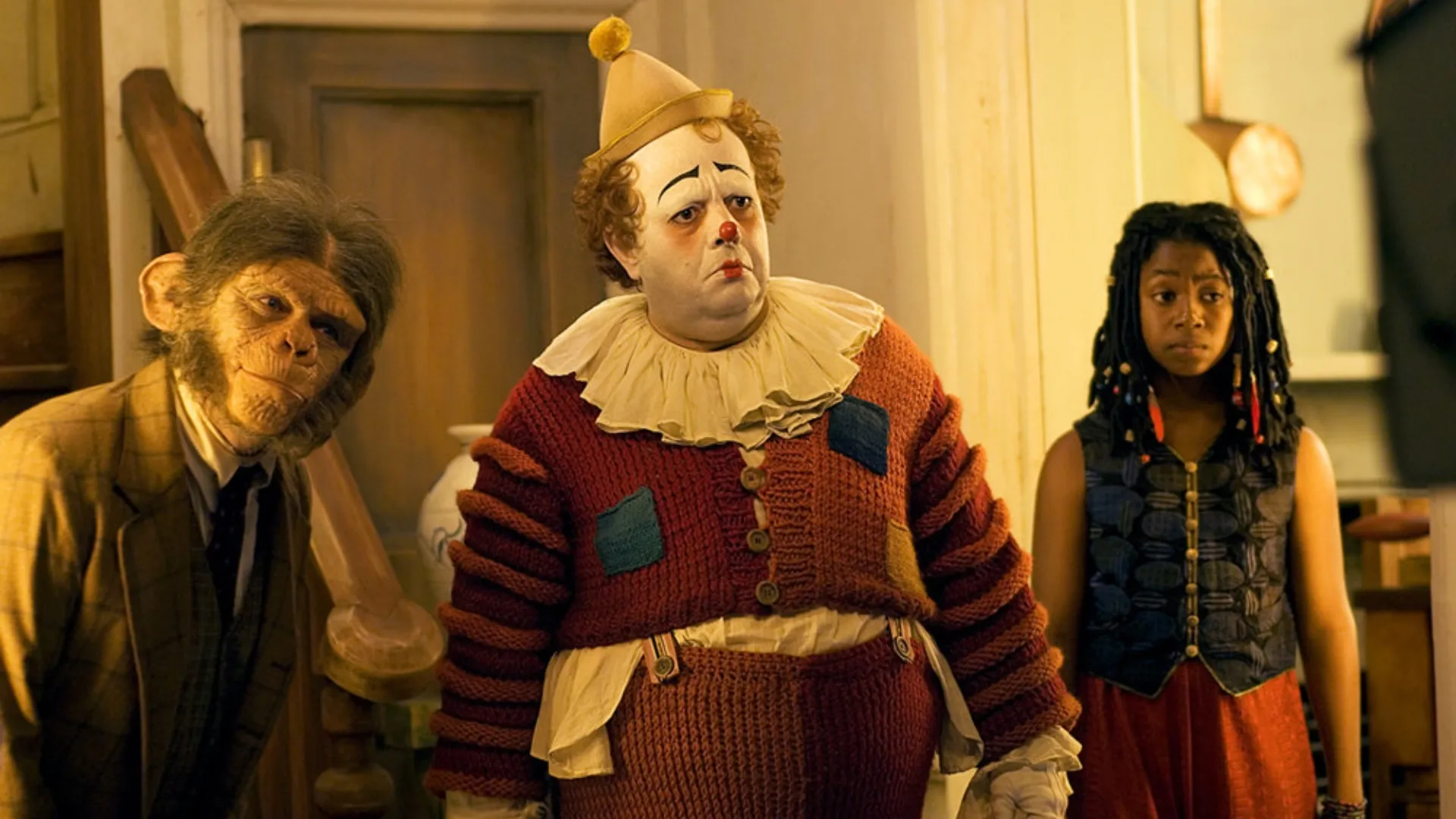
(Source: IMDb)
A bizarre, surreal, and often criticized reimagining of the classic ballet — the adaptation overlays traditional holiday magic with talking animals, strange aesthetic choices, and dreamlike visuals that border on the nightmarish. Holiday nostalgia meets disquieting fantasy.
Santa Claus Conquers the Martians (1964)
(Source: IMDb)
A legendary “so-bad-it’s-good” cult film where Martians decide Earth’s Santa is more useful kidnapped than left on Earth — because Mars has no one to deliver gifts. It mixes low-budget sci-fi, cheesy effects, and holiday silliness in a way that feels absurd, nostalgic, and strangely endearing.
Violent Night (2022)
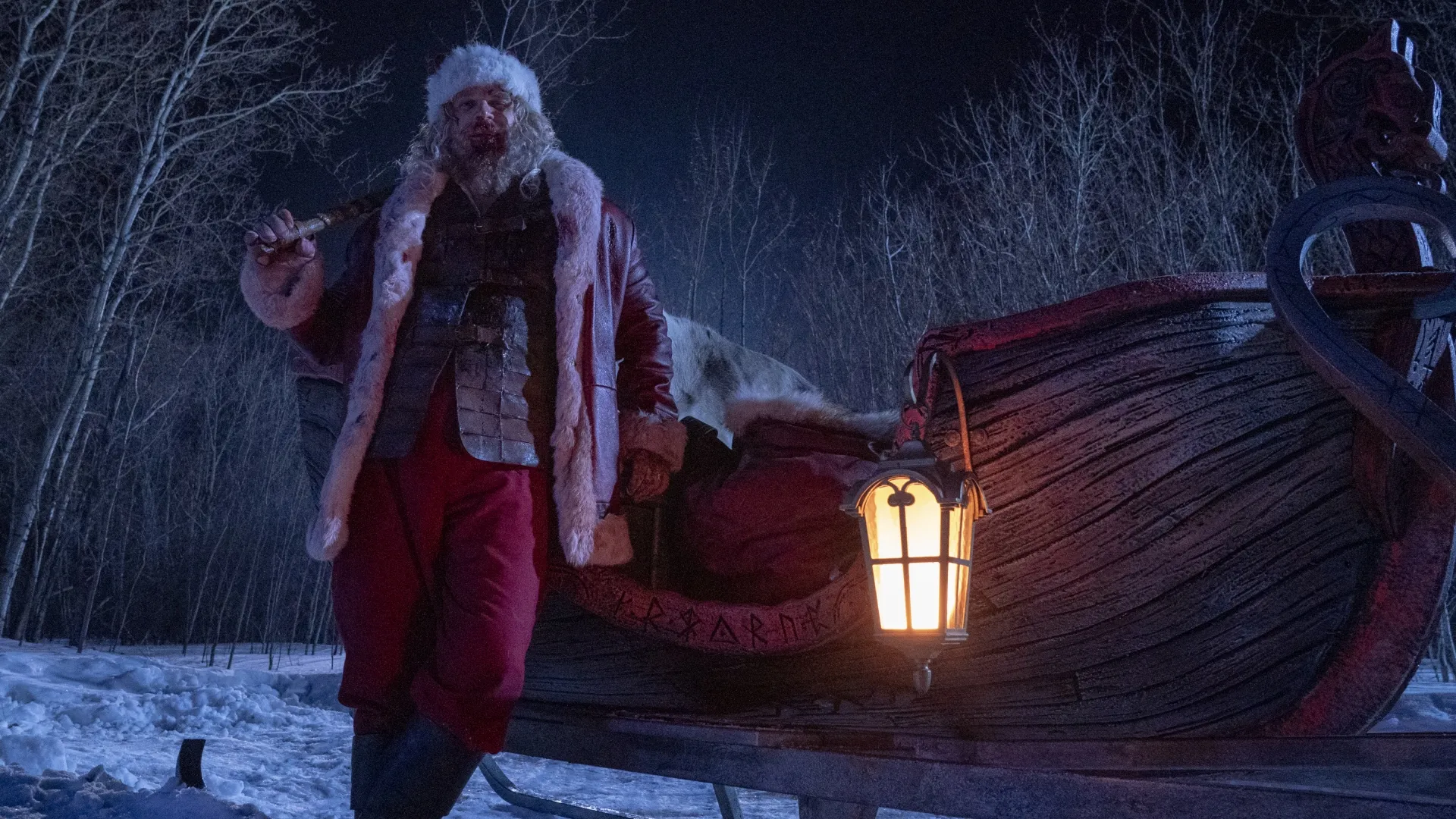
(Source: IMDb)
What begins as a familiar home-invasion thriller mutates into a gleefully savage Christmas action film where Santa himself becomes the last line of defense. Blending brutal fight choreography with dark comedy and holiday iconography, Violent Night turns goodwill into weaponry and reimagines Saint Nick as a weary warrior pushed back into battle by circumstance. It’s irreverent, ultra-stylized, and proof that modern Christmas cinema no longer shies away from bloodied reinvention.
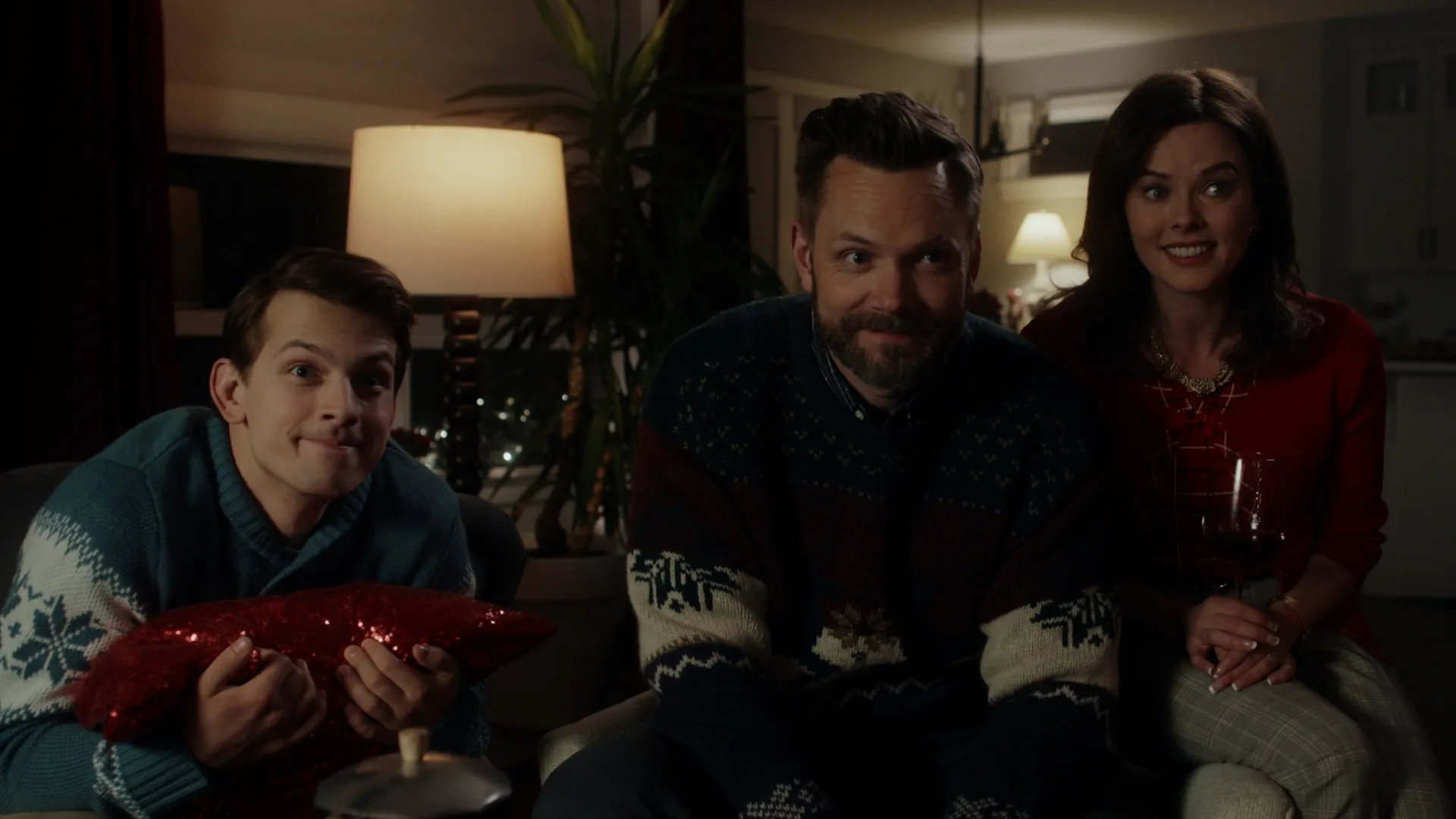
It’s a Wonderful Knife (2023)
(Source: IMDb)
A slasher twist on It’s a Wonderful Life, this film imagines an alternate Christmas universe shaped by regret, violence, and fractured identity. After stopping a killer one year earlier, a young woman wakes up in a parallel reality where she never existed — and where the murders never stopped. The result is a fast-paced, genre-bending holiday horror that blends nostalgia, trauma, and meta-commentary into a story that feels both playful and unsettling.
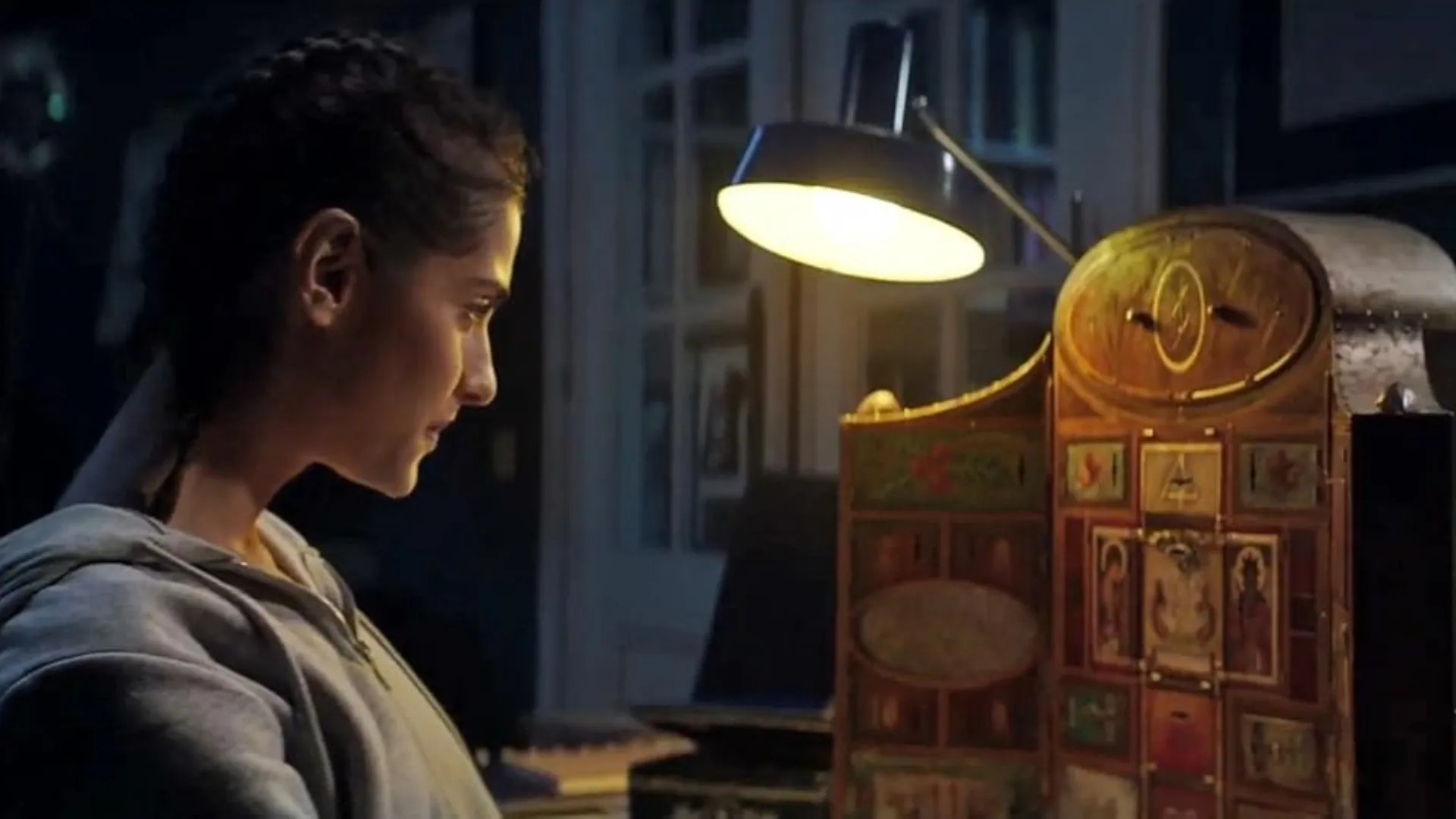
The Advent Calendar (2021)
(Source: IMDb)
Set in wintry France, this supernatural thriller follows a woman who receives an antique advent calendar that grants wishes — at a deadly cost. Each door brings temptation and consequence, turning the ritual countdown to Christmas into a slow psychological descent. Moody, atmospheric, and rooted in folklore rather than spectacle, the film reframes the holiday not as a season of miracles, but as a tightening spiral of moral reckoning.