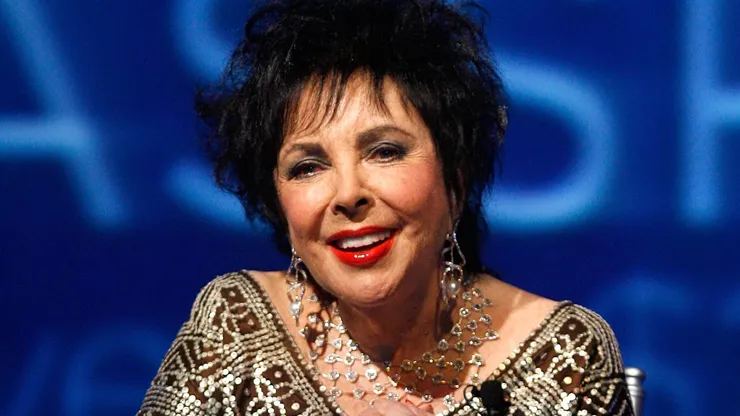
Long before the glare of paparazzi became an industry unto itself, Elizabeth Taylor carved her myth into the celluloid of Hollywood’s golden age with a blend of unearthly beauty, emotional audacity, and sheer cinematic force.
From her breakout as a determined young rider in National Velvet to the dizzying splendor of Cleopatra, her career was never merely a series of performances but a dazzling negotiation between public spectacle and personal fervor.
Her violet-tinted gaze—augmented by genetic rarity and star-making makeup—became a signature not just of an actress but of an era when Hollywood still spoke in epics and tragedies, in laughter and heartbreak.
National Velvet (1944)
(Source: IMDb)
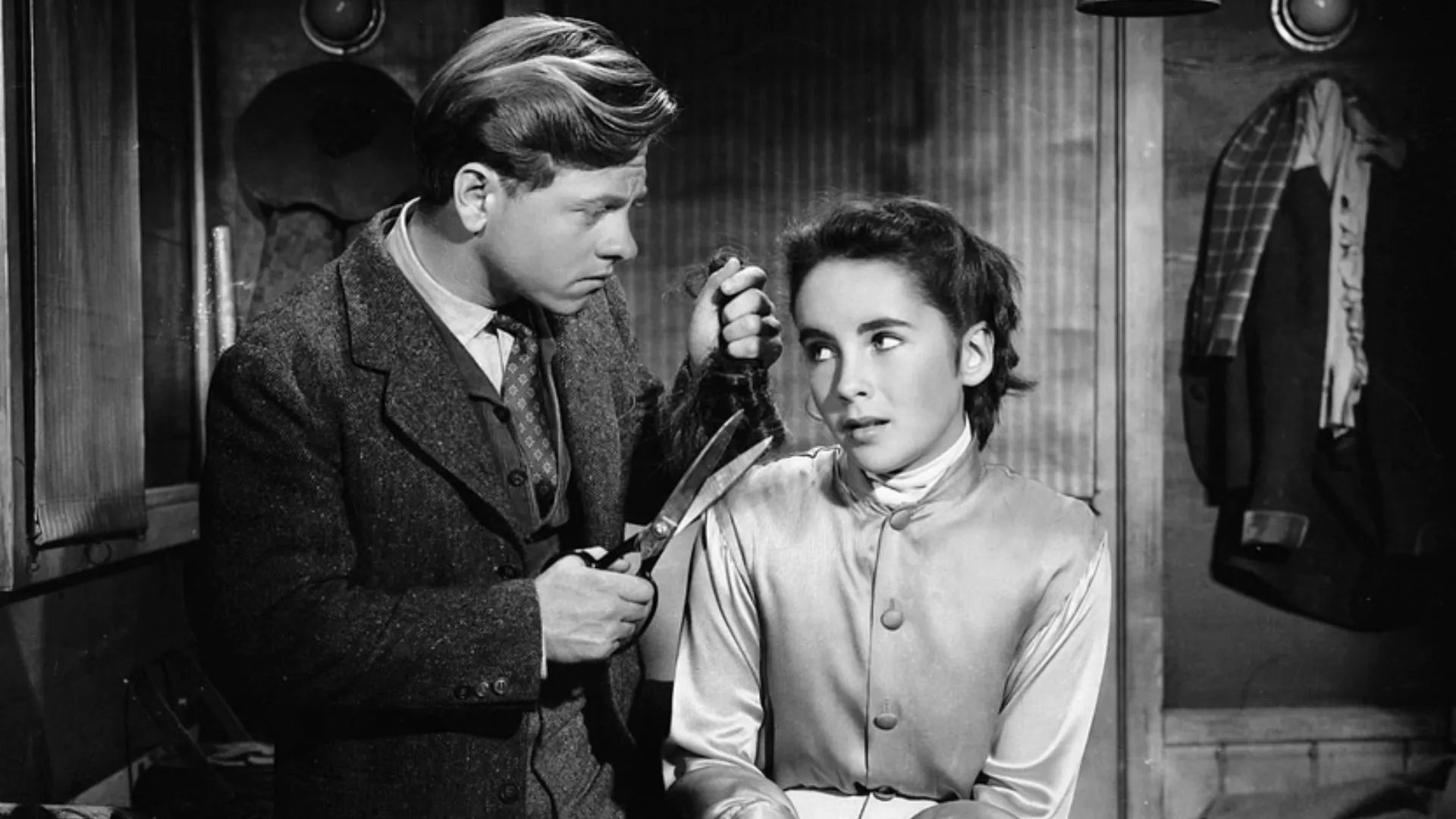
Taylor’s star-making breakthrough came at just twelve, in this Technicolor sports drama about a spirited girl who trains her rescued horse for the Grand National steeplechase.
While the narrative itself is a classic underdog story, Taylor’s performance transcended her age — critics of the time noted her poise and natural presence on camera, qualities that hinted at the future legend she would become.
Praised by reviewers and preserved decades later by the U.S. Library of Congress for its cultural impact, National Velvet remains iconic as the first major cinematic glimpse of Taylor’s magnetic talent.
A Place in the Sun (1951)
(Source: IMDb)
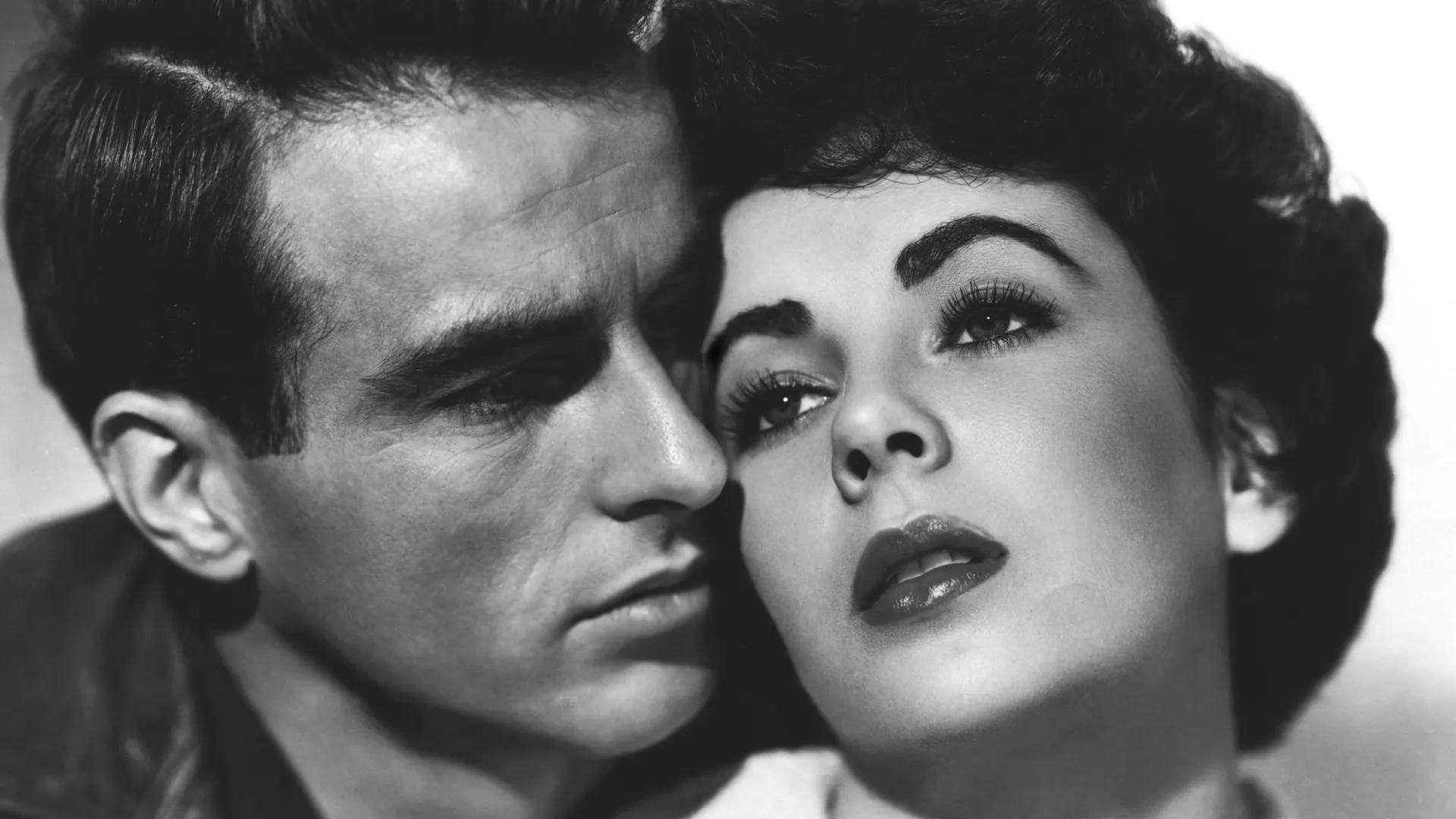
In George Stevens’s adaptation of An American Tragedy, Taylor plays Angela Vickers — an upper-class beauty whose entanglement with a morally conflicted young man spirals into tragedy.
The film, rooted in Theodore Dreiser’s searing social critique, was both a critical and commercial triumph, winning six Oscars and earning a place in the U.S. National Film Registry.
At nineteen, Taylor’s radiant yet subtle performance offered early proof that her appeal wasn’t just surface glamour but emotional depth — an ability to balance longing, optimism, and heartbreak.
Giant (1956)
(Source: IMDb)
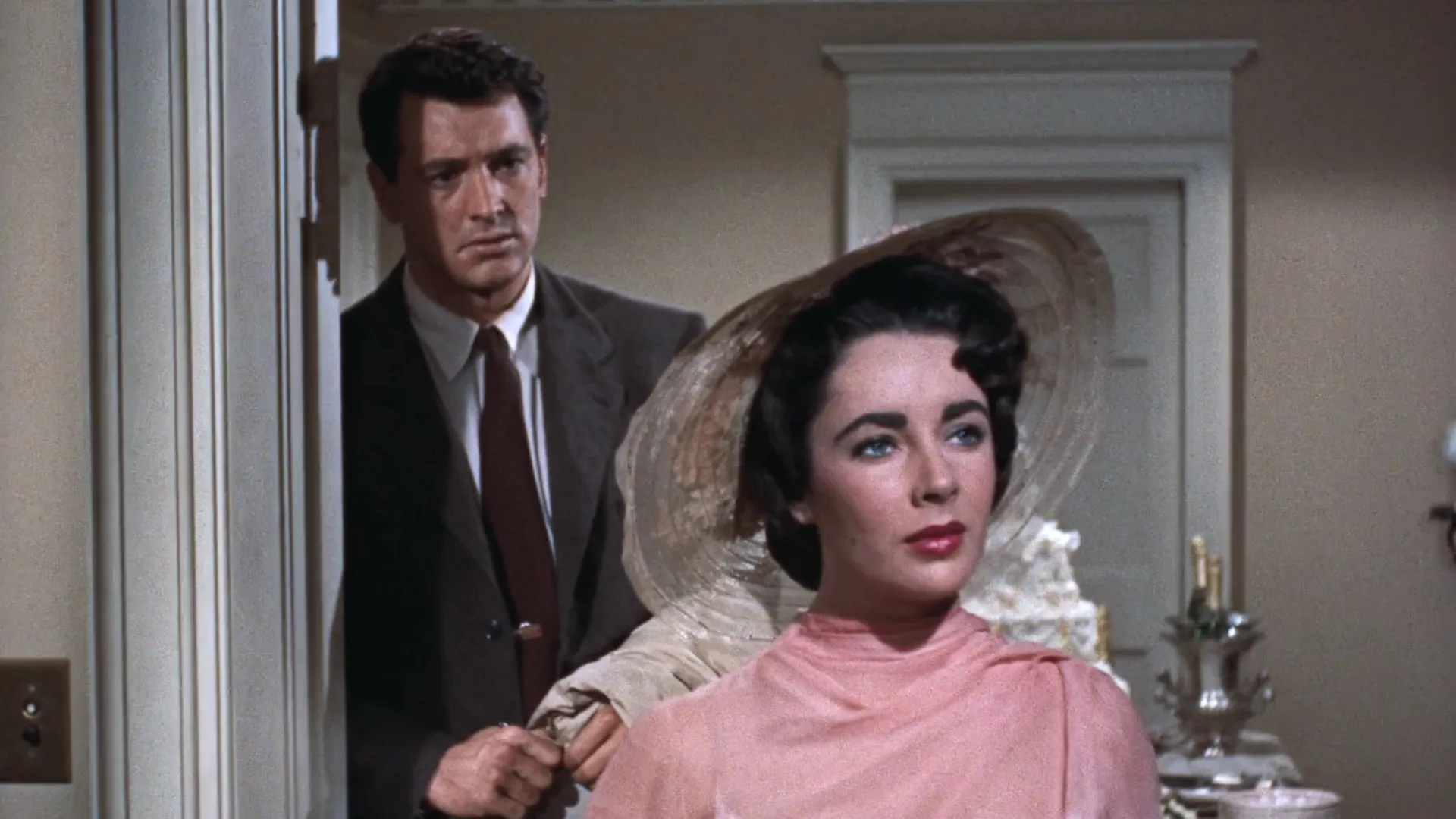
In this sprawling epic of oil, cattle, and social change, Taylor plays Leslie Lynnton Benedict, an educated woman from the East whose marriage to a Texas rancher (Rock Hudson) plunges her into a world of tradition and transformation.
Directed by George Stevens and co-starring the iconic James Dean in his final role, Giant explores race, wealth, and modern identity in America. Taylor’s grounded performance helped anchor the film’s emotional core, asserting her capacity to hold her own alongside Hollywood heavyweights in stories of national scope — and cementing her evolution from ingenue to leading lady.
Cat on a Hot Tin Roof (1958)
(Source: IMDb)
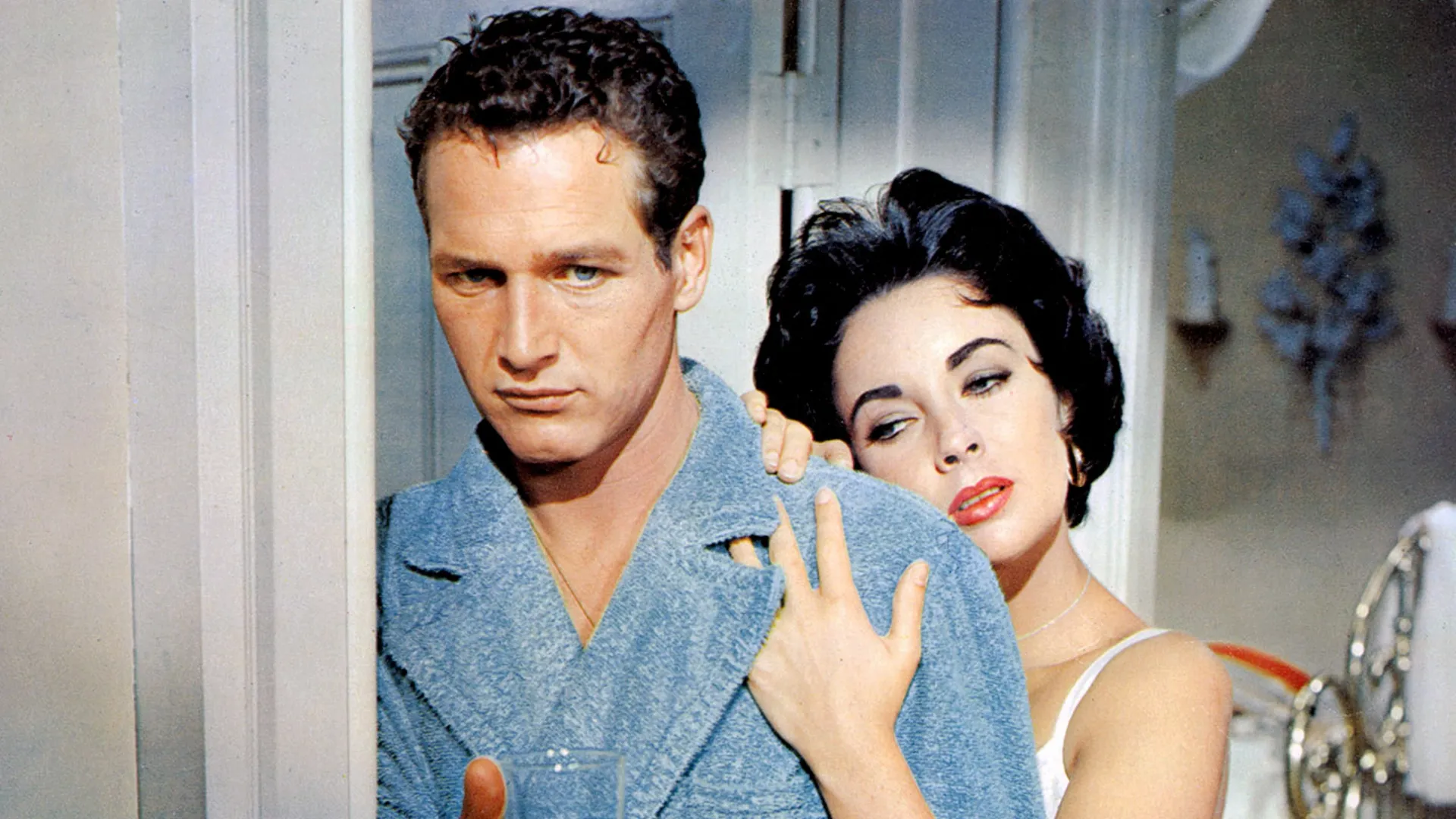
Adapted from Tennessee Williams’s Pulitzer Prize-winning play, this sultry, emotionally charged drama cast Taylor as Maggie “the Cat,” a woman grappling with a loveless marriage, family tension, and unfulfilled desire.
Her chemistry with Paul Newman and the film’s commercial success made it one of MGM’s biggest hits of the year. Beyond box-office numbers, Taylor’s performance was remarkable for its nuanced portrayal of a character caught between vulnerability and fierce will — a complexity rare for screen heroines of the era.
BUtterfield 8 (1960)
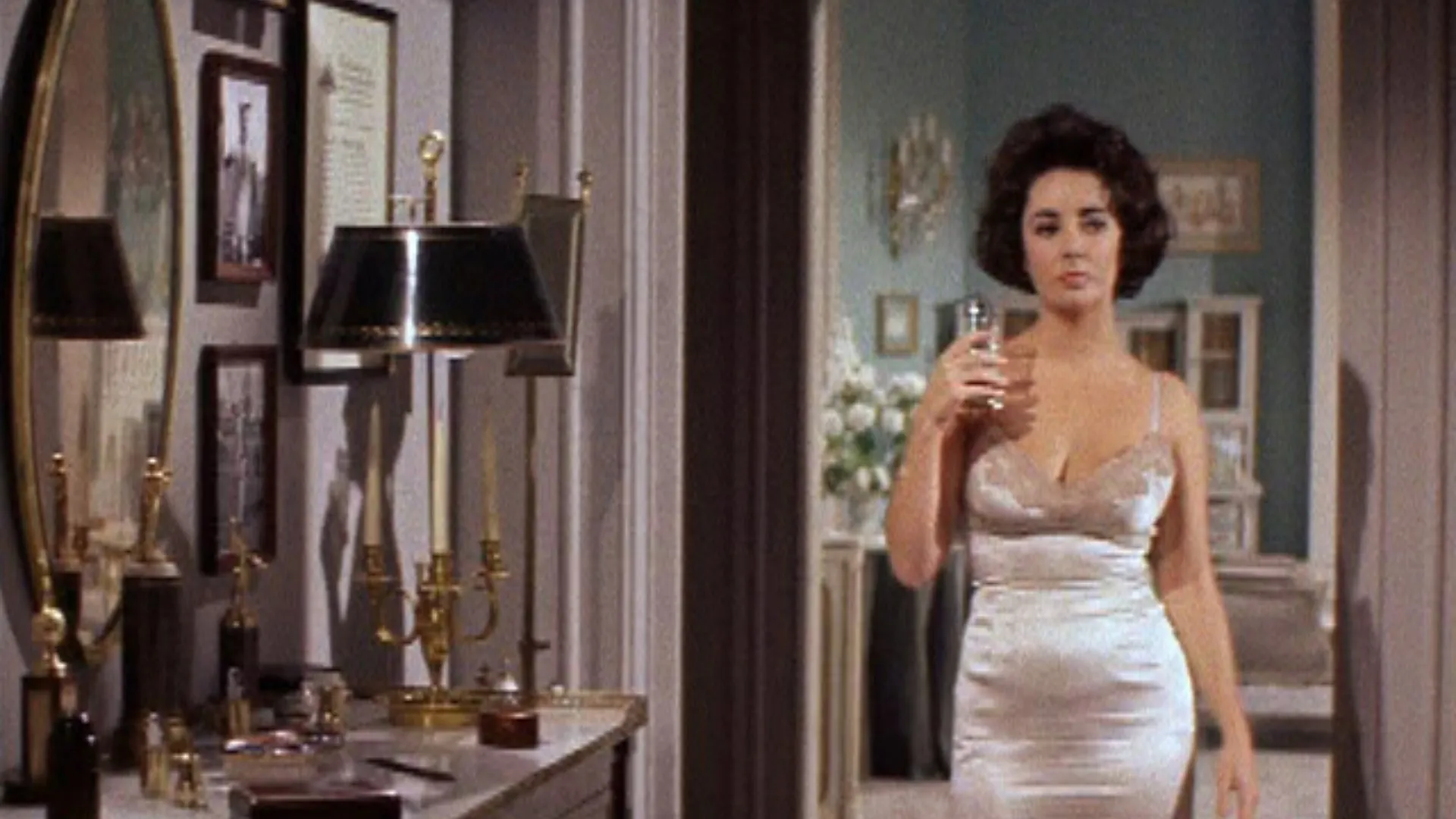
(Source: IMDb)
This controversial melodrama earned Taylor her first Academy Award for Best Actress, portraying Gloria Wandrous — a conflicted New York call girl navigating love, shame, and self-worth.
Although Taylor later expressed disdain for the film’s quality and felt forced into the contract, her performance was electric: sharp, bold, and unsparing. In an era when female characters were often flattened into stereotypes, she brought depth and discomfort to a role that flouted mid-century movie morals.
Cleopatra (1963)
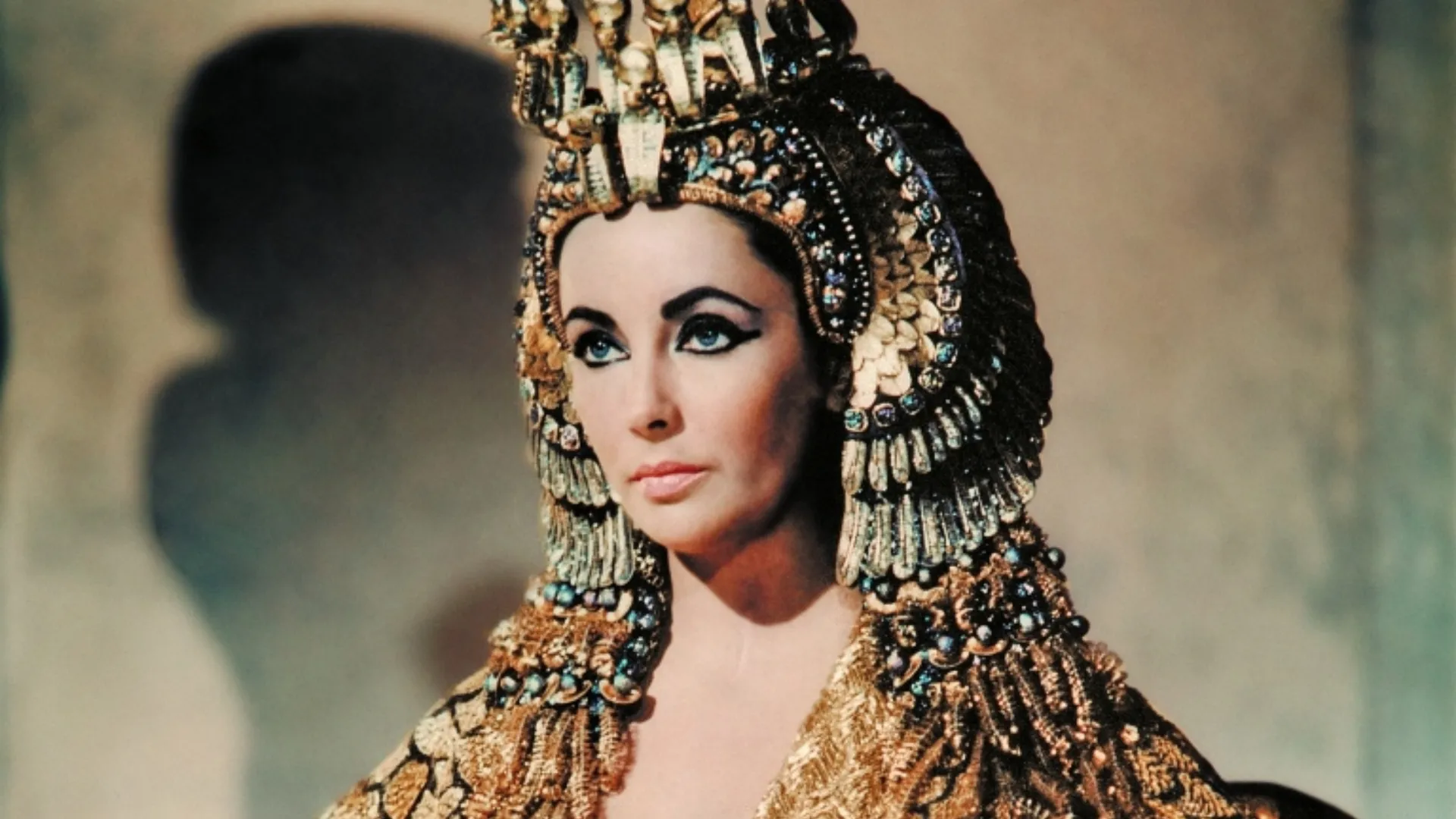
(Source: IMDb)
This colossal epic — still one of the most expensive films ever made to that point — transformed Taylor into global myth. As Egypt’s last pharaoh, she commanded screen after screen with regal authority, opulent costumes, and towering ambition.
The production was as famous for its behind-the-scenes drama as for its narrative, with Taylor’s off-camera romance with co-star Richard Burton becoming a worldwide sensation and tabloid storm. Cleopatra wasn’t just a film; it was a cultural event that reshaped Hollywood economics, star power, and Taylor’s own legend.
Who’s Afraid of Virginia Woolf? (1966)
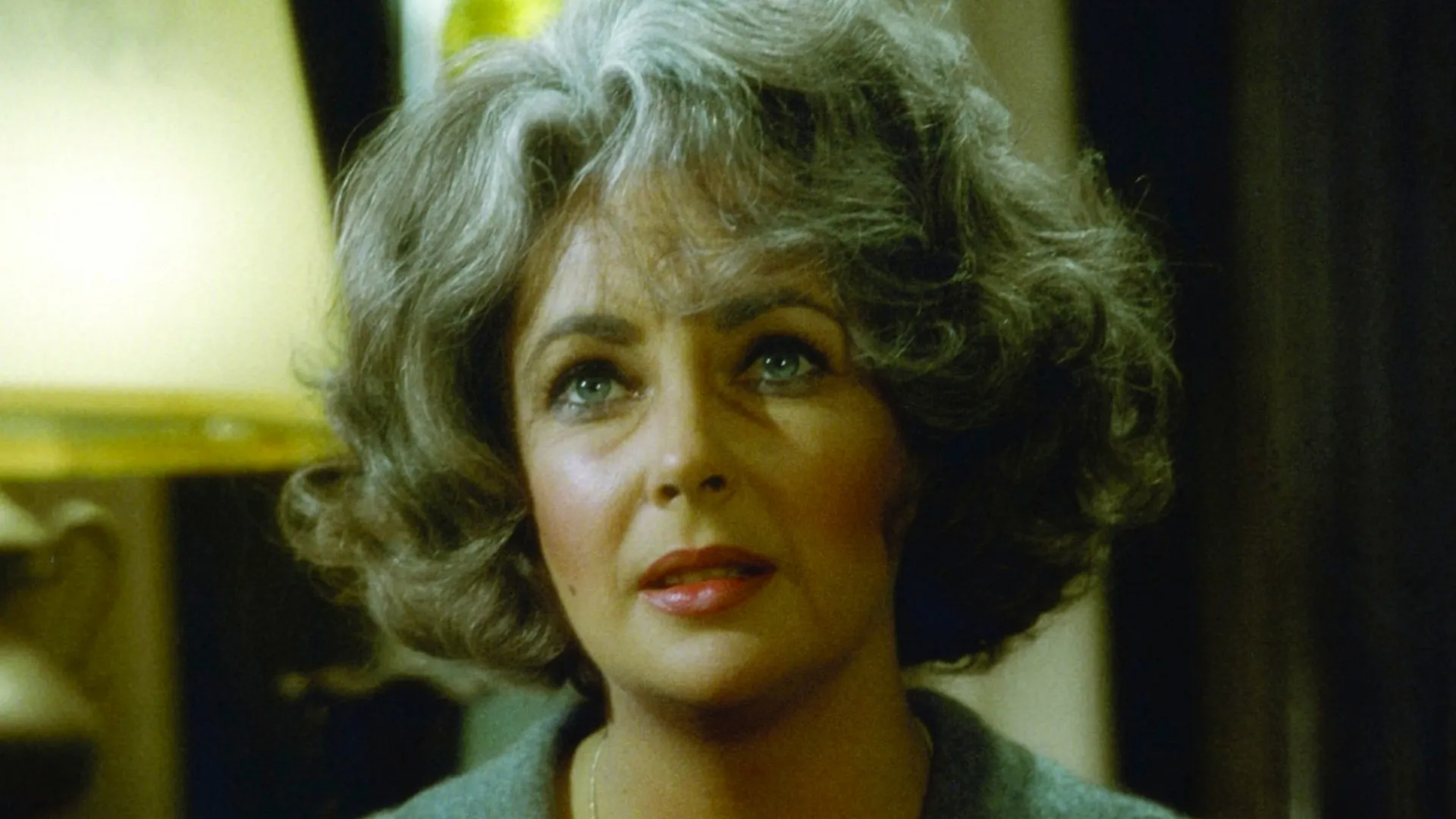
(Source: IMDb)
In Mike Nichols’s blistering adaptation of Edward Albee’s play, Taylor delivers what many critics consider her career’s greatest performance as Martha — a bitter, bruised academic wife in a volatile marriage.
The role demanded emotional ferocity: she gained weight, embraced heavier characterization, and unleashed a barrage of emotional and verbal intensity. Her second Oscar win was long overdue; the film itself shattered Hollywood taboos with profanity and raw psychological realism that felt revolutionary at the time.
The Taming of the Shrew (1967)
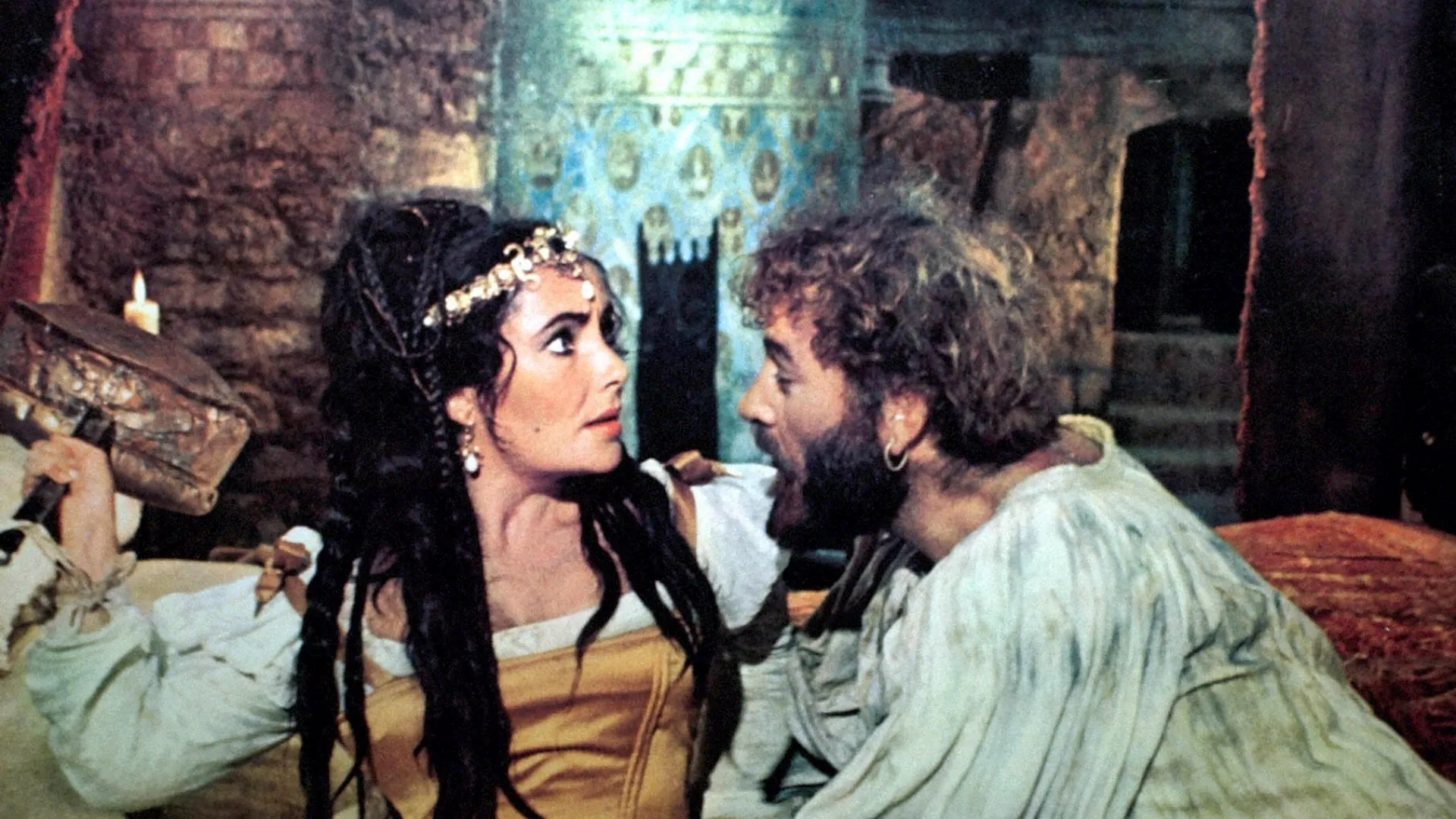
(Source: IMDb)
Taylor co-starred with her husband Richard Burton in this spirited cinematic take on Shakespeare’s classic. She also produced the film — a sign of her growing control in an industry still dominated by male producers and directors.
As Katherine, she navigates wit, verbal dueling, and changing power dynamics in an early comedy about gender and performance. The pairing of Shakespearean text with big-screen glamour made this project an intriguing blend of high culture and celebrity spectacle.
Reflections in a Golden Eye (1967)
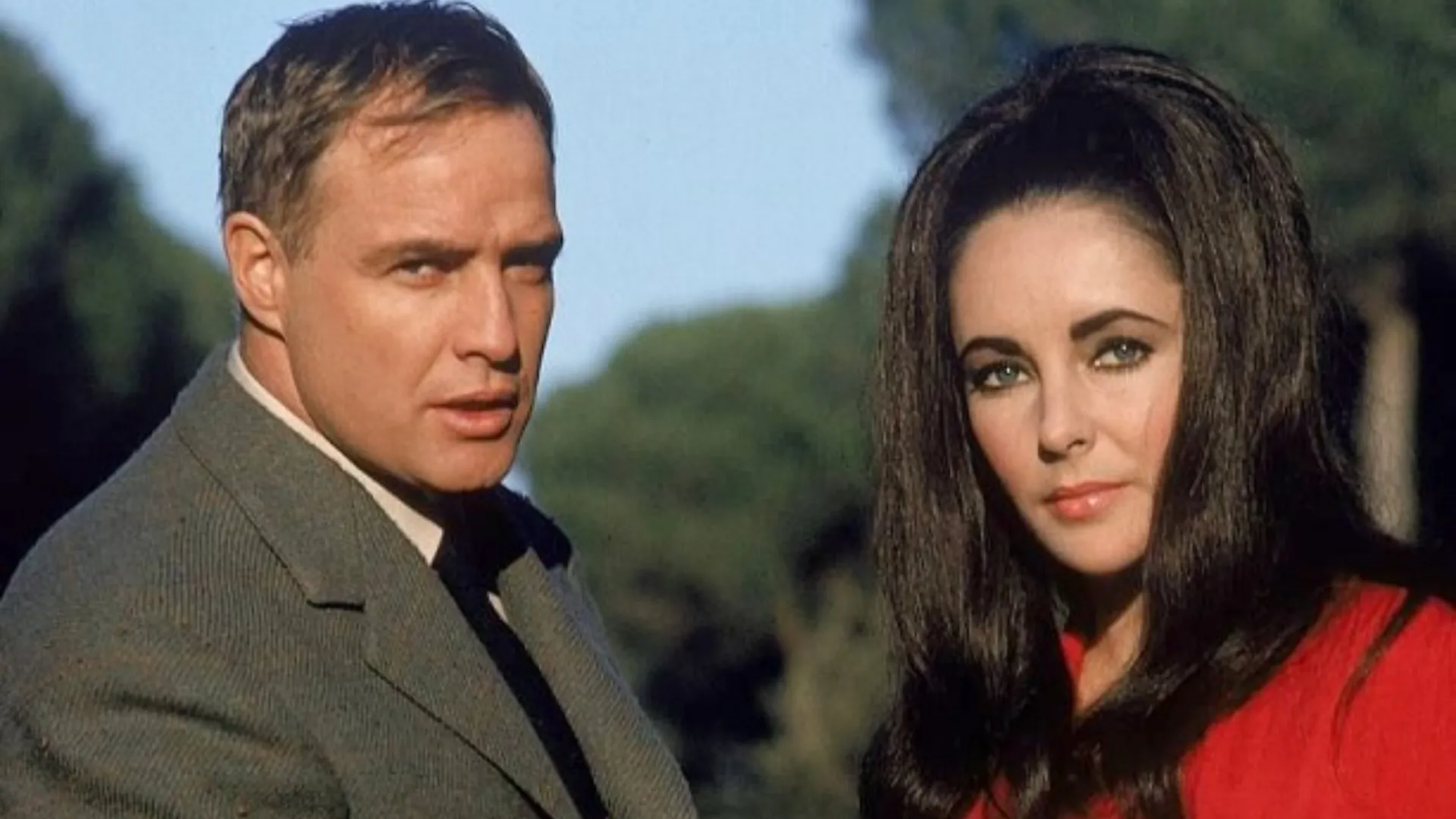
(Source: IMDb)
Under John Huston’s direction, Taylor took on a psychological drama exploring repression, voyeurism, and internal violence within a U.S. Army base. Starring opposite Marlon Brando, she portrays Leonora Pendleton — a woman trapped in an emotionally and sexually fraught marriage.
The film’s mature themes and tense atmosphere showcased her willingness to push into unsettling territory, further expanding her range beyond conventional star vehicles into edgy, character-driven cinema.
The Sandpiper (1965)
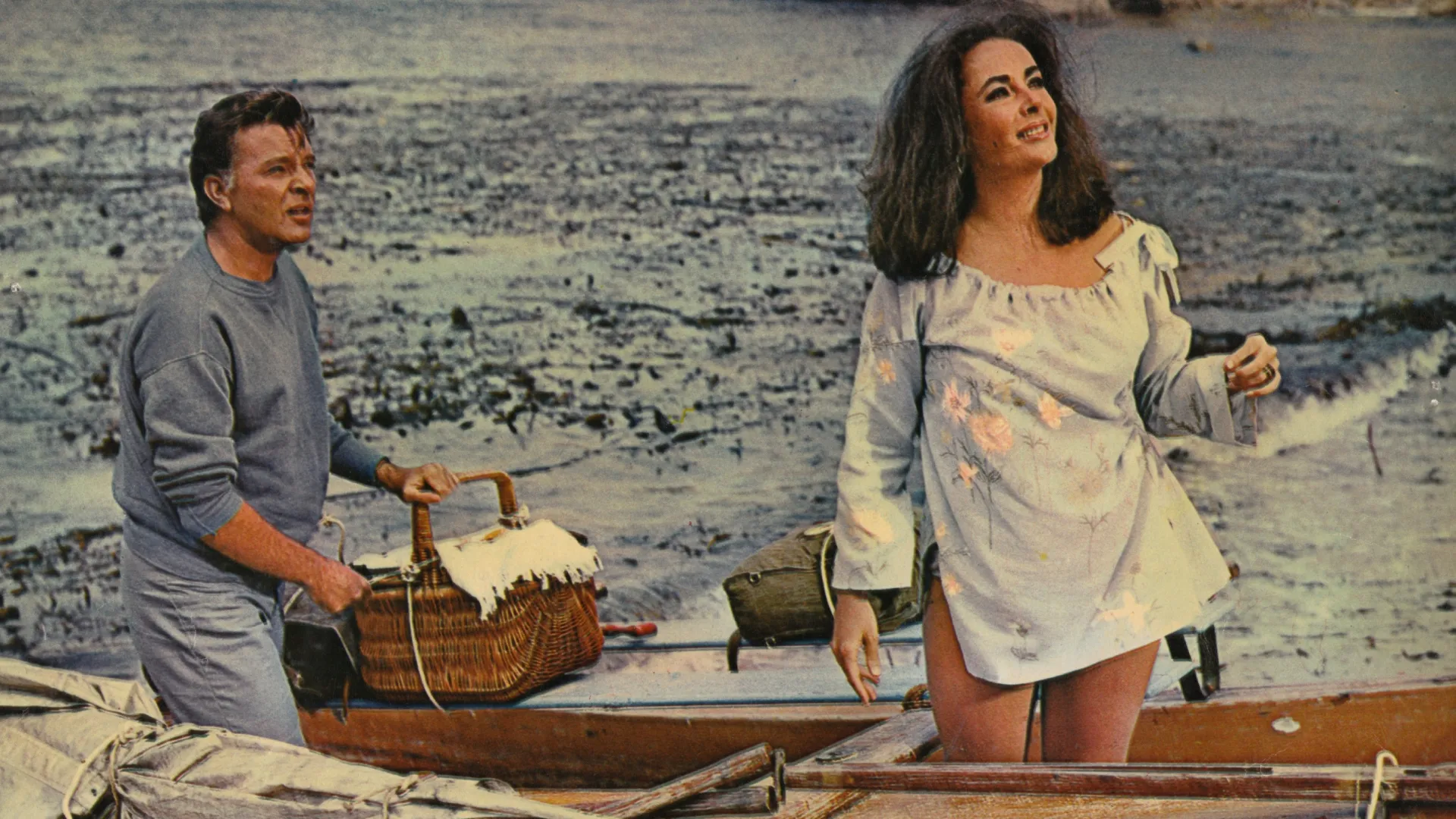
(Source: IMDb)
Directed by Vincente Minnelli, this romantic drama paired Taylor again with Richard Burton at the height of their global fame. She plays Laura Reynolds, a free-spirited coastal artist whose affair with a married Episcopal priest ignites scandal and moral conflict.
While critics were divided at the time, the film is crucial in understanding Taylor’s mid-1960s persona: sensual, independent, and unafraid to embody complicated women living outside conventional morality.
Off-screen, her relationship with Burton was headline news worldwide, further blurring the line between performance and personal mythology — something that became inseparable from her legend.