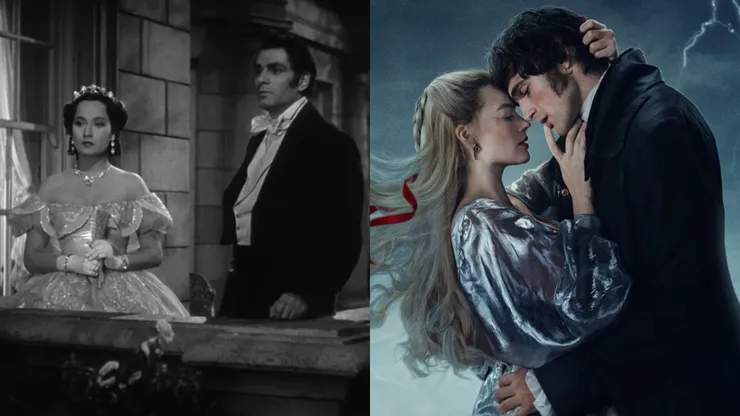
We explore the stark differences between William Wyler’s timeless cinematic pioneer and Emerald Fennell’s provocative 2026 iteration.
On a day exactly like today, April 7, 1939, the golden age of Hollywood delivered one of the most celebrated cinematic versions of Wuthering Heights, cementing the brooding Yorkshire tale in the global pop-culture consciousness. Fast forward to 2026, and the windswept moors have returned to the silver screen under the highly stylized, audacious direction of Emerald Fennell.
While both films tackle the devastating, toxic love story between Catherine Earnshaw and Heathcliff, their approaches could not be more fundamentally distinct. From casting choices to visual aesthetics, the evolution of this literary masterpiece highlights exactly how modern cinema interprets classic tragedy. Here is a breakdown of the biggest differences between the 1939 Hollywood staple and the 2026 modern reimagining.
The Directorial Vision
While William Wyler approached the 1939 film as a straightforward, prestige studio melodrama, Emerald Fennell took a radically different path for her 2026 iteration. Wyler focused on delivering a polished, romanticized tragedy that fit perfectly within the strict constraints of classic Hollywood sensibilities. In contrast, Fennell intentionally leaned into the chaotic, obsessive nature of the source material to recreate the intense feeling of a teenager reading the book for the very first time. Her version strips away the sanitized veneer of the past, fully embracing the deeply feral passion that defines Brontë’s original gothic vision.
IMDb
Casting the Star-Crossed Lovers
The 1939 production famously starred Laurence Olivier and Merle Oberon, who brought a highly refined, theatrical elegance to Heathcliff and Catherine. Their performances were intensely dramatic but always maintained a certain level of mid-century aristocratic polish that kept the characters somewhat grounded.
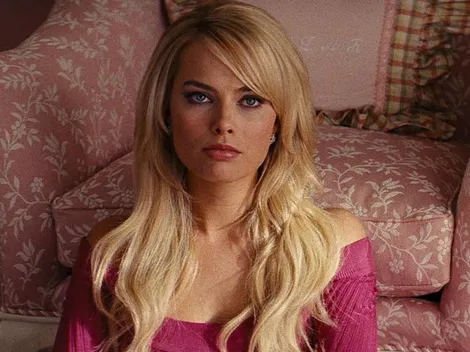
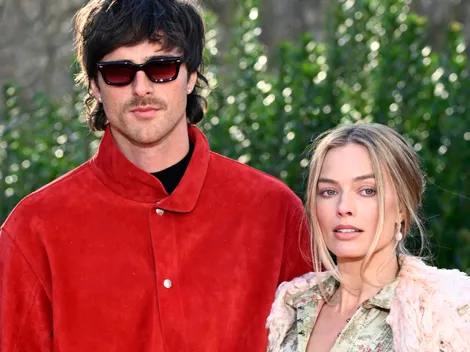
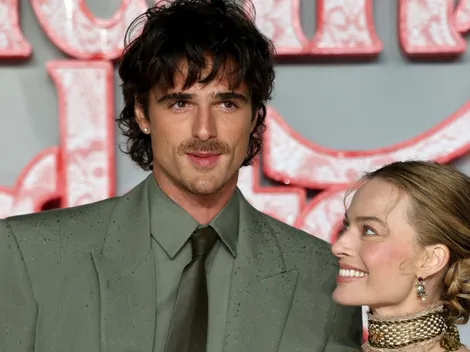
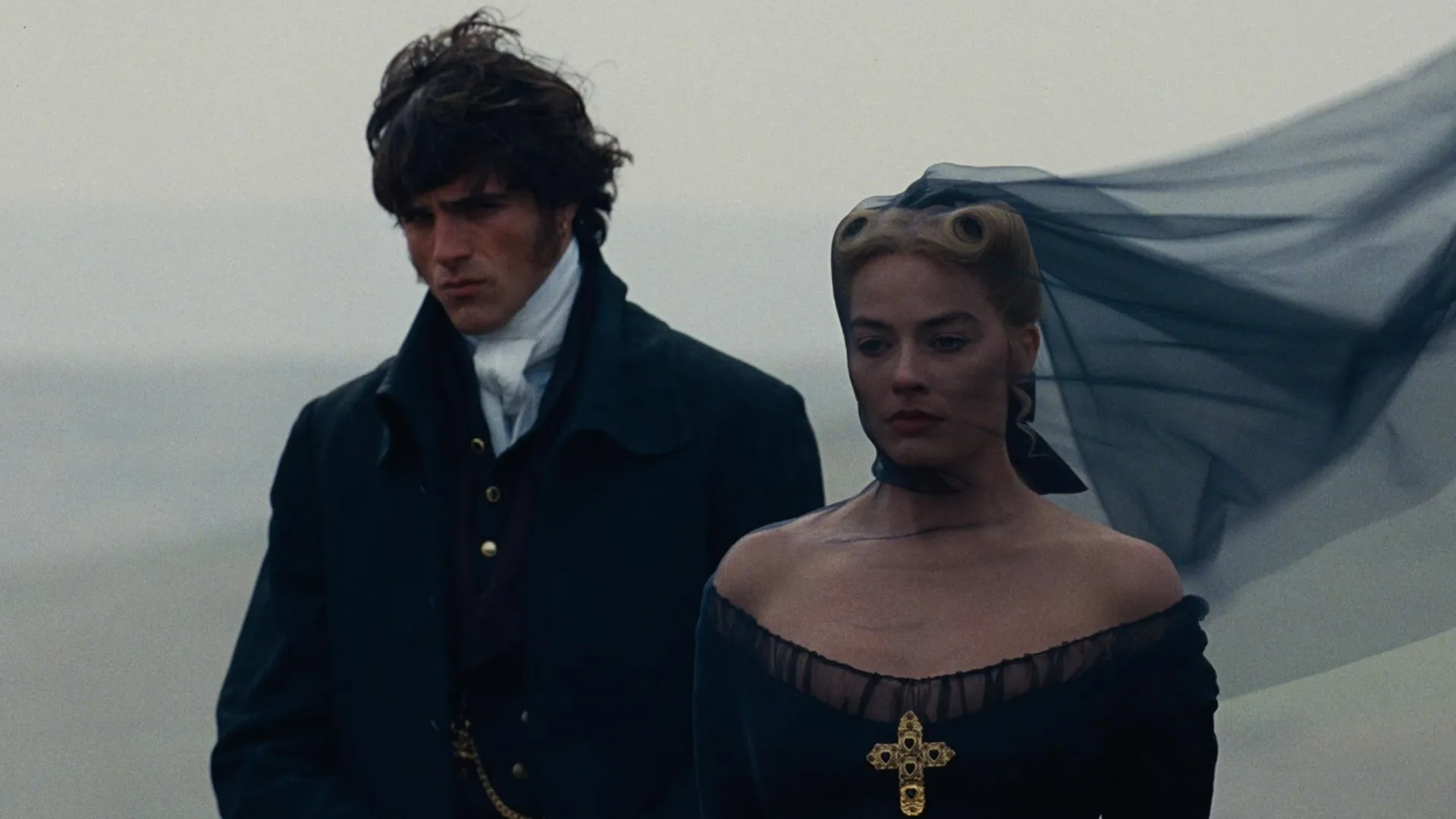
The 2026 film completely shatters this traditional mold by casting Jacob Elordi and Margot Robbie in the iconic leading roles. Elordi brings a towering, raw physicality to the brooding outsider, while Robbie infuses Catherine with a fiercely modern, almost unhinged desperation that contrasts sharply with Oberon’s composed demeanor.
Visual Atmosphere and Cinematography
Gregg Toland’s Oscar-winning black-and-white cinematography in the 1939 film relied heavily on moody studio lighting and painted backdrops to simulate the harsh Yorkshire environment. It feels distinctly like a beautifully crafted, intimate stage play captured on celluloid. Alternatively, the 2026 release utilized breathtaking, on-location shooting across the Yorkshire Dales, captured brilliantly through the lens of cinematographer Linus Sandgren. Using a mix of 35mm and VistaVision cameras, Fennell’s visual landscape is vibrant, immersive, and sweeping, giving the harsh elements of nature an active, breathing role in the lovers’ destructive dynamic.
Narrative Scope and Faithfulness
Wyler’s classic adaptation famously truncated Brontë’s dense novel, completely omitting the second generation of characters to focus solely on the primary adult romance. This streamlined approach made the 1939 story more digestible for contemporary theatergoers but sacrificed the generational curse at the heart of the book. Fennell’s 2026 screenplay also avoids a strictly faithful retelling, but instead of merely cutting chapters, it completely reinterprets the emotional core of the text. By focusing heavily on the chaotic psychology of the protagonists, her narrative feels much more like a visceral fever dream than a traditional period piece.
The Musical Soundscapes
Alfred Newman composed a sweeping, traditionally orchestral score for the 1939 release, perfectly underscoring the tragic romance with grand strings and dramatic crescendos. It is exactly the type of majestic auditory experience one expects from a golden-age studio epic. Conversely, the 2026 adaptation features a highly unconventional auditory backdrop, blending Anthony Willis’s atmospheric score with an album of original contemporary songs by Charli XCX. This jarring, brilliant inclusion of modern pop sensibilities further separates Fennell’s work from its predecessor, bridging the gap between nineteenth-century gothic literature and modern cinematic pop culture.