More than two decades after its release, American Psycho continues to occupy a strange, enduring space in popular culture—at once a razor-sharp satire and a film that audiences still debate, reinterpret, and quote with unsettling ease.
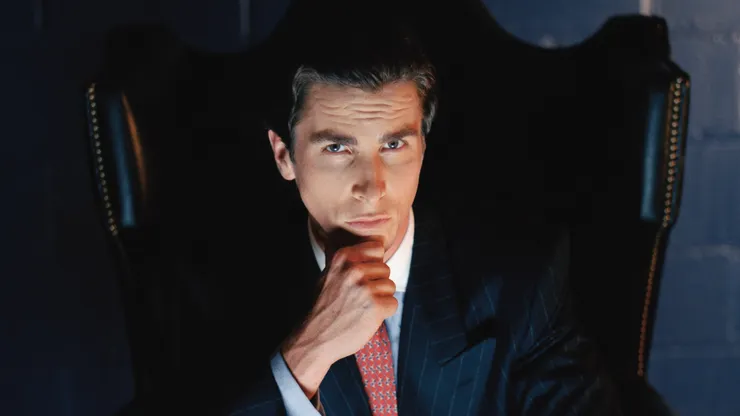
Directed by Mary Harron and led by a career-defining performance from Christian Bale, the 2000 adaptation of Bret Easton Ellis’s novel arrived to mixed reactions, with critics divided over its tone and audiences unsure whether to recoil or laugh. Over time, that ambiguity became its strength.
Why Does American Psycho Remain a Cult Classic 26 Years Later?
When American Psycho premiered in 2000, it divided critics and audiences alike, with many unsure whether to interpret it as horror, dark comedy or social critique. Its biting satire of consumerism, identity and toxic ambition feels even more relevant today.
Over time, that ambiguity became central to its legacy. Based on Bret Easton Ellis’s controversial novel, the film dissected the excess of 1980s Wall Street through the lens of Patrick Bateman: a man whose obsession with status, appearance, and control masks a profound emptiness.
That portrait of curated perfection and emotional detachment has only grown sharper with age, especially in a world now shaped by social media and personal branding. A major reason for its endurance lies in how easily it can be reinterpreted.
What was once seen as a critique of yuppie culture has evolved into a broader commentary on modern masculinity, influencer culture and the performance of identity. In some corners of the internet, Bateman has even been misread as an aspirational figure—ironically reinforcing the very critique the film set out to make.
This tension between satire and misinterpretation has kept the film in constant conversation, turning it into something more than a movie: a cultural mirror that reflects each generation differently. Its influence extends far beyond the screen.
From memes (“I have to return some videotapes”) to fashion aesthetics and even stage adaptations, American Psycho has embedded itself into pop culture in ways few films of its era have managed.
The ongoing development of a remake, reportedly reimagining the story entirely, only highlights the weight of its legacy and the difficulty of replacing what many consider a definitive performance.
More than two decades later, the film endures not simply because it shocked audiences, but because it continues to unsettle them. Its world—polished, hollow, and eerily familiar—has not disappeared. If anything, it has multiplied.