Some clashed with studios over editing decisions, while others felt their original vision was compromised beyond recognition before release. These acclaimed filmmakers have openly criticized or distanced themselves from movies they once fought hard to bring to the screen, turning those productions into infamous Hollywood cautionary tales.
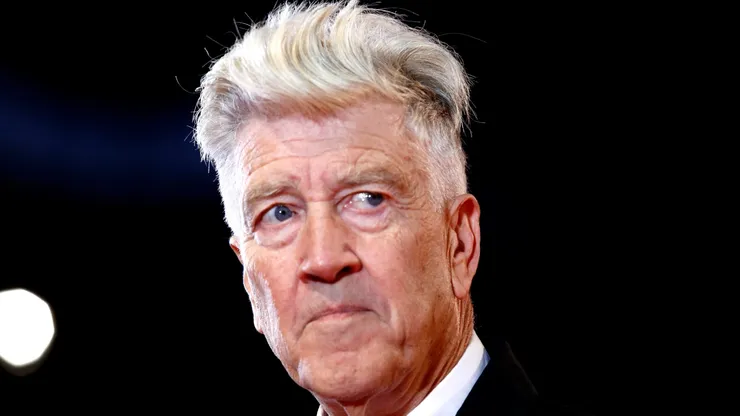
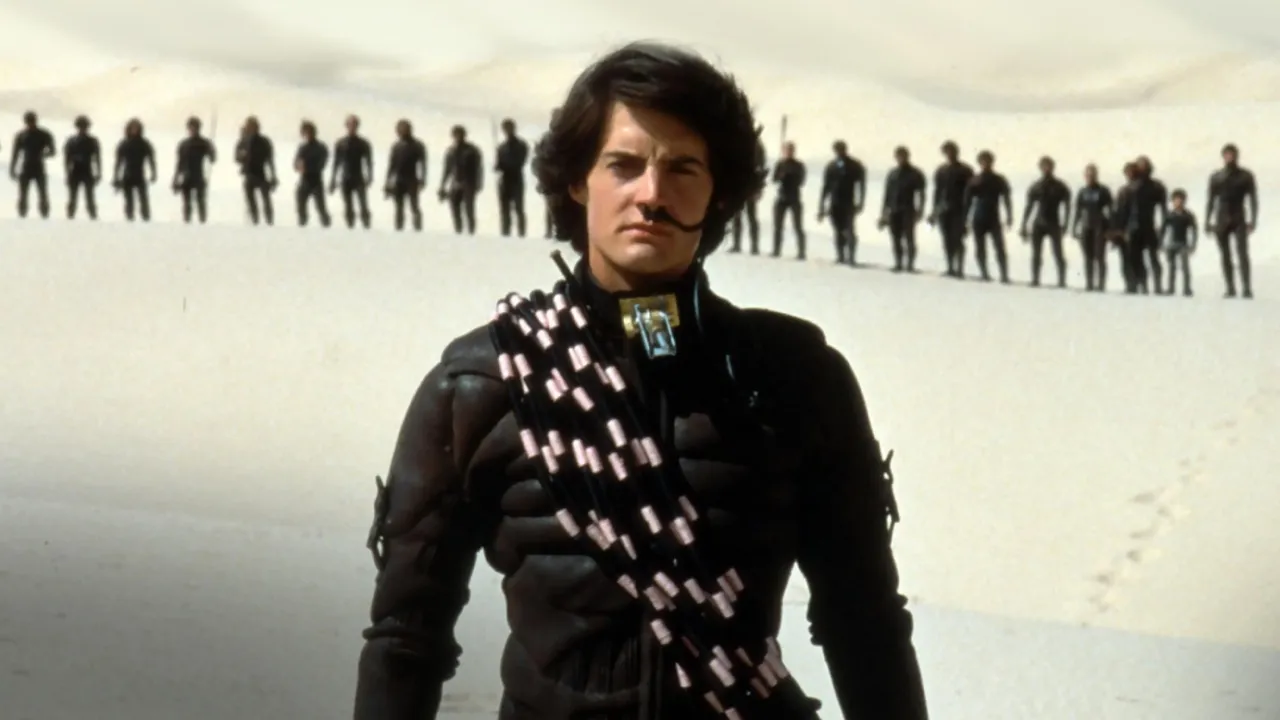
David Lynch – Dune (1984)
Source: IMDb
Lynch has openly admitted he never should have taken the job due to the lack of final cut. He felt forced into compromises that betrayed the story he wanted to tell. He still considers it the one film he cannot stand behind creatively.
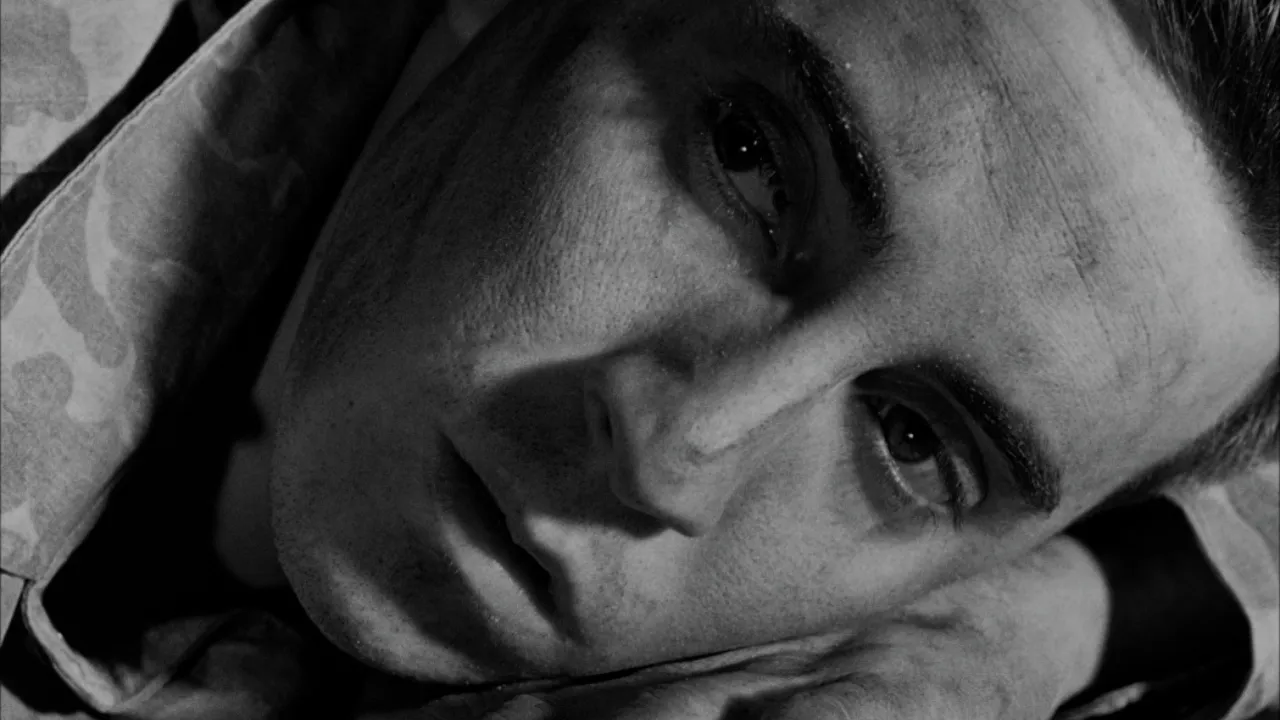
Stanley Kubrick – Fear and Desire (1953)
Source: IMDb
Kubrick was so embarrassed by his first feature that he tried to pull it from circulation for decades. He believed it exposed his inexperience and lacked artistic merit. Even after becoming a celebrated auteur, he still preferred the film remain unseen.
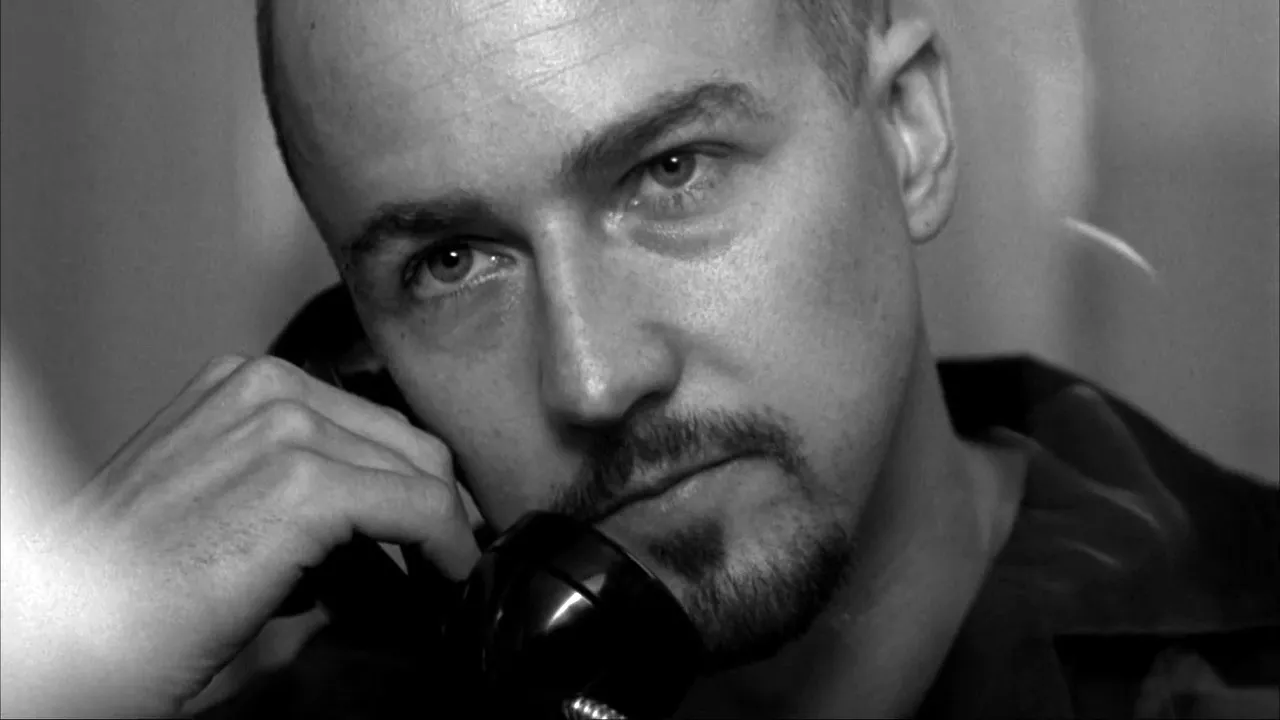
Tony Kaye – American History X (1998)
Source: IMDb
Kaye fought with the studio over Edward Norton’s involvement in the editing process. He disliked the final cut and tried to replace his name with “Humpty Dumpty.” When the studio refused, he publicly disowned the film entirely.
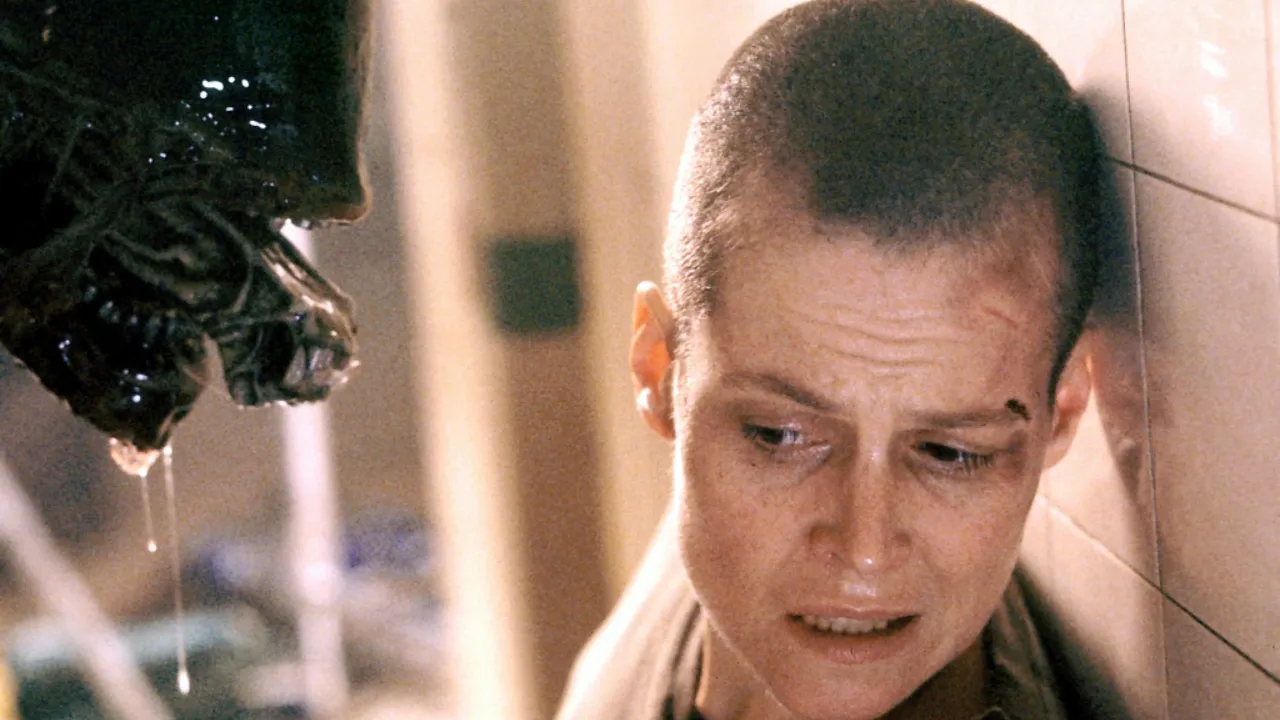
David Fincher – Alien 3 (1992)
Source: IMDb
Fincher has said he had no creative control over Alien 3, calling the experience “a lesson in adversity.” The studio constantly rewrote the script during shooting, leaving him to direct scenes that didn’t make sense. To this day he refuses to view the film as his own work.
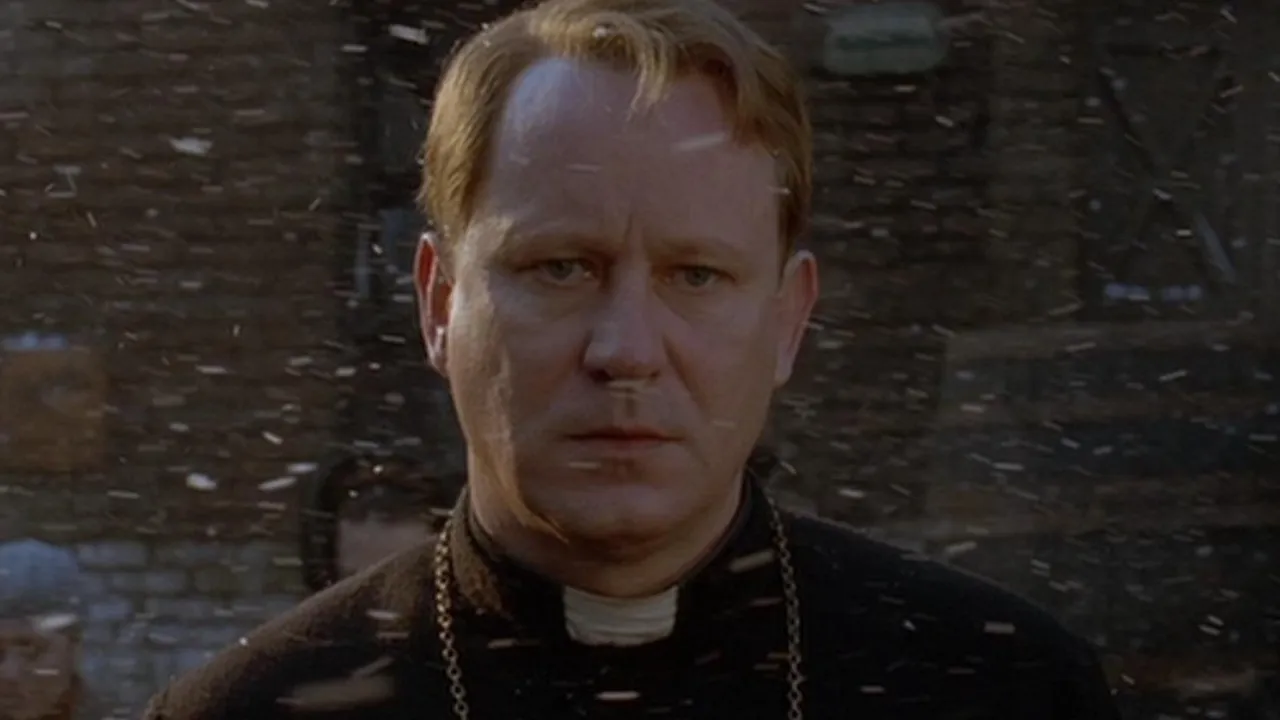
Paul Schrader – Dominion: Prequel to the Exorcist (2005)
Source: IMDb
Schrader’s subdued psychological version didn’t satisfy producers, who replaced him and reshot the movie with a different director. When his original cut was later released, he made it clear his preferred version was the one audiences never initially saw. He has since distanced himself from the final theatrical film.
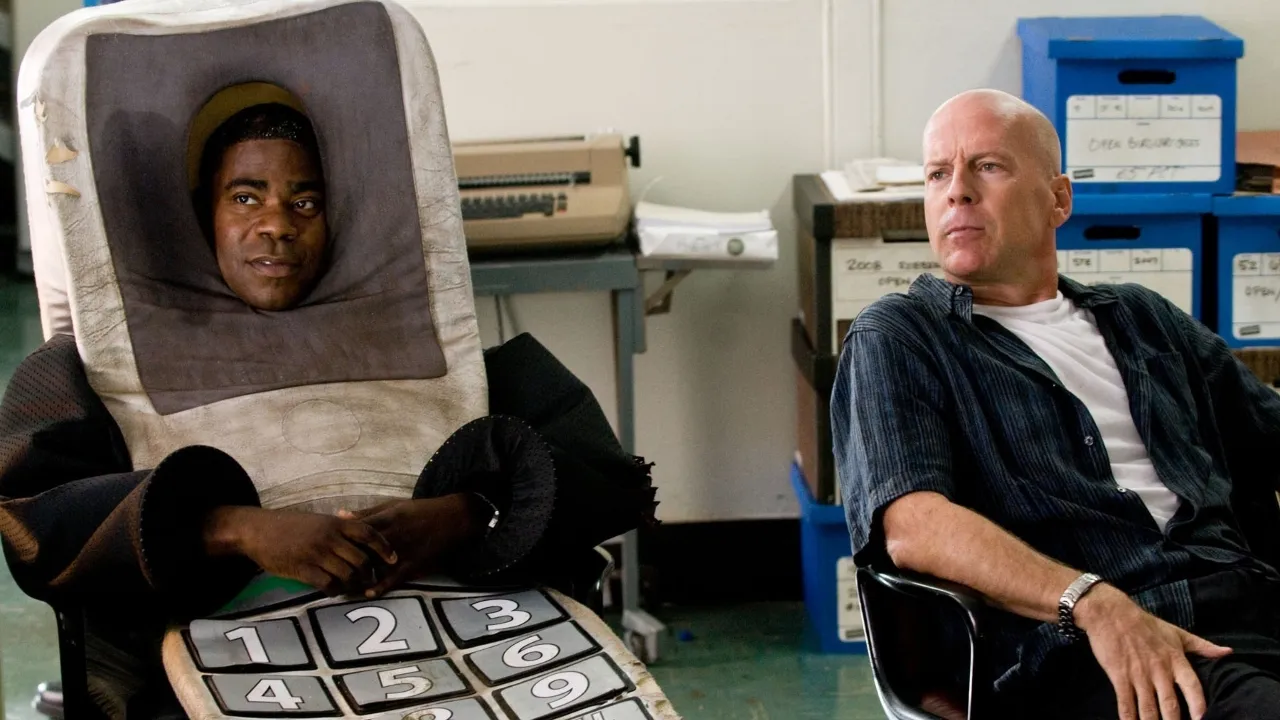
Kevin Smith – Cop Out (2010)
Source: IMDb
Smith clashed heavily with star Bruce Willis throughout production. He later said the movie was one of the worst experiences of his career. He often jokes that he barely claims it as part of his filmography.
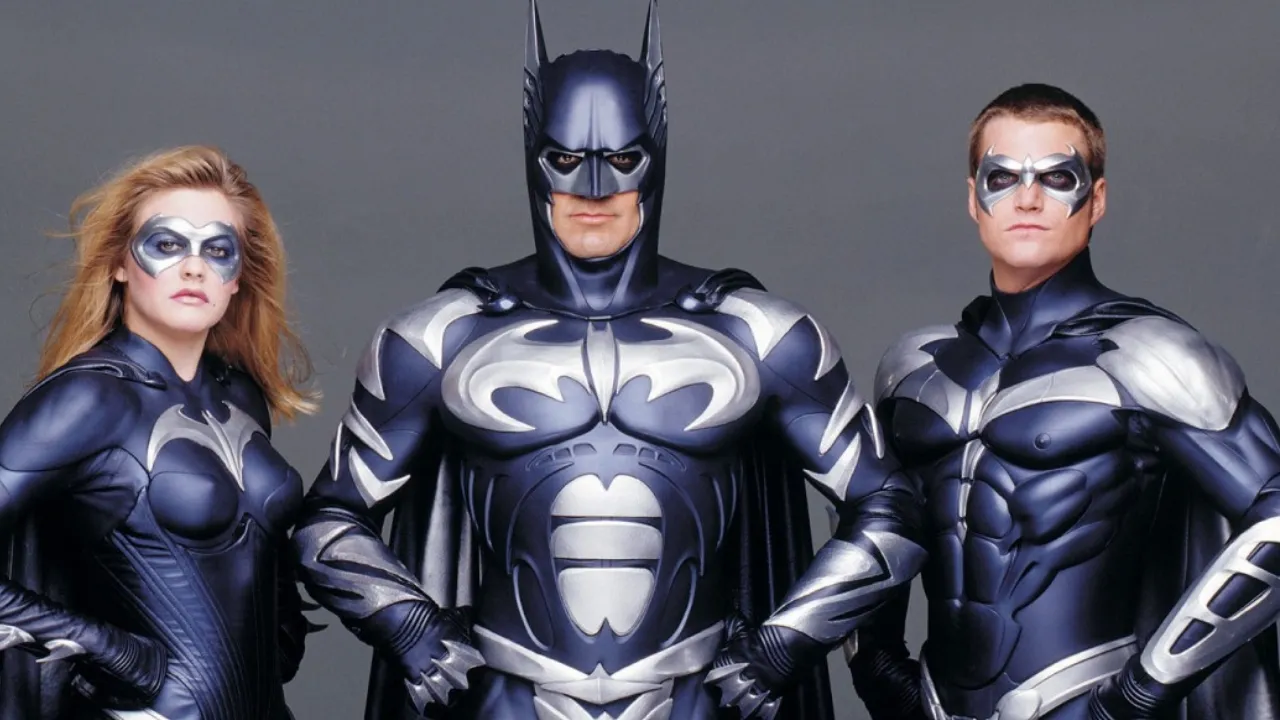
Joel Schumacher – Batman & Robin (1997)
Source: IMDb
Schumacher apologized multiple times for the movie’s campy tone. He said he was pressured to make it more toy-friendly and less dramatic. Looking back, he considered it a film that never aligned with his instincts as a director.
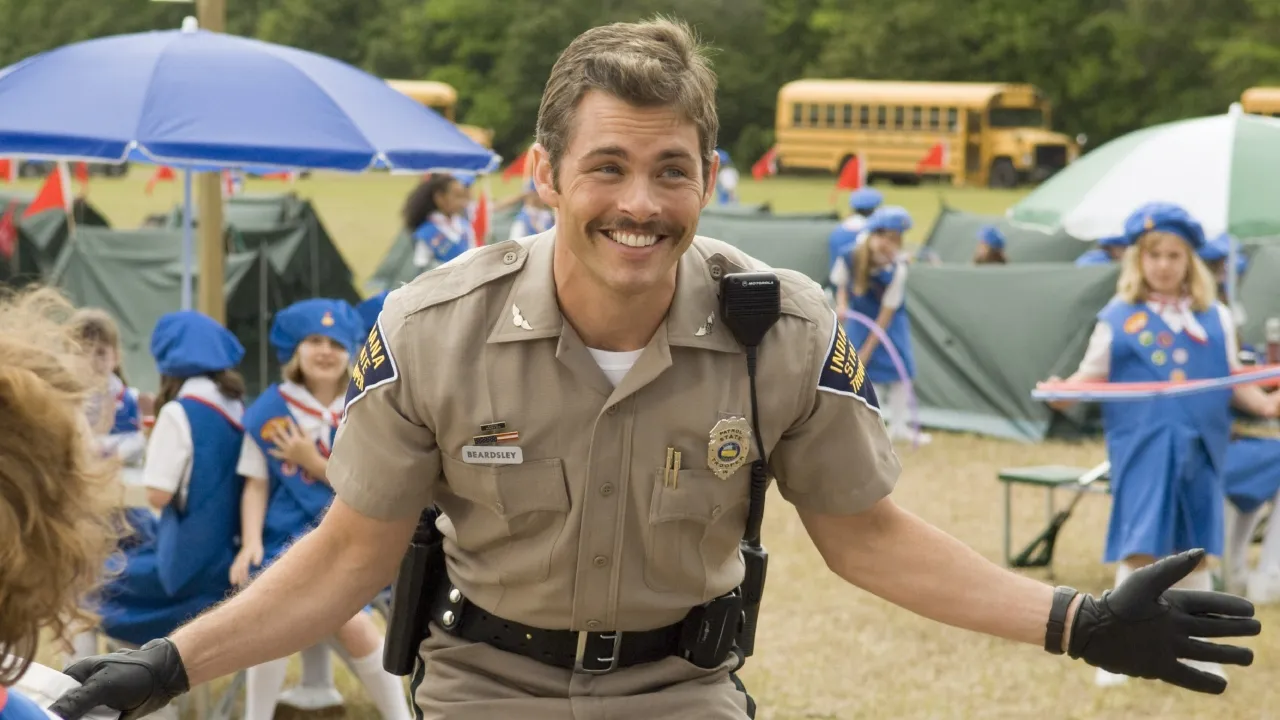
David O. Russell – Accidental Love (2015)
Source: IMDb
Russell abandoned the movie mid-production due to budget problems and studio interference. It was eventually finished without him and released under a pseudonym. He has never claimed ownership of the final product.
Guillermo del Toro – Mimic (1997)
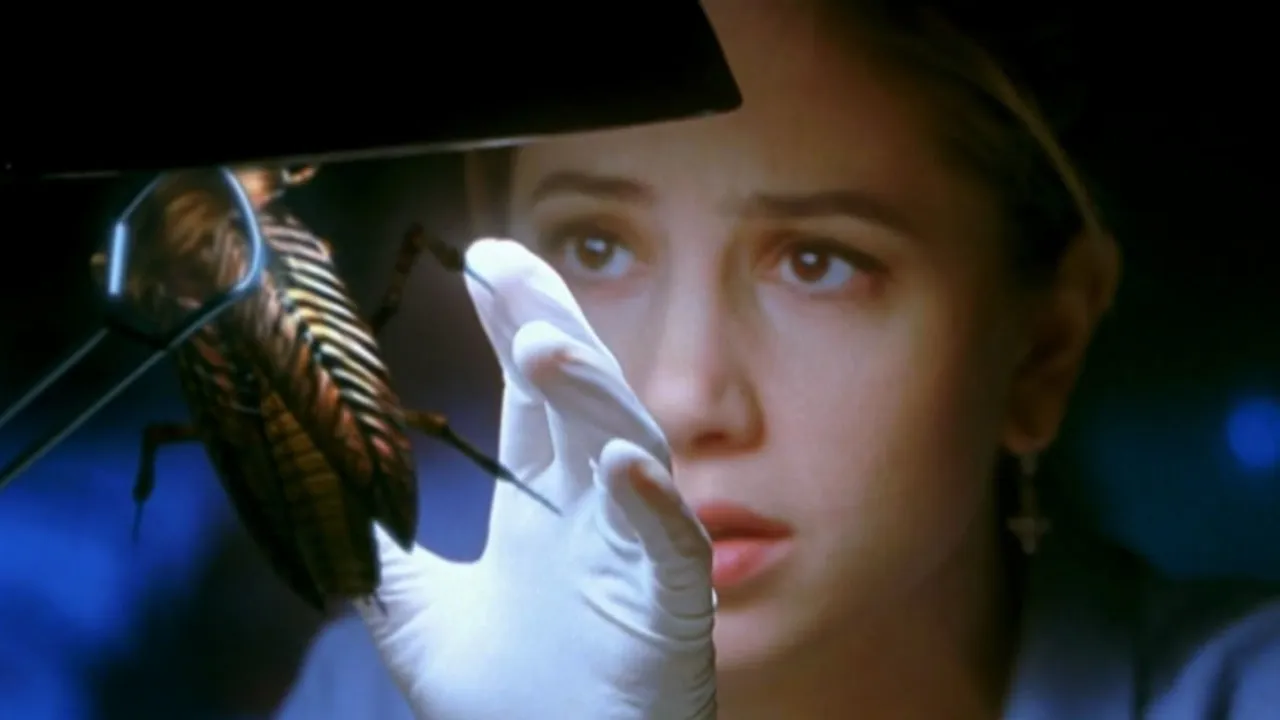
Source: IMDb
Del Toro has said Miramax interfered heavily with his ideas, leaving him devastated during production. He believed the final cut lost the emotional depth he wanted. It remains the one movie he openly regrets making.
Richard Donner – Superman II (1980)
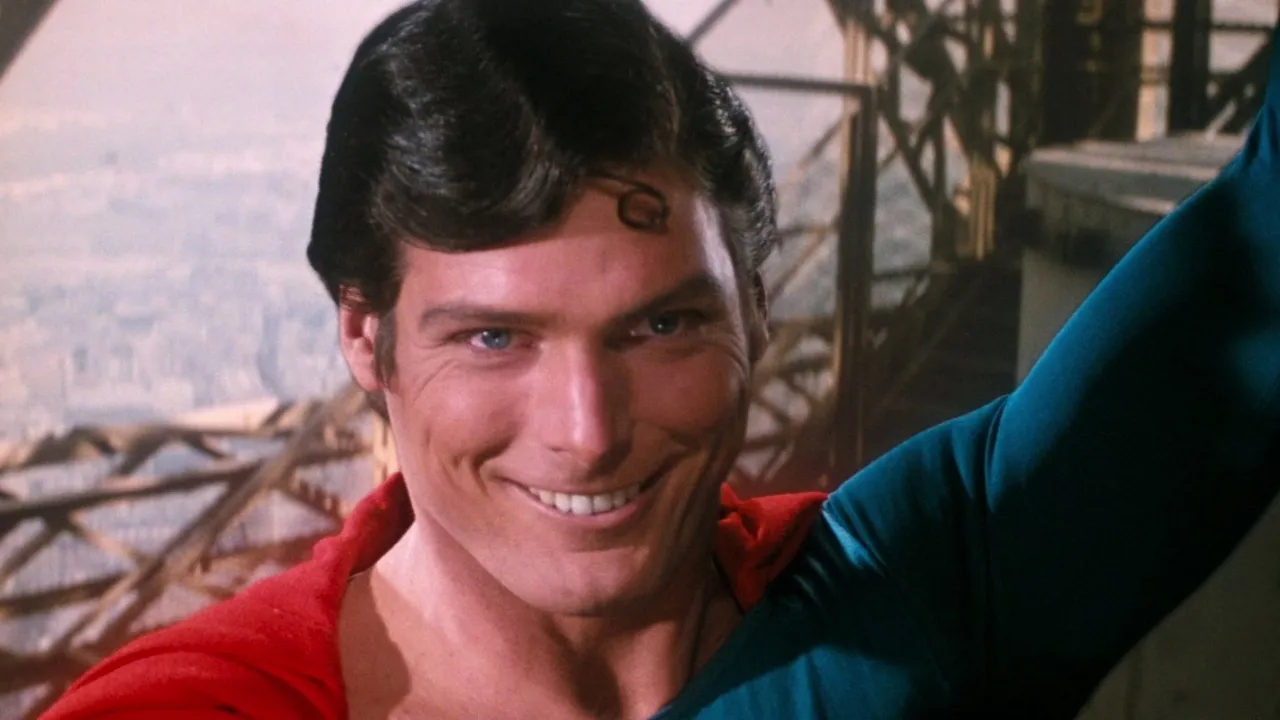
Source: IMDb
Donner was fired halfway through production and replaced by another director. When the film was released, he felt it no longer reflected his intended tone. Only decades later did he get to release a “Donner Cut,” which he considers the real version.
David Lean – Ryan’s Daughter (1970)
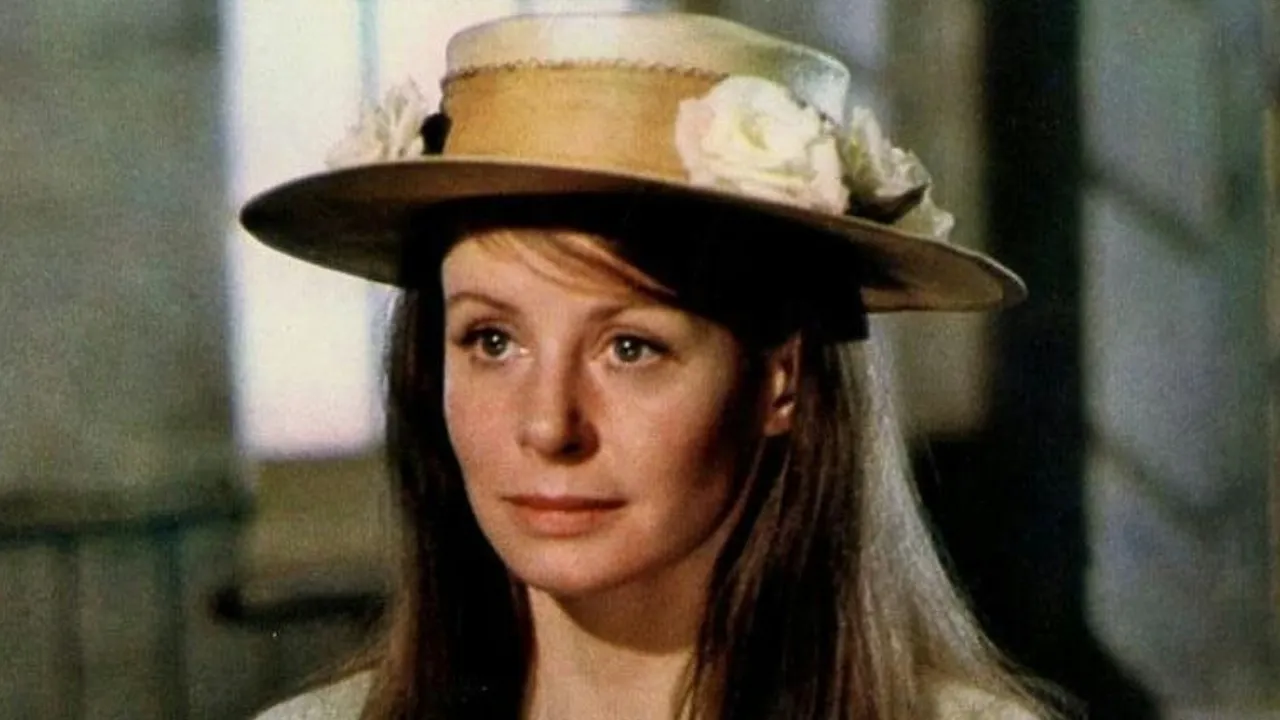
Source: IMDb
After harsh critical reviews, Lean expressed regret over the project. He felt the film’s pacing and tone were misunderstood and blamed himself for losing perspective. The backlash led him to distance himself from the movie for years.
Walter Hill – Supernova (2000)
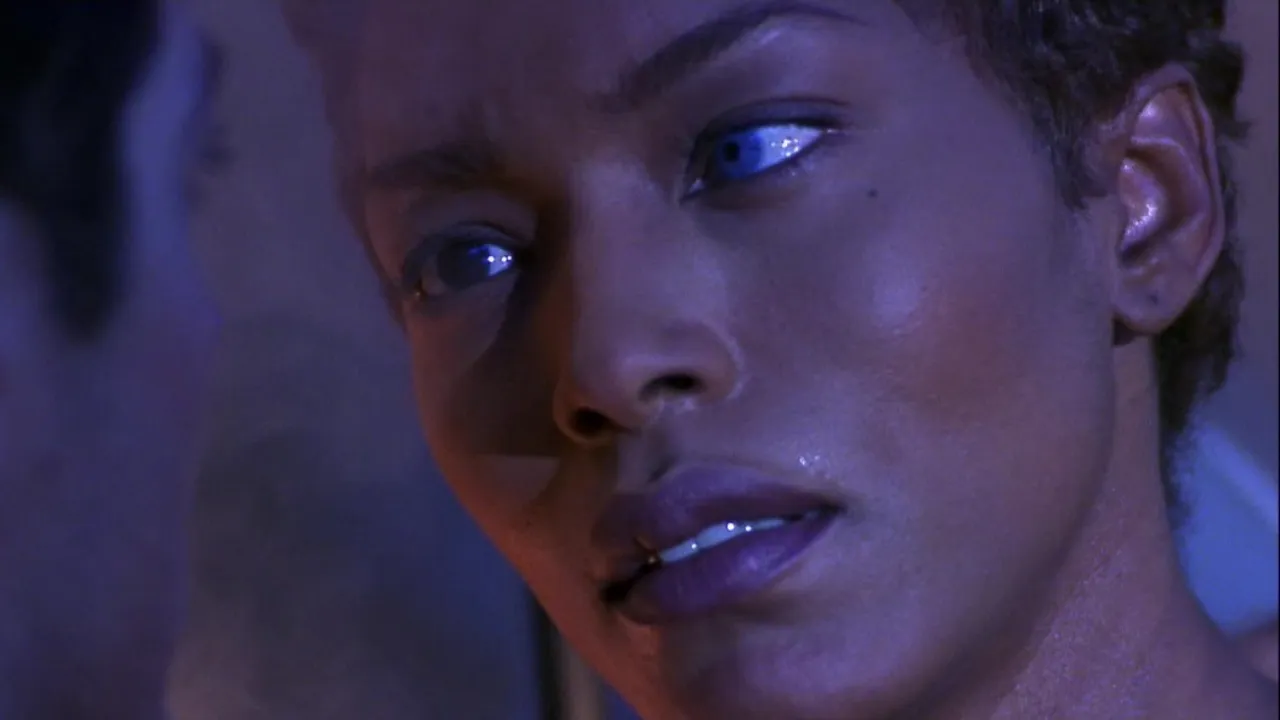
Source: IMDb
Hill left the project during post-production due to studio demands. The film underwent massive re-editing and reshoots without his involvement. When released, Hill disowned it and requested his name be removed.
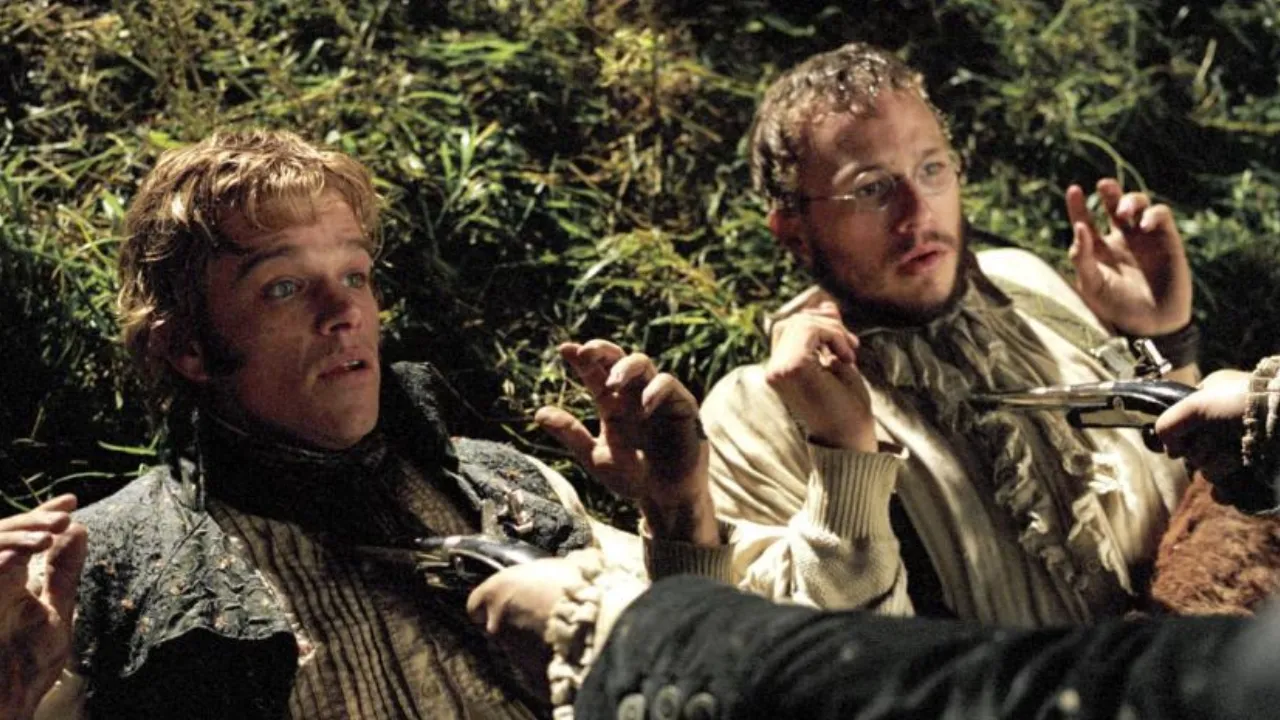
Terry Gilliam – The Brothers Grimm (2005)
Source: IMDb
Gilliam fought constantly with the Weinsteins over script changes and casting. He felt creatively suffocated throughout the process. By release day, he had emotionally walked away from the film.
Michael Bay – Transformers: Revenge of the Fallen (2009)

Source: IMDb
Bay has repeatedly criticized the movie’s rushed schedule due to the writers’ strike. He said the script was unfinished and the story suffered. He considers it one of the weakest films he has ever directed.
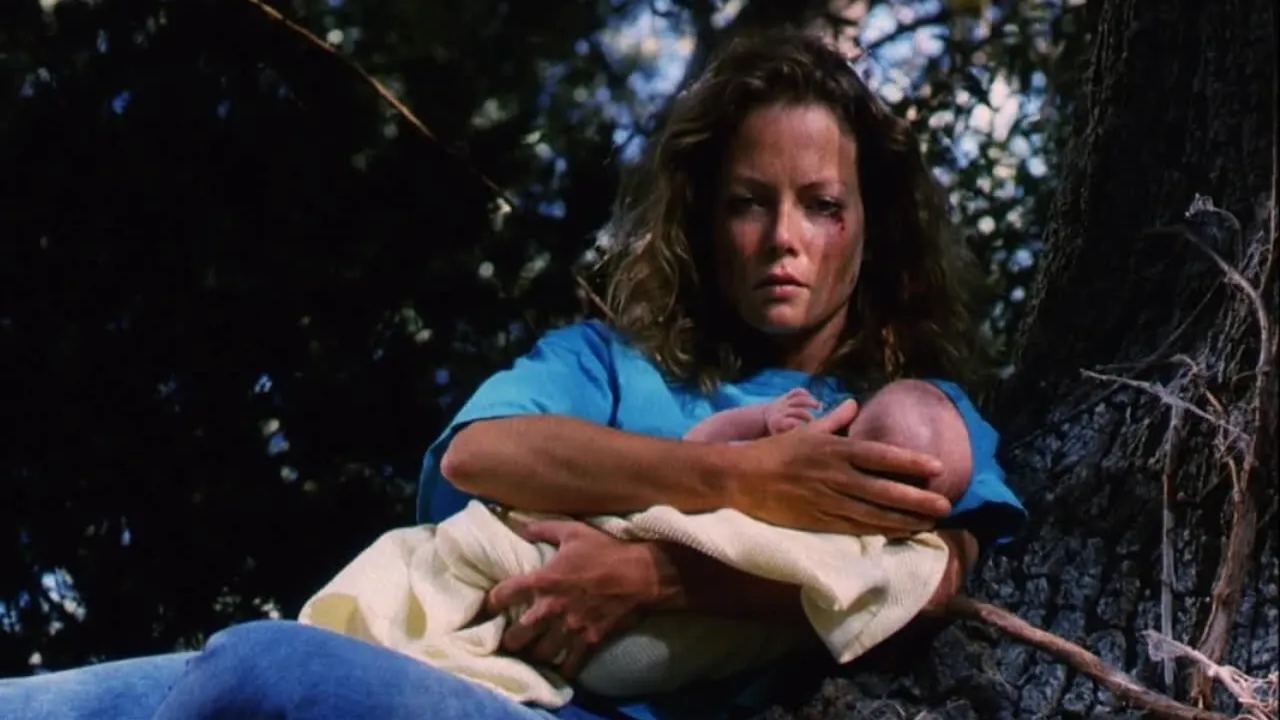
William Friedkin – The Guardian (1990)
Source: IMDb
Friedkin faced constant studio pressure to make the film more commercial. He did not like the final shape of the project and felt it was far from his original idea. He later said he wished it had never been released.