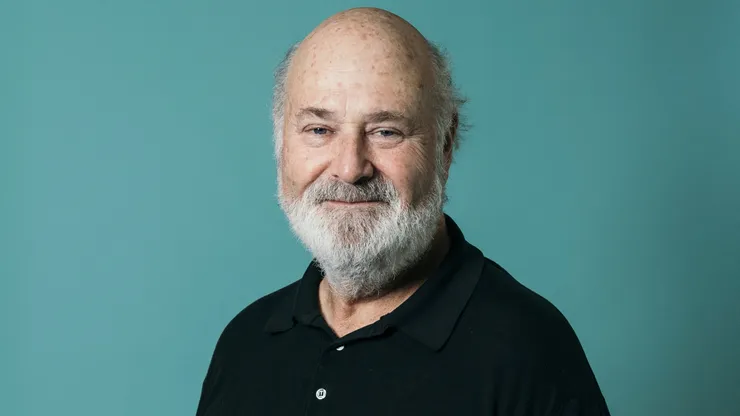
Rob Reiner’s filmography occupies a rare space in American cinema, where commercial success and lasting cultural weight often intersect. Few directors have moved as fluidly between genres, shaping romantic comedies, courtroom dramas, psychological thrillers and coming-of-age stories with the same steady hand.
From the sharp wit of When Harry Met Sally to the enduring fantasy of The Princess Bride, his pictures have become reference points, quoted and revisited across generations. Today, those films are scattered across an ever-shifting streaming landscape, divided between platforms, rental services and rotating catalogs.
The Princess Bride (1987)

(Source: IMDb)
More than a fantasy adventure, The Princess Bride is a film that understands the power of storytelling itself. Reiner blends romance, swordplay, comedy, and fairy-tale myth with an elegance that never feels ironic or distant. Every character, from Westley to Inigo Montoya, is defined by purpose and rhythm, and the script’s playful intelligence allows the film to age gracefully. Its enduring popularity rests not only on quotable lines, but on a sincere emotional core that continues to resonate across generations.
- Available on T-Mobile, Disney+ and Hulu.
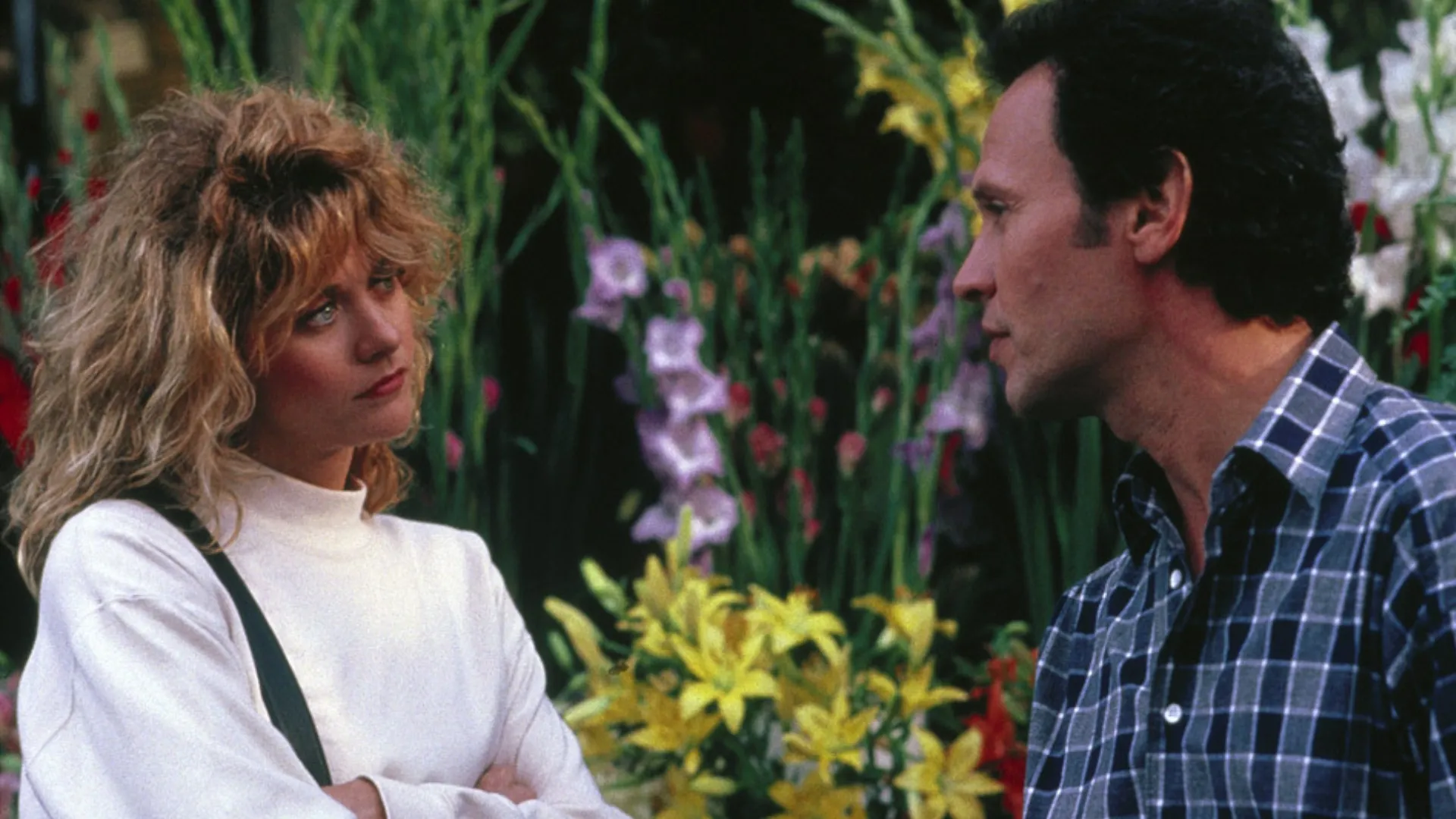
When Harry Met Sally… (1989)
(Source: IMDb)
At its heart, this film is a conversation stretched across years, shaped by time, chance, and emotional honesty. Reiner directs Nora Ephron’s dialogue with restraint, allowing silences and small gestures to carry as much weight as the jokes. The film’s exploration of friendship, intimacy, and romantic uncertainty redefined the modern romantic comedy, grounding it in realism while preserving its charm. Few films have captured the rhythms of adult relationships with such clarity and warmth.
- Available on STARZ.
Stand by Me (1986)

(Source: IMDb)
Adapted from Stephen King’s writing but stripped of horror, Stand by Me is a meditation on memory and loss disguised as a childhood adventure. Reiner’s direction emphasizes atmosphere over plot, letting moments linger as the boys move through landscapes that feel both expansive and fragile. The film treats youth not as innocence, but as a brief moment before reality intrudes. Its emotional impact deepens with age, transforming nostalgia into quiet reflection.
- Available on Fubo and Netflix.
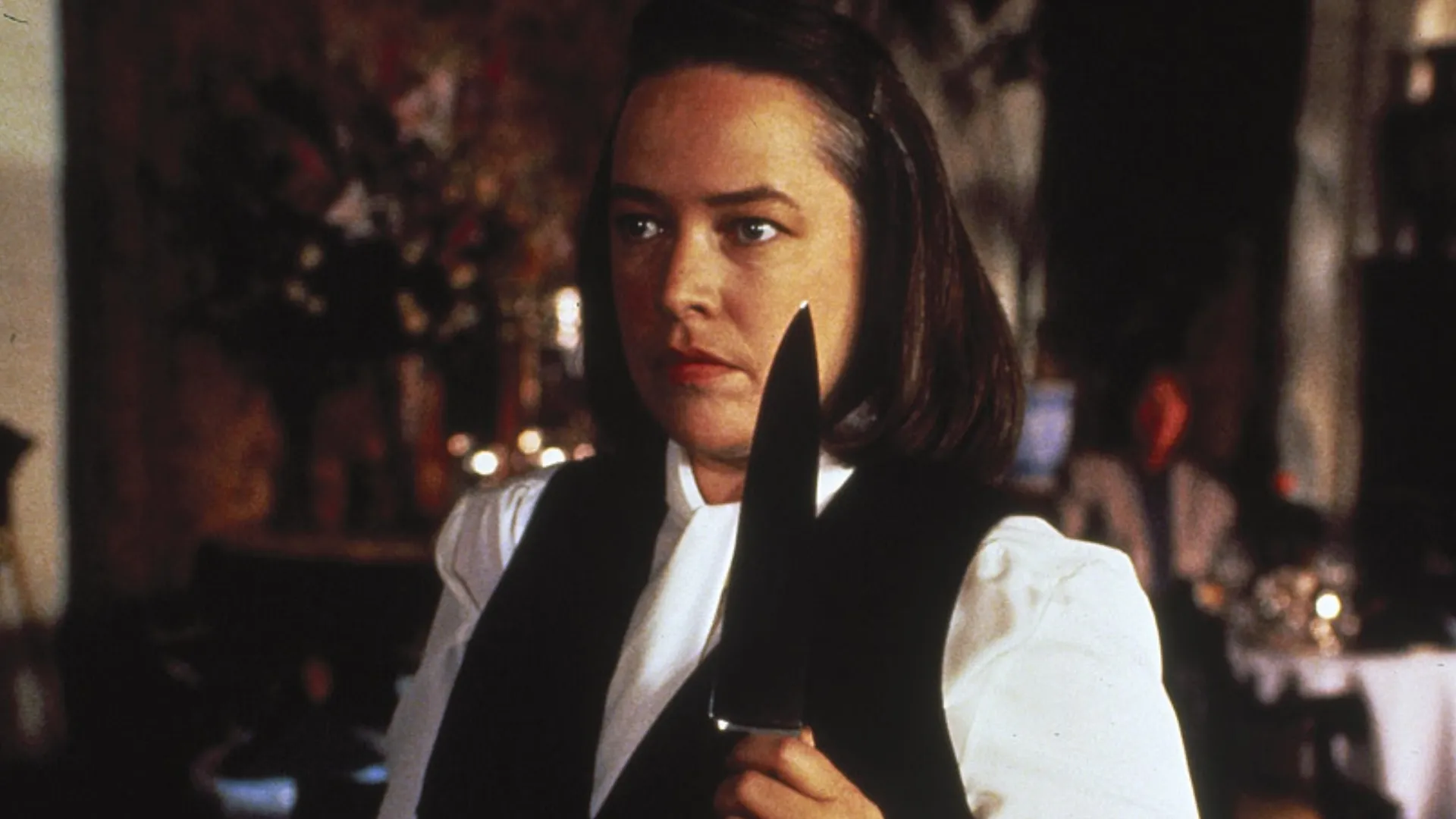
Misery (1990)
(Source: IMDb)
Misery reveals Reiner’s precision as a director of psychological tension. The film confines its action largely to a single space, using framing, pacing, and performance to create sustained unease. Kathy Bates’ Annie Wilkes is not a caricature of madness but a chilling portrait of obsession, grounded in unsettling sincerity. Reiner resists excess, allowing terror to emerge gradually, making the film one of the most disciplined and effective thrillers of its era.
- Available for purchase through Google Play, Vudu and iTunes. It is not currently available on any on-demand platform.
A Few Good Men (1992)

(Source: IMDb)
This courtroom drama thrives on moral confrontation and the weight of responsibility. Reiner balances sharp, theatrical dialogue with a cinematic sense of restraint, keeping the focus on character rather than spectacle. The film’s power lies in its exploration of authority, loyalty, and truth, culminating in a climax that feels earned rather than exaggerated. Its cultural footprint remains strong, sustained by performances that elevate the material beyond genre conventions.
- Available for purchase through Google Play, Vudu and iTunes. It is not currently available on any on-demand platform.
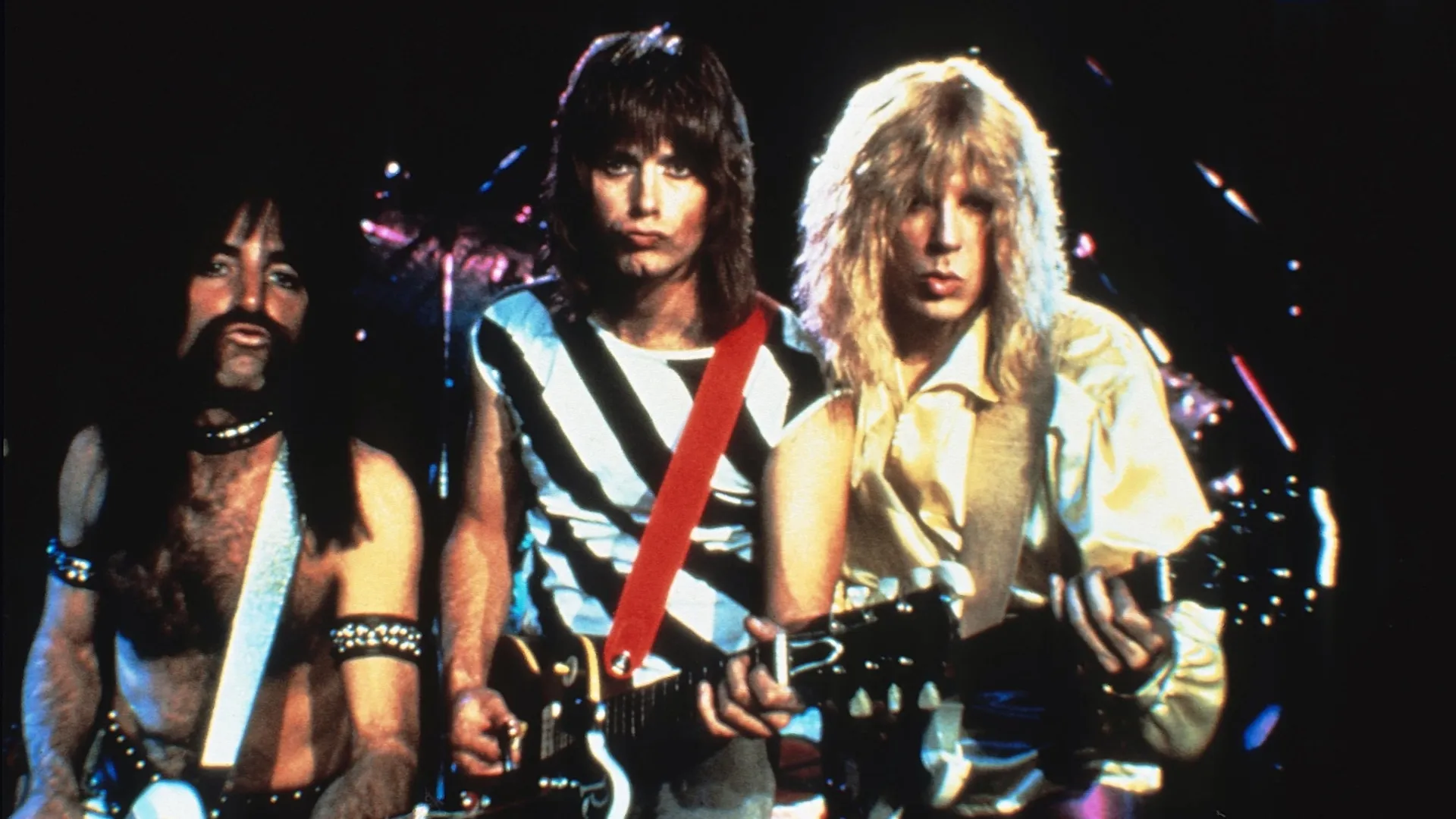
This Is Spinal Tap (1984)
(Source: IMDb)
Often cited as one of the greatest comedies ever made, This Is Spinal Tap introduced a mockumentary style that felt startlingly authentic. Reiner’s decision to embrace improvisation gives the film a lived-in quality, allowing humor to emerge organically rather than through punchlines. The satire works because it never mocks from a distance; instead, it observes with affection and precision. Its influence extends far beyond comedy, shaping how realism and parody coexist on screen.
- Available on HBO Max.
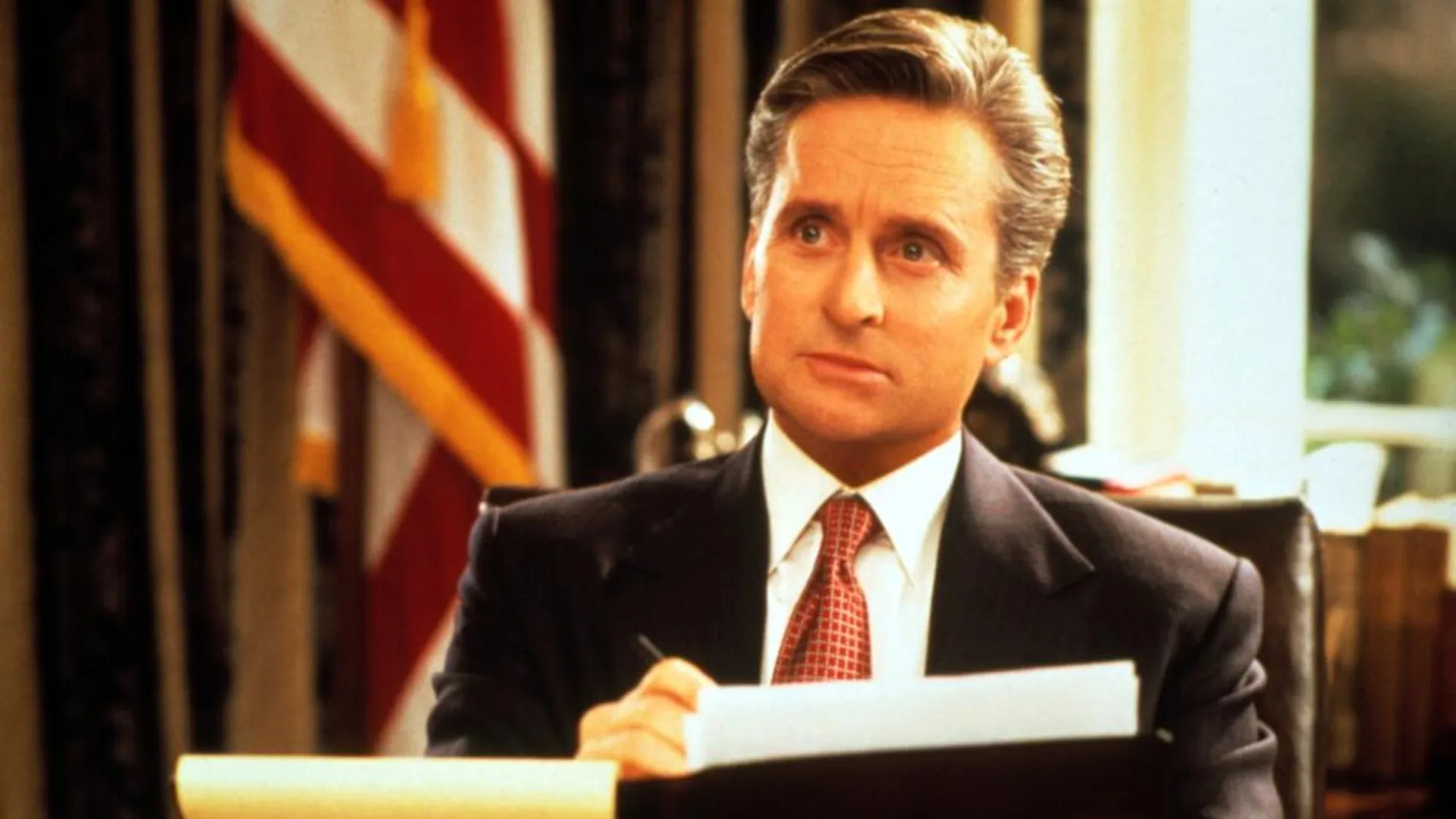
The American President (1995)
(Source: IMDb)
In this film, politics become a backdrop for character-driven storytelling. Reiner approaches the presidency not as spectacle, but as a human institution shaped by personal choices and vulnerability. The film’s tone is idealistic without being naïve, supported by a script that values dialogue and emotional nuance. It stands as a reflection of mid-1990s optimism, offering a vision of leadership grounded in empathy and communication.
- Available for purchase through Google Play, Vudu and iTunes. It is not currently available on any on-demand platform.
North (1994)

(Source: IMDb)
North remains one of the most debated films in Reiner’s career, notable for its ambition more than its execution. Conceived as a modern fable about belonging and dissatisfaction, the film leans heavily into allegory and stylization. While its tone proved polarizing, it reflects Reiner’s willingness to take creative risks and step outside conventional storytelling. In retrospect, it stands as a curious experiment rather than a failure to be dismissed outright.
- Available for purchase through Google Play, Vudu and iTunes. It is not currently available on any on-demand platform.
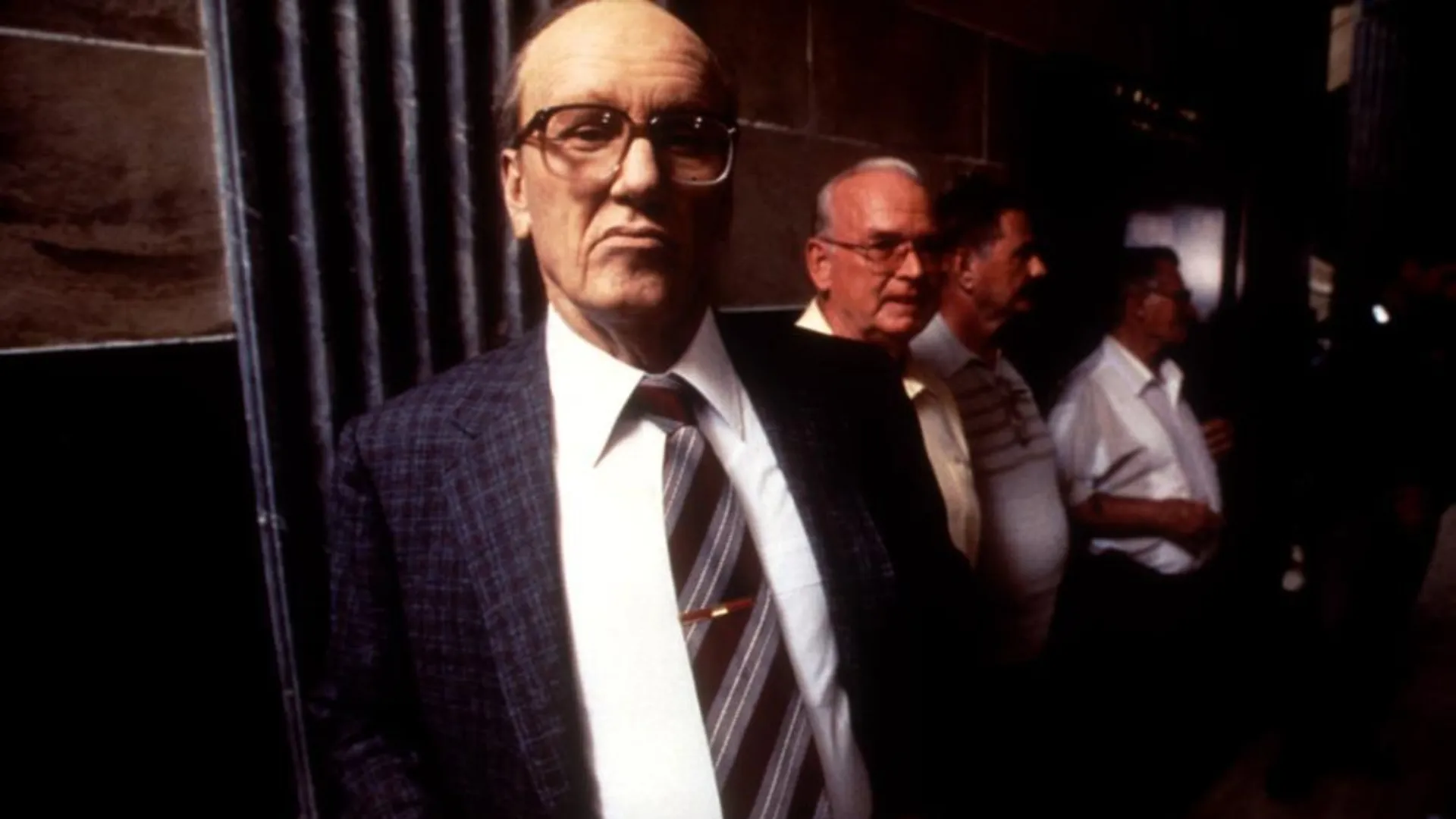
Ghosts of Mississippi (1996)
(Source: IMDb)
This historical drama addresses themes of justice, memory, and accountability with deliberate seriousness. Reiner avoids sensationalism, opting instead for a measured approach that emphasizes performance and dialogue. The film’s restrained tone mirrors its subject matter, focusing on the slow, difficult process of confronting unresolved history. Though less discussed than his other works, it contributes an important dimension to Reiner’s directorial range.
- Available for streaming in Kanopy, and for purchase through Google Play, Vudu and iTunes.
The Bucket List (2007)

(Source: IMDb)
The Bucket List approaches mortality not as a source of despair, but as an invitation to reflection and connection. Reiner frames the story around two men from opposite worlds, using their shared diagnosis as a catalyst rather than a defining trait. The film balances humor and sentiment with a gentle hand, allowing moments of spectacle to coexist with quieter emotional beats. Its lasting appeal comes from its simplicity and sincerity, presenting life’s final chapter as something deeply personal rather than tragic.
- Available for purchase through Google Play, Vudu and iTunes. It is not currently available on any on-demand platform.
Flipped (2010)

(Source: IMDb)
One of Reiner’s most understated films, Flipped captures the fragile space between childhood and adolescence with warmth and emotional clarity. Told through alternating points of view, the story gains depth by revealing how perception shapes memory and meaning. Reiner resists exaggeration, favoring small gestures and silences that reflect the awkward sincerity of first love. Over time, the film has earned recognition as a thoughtful, emotionally honest coming-of-age story.
- Available for streaming in Kanopy, and for purchase through Google Play, Vudu and iTunes.
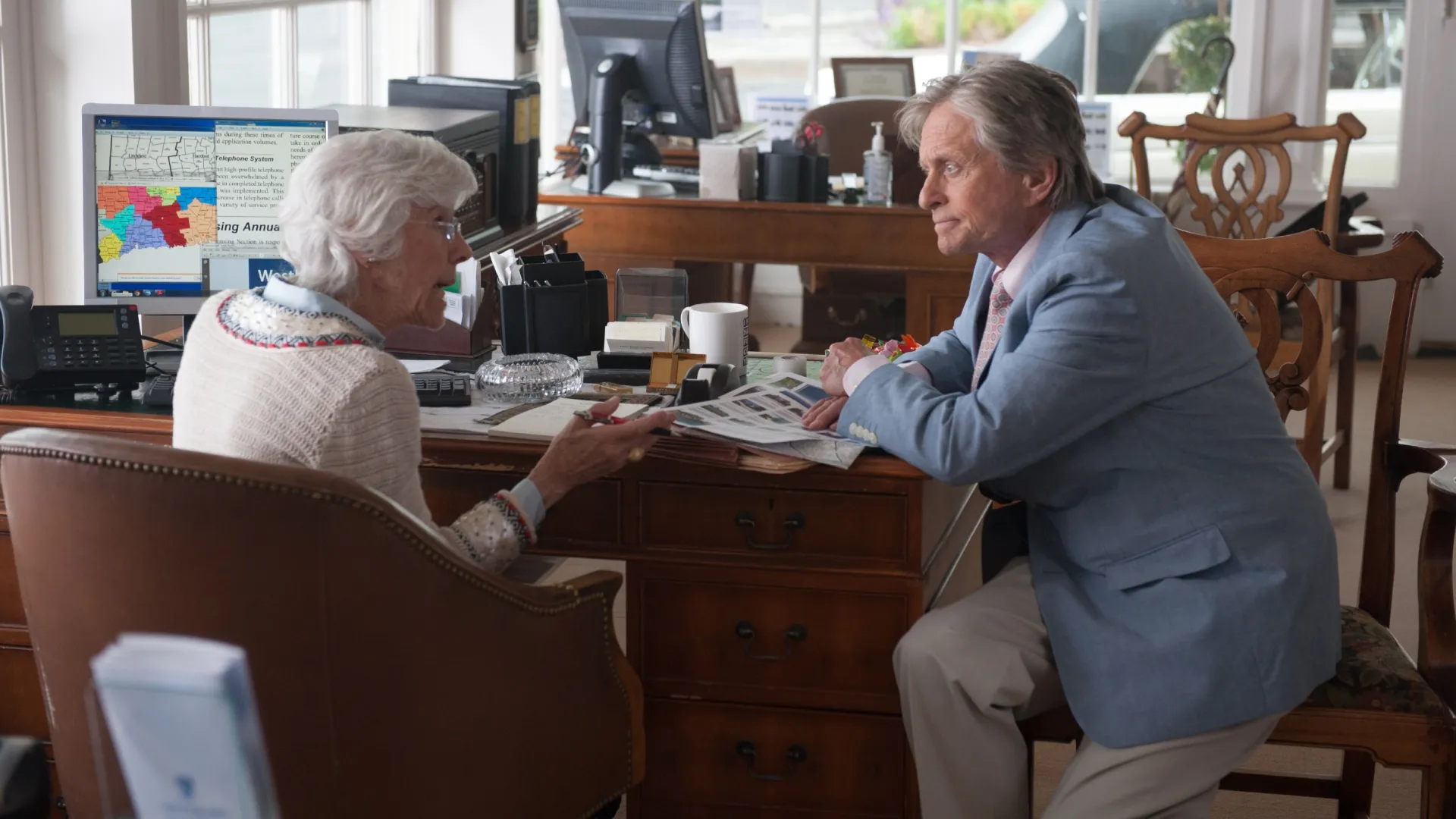
And So It Goes (2014)
(Source: IMDb)
In And So It Goes, Reiner turns his attention to emotional isolation later in life, crafting a quiet romantic drama about guarded hearts and reluctant vulnerability. The film unfolds at an unhurried pace, prioritizing character interaction over narrative urgency. Rather than chasing grand gestures, Reiner focuses on subtle shifts in tone and behavior, suggesting that intimacy can emerge even after years of emotional distance. Its strength lies in its restraint and reflective mood.
- Available on Prime Video.
Rumor Has It (2005)

(Source: IMDb)
Rumor Has It plays with cultural mythology, weaving romantic comedy with meta-commentary on storytelling and generational identity. Reiner uses the film’s connection to The Graduate less as nostalgia than as a lens through which to examine uncertainty and expectation. The narrative leans into humor and self-awareness, allowing the film to explore how personal history and inherited stories shape modern relationships. While tonally uneven, it remains a distinctive entry in Reiner’s filmography for its ambition and playful approach.
- Available on T-Mobile and Netflix.
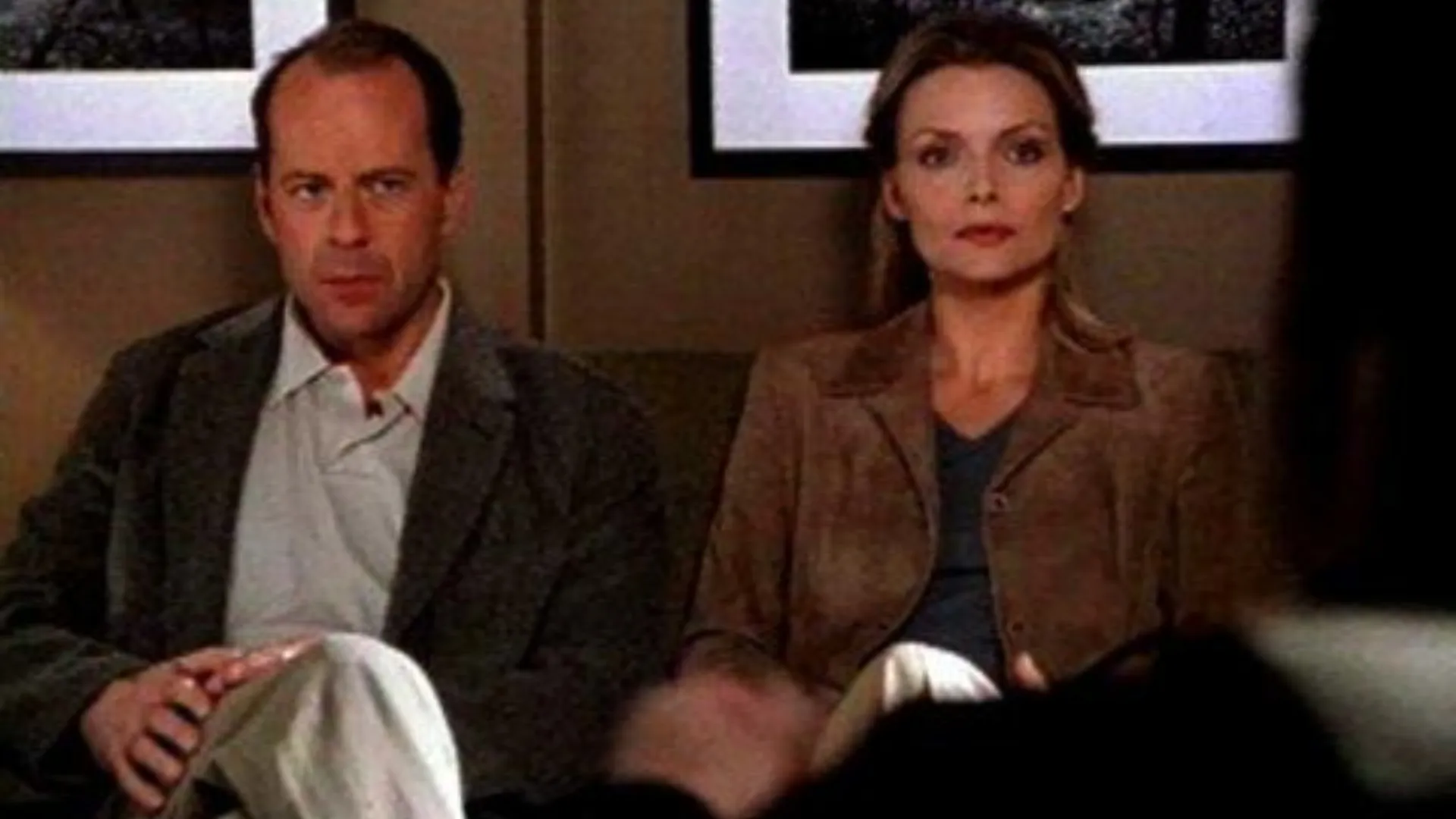
The Story of Us (1999)
(Source: IMDb)
In The Story of Us, Reiner examines marriage not as a romantic ideal but as a living, fragile structure shaped by memory and resentment. The film moves fluidly between past and present, using reflection as a narrative device rather than nostalgia. Reiner’s direction emphasizes emotional accumulation—small arguments, unspoken frustrations, shared history—over dramatic rupture. The result is an intimate portrait of long-term relationships, grounded in honesty rather than sentimentality.
- Available for purchase through Google Play, Vudu and iTunes. It is not currently available on any on-demand platform.
Alex & Emma (2003)

(Source: IMDb)
This romantic comedy centers on storytelling itself, using a novel-in-progress as a framework for emotional discovery. Reiner plays with shifting genres and imagined scenarios, allowing the film to move between fantasy and reality. While lighter in tone than his earlier romantic works, it reflects his continued interest in how narrative shapes identity and intimacy. The film’s charm lies in its self-awareness and playful structure.
- Available for streaming in Hoopla and Flex, and for purchase through Google Play, Vudu and iTunes.