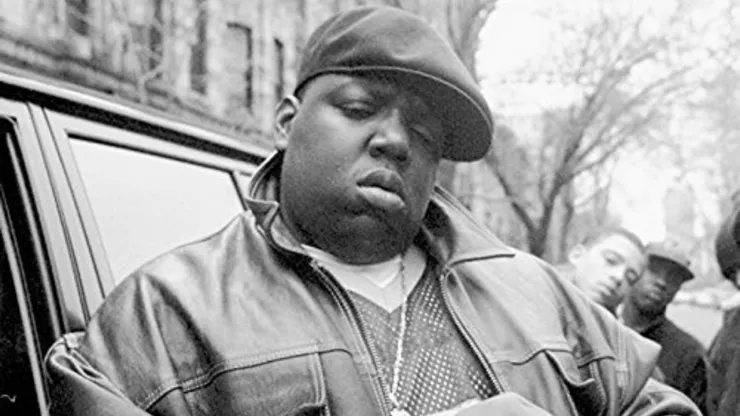
Every May 21, Brooklyn sounds a little louder. Car windows rattle with Hypnotize, old freestyles resurface online and entire generations of rappers quietly return to the voice that changed the rhythm of East Coast hip-hop forever.
More than 25 years after his death, The Notorious B.I.G. remains one of the few artists whose influence feels almost architectural — built into the DNA of rap itself. Critics, fans and fellow MCs still place him among the greatest lyricists ever, despite a catalog shaped by only two studio albums.
Juicy — The moment rap gained its ultimate self-made anthem
There are rap songs, and then there are cultural declarations. Juicy became both. Released in 1994 as the lead single from Ready to Die, the track transformed Christopher Wallace from a rising Brooklyn storyteller into the voice of ambition itself.
The opening line alone became immortal inside hip-hop culture, while the song’s autobiographical structure turned personal struggle into something universal. What made Juicy revolutionary was its emotional honesty. Biggie did not rap about success like a fantasy; he narrated it like someone still shocked it had happened.
Warning — Storytelling turned into psychological suspense
Few rappers have ever controlled tension the way Biggie did on Warning. The song unfolds almost like a mafia film compressed into four minutes, with paranoia slowly swallowing every verse. His conversational delivery made the danger feel disturbingly real, as though listeners were overhearing private survival instincts rather than listening to a studio recording. This was the moment many critics realized Biggie was operating on a completely different storytelling level from most rappers of his era.
Hypnotize — The sound of superstardom becoming effortless
By 1997, Biggie no longer sounded hungry — he sounded untouchable. Hypnotize carried the confidence of an artist who understood he had become larger than rap itself. The flow felt impossibly smooth, gliding across the beat with a kind of relaxed dominance that countless artists have tried to imitate since. Tragically, the song also became inseparable from the final chapter of his life, released just weeks before his murder in Los Angeles.
Ten Crack Commandments — Biggie turns street survival into scripture
Minimalist, cold, and brutally direct, Ten Crack Commandments remains one of the most quoted rap songs ever recorded. Built around a simple structure inspired by The Benjamins producer Clark Kent hearing “The Ten Duel Commandments” from The Three Musketeers, the track became legendary because of Biggie’s precision. Every line felt calculated. No wasted words. No unnecessary drama. Just rules delivered with chilling calmness.
Big Poppa — The charisma that made him a crossover icon
If Juicy introduced the dream, Big Poppa sold the lifestyle. The song revealed a softer, smoother side of Biggie without sacrificing his authenticity, helping him cross into mainstream radio dominance during the mid-1990s. Its influence on luxury rap and nightlife aesthetics still echoes through hip-hop today.
Who Shot Ya? — A record consumed by hip-hop mythology
Technically, Who Shot Ya? was never intended as a diss toward Tupac Shakur. But timing turned it into one of the most controversial songs in rap history. Released during the escalating East Coast-West Coast feud, the record became permanently tied to paranoia, rivalry, and one of hip-hop’s darkest eras. Musically, though, it remains one of Biggie’s sharpest lyrical performances — cold, menacing, and technically flawless.
Sky’s the Limit — Vulnerability hidden beneath luxury
Released posthumously, Sky’s the Limit captured something many people overlook about Biggie’s music: exhaustion. Beneath the expensive imagery and success narratives was someone still haunted by instability and pressure.
The song feels triumphant on the surface, but reflective underneath it. That emotional duality became one of the defining characteristics of his artistry.
Kick in the Door — Biggie at his most technically ruthless
Aggressive, confrontational, and lyrically relentless, Kick in the Door showcased Biggie’s battle-rap instincts at full power. The track contained subliminal shots aimed at multiple rivals and remains one of the clearest examples of how effortlessly he could dominate a beat technically. Even decades later, rappers still study the flow patterns on this record.
Everyday Struggle — The realism beneath the mythology
Long before luxury became central to mainstream rap, Biggie specialized in describing survival with painful detail. Everyday Struggle captured financial desperation, depression, fear, and ambition without romanticizing any of it. The song remains one of the clearest windows into the emotional weight behind his persona.
Mo Money Mo Problems — Celebration with a shadow hanging over it
Featuring Puff Daddy and Mase, Mo Money Mo Problems became one of the defining rap hits of the late 1990s. Bright, catchy, and commercially massive, the song ironically revolved around the anxiety that comes with fame and wealth. It became another painful example of how prophetic Biggie’s music often sounded in hindsight.