Few pop careers have balanced reinvention and spectacle quite like that of Robbie Williams, whose journey from boy-band fame to solo superstardom reshaped the sound and scale of British pop at the turn of the century.
Birthdays tend to invite nostalgia, but in this case they also highlight a catalog defined by turning points—songs that didn’t just succeed commercially, but redirected momentum and reintroduced the artist behind them.
“Angels”
Released in 1997, “Angels” didn’t just become Robbie Williams’ signature song — it defined his identity as a solo artist after leaving Take That. The song’s soaring melody and heartfelt lyrics about protection and guidance struck a universal chord, making it one of the most played British pop ballads of the era. It helped Life Thru a Lens achieve massive sales and established Robbie as a global force.
“Feel”
This 2002 release from Escapology became one of Robbie’s biggest international hits, topping charts across Europe and earning strong airplay worldwide. Lyrically introspective, “Feel” explores vulnerability and longing, giving audiences a glimpse into his emotional range beyond party anthems. It’s one of his most streamed tracks and remains a go‑to for fans when discussing his artistic maturity.
“Rock DJ”
A bold and quirky pop anthem, “Rock DJ” debuted in 2000 and quickly became a defining moment in Robbie’s career. With its mix of catchy beats and provocative imagery in the music video, the song won British Single of the Year and Best Video at the Brit Awards. Its success confirmed Robbie’s ability to innovate visually and sonically while keeping mainstream chart appeal.
“Millennium”
Sampling the iconic Lalo Schifrin theme from You Only Live Twice, “Millennium” became Robbie’s first solo UK No. 1 single in 1998. Cleverly blending cinematic nostalgia with contemporary pop, it helped cement his status as a solo chart king and widened his audience beyond the UK — particularly in Europe and Australasia.
“Let Me Entertain You”
One of his most energetic and defining singles, this 1997 track became a live staple that helped shape Robbie’s stage persona. Less a ballad and more a declaration of performance intent, “Let Me Entertain You” embodies his cheeky attitude and connection with audiences who expected his concerts to feel like both a show and a celebration.
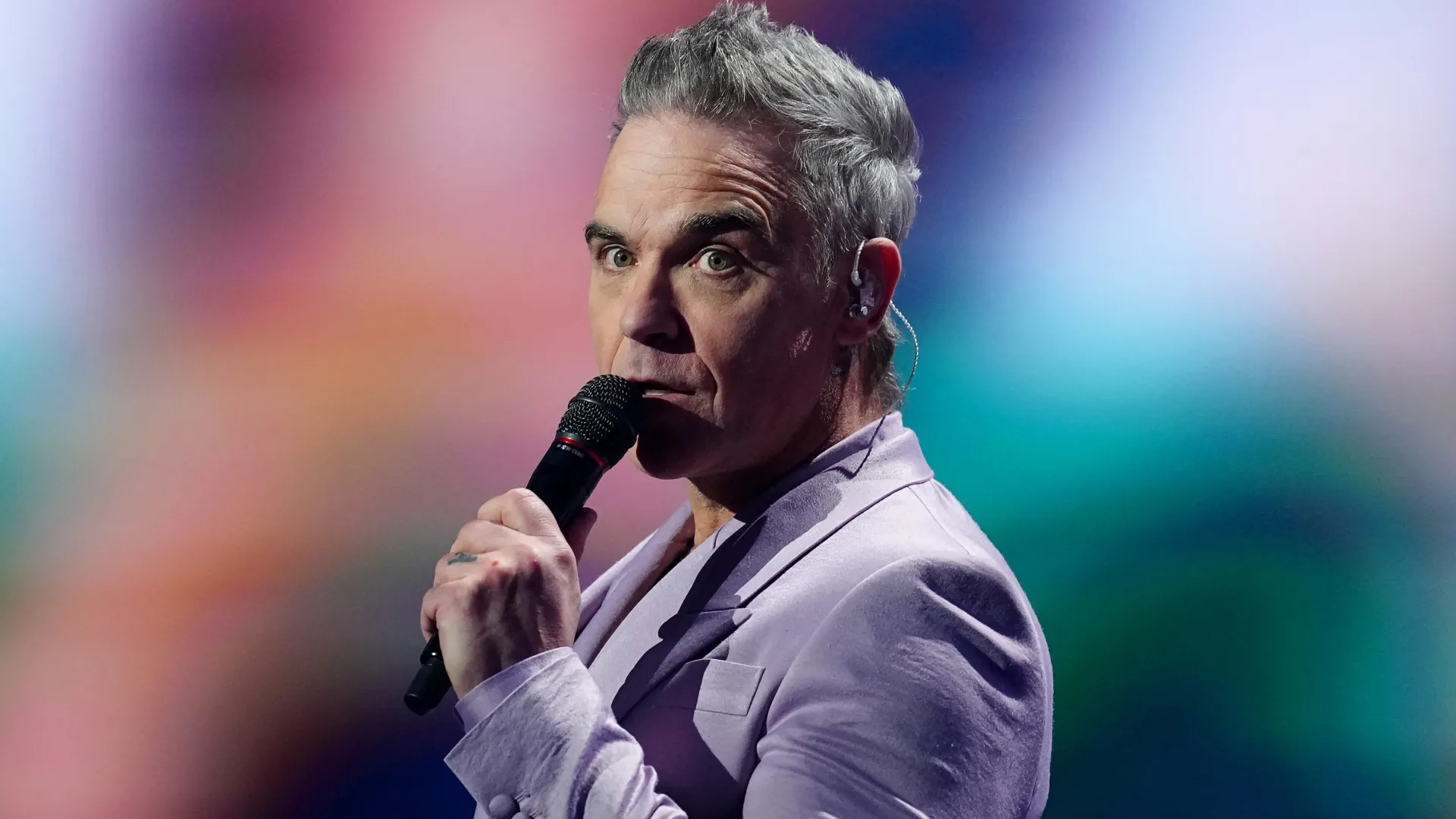
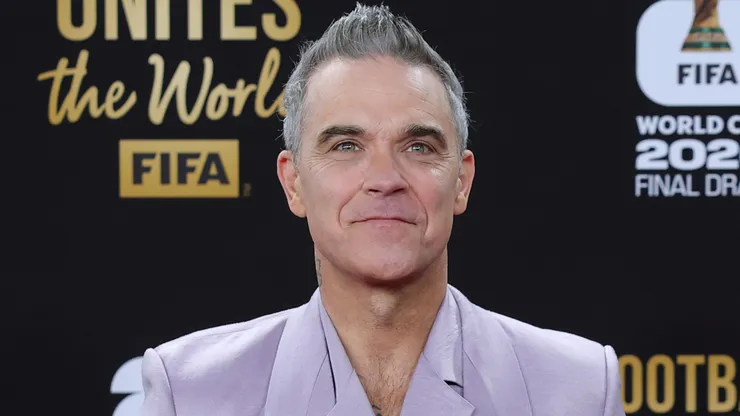
Robbie Williams performs during the FIFA World Cup 2026 Official Draw (Source: Jia Haocheng – Pool/Getty Images)
“She’s the One”
Originally a song by World Party, Robbie’s 1999 rendition became a UK No. 1 and one of his most beloved releases. Its simple message of unconditional love earned it the Brit Award for Best British Single, and the emotional resonance helped broaden his appeal across generations, especially among fans drawn to ballad‑driven storytelling.
“Supreme”
Part of the Sing When You’re Winning album, “Supreme” mixes disco flourishes with pop sophistication, showcasing Robbie’s flair for theatricality. Though not his highest charting track, its lush production and confident delivery contributed to the critical perception of Robbie as a polished entertainer capable of blending genres with ease.
“Come Undone”
This 2003 single peeled back the polished veneer of pop to reveal a more raw, introspective side of Robbie. With lyrics exploring vulnerability, excess, and emotional unraveling, the song resonated with listeners who connected to its honesty. Though more subdued than some hits, “Come Undone” remains a favorite among fans who appreciate his more challenging and self‑reflective work.
“Strong”
A later track that never climbed as high on the charts as some others, “Strong” is important for what it represents: Robbie’s ability to turn introspection into anthem. Its message of resilience struck a chord with fans navigating personal struggles, making it a piece of his catalog that proves chart position isn’t the only measure of impact.
“Candy”
After a period of lower chart prominence, “Candy” emerged in 2012 as Robbie’s first UK No. 1 in eight years. Its infectious melody and playful energy reminded fans and critics that he could still dominate mainstream charts well into his career. “Candy” marked a commercial resurgence and reinforced Robbie’s longevity in pop music’s upper echelons.