When Rihanna first topped the charts in the mid-2000s, few could have predicted that the teenager from Saint Michael, Barbados would one day become one of the wealthiest self-made women in entertainment.
Over the past decade, her trajectory has shifted from hitmaker to mogul, culminating in billionaire status largely driven not by album sales, but by equity. Her blueprint expanded into lingerie and later into high fashion, making her the first Black woman to helm a luxury house within the conglomerate.
From chart-topping star to strategic mogul
Before she became a billionaire entrepreneur, Rihanna was already one of the most commercially successful artists of the 21st century. With more than 250 million records sold worldwide and 14 No. 1 singles on the Billboard Hot 100, her dominance in pop and R&B was firmly established by the early 2010s.
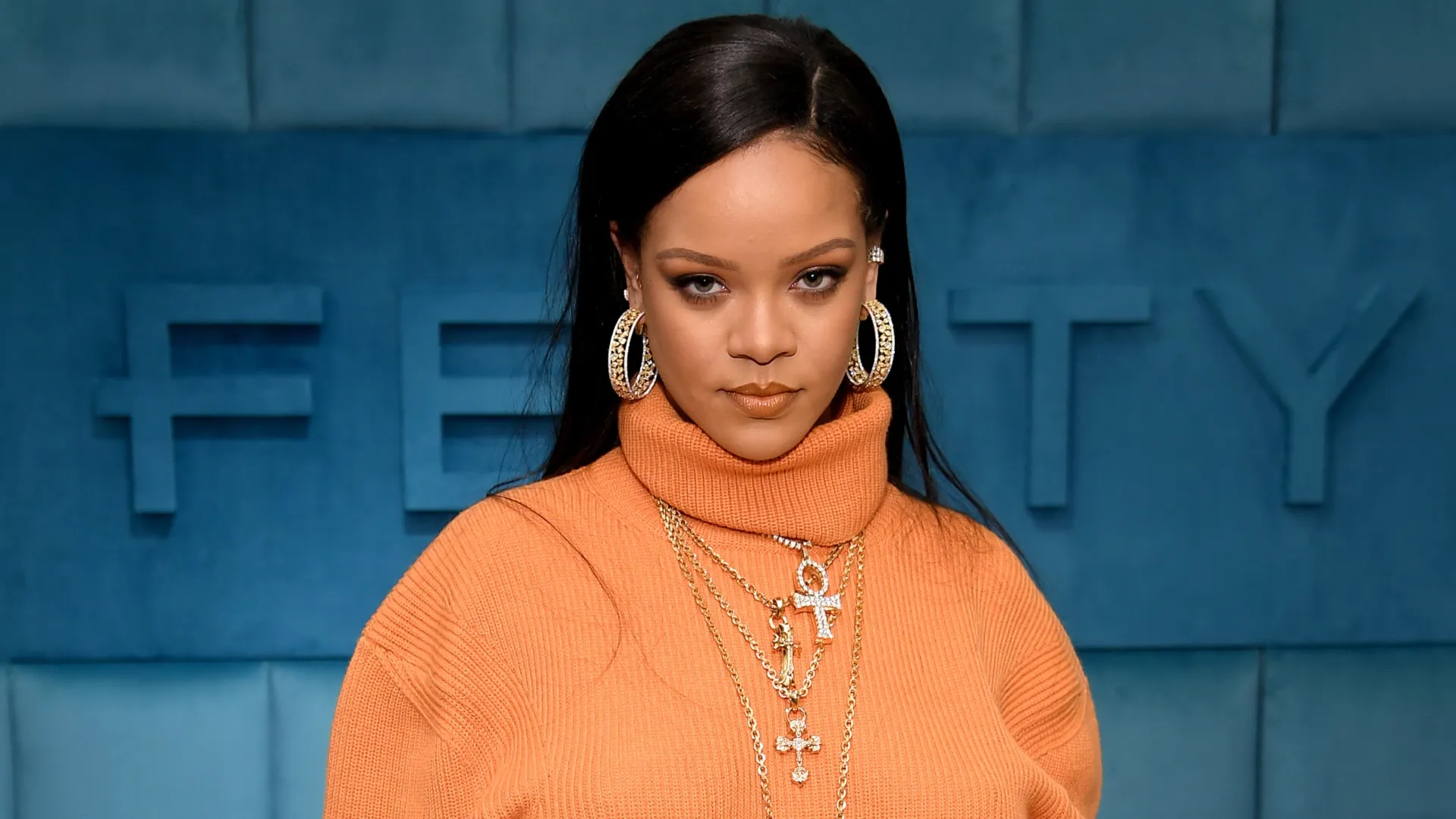
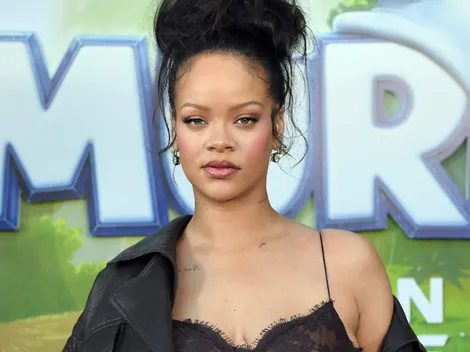
Rihanna and Linda Fargo celebrate the launch of FENTY in 2020 (Source: Dimitrios Kambouris/Getty Images for Bergdorf Goodman)
But while many superstars relied on touring cycles and endorsement deals, Rihanna began shifting toward ownership — a move that would fundamentally reshape her financial future.
Rather than attaching her name to existing brands, she pursued equity partnerships and long-term control. That strategic pivot aligned with a broader change in celebrity economics: influence alone was no longer enough — infrastructure mattered.
Her next chapter would prove that cultural capital, when paired with smart business alliances, could evolve into something far more powerful than chart success.
Fenty Beauty, Savage X Fenty and the making of her empire
The turning point arrived in 2017 with the launch of Fenty Beauty, created in partnership with luxury conglomerate LVMH. Debuting with 40 foundation shades — later expanded — the brand disrupted the beauty industry by centering inclusivity at a scale rarely seen before.
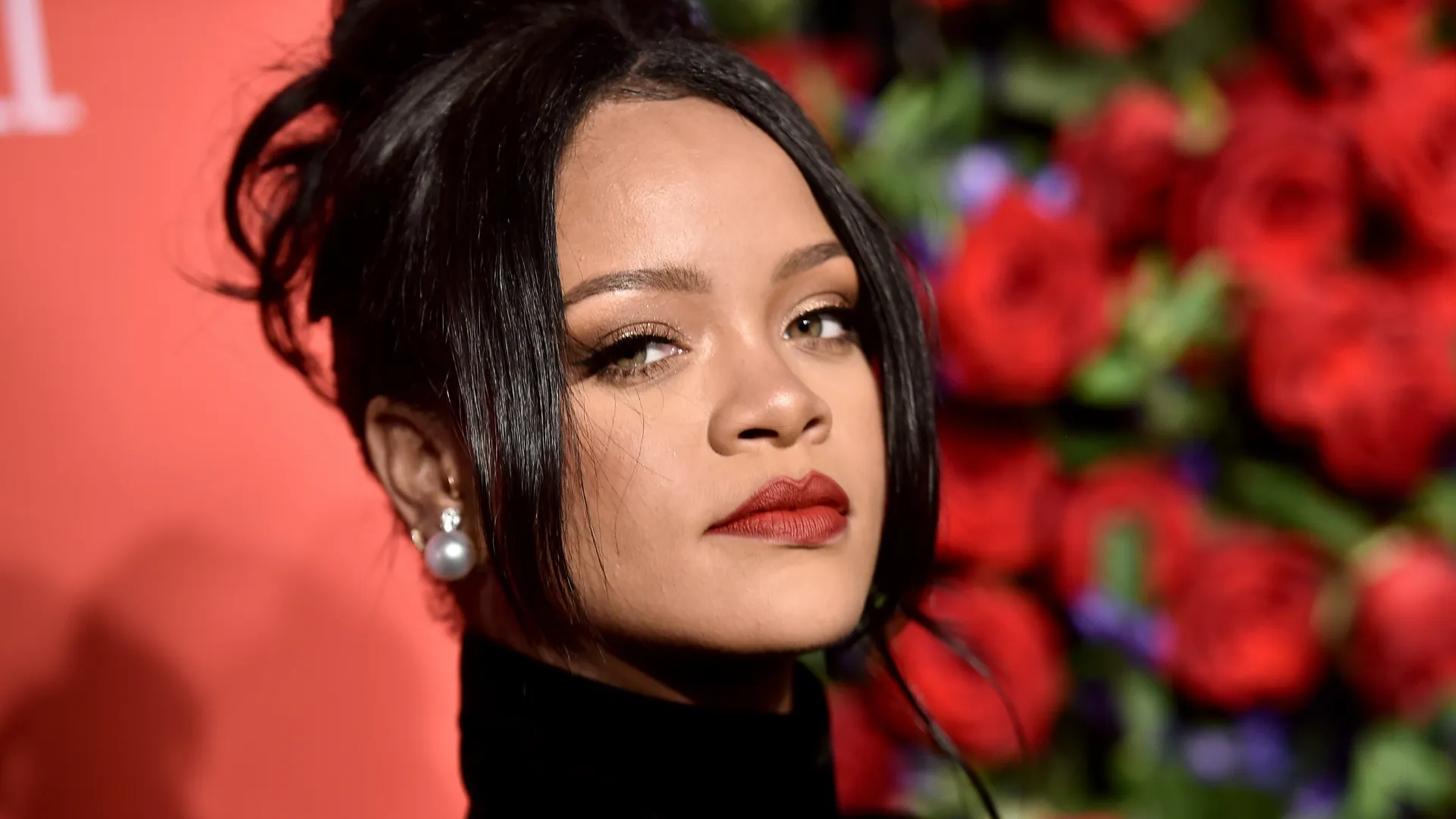
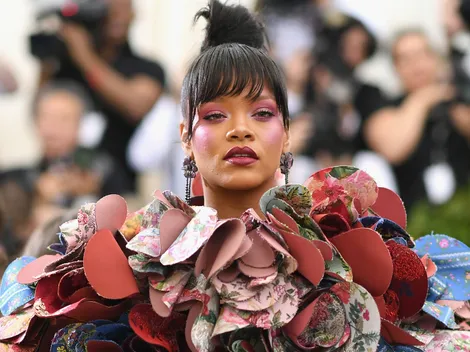
Rihanna attends Rihanna’s 5th Annual Diamond Ball in 2019 (Source: Steven Ferdman/Getty Images)
The immediate commercial impact was staggering, with hundreds of millions in revenue in its early years. Rihanna’s reported 50% stake became the backbone of her fortune, helping her reach billionaire status, according to financial estimates by outlets such as Forbes.
She expanded that blueprint with Savage X Fenty in 2018, a lingerie line that blended fashion, performance, and body diversity in ways traditional brands had long avoided.
The company quickly achieved unicorn valuation status, supported by private investment rounds and high-profile runway productions that doubled as global streaming spectacles.
Add to that Fenty Skin, past collaborations with Puma, and philanthropic leadership through the Clara Lionel Foundation, and her empire reveals a clear throughline: ownership, representation, and a refusal to follow industry rules.