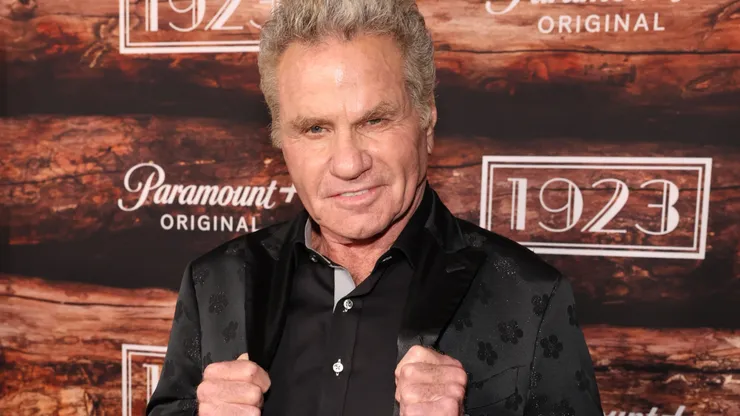
Martin Kove built a career out of intensity. Long before streaming audiences rediscovered him, the actor had already spent decades crafting a gallery of tough, unforgettable characters across film and television. His breakthrough arrived in the 1980s, when he stepped into the role that would define him: the ruthless sensei John Kreese in The Karate Kid.
With a single philosophy — “no mercy” — he transformed a martial arts villain into one of the most recognizable antagonists of the era, a presence whose cold stare and rigid discipline lingered long after the credits rolled. Yet his legacy stretches far beyond the dojo. Over a career that began in the early 1970s, he moved seamlessly between genres, appearing in action films.
The Karate Kid (1984)
(Source: IMDb)
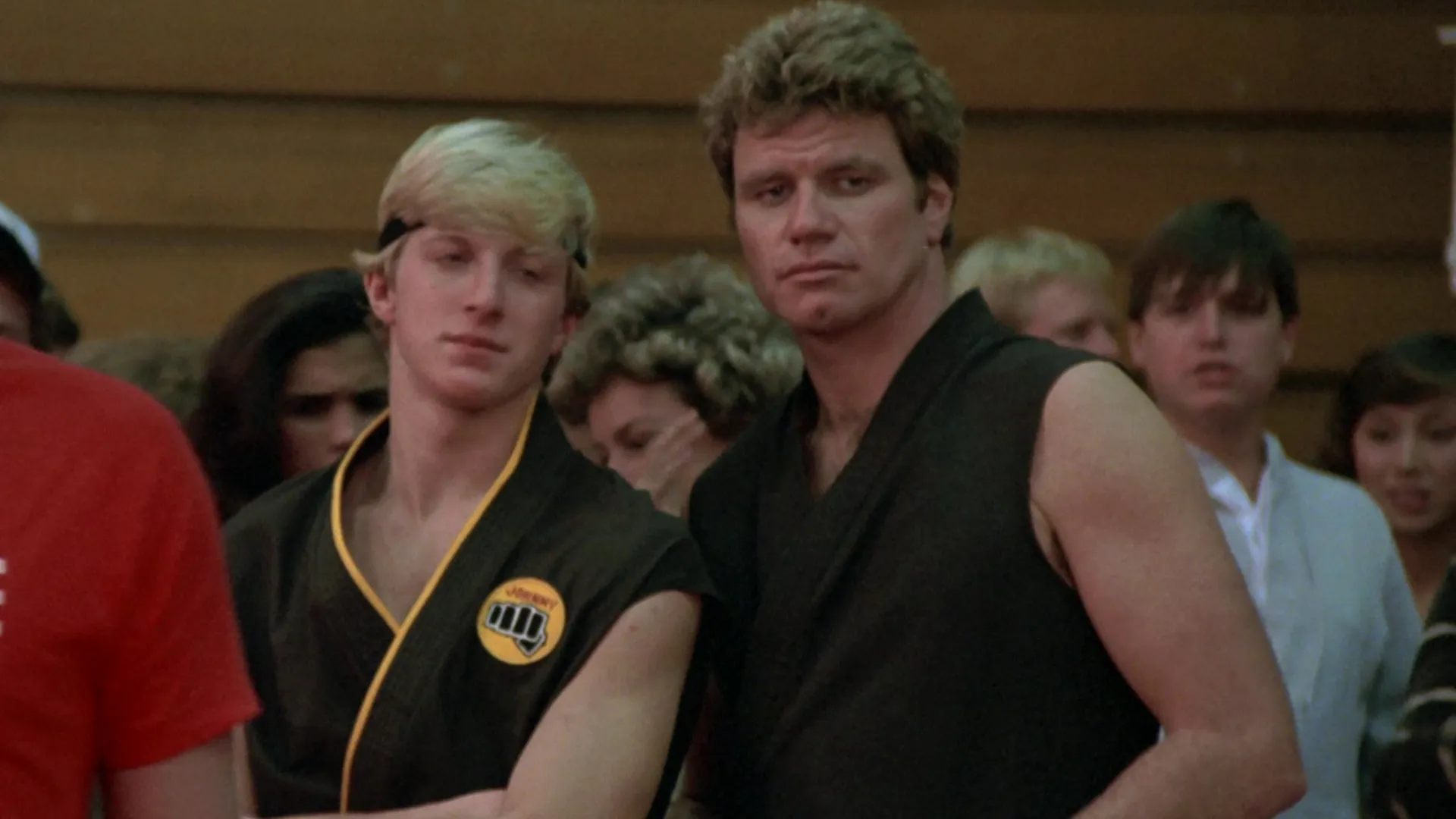
No performance defines Martin Kove’s career more than his portrayal of John Kreese in The Karate Kid. As the merciless sensei of the Cobra Kai dojo, he embodied a villain whose philosophy of “no mercy” shaped the film’s central conflict against young hero Daniel LaRusso, played by Ralph Macchio.
The movie became a cultural phenomenon and one of the most beloved sports dramas of the 1980s. Kreese’s cold intensity and uncompromising worldview turned him into one of the era’s most memorable antagonists—an image so powerful that the character would return in sequels and decades later in Cobra Kai, proving that some cinematic villains never truly disappear.
Cobra Kai (2018–2025)
(Source: IMDb)
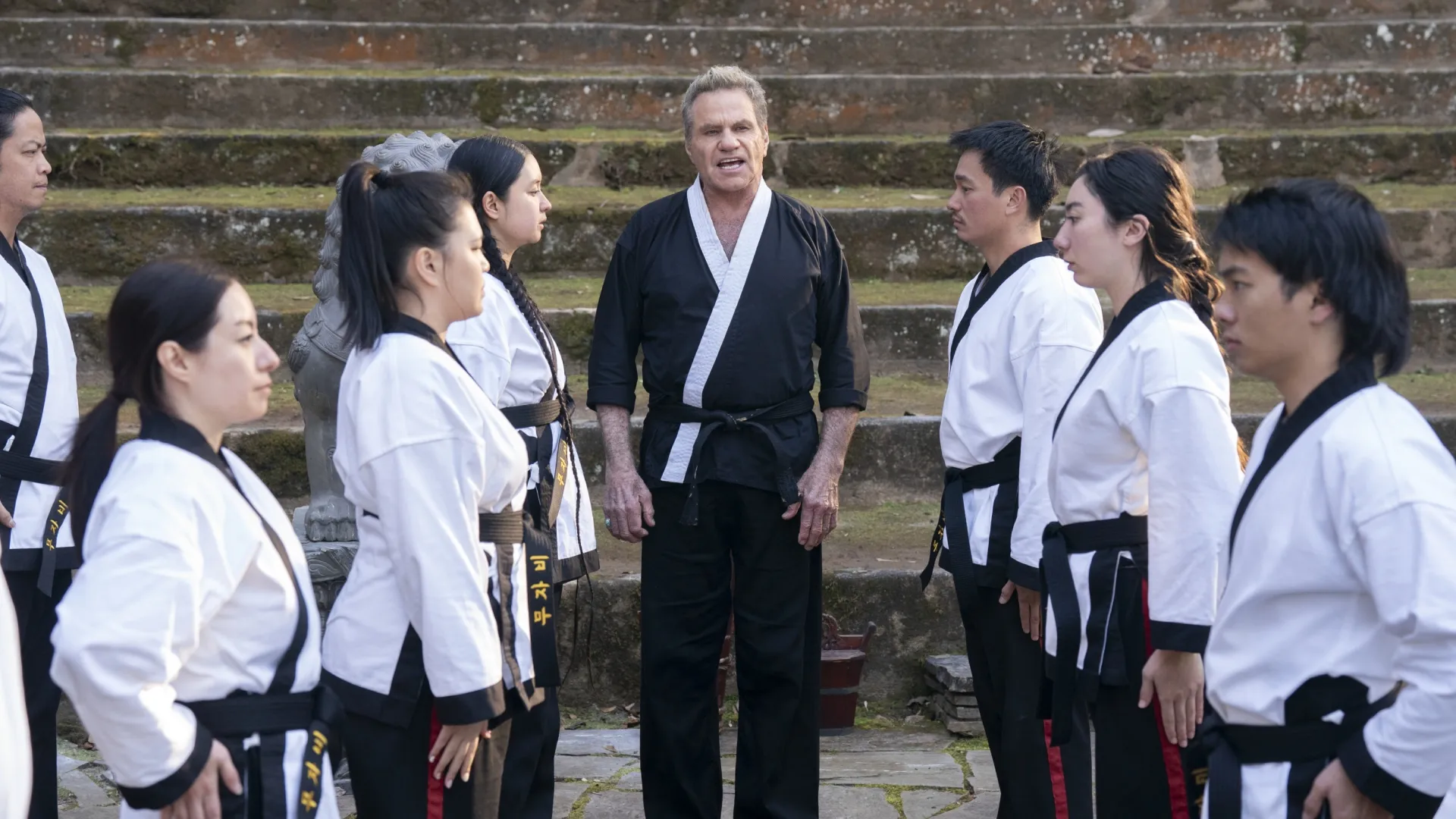
More than three decades after his most famous role first appeared, Kove returned as John Kreese in Cobra Kai, the sequel series that revived the world of The Karate Kid. The show explores what happened to the original characters decades later, turning Kreese into a complex antagonist shaped by war, loss, and a relentless philosophy of strength. The series became a global streaming success after moving to Netflix, introducing Kove’s iconic character to an entirely new generation of viewers.
Rambo: First Blood Part II (1985)
(Source: IMDb)
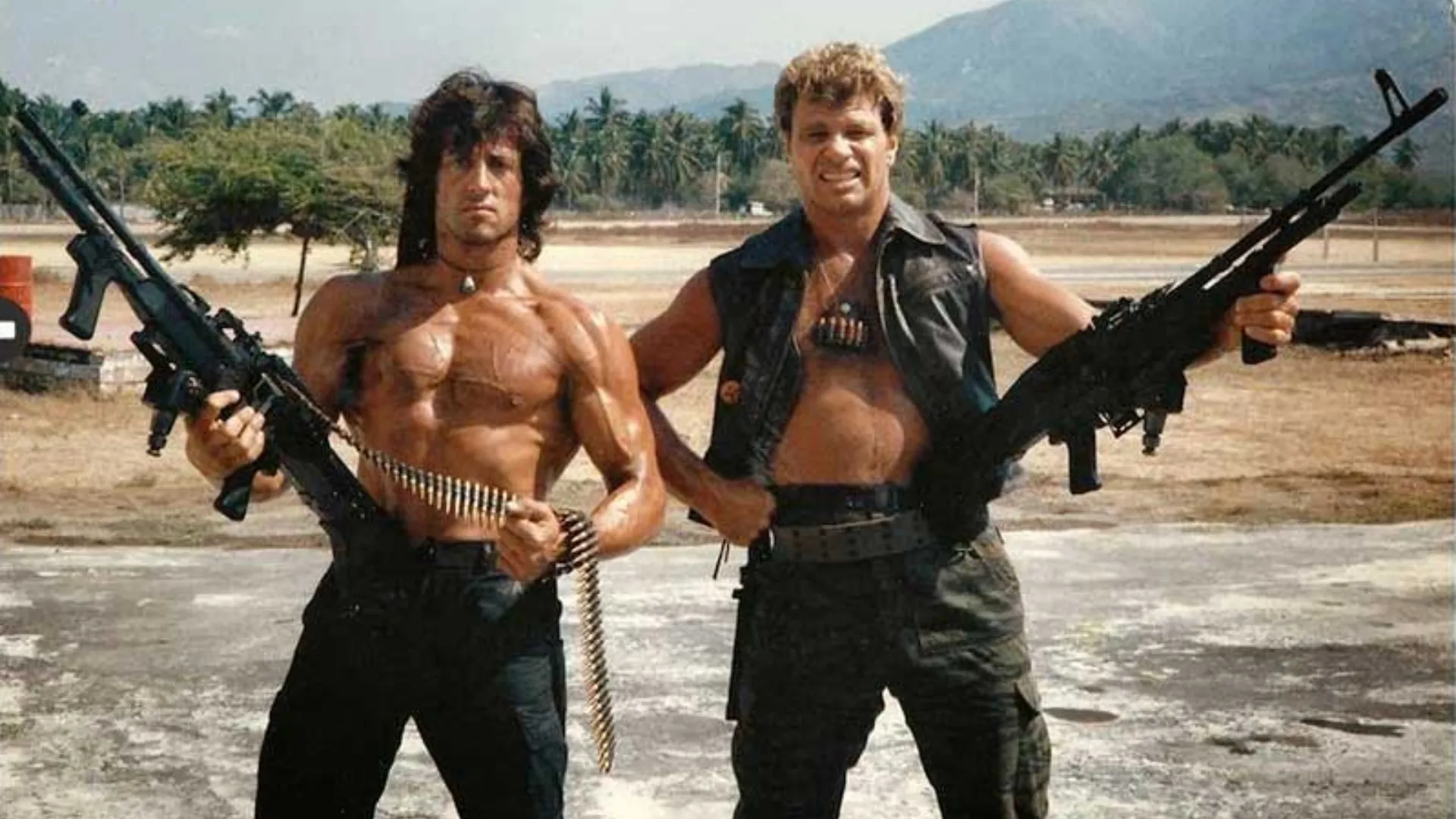
In the explosive sequel to the original Rambo film, Kove played Ericson, a military officer involved in the controversial mission that sends John Rambo back into Vietnam.
The movie became a defining action blockbuster of the 1980s, starring Sylvester Stallone at the height of his fame. Kove’s role placed him within one of the decade’s most influential franchises and reinforced his image as a commanding authority figure often positioned opposite the film’s hero.
The Last House on the Left (1972)
(Source: IMDb)
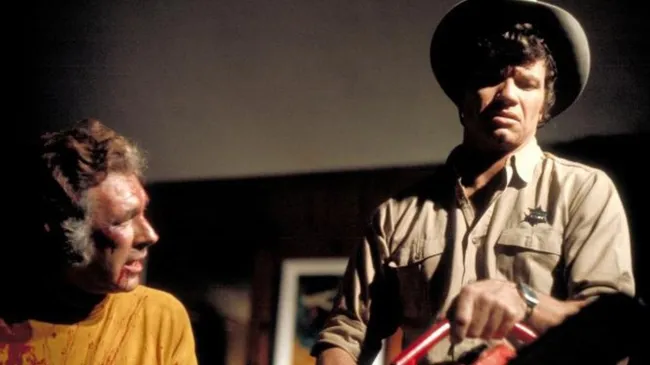
Early in his career, Martin Kove appeared in the controversial horror film directed by Wes Craven. Although his role was small, the movie itself became a landmark of gritty 1970s exploitation cinema, known for its raw violence and unsettling realism.
For Kove, it marked one of his first steps into the film industry after beginning his acting career in the early 1970s, a period in which he took on a variety of supporting roles while building a reputation as a dependable character actor.
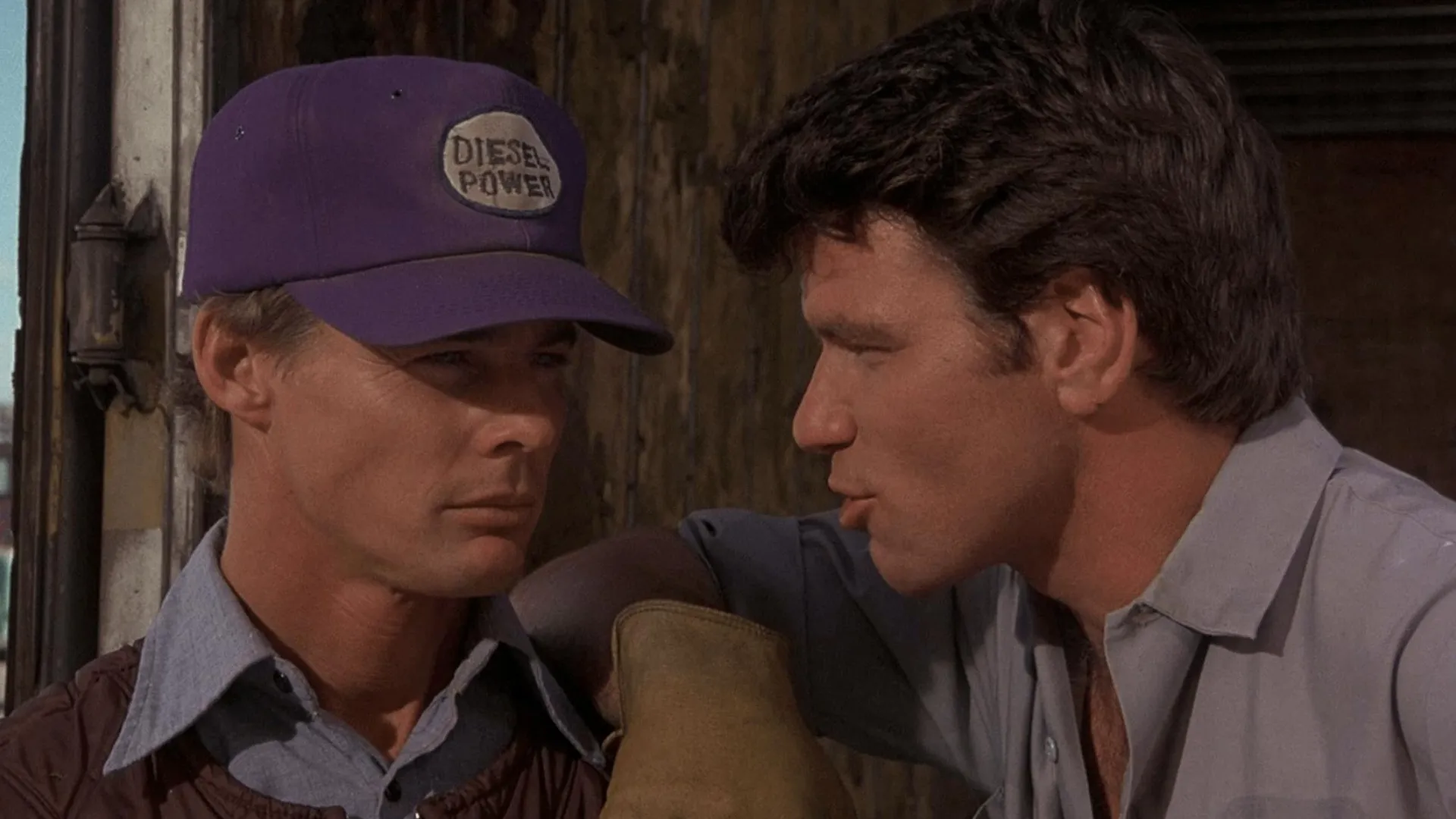
White Line Fever (1975)
(Source: IMDb)
The mid-1970s were filled with tough, working-class stories in American cinema, and White Line Fever fit squarely into that tradition. Starring Jan-Michael Vincent as a truck driver confronting corruption and organized crime, the film gave Kove the chance to appear in a rugged action drama rooted in social tensions of the era.
His presence in the movie reflected the type of characters he would often portray: stern, intense figures operating in morally gray worlds. The role helped reinforce his image as a performer well suited to the gritty tone that defined many films of the decade.
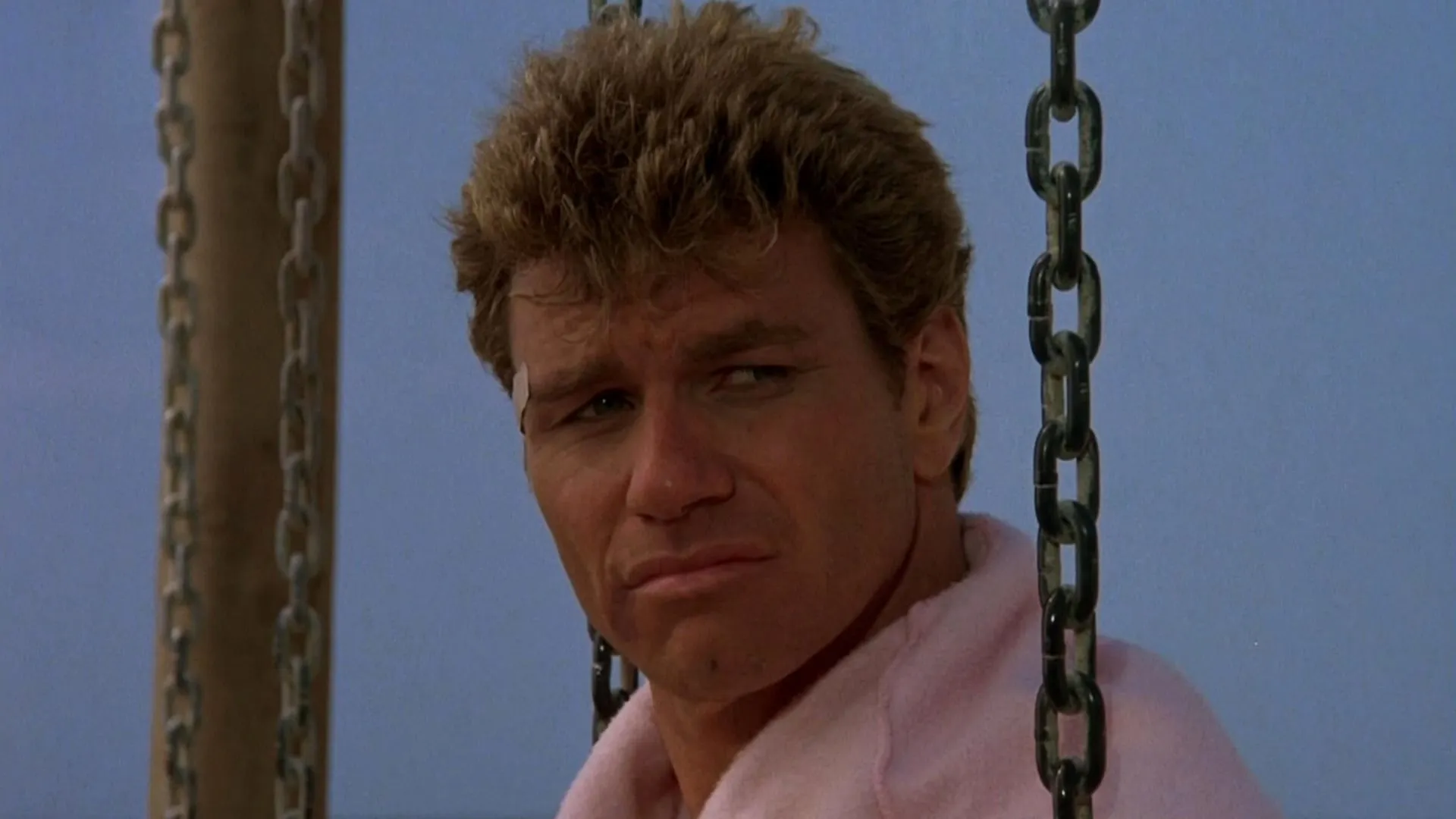
Steele Justice (1987)
(Source: IMDb)
By the late 1980s, Kove had become a familiar face in action cinema, and Steele Justice captured that stage of his career perfectly. The film mixes martial arts, crime drama, and revenge storytelling, following a Vietnam veteran determined to take down a powerful criminal organization.
Kove’s performance contributed to the hard-edged atmosphere typical of the era’s action movies, where lone warriors and former soldiers often fought battles that the system refused to address.
Once Upon a Time in Hollywood (2019)
Decades into his career, Kove made a brief appearance in the nostalgic Hollywood epic directed by Quentin Tarantino. The film, starring Leonardo DiCaprio and Brad Pitt, recreates the atmosphere of late-1960s Los Angeles and celebrates the actors who shaped the era’s film and television landscape.
Kove’s cameo felt like a subtle tribute to performers who spent decades working in genre productions, westerns, and action films that formed the backbone of American pop culture.
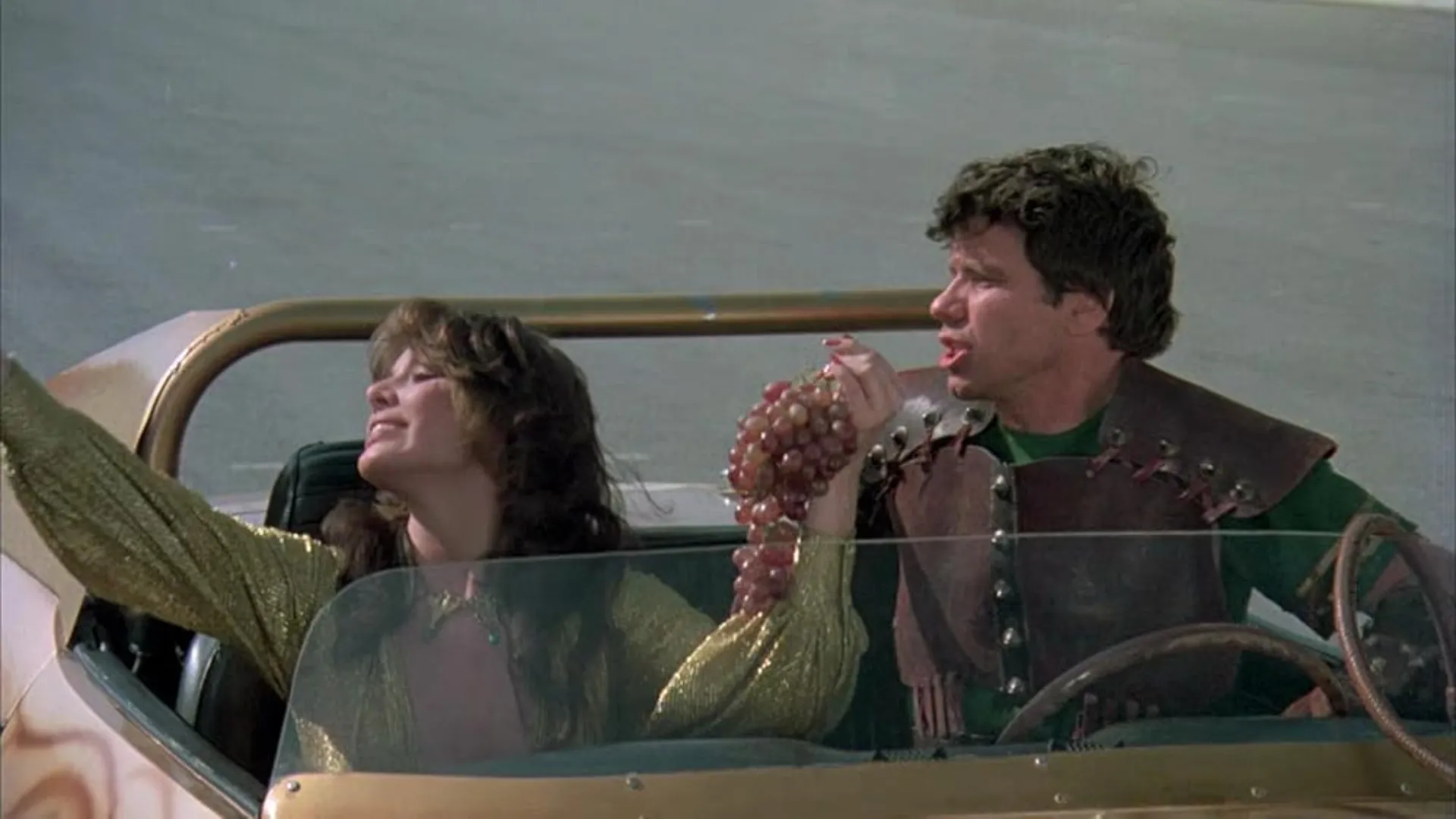
Death Race 2000 (1975)
(Source: IMDb)
This cult science-fiction film remains one of the strangest and most memorable projects associated with Kove’s early career. Set in a dystopian future where a brutal cross-country race awards points for running down pedestrians, Death Race 2000 became famous for its dark satire and outrageous premise.
The film starred David Carradine and a young Sylvester Stallone, and over time it earned a reputation as a cult classic. Appearing in a film that later gained such a following helped position Kove within a generation of actors who thrived in bold, unconventional genre cinema.
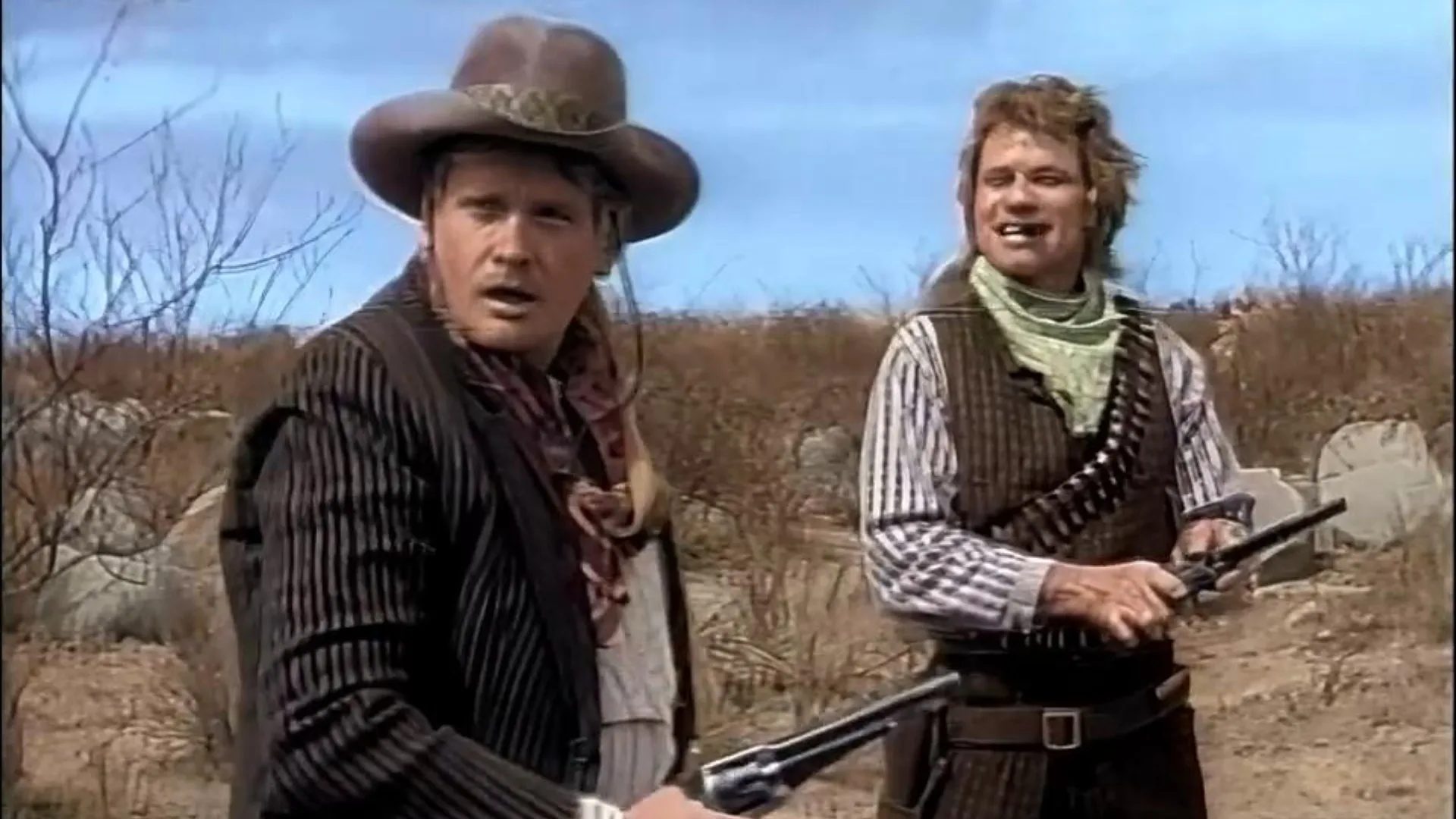
Wyatt Earp (1994)
(Source: IMDb)
In the sweeping Western Wyatt Earp, Kove joined a large ensemble cast led by Kevin Costner. The film attempted to tell the full life story of the legendary lawman, exploring the myths and realities of the American frontier.
Though his role was not among the central ones, Kove’s participation connected him to one of the decade’s major historical epics. It also demonstrated his ability to transition into different genres, from action and crime films to classic Western storytelling.
Cagney & Lacey (1982–1988)
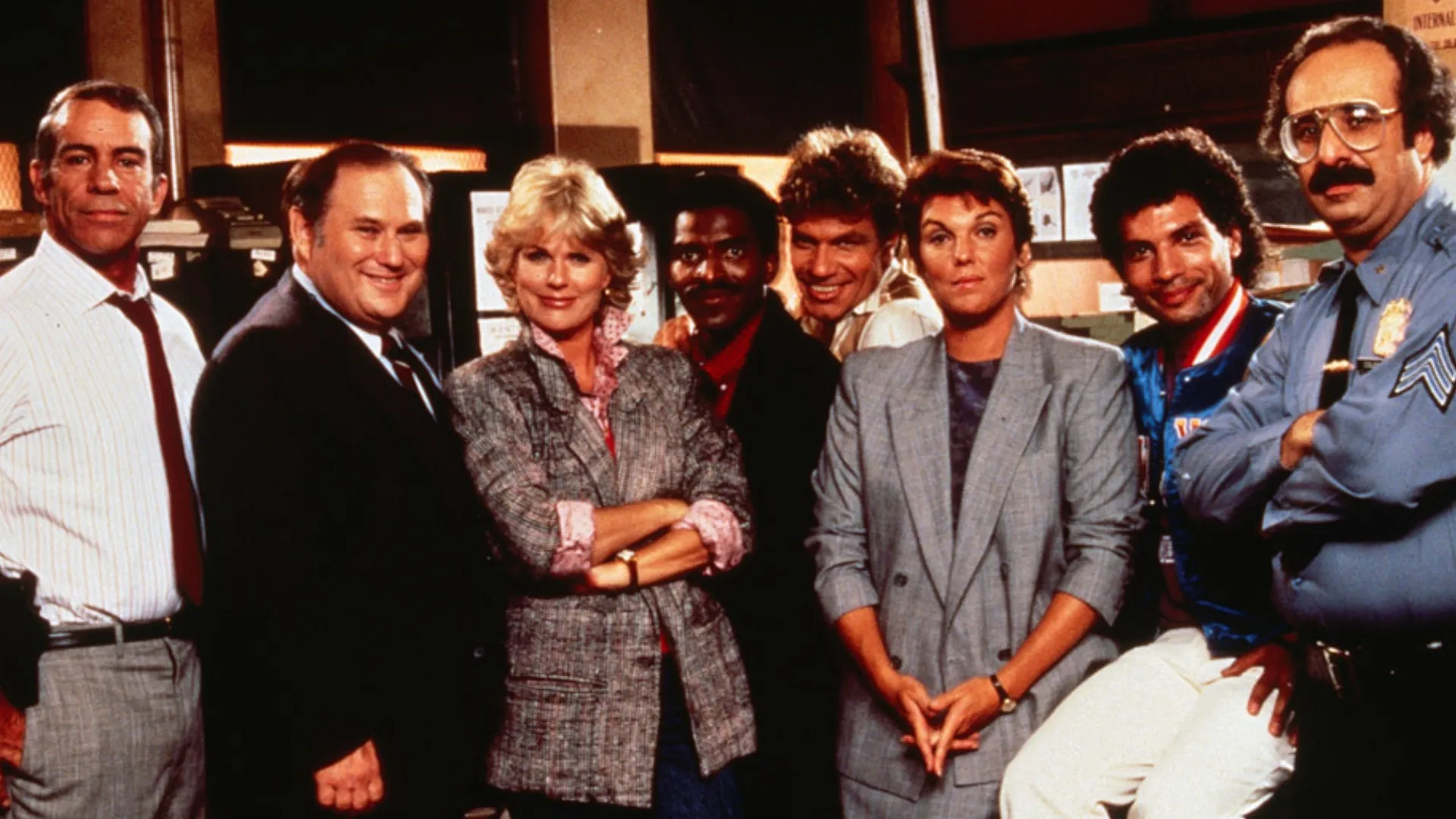
(Source: IMDb)
While many viewers associate Kove with movie villains, television audiences came to know another side of his acting through Cagney & Lacey. In the acclaimed police drama, he portrayed Detective Victor Isbecki, a tough but often sympathetic officer navigating the pressures of law enforcement.
The series became one of the defining crime shows of the 1980s, and Kove’s character evolved over the years into a layered figure rather than a simple authority archetype. The role remains one of his most recognized television performances.