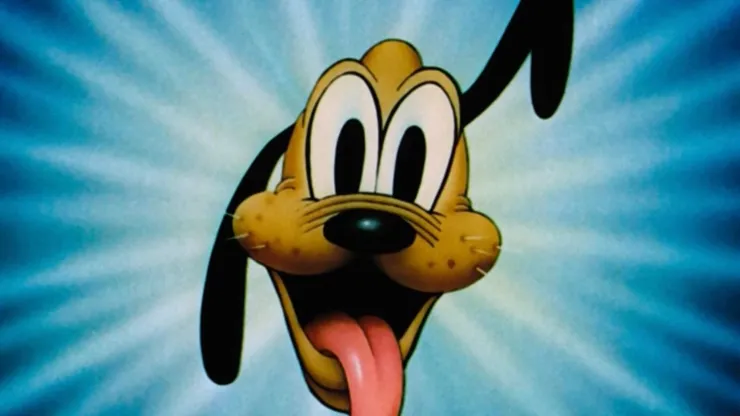
The “Public Domain Day” class of 2026 has officially arrived, and while the headlines are buzzing with the news that Pluto is now “free,” the legal reality is a bit more tangled than a backyard game of fetch. As of January 1, 2026, the 95-year copyright clock has run out for works published in 1930, effectively liberating the earliest iterations of the character—though you might not recognize him by name just yet.
The Pup, the Myth, and the Legal Fine Print
The version of the character entering the public domain today isn’t technically the “Pluto” we know from modern lunchboxes, but rather his unnamed and roughly-sketched ancestors.
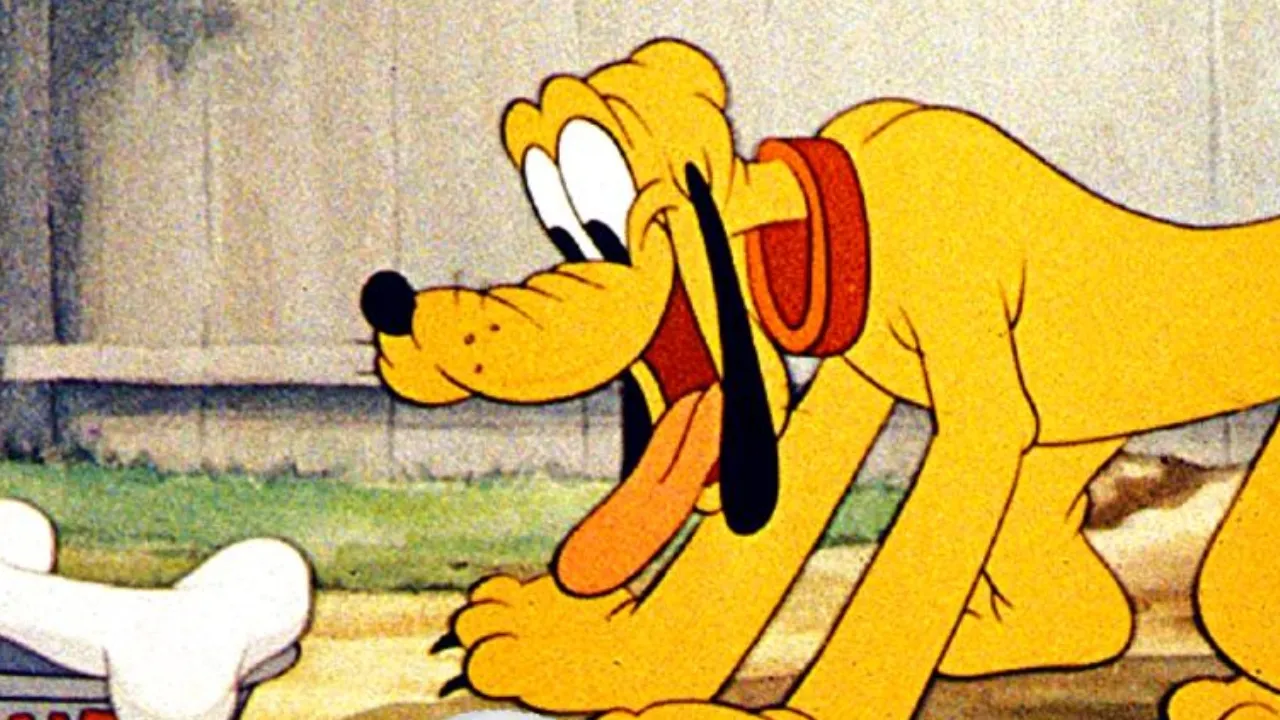
Specifically, the copyright has expired on the 1930 shorts The Chain Gang, where he appeared as an anonymous bloodhound tracking Mickey, and The Picnic, where he was introduced as Minnie Mouse’s pet under the name “Rover.” This means creators are now free to use these specific 1930 visual designs and character traits—such as his unbridled enthusiasm and non-anthropomorphic behavior—without seeking a license or paying royalties to the House of Mouse.
However, the “Pluto” brand itself remains largely under lock and key for another year. The character wasn’t actually christened with his famous name until the 1931 short The Moose Hunt, which means the specific moniker “Pluto” and his established status as Mickey’s personal companion won’t join the public commons until January 1, 2027. If you’re planning a project today, you can legally depict a yellow-orange bloodhound with black ears who acts like a real dog, but calling him “Pluto” in your marketing could still land you in a legal doghouse.
Furthermore, Disney continues to hold powerful weaponized tools in the form of trademarks. While copyright protects the creative work itself, trademarks protect the brand identity and the source of a product. Just as we saw with Mickey’s Steamboat Willie debut in 2024, anyone can now use the 1930 “Rover” in a comic or film, but they cannot use him in a way that tricks the public into believing the work is an official Disney production. For independent creators, this marks a massive opportunity for reimagining a classic, provided they stay within the boundaries of the 1930 source material.