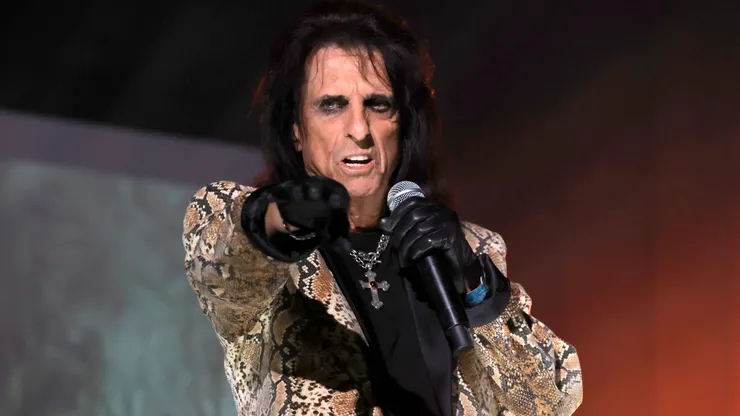
Long before shock rock became a genre label, Alice Cooper turned provocation into theater, blending hard riffs with guillotines, serpents, and dark humor. What emerged in the early ’70s wasn’t just controversy, but a blueprint for how spectacle and sound could share the same stage.
Across decades of reinvention, his catalog traced the uneasy space between rebellion and showmanship, where teenage anxiety met vaudeville flair. Radio hits and deeper cuts alike helped shape a persona that felt dangerous, playful and strangely enduring in equal measure.
Turning 78, the architect of macabre glamour still casts a long shadow over rock performance and image. The songs that built his legend reveal more than shock value alone—they map the evolution of an artist who made fear, fun and feedback part of the same mythology.
School’s Out (1972)
Few rock songs have embedded themselves into cultural ritual quite like School’s Out. Released at the height of Alice Cooper’s early-’70s ascent, the track fused garage-rock rawness with an instantly chantable chorus that transformed teenage rebellion into communal celebration. Its chart success on both sides of the Atlantic cemented Cooper as more than a provocateur — he was now a mainstream voice for youthful defiance. Decades later, the song still erupts every summer, proof that its anarchic joy never really graduated.
I’m Eighteen (1970)
Before the theatrics reached arena scale, I’m Eighteen introduced Cooper’s worldview in stark, distorted tones. The song’s heavy riff and blunt lyrics captured the confusion of adolescence with unusual honesty for hard rock at the time. It became the band’s first major U.S. breakthrough and quietly laid groundwork for the emotional directness later embraced by punk and alternative rock. Beneath the sneer lived vulnerability — a tension that would define much of Cooper’s best work.
No More Mr. Nice Guy (1973)
Written as a wry response to critics and moral outrage, this glam-tinged rocker balances satire with irresistible melody. Cooper leans into the villain role assigned to him, turning condemnation into catchy theater. The song’s playful swagger helped broaden his appeal beyond shock value, proving he could craft radio-ready hooks without dulling his edge. Over time, it became one of his most recognizable signatures in both concerts and pop culture.
Poison (1989)
By the late ’80s, Cooper faced the challenge of relevance in a glam-metal dominated landscape. Poison answered with sleek production, a towering chorus, and renewed commercial success. The single climbed international charts and reintroduced him to MTV-era audiences, marking one of rock’s more convincing career revivals. Rather than chasing trends blindly, Cooper reshaped his menace into something seductive and modern.
Under My Wheels (1971)
Driven by relentless rhythm and gritty attitude, Under My Wheels captures the kinetic danger of Cooper’s early band years. The track feels almost proto-punk in its urgency, favoring momentum over polish. Live performances amplified its ferocity, helping build the reputation of an act that blurred lines between concert and confrontation. It remains a snapshot of shock rock before spectacle fully took over.
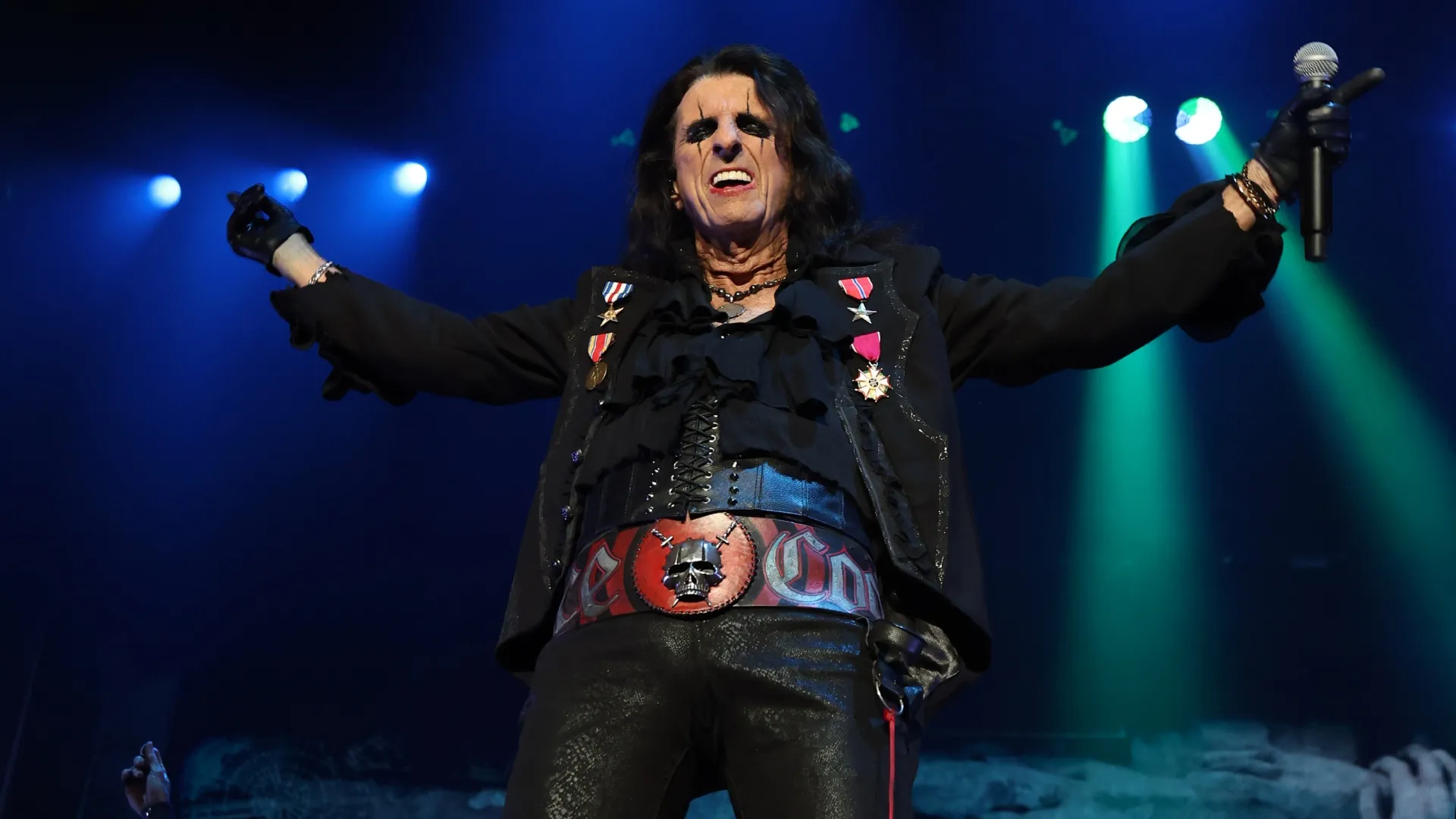
Alice Cooper performs at The Kia Forum on October 19, 2025. (Source: Monica Schipper/Getty Images)
Only Women Bleed (1975)
Among guillotines and horror imagery, this aching ballad revealed startling tenderness. Addressing domestic abuse with somber empathy, the song expanded perceptions of what Alice Cooper could express artistically. Its emotional weight contrasted sharply with his stage persona, demonstrating that theatrical darkness could coexist with genuine compassion. The result became one of the most haunting entries in his catalog.
Elected (1972)
Part campaign parody, part glam-rock anthem, Elected channels the circus of American politics through swaggering guitars and tongue-in-cheek ambition. Released during a heated election era, it blurred satire and spectacle in a way that felt both absurd and oddly perceptive. Cooper positioned himself as a fictional candidate of chaos — a fitting metaphor for rock stardom in the ’70s.
Feed My Frankenstein (1992)
Equal parts horror homage and metal showstopper, this track revived Cooper’s monstrous imagery for a new decade. Its association with Wayne’s World introduced him to younger audiences, while the thunderous arrangement reaffirmed his theatrical instincts. Rather than nostalgia, the song feels like self-mythology — Cooper embracing the creature he helped invent.
Lost in America (1994)
Arriving in the mid-’90s, Lost in America pairs crunchy guitars with lyrics reflecting generational drift and disillusionment. Though less commercially dominant than earlier hits, it found lasting life onstage, where its restless energy resonated with audiences navigating a changing cultural landscape. The song underscores Cooper’s ability to evolve without abandoning identity.
Ballad of Dwight Fry (1971)
Dark, claustrophobic, and theatrical, this deep cut dives into psychological horror inspired by classic cinema. Shifting dynamics and near-spoken passages create a miniature rock opera of madness. Fans and critics alike often cite it as one of Cooper’s most artistically daring recordings — proof that shock rock could also be narrative art.
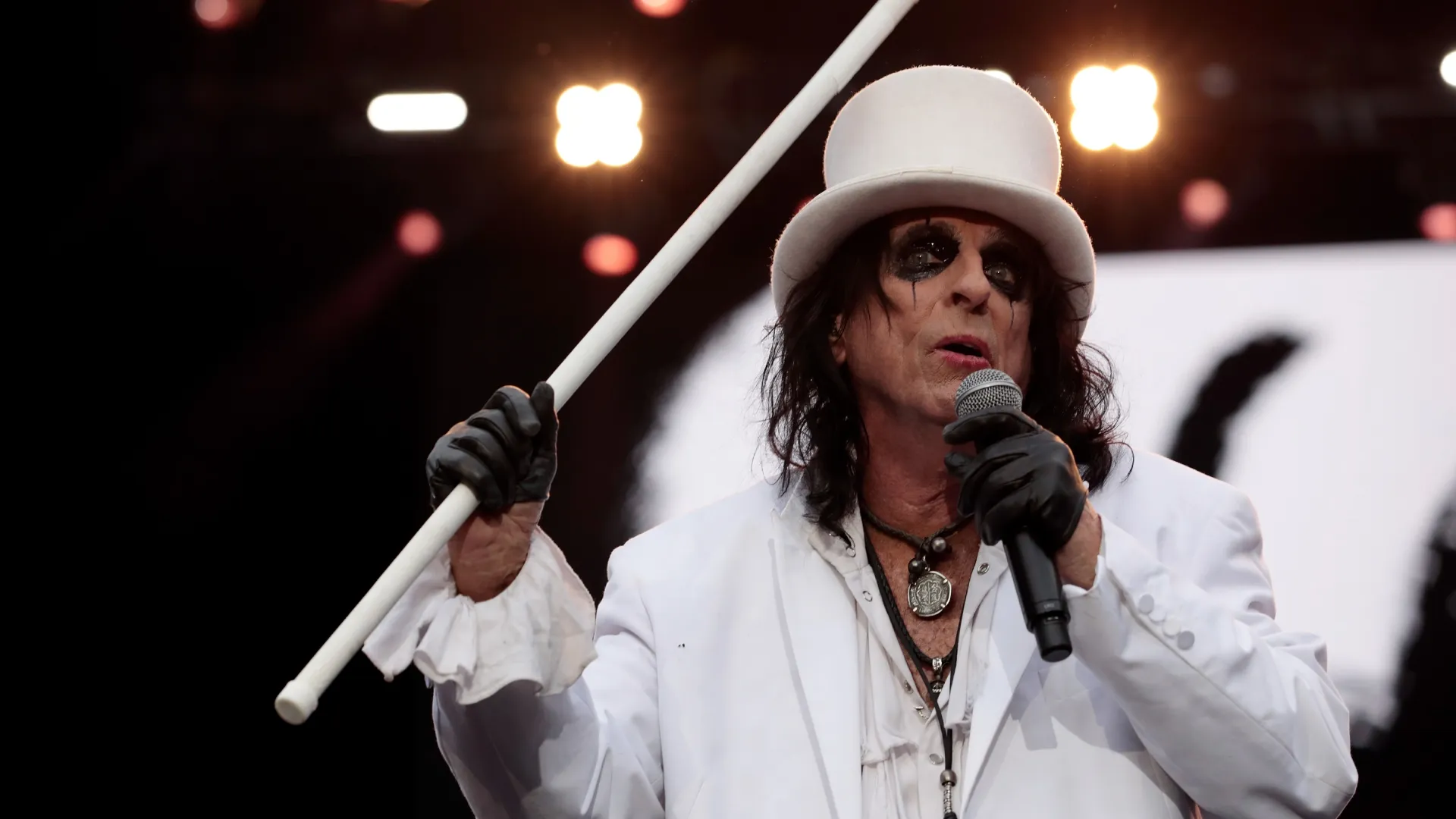
Alice Cooper performs during Fire Fight Australia at ANZ Stadium on February 16, 2020. (Source: Cole Bennetts/Getty Images)
Billion Dollar Babies (1973)
Opulence and irony collide in this glam-soaked anthem of fame and excess. The title track of one of Cooper’s most successful albums, it mirrors the decadence of early-’70s rock culture while slyly mocking it. Big riffs meet bigger attitude, capturing a moment when spectacle and popularity peaked simultaneously.
I Never Cry (1976)
Written during a period of personal struggle, this reflective ballad strips away theatrical armor. Its melody leans toward classic pop songwriting, allowing vulnerability to take center stage. The emotional sincerity broadened Cooper’s audience and hinted at the autobiographical depth beneath the makeup.
Hey Stoopid (1991)
Blending hard-rock crunch with a cautionary message about self-destruction, Hey Stoopid reflects Cooper’s own battles and recovery. Guest appearances from major rock figures reinforced its comeback energy. The track stands as both anthem and warning — loud, catchy, and unexpectedly sincere.
Love’s a Loaded Gun (1991)
Sharp riffs and polished production define this early-’90s single, which channels glam metal’s melodic intensity while retaining Cooper’s theatrical bite. Romantic obsession becomes dangerous metaphor, fitting neatly within his tradition of dark storytelling wrapped in accessible hooks.
I Love the Dead (1973)
Closing with macabre provocation, this cult favorite embodies the shock-rock persona in its purest form. Equal parts horror show and dark humor, the song cemented Cooper’s reputation for pushing boundaries others avoided. Even decades later, its eerie theatricality lingers like the final scene of a midnight performance.