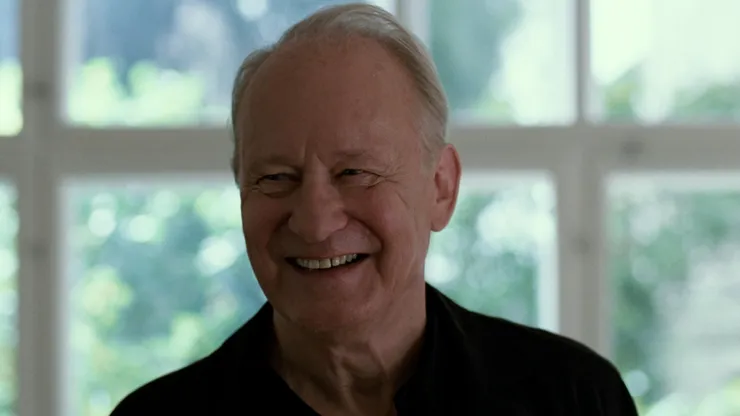
The announcement of the 2026 Oscar nominations has solidified “Sentimental Value” as the year’s most significant international crossover hit, with Stellan Skarsgård finally securing his first ever Academy Award nomination.
In Joachim Trier’s poignant and meta-textual drama, Skarsgård plays Gustav Borg, an aging filmmaker attempting to reconcile with his estranged daughters while mounting his final production.
While Skarsgård has been a mainstay of global cinema for fifty-four years, his role in this Norwegian-led production has struck a chord with voters in a way his previous Hollywood blockbusters never quite did. It is a moment of profound recognition for an actor who has spent his career alternating between massive franchises and the kind of intimate, challenging cinema that Trier champions.
A Career Defined by Artistic Integrity
Skarsgård’s nomination for “Sentimental Value” feels particularly fitting because the film itself is a meditation on the legacy of cinema and the personal costs of a life spent in the arts. As Gustav, he delivers a performance of remarkable vulnerability, capturing the desperation of a man who can only communicate with his children through the lens of a camera. Critics have hailed it as the definitive role of his later career, blending the stoic gravity he is known for with a new, raw layer of paternal regret. After five decades of being the industry’s most reliable supporting player, he has found a project that allows him to occupy the very center of the frame with devastating effect.
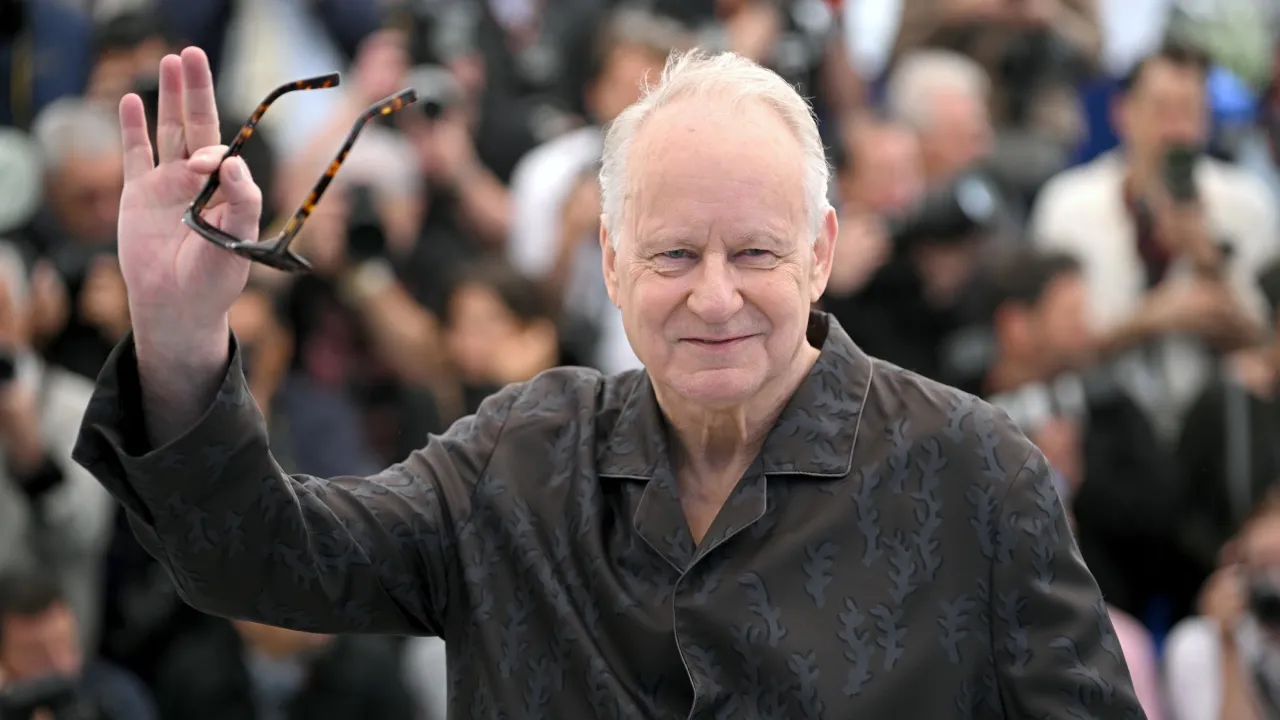
The road to this Oscar nod has been paved with recent accolades, including a sweep at the European Film Awards and a Golden Globe win, proving that the momentum for this performance was undeniable. Trier, known for his “Oslo Trilogy,” has a unique talent for drawing out career-best work from his actors, and Skarsgård’s collaboration with him seems to have unlocked a different register of his talent. By playing a director struggling with his own relevance, Skarsgård ironically proved that his own presence in cinema is more vital than ever. The nomination serves as a bridge between his roots in Scandinavian film and his status as a global star.
For fans and colleagues alike, this recognition is less about a single picture and more about the cumulative weight of a fifty-four-year journey. From his early days in Swedish television to becoming a pillar of the Marvel and “Dune” universes, Skarsgård has been a constant, steadying force in the industry. To see him recognized for a film as personal and intellectually rigorous as “Sentimental Value” feels like a victory for the “actor’s actor.” As the Academy Awards approach, the narrative is no longer about if he will ever be nominated, but how he managed to remain so consistently excellent for so long before the gold finally came calling.