Over the years, actors, musicians, athletes, and entertainers have secured patents for products ranging from practical household solutions to unexpected technological concepts. These ten inventions reveal a lesser known side of their creativity and prove that bright ideas can come from far beyond the worlds that made them famous.
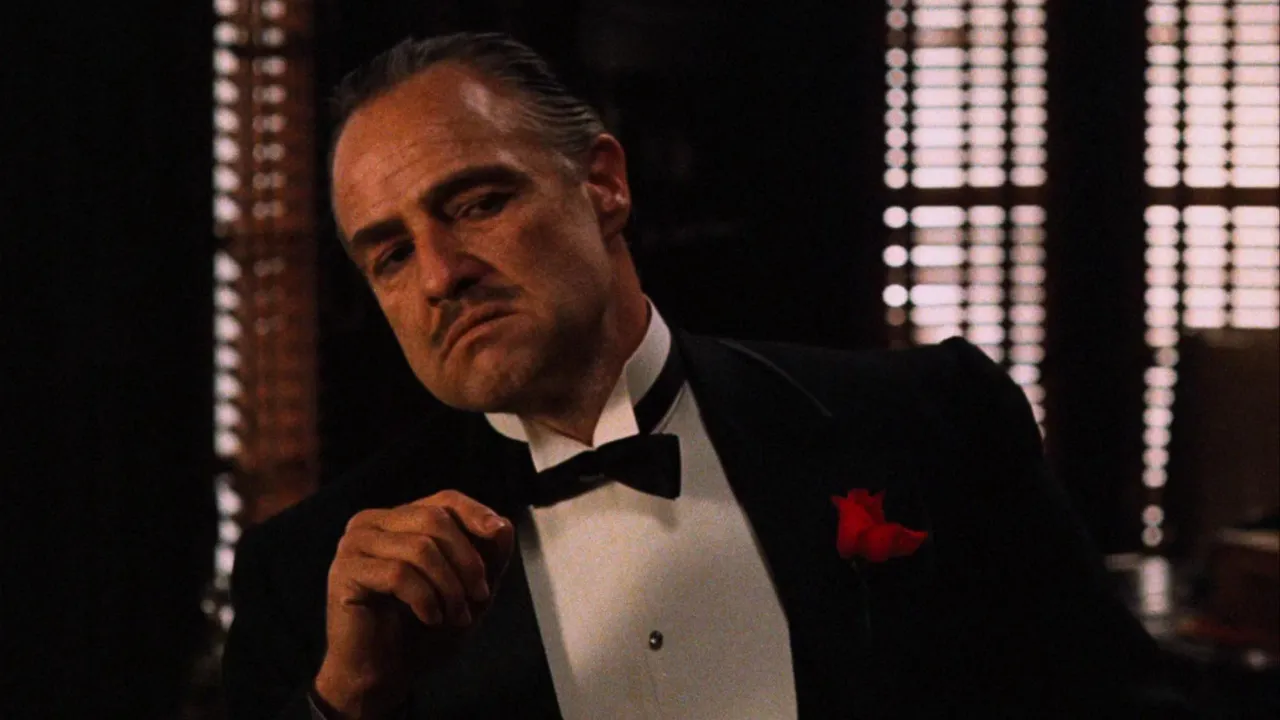
Marlon Brando
Source: IMDb
A passionate percussion player, the Oscar winning actor devoted years to redesigning the way conga drums are tuned, hoping to make the process quicker and more reliable for musicians. His idea replaced the usual series of screws around the drumhead with a single lever system positioned at the bottom of the instrument, allowing tension adjustments with far less effort.
Brando ultimately received four U.S. patents connected to the invention, including a posthumous patent in 2004 for a “Drumhead Tensioning Device.” The actor reportedly collaborated with Latin jazz percussionist Poncho Sanchez while refining the concept.
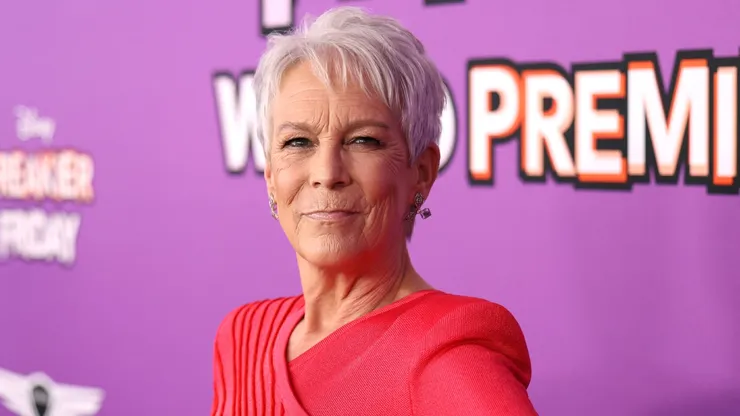
Jamie Lee Curtis
Practical parenting frustrations inspired one of Jamie Lee Curtis’ most unexpected accomplishments. In the late 1980s, the actress patented a redesigned disposable diaper that included a moisture resistant pocket stocked with baby wipes, making diaper changes far more convenient when supplies were not immediately nearby.
Her first patent for the invention was granted in 1988, and decades later she secured another patent for an updated version that incorporated a built in disposal bag. Curtis reportedly chose not to aggressively market the product at the time because she wanted manufacturers to move toward biodegradable materials first.
Walt Disney
Innovation was always central to Walt Disney’s vision, both on screen and behind the scenes. Over the course of nearly three decades, Disney received eight patents from the U.S. Patent and Trademark Office, beginning in 1931 with a design patent tied to a Mickey Mouse toy and continuing through the late 1950s.
Some of his most important contributions involved advancing animation technology itself. Disney played a major role in developing the multiplane camera, a groundbreaking system that created the illusion of depth by moving layered artwork at different speeds. The technique gave animated films a richer, more cinematic look and was famously showcased in the 1937 short “The Old Mill.”
Although Disney did not personally invent Technicolor, his studio secured an exclusive agreement to use the revolutionary three strip color process in animation for a limited period, helping transform the visual style of cartoons during the era. His impact on entertainment technology eventually earned him a place in the National Inventors Hall of Fame.
Michael Jackson
One of Michael Jackson’s most unforgettable stage illusions was not just choreography, it was patented engineering. To pull off the dramatic forward lean seen in the “Smooth Criminal” video and live performances, Jackson helped develop a special shoe mechanism that allowed dancers to tilt far beyond their natural center of gravity without falling.
The patent, officially titled “Method and Means for Creating Anti Gravity Illusion,” was granted in 1993 to Jackson and his collaborators Michael L. Bush and Dennis Tompkins. The design relied on a hidden system where a slot in the heel of the shoe locked into a peg rising from the stage floor, anchoring the performer during the move.
George Lucas
George Lucas did not just revolutionize blockbuster filmmaking. He also helped protect the visual identity of the “Star Wars” universe through a series of patents tied to the franchise’s hugely successful toy line. Many of the designs created for action figures and vehicles were formally patented through Lucasfilm, with Lucas credited as a co inventor on several of them.
Among the best known examples is the original Boba Fett action figure, which received a U.S. design patent in the early 1980s after being filed in 1979. Lucas also collaborated with legendary artists and designers including Ralph McQuarrie, Joe Johnston, and Phil Tippett on patented designs connected to characters and vehicles like the Tauntaun and AT AT walker.
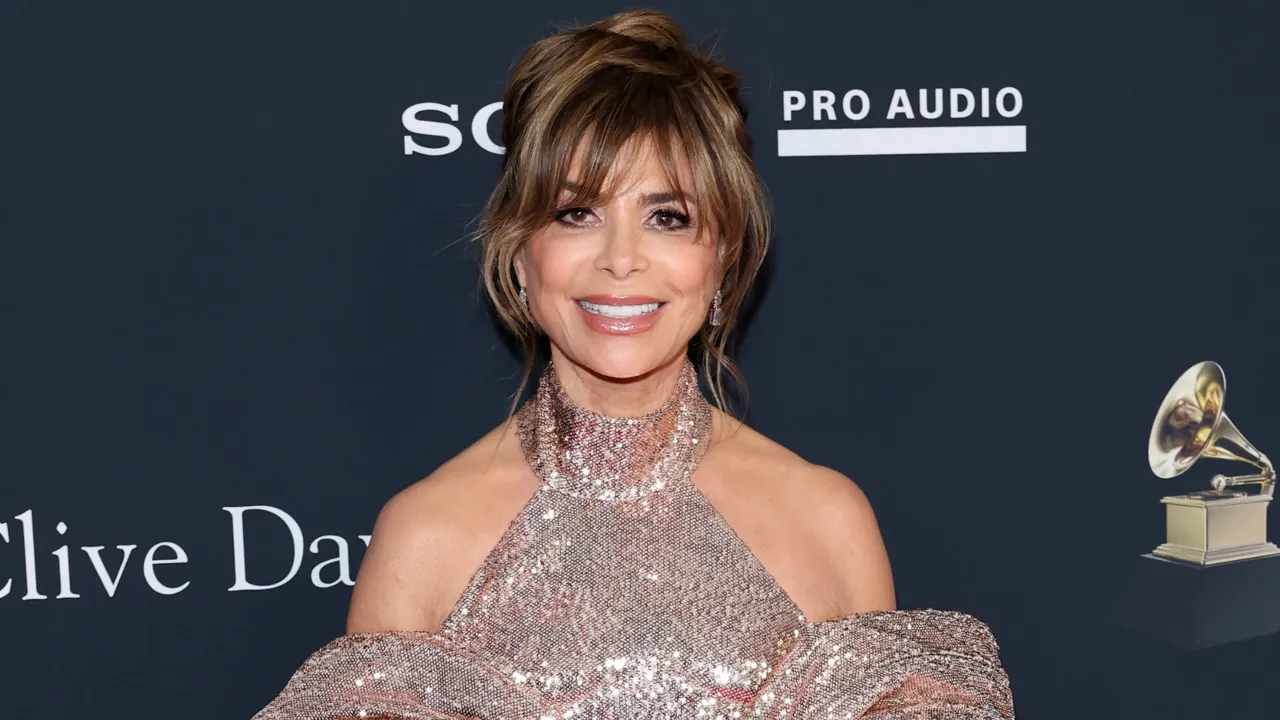
Paula Abdul
Source: IMDb
After years of performing elaborate dance routines on stage, Paula Abdul came up with an invention aimed at solving a problem many singers face during live shows. In 2008, she filed a patent for a redesigned microphone stand that could move with performers instead of becoming an obstacle during choreography.
Unlike traditional stands with rigid flat bases, Abdul’s concept used a rounded weighted bottom that allowed the stand to tilt in multiple directions before naturally returning upright. The design was intended to reduce accidents, tangled cables, and interruptions while performers sang and danced simultaneously. Her invention was later published as a patent application under the title “Dynamic Microphone Support Apparatus.”
Steve McQueen
Cars and motorcycles were more than a hobby for Steve McQueen. The actor’s obsession with racing eventually led him into the world of invention. In 1970, McQueen received a U.S. design patent for a custom bucket seat created to give drivers greater comfort and stability during high speed racing.
The design featured a wider back and specially shaped contours intended to keep drivers more secure behind the wheel. McQueen reportedly developed the idea after growing frustrated with the uncomfortable seats used during the filming of “Bullitt,” then later incorporated the improved design into his famous off road racing vehicle, the Baja Boot. Known for working on his own machines whenever possible, the patent reflected the same hands on passion that made him one of Hollywood’s most recognizable gearheads.
Prince
Prince’s creativity extended far beyond songwriting and performance. In the early 1990s, the music icon patented a custom designed keytar known as the “Purpleaxxe,” a futuristic instrument built to match the theatrical energy of his live shows.
Officially described as a portable electronic keyboard instrument, the design earned Prince a U.S. patent in 1994 under his legal name, Prince R. Nelson. The instrument combined the mobility of a guitar with the functionality of a keyboard, allowing performers to move freely across the stage during concerts.
Hedy Lamarr
Long before wireless technology became part of everyday life, Hedy Lamarr helped develop a system that would eventually influence it. During World War II, the actress teamed with composer George Antheil to create a secure radio communication method designed to prevent enemy forces from jamming guided torpedoes.
Their invention relied on rapidly shifting between radio frequencies in sync, a concept inspired by the 88 keys on a piano. The patent for the “Secret Communication System” was granted in 1942 under Lamarr’s legal name, Hedy Kiesler Markey. Although the U.S. military did not immediately adopt the technology, the frequency hopping principle later became a crucial building block for modern systems such as Wi Fi, Bluetooth, and GPS.
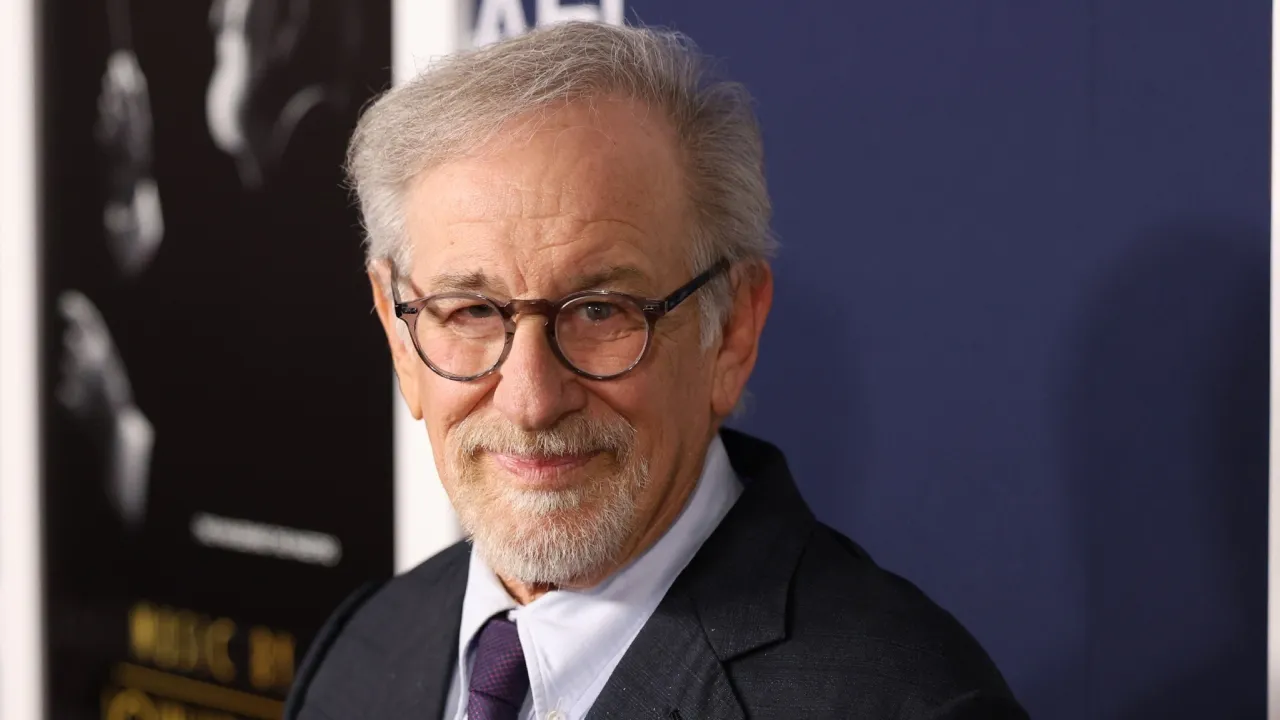
Steven Spielberg
Source: Jesse Grant/Getty Images for Disney
Steven Spielberg’s reputation as a master filmmaker also comes with a lesser known side as an inventor. Over the years, the director has been credited on patents connected to filmmaking technology and production tools designed to make creative work more efficient behind the scenes.
One of his most unusual patents involved a redesigned dolly track switch that allowed camera equipment to move smoothly between tracks without disrupting a shot. Issued in the late 1990s, the invention aimed to eliminate the jolts and pauses that could interrupt complicated camera movements during filming. Spielberg later co invented another patented system focused on collaboration, creating a method that let users attach spoken comments to scripts and documents through computers or phones, streamlining communication during the production process.