In some cases, those recordings were completed and released posthumously, while others remain unfinished glimpses of what might have been. These ten stories offer a poignant look at the masterpieces that were still taking shape when tragedy struck.
John Lennon: Double Fantasy
Source: IMDb
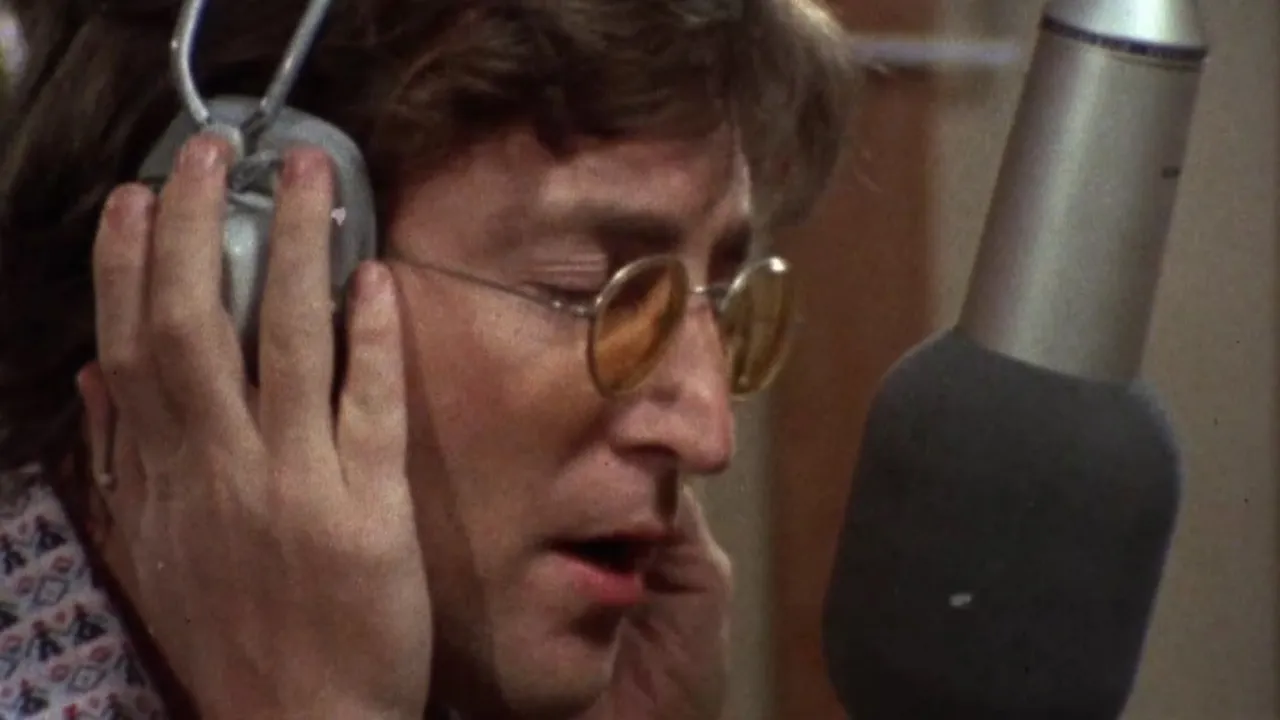
After a five-year hiatus to focus on fatherhood, Lennon returned to the studio in late 1980 with a renewed sense of vigor and domestic peace. The resulting collaborations with Yoko Ono captured a man finally at home with himself, celebrating the quiet joys of marriage and the future. Tragically, the optimism of tracks like “(Just Like) Starting Over” was cut short by his assassination in December 1980, transforming a comeback record into a heartbreaking finale.
Janis Joplin: Pearl
The queen of psychedelic soul was putting the final touches on her most polished and soulful effort when she died of an overdose in October 1970. Named after her own alter ego, the album showcased a more controlled, nuanced vocal style compared to her earlier work, featuring the definitive chart-topper “Me and Bobby McGee.” When it was released posthumously early the following year, it solidified her legacy as a titan of the blues-rock genre who was only just beginning to find her true voice.
David Bowie: Blackstar
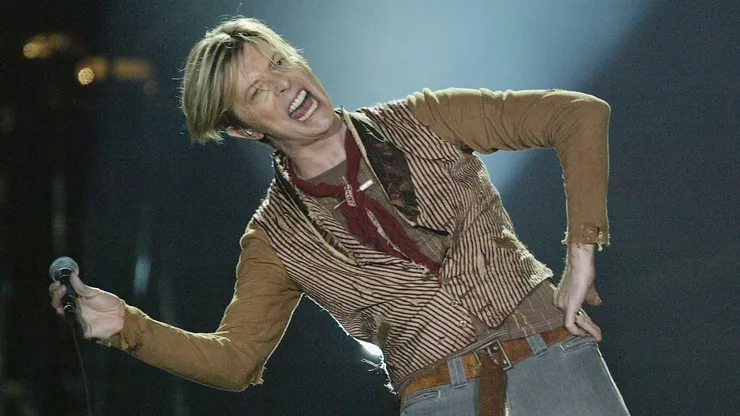
Released on his 69th birthday and just two days before his passing in January 2016, this avant-jazz masterpiece served as a meticulously choreographed goodbye to the world. Bowie kept his terminal cancer diagnosis a closely guarded secret, allowing the cryptic lyrics and haunting music videos for singles like “Lazarus” to reveal his physical decline only after he was gone. It remains a singular achievement in rock history—an artist turning his own mortality into a final, immersive piece of performance art.
Joy Division: Closer
Ian Curtis’s haunting baritone and desolate lyrics reached a chilling zenith on this 1980 post-punk landmark, which was recorded just two months before his suicide. The production by Martin Hannett added a cold, cavernous atmosphere that mirrored the singer’s internal struggles, creating a sonic landscape that felt both futuristic and ancient. Released in July 1980, the album served as a somber monument to a talent whose influence would go on to shape the DNA of alternative rock for decades.
Nirvana: MTV Unplugged in New York
While officially a live recording, this 1993 performance saw Kurt Cobain stripping away the distortion of the grunge movement to reveal the raw, folk-influenced heart of his songwriting. Recorded five months before his death, the set featured funereal stage decorations and a haunting cover of Lead Belly’s “Where Did You Sleep Last Night” that many fans viewed as a public exorcism of his pain. The album wasn’t released until late 1994, eventually becoming a definitive document of Cobain’s vulnerability and untapped musical depth.
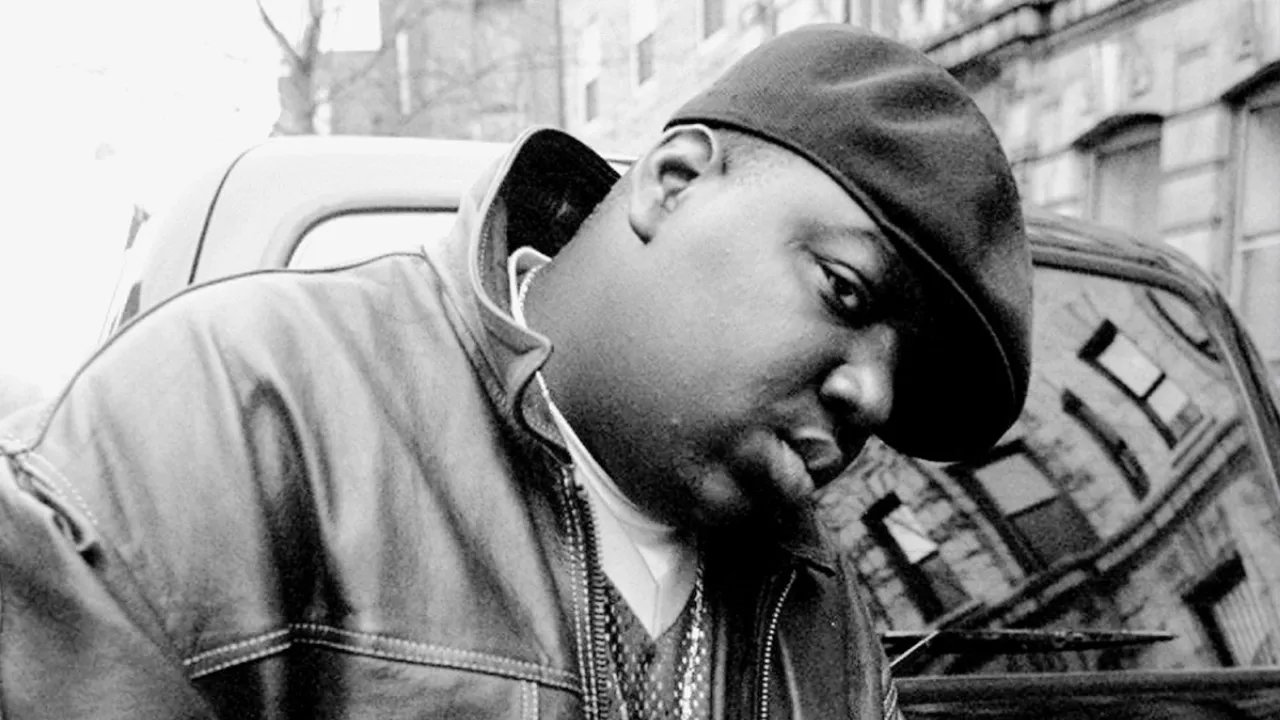
The Notorious B.I.G.: Life After Death
Source: IMDb
Christopher Wallace was killed in a drive-by shooting in March 1997, a mere 16 days before the release of this sprawling, ambitious double album. The record was a prophetic display of his lyrical dexterity and commercial intuition, blending gritty street narratives with polished, radio-friendly production. Its title and the eerie funeral theme of the artwork became a chilling coincidence, marking the moment Biggie Smalls moved from a king of New York to a permanent icon of hip-hop.
Jimi Hendrix: First Rays of the New Rising Sun
At the time of his accidental death in September 1970, Hendrix was obsessively working on a double album at his newly opened Electric Lady Studios that aimed to move beyond the trio format of his early career. Though not released in its intended form until decades later, the material recorded in those final months showed a genius moving toward soul, jazz-fusion, and complex studio layering.
George Harrison: Brainwashed
The quiet beatle spent his final years meticulously recording tracks for a solo album that would be his first in over a decade. As his health declined due to lung cancer, he left detailed instructions for his son, Dhani Harrison, and longtime collaborator Jeff Lynne to complete the production. Released a year after his death in November 2001, the album is a masterclass in slide guitar and spiritual philosophy, proving that Harrison’s creative instincts remained sharp and serene until his very last breath.
Elliott Smith: From a Basement on the Hill
Smith was working on a sprawling, ambitious double-album intended to be his “White Album” when he died of stab wounds in October 2003. The sessions saw him experimenting with a noisier, more psychedelic sound while retaining the whisper-quiet intimacy that made him an indie-folk icon. Though it was condensed into a single disc for its 2004 posthumous release, tracks like “A Fond Farewell” and “King’s Crossing” are among his most complex and hauntingly beautiful, capturing a genius grappling with his demons through high-fidelity art.
Warren Zevon: The Wind
In late 2002, rock’s most acerbic wit was diagnosed with terminal pleural mesothelioma and told he had only months to live. Zevon spent his final energy in the studio, aided by a cast of friends including Bruce Springsteen and Tom Petty, to craft a farewell that was equal parts gritty rock and heart-wrenching balladry. He passed away in September 2003, just two weeks after the album’s release, leaving behind the devastating “Keep Me in Your Heart” as one of the most honest meditations on death ever committed to tape.
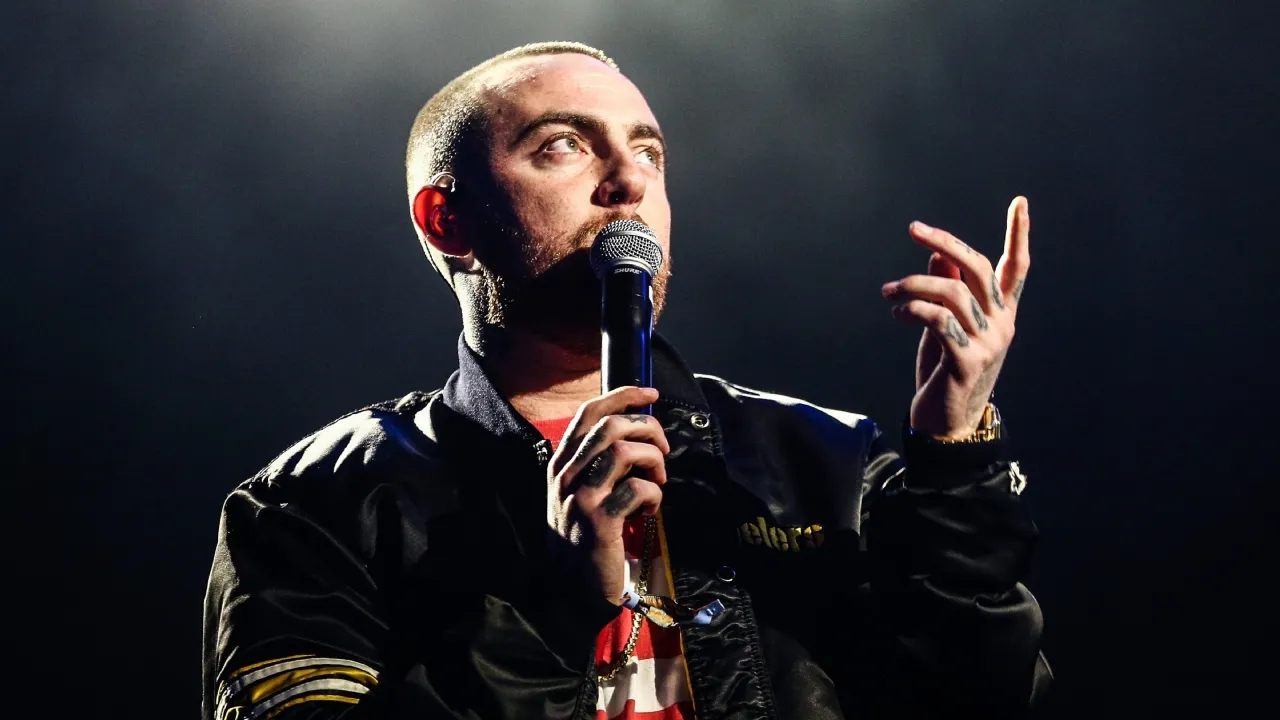
Mac Miller: Circles
Source: Rich Fury/Getty Images
At the time of his accidental overdose in September 2018, Miller was deep into the production of a companion album to his critically acclaimed Swimming. Completed by producer Jon Brion based on their extensive conversations, Circles moved away from traditional hip-hop into a soft, soul-searching blend of indie-pop and jazz. The record feels remarkably intimate and finished, offering a gentle, sun-dappled contrast to his previous work and suggesting a mature musical direction that he, unfortunately, never got to explore further.