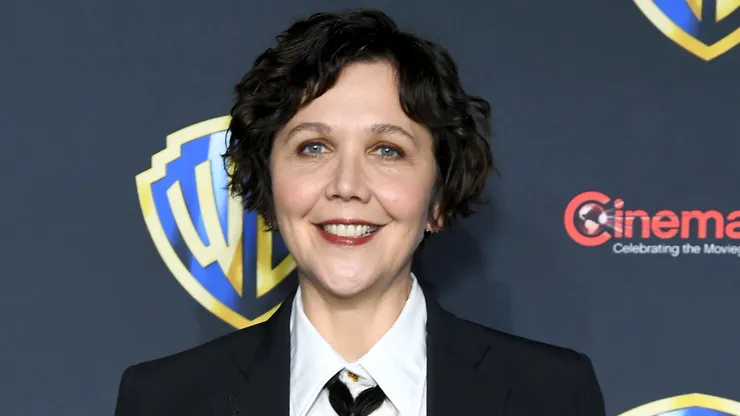
The film and television industry likes to present itself as progressive, but its history tells a more complicated story. For decades, performers have seen opportunities vanish not because of their abilities, but because of prejudice tied to race, gender, age or sexuality. From openly acknowledged casting biases to quietly enforced industry norms, these cases reveal how discrimination has altered careers and rewritten what audiences ultimately saw on screen.
Salma Hayek
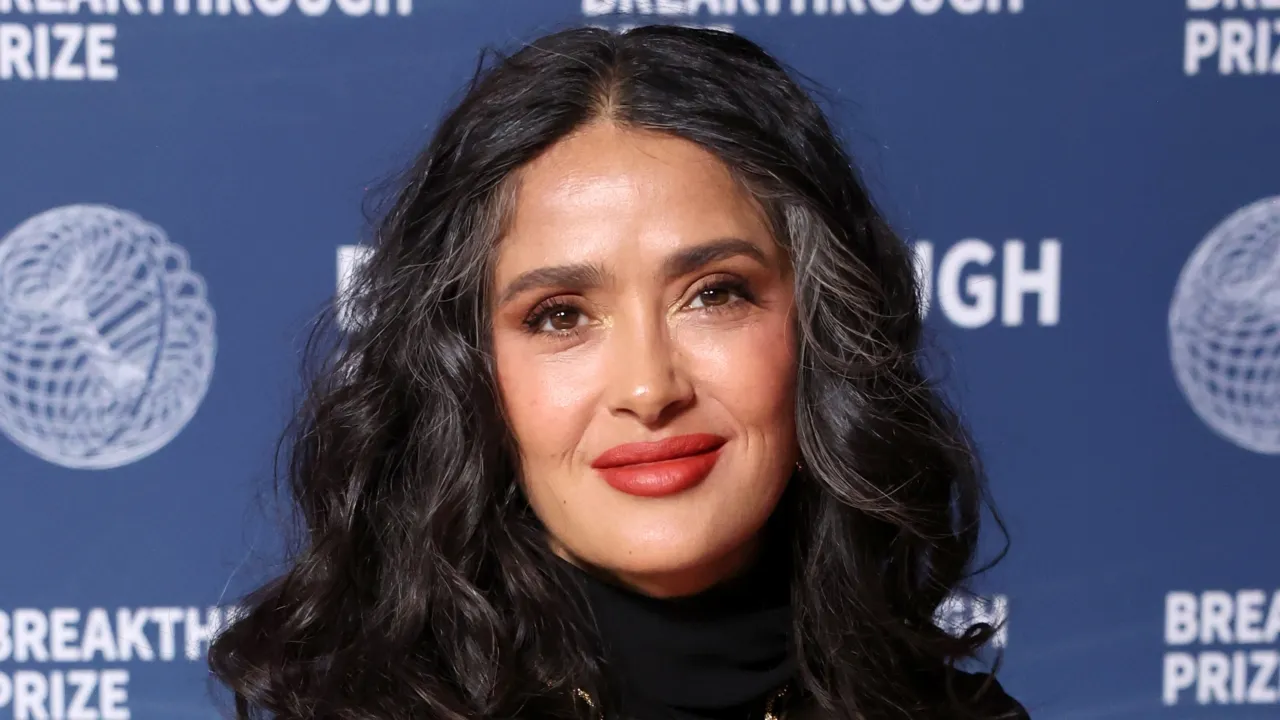
Early in her career, Salma Hayek was told by numerous Hollywood executives that her Mexican accent made her unmarketable for anything other than a maid or a girlfriend. One director even informed her that she would never be a leading lady in the United States because her voice would remind audiences of their domestic help. Despite these discriminatory barriers, Hayek eventually broke through by producing her own projects.
Nathan Lane
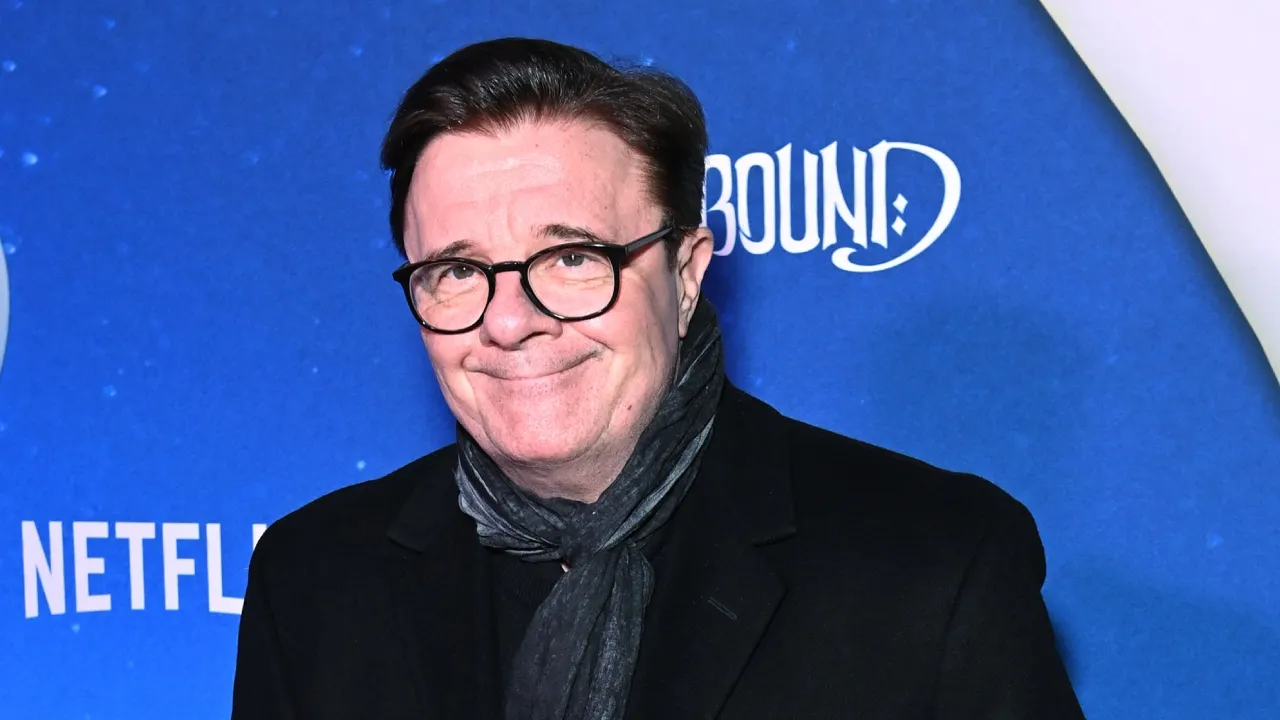
The Tony-winning legend of stage and screen revealed that his career trajectory was significantly altered by homophobic typecasting following his success in The Birdcage. Lane recently shared that he was denied a prominent role in the 1996 hit Space Jam because producers felt his public persona was “too gay” for a family-oriented sports comedy. Even after proving his box-office draw, the actor was told by representation that his openness regarding his sexuality was a direct barrier to securing the everyman roles typically reserved for his heterosexual peers.
Zoë Kravitz

Long before she became an A-list star and donned the Catwoman suit, Zoë Kravitz was barred from even auditioning for a small role in Christopher Nolan’s The Dark Knight Rises. The actress noted that she was told the production wasn’t “going urban” for the specific part, a coded term that effectively excluded her based on race.
Maggie Gyllenhaal
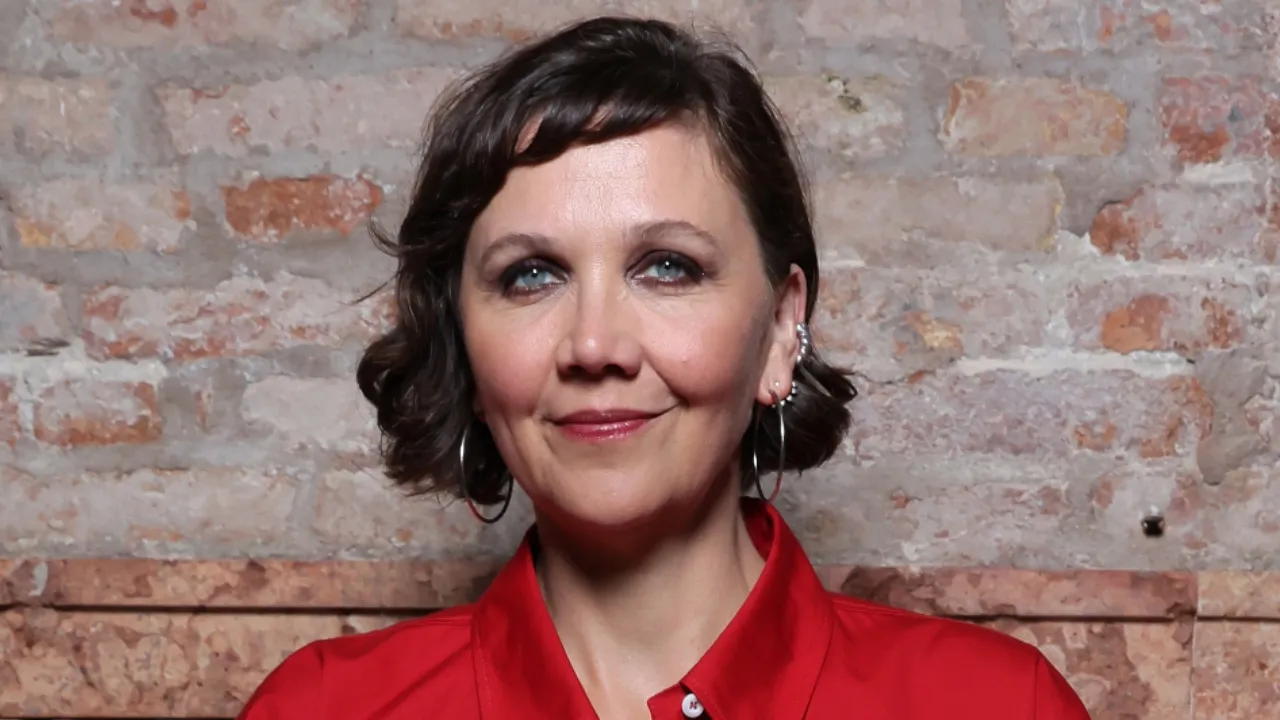
In a striking example of Hollywood’s expiration date for women, Maggie Gyllenhaal was famously told at the age of 37 that she was too old to play the love interest of a 55-year-old male lead. This instance of ageism exposed the industry’s double standard, where male actors are allowed to age into distinguished leading roles while their female counterparts are often phased out of romantic leads before reaching middle age.
Priyanka Chopra Jonas

Even as a global icon with a massive international following, Priyanka Chopra Jonas has spoken candidly about losing out on a major film role due to her ethnicity. The actress recalled a specific instance where her agent was told she wasn’t the right physique for a part, only to clarify later that the studio was looking for someone who didn’t look “too Indian.” This subtle form of discrimination suggests that even for top-tier talent, racial background can be used as a disqualifier under the guise of aesthetic fit.
Jade Anouka
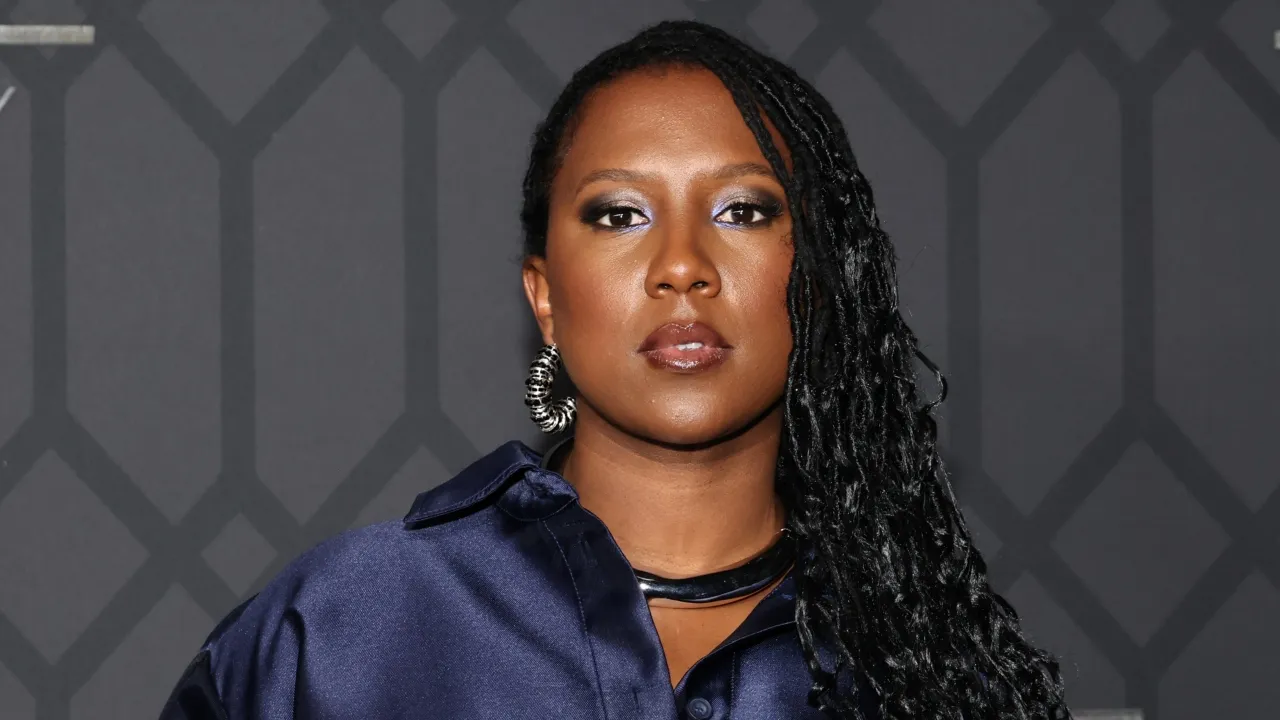
British actress Jade Anouka, known for His Dark Materials, brought to light the pervasive issue of pregnancy discrimination after she was dropped from a television role upon disclosing she was expecting. While the production company cited insurance complications as the reason for her dismissal, the incident underscored how the industry views pregnant bodies as a liability rather than an adaptable reality of employment.
Thandiwe Newton
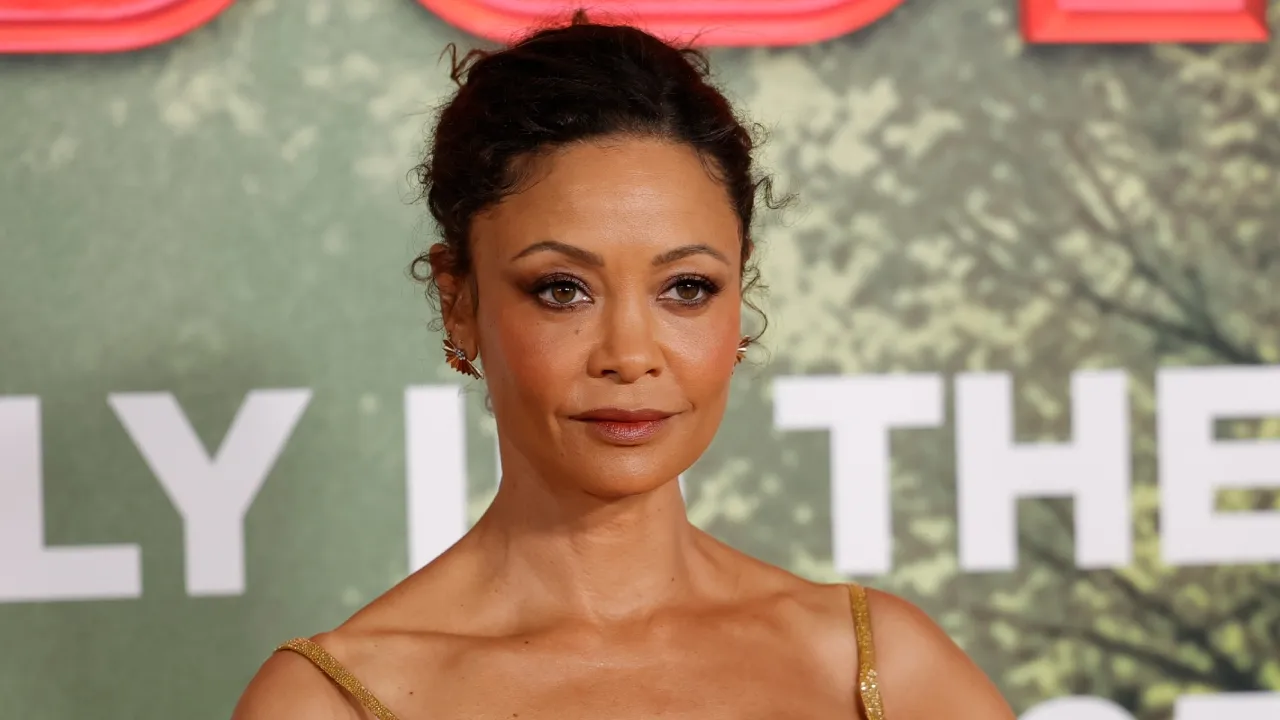
The Emmy-winning actress revealed she lost out on a major role in the 2000 film Charlie’s Angels due to blatant racial and colorist stereotypes proposed by the production’s leadership. Newton recounted how a director suggested her character’s entrance involve a stereotypical display of her anatomy, and a producer made derogatory comments about how they would need to adjust the lighting to account for her skin tone.
Rupert Everett
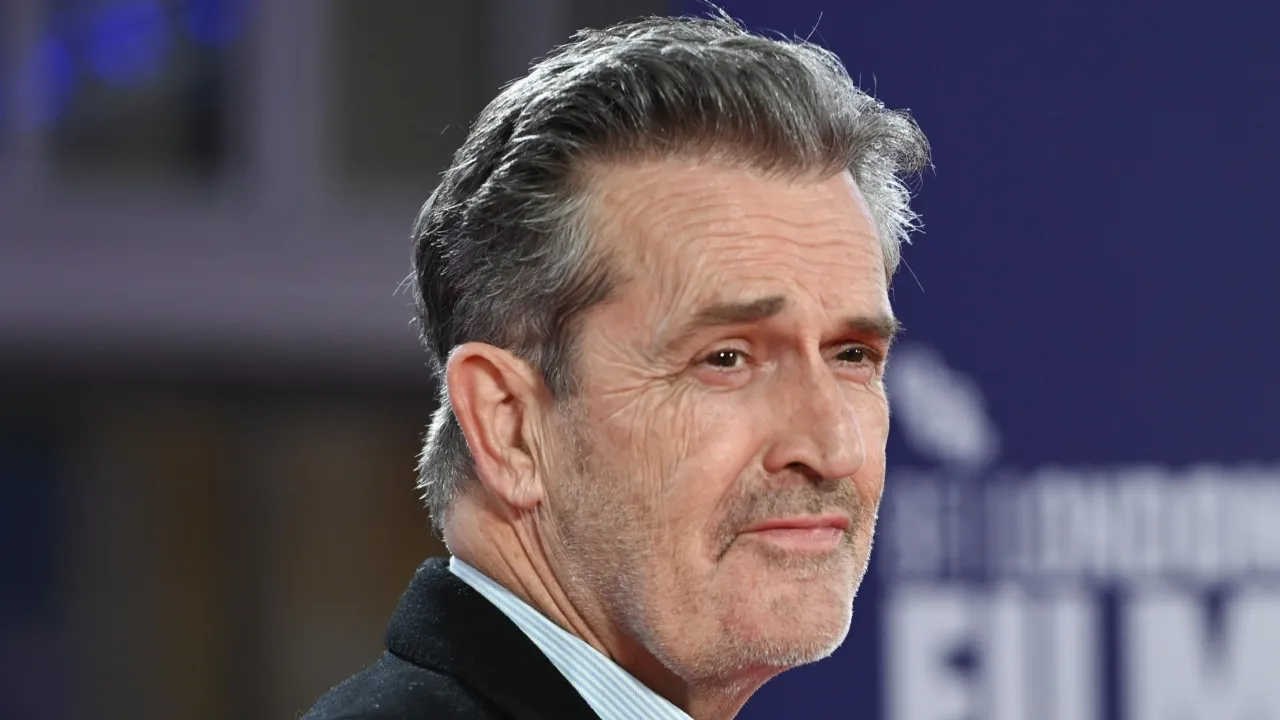
After his breakout performance in My Best Friend’s Wedding, Rupert Everett expected to transition into a top-tier leading man, but he found that his status as an openly gay actor made him a pariah in the eyes of studio heads. Everett has stated that he lost at least three major film roles specifically because executives believed a gay man could not be a convincing romantic lead for a female audience.
Anna May Wong
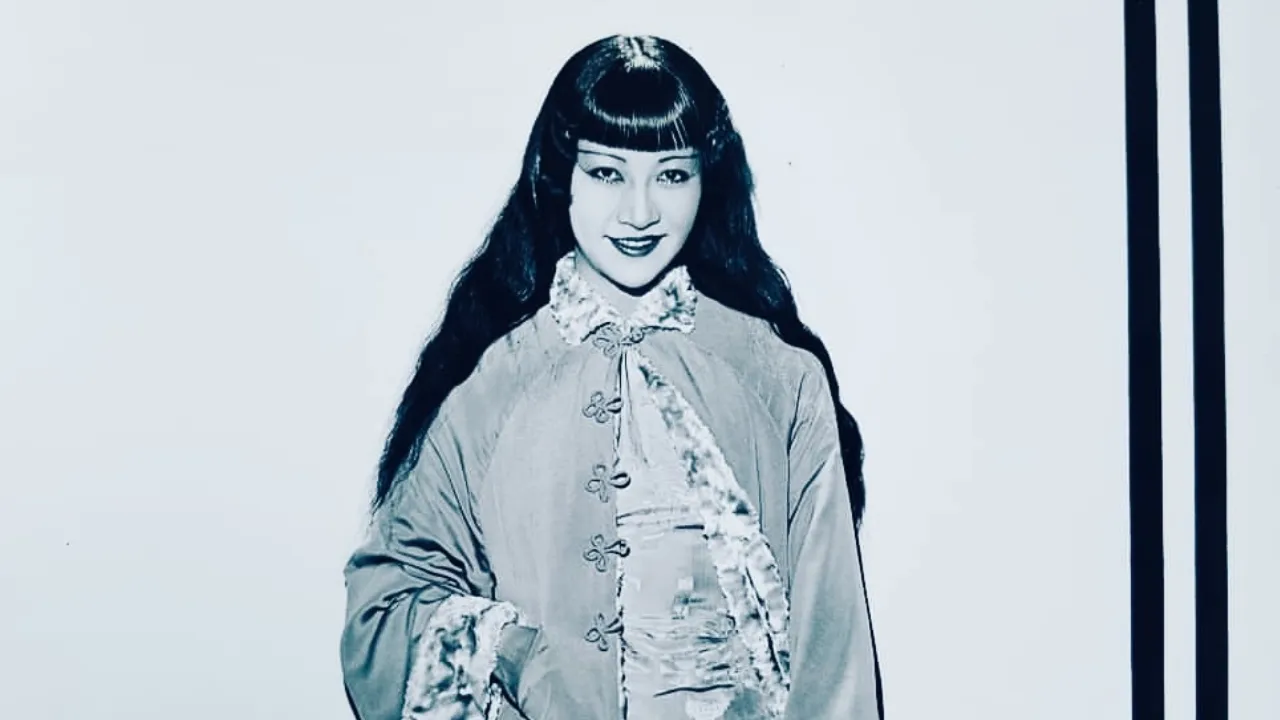
Widely considered the first Chinese-American movie star, Anna May Wong faced a devastating career blow when she was passed over for the lead role of O-Lan in the 1937 film The Good Earth. Despite her international fame and critical acclaim, Metro-Goldwyn-Mayer opted to cast white actress Luise Rainer in yellowface. This rejection remains one of the most cited examples of institutional racism in early cinema, as Wong was essentially deemed “too Chinese” to play a Chinese character in a major American production.
George Takei
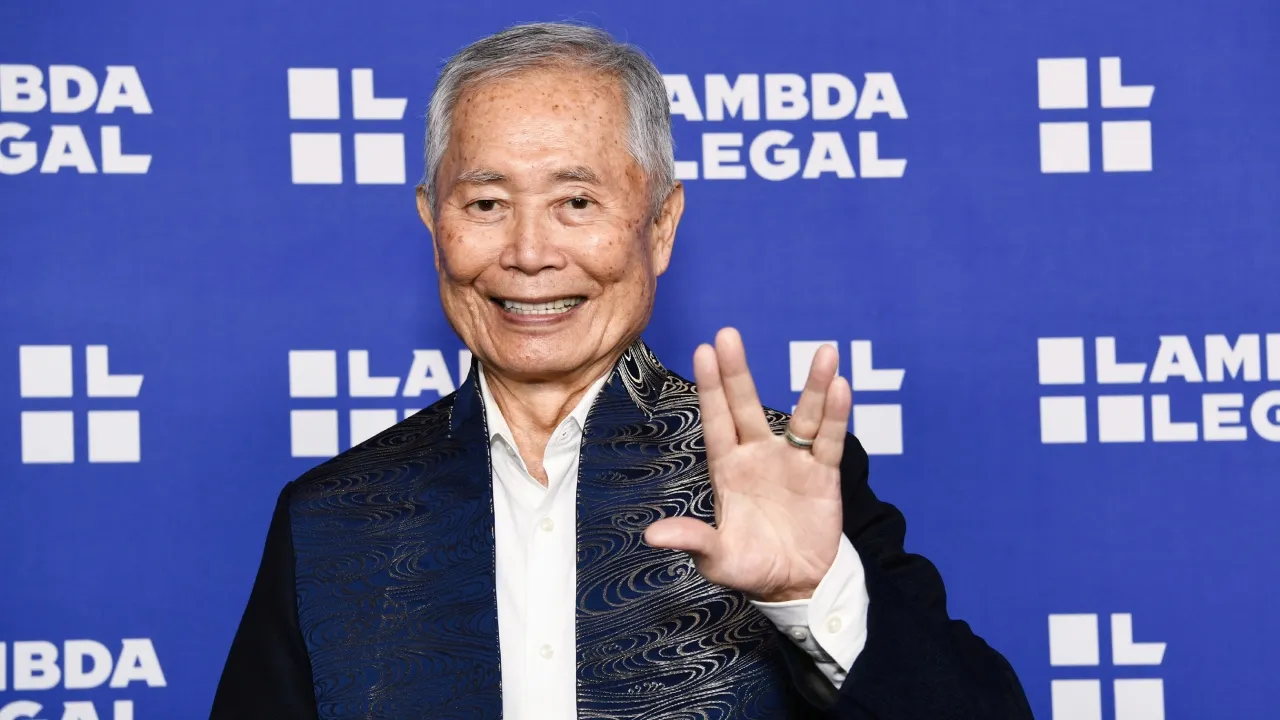
The Star Trek icon has reflected on how his career was hampered for decades by the status of being both Asian and, at the time, a closeted gay man. Takei noted that during the height of his career, he was forced to turn down or was quietly removed from consideration for roles because he didn’t fit the hyper-masculine Asian trope required by the era’s martial arts craze.