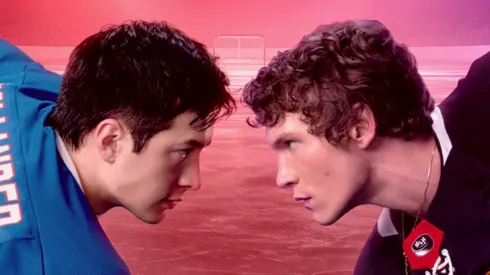
While most streaming hits enjoy a brief window of cultural relevance before being buried by the next algorithm-friendly release, the adaptation of Rachel Reid’s beloved hockey romance has defied the standard lifecycle of modern television.
The finale of “Heated Rivalry” was supposed to provide closure for the tumultuous journey of Shane Hollander and Ilya Rozanov, yet the post-show blues have instead ignited a massive secondary wave of engagement. Between viral fan edits and a resurgence in the source material’s sales, the series has transitioned from a mere viewing experience into a persistent online subculture.
The Chemistry That Refuses to Cool Down
The primary driver behind this lingering obsession is the lightning in a bottle casting of Hudson Williams and Connor Storrie, whose performances transcended the typical enemies to lovers tropes. Their portrayal of two elite athletes hiding a decade-long secret didn’t just satisfy the existing book fandom; it captured a massive general audience through a raw, authentic vulnerability rarely seen in mainstream sports media. This emotional investment has translated into a digital afterlife where fans dissect every micro-expression and unscripted glance from the final episodes.

Furthermore, the show arrived at a moment when audiences were craving serialized storytelling that prioritizes character depth over high-concept gimmicks. By focusing on the grueling psychological toll of professional sports alongside a high-stakes romance, the series built a foundation that feels lived-in and real. Fans aren’t just mourning the end of a plot; they are mourning the daily presence of characters who felt like genuine icons of the sport.
Social media platforms have also played a crucial role in maintaining this momentum through the sheer volume of meta-analysis and fan-generated content. Unlike shows that rely on a single twist to shock the audience, “Heated Rivalry” left behind a rich tapestry of subtext that invites constant rewatching and discussion. Every frame is being treated like a piece of high art, ensuring that the conversation remains fresh even in the absence of new footage.
Ultimately, the production team tapped into a forever fandom by treating the central relationship with the same prestige usually reserved for gritty political dramas or epic fantasies. The obsession persists because the show respected its audience’s intelligence and emotional capacity, proving that a well-executed romance can have the staying power of a blockbuster franchise. As long as the Hollander vs. Rozanov debate continues to rage in comment sections, the series remains very much alive.