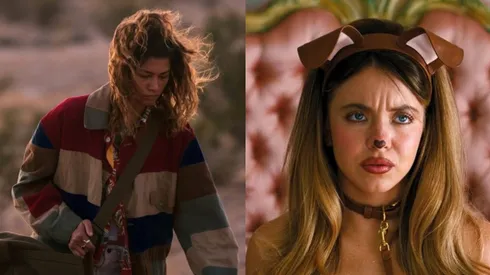
With a staggering five-year time jump moving the characters far beyond their high school lockers, critics are deeply divided over the gritty new narrative directions, particularly the wildly controversial arcs assigned to Zendaya and Sydney Sweeney.
Premiering on April 12, 2026, the highly anticipated third season of Euphoria completely abandoned its neon-soaked teenage origins in favor of a much darker, neo-Western landscape.
Creator Sam Levinson fundamentally altered the core dynamics of the entire ensemble. While the initial viewership numbers confirm that the show remains an absolute ratings powerhouse, professional reviewers and vocal fans are fiercely debating the creative merits of this drastic evolution. From rumors of behind-the-scenes cast drama to staggering character metamorphoses, the launch has generated an inescapable wave of digital discourse. Here is a comprehensive breakdown of the critical reception surrounding the polarizing new season and the specific reactions to the show’s biggest stars.
The Audacious Five-Year Narrative Leap
By skipping half a decade of character development, the series forces audiences to immediately reconcile with jarring new realities. Viewers no longer watch anxious teenagers navigating locker room drama, but rather deeply traumatized adults dealing with severe financial and criminal consequences. Critics noted that this structural gamble allows the actors to finally play closer to their actual ages, shaking off the fatigue of high school tropes. However, several reviews pointed out that the abrupt transition leaves massive emotional gaps that the premiere struggles to coherently fill.
The initial review embargo lift revealed a fiercely divided critical landscape. Prominent outlets criticized the premiere. Conversely, other publications praised the sheer cinematic audacity, comparing the show’s new cartel-driven stakes to a Gen Z interpretation of Breaking Bad. The overarching sentiment suggests that while the visual flair remains impeccable, the narrative heavily relies on gratuitous provocation over substantial character growth.
Zendaya’s Rue Enters the Criminal Underworld
Rue Bennett’s highly anticipated return completely subverted audience expectations regarding her addiction recovery journey. Rather than focusing solely on her sobriety, the premiere reveals her working as a fentanyl drug mule, smuggling contraband across the Mexican border to pay off her debts to Laurie. Teaming up with a menacing new kingpin named Alamo Brown, her storyline abandons suburban angst for intense, blaxploitation-inspired cinematic peril. Reviewers widely acknowledged that this dark pivot permanently transforms Rue from a tragic teen into an active participant in organized crime.
Even the harshest detractors of the new season’s writing found themselves completely captivated by Zendaya’s leading performance. Entertainment journalists celebrated her ability to anchor the increasingly absurd and dangerous plotlines with profound, quiet devastation. She continues to be the emotional heartbeat of the series, effortlessly proving why she already secured two Emmy awards for the demanding role.
Sydney Sweeney’s Cassie Navigates Suburbia
Cassie Howard’s adult life is arguably the most jarring evolution presented in the season premiere. She is now trapped in a toxic, seemingly picture-perfect suburban marriage with Nate Jacobs, masking his crumbling business by pursuing a secret career as an adult platform content creator. The show depicts her recording cam-girl content while occasionally dressed in puppy costumes, desperate to maintain her lavish lifestyle. This bizarre domestic scenario immediately sparked massive debates regarding female exploitation and digital s*x work representations.
While Sydney Sweeney’s acting remains sharp, reviewers aggressively lambasted Sam Levinson’s handling of her character’s online s*x work storyline. Cultural commentators called the narrative execution bafflingly dated, pointing out that the show treats her cam-girl ambitions with a strange mixture of voyeurism and harsh judgment. Many writers argued that Cassie’s arc marks a regressive step backward for a previously complex protagonist, reducing both the character’s depth and Sweeney’s role to a focus on her appearance.
Behind-the-Scenes Feuds Shadowing the Premiere
The intense on-screen drama has been significantly rivaled by persistent rumors of off-screen turmoil. Leading up to the debut, tabloids extensively reported on alleged, escalating tensions between Zendaya and Sydney Sweeney, claiming the fallout plunged the production into chaos. While neither actress has publicly confirmed the rumored feud, critics noted that the press tour carried a distinct flavor of contractual obligation, lacking the usual cast camaraderie. This perceived backstage friction has inevitably colored the way audiences are interpreting their heavily isolated character arcs.
A Drastic Shift in Auditory Identity
Beyond the visual and narrative shifts, the soundscape of Euphoria underwent a massive, highly controversial transformation. The genius composer Labrinth, whose gospel-electronic beats defined the emotional landscape of the first two seasons, abruptly exited the project following reported industry disagreements. The premiere subsequently replaced his sweeping original scores with standard musical needle drops, leaving a noticeable void in the show’s atmosphere. Reviewers frequently cited this musical downgrade as a major reason why the new episodes feel strangely disconnected from the original magic of the series.