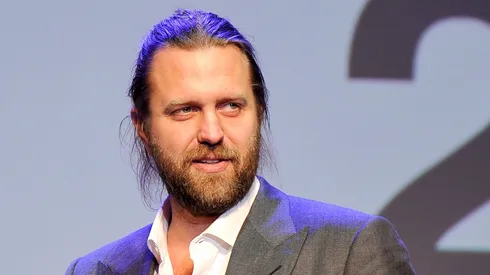
The case stems from an $11 million payment the streaming company made to help finish the project, money prosecutors said was diverted for personal use instead of production. In addition to the prison term, Rinsch was ordered to pay $11 million in restitution and will serve three years of supervised release.
How Carl Erik Rinsch’s Netflix Project Ended in a Criminal Conviction
Rinsch, whose feature directorial debut was the 2013 fantasy film “47 Ronin” starring Keanu Reeves, built his early reputation directing acclaimed commercials before landing one of Netflix’s most ambitious original productions. The streamer committed more than $61 million to produce a sci-fi show that began as “White Horse” before being renamed “Conquest.” However, the production repeatedly fell behind schedule, and no completed episodes were ever delivered.
Federal prosecutors argued that after Netflix transferred an additional $11 million to keep the production moving, Rinsch shifted the money into a personal brokerage account rather than using it for the series. Court records showed he made high-risk investments, later turning profits from cryptocurrency trading into luxury purchases that included expensive vehicles, designer goods, furniture, and hotel stays. He also filed legal claims seeking more than $14 million in additional payments from Netflix, though an arbitrator ultimately ruled against him.
A Manhattan jury found Rinsch guilty last year on charges that included wire fraud, money laundering, and unlawful monetary transactions. While prosecutors sought a five-year prison sentence and the charges carried a much higher maximum penalty, U.S. District Judge Jed Rakoff imposed a 30-month sentence after reviewing evidence suggesting Rinsch had been dealing with an untreated mental health condition during the period in question. Even so, the judge concluded that the deliberate misuse of Netflix’s funds warranted a prison sentence.
The court also received letters from people close to the filmmaker describing dramatic changes in his behavior beginning in 2019. Family members, longtime friends, and former colleagues recalled increasingly erratic communication and beliefs that raised concerns about his mental state. Keanu Reeves submitted a letter asking the court for leniency, describing the director as someone whose ambitions often exceeded what had been agreed.
The sentence brings another chapter to a close in one of Hollywood’s most unusual production disputes. Beyond the criminal penalties, Netflix is also seeking to recover more than $4.4 million in legal fees related to the years-long litigation surrounding the abandoned series, a project that became one of the streaming industry’s most costly unfinished productions.