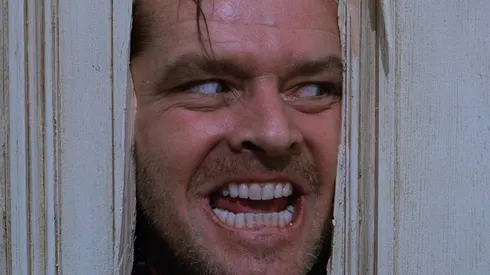
Released in 1980, “The Shining” has evolved from a divisive literary adaptation into one of the most analyzed horror pictures ever made. Directed by Stanley Kubrick and based loosely on the novel by Stephen King, the movie initially received mixed reactions from critics and even skepticism from some horror audiences. Over the decades, however, its reputation transformed dramatically, becoming a landmark title in psychological horror and an enduring cultural obsession.
Why ‘The Shining’ Still Feels Unsettling 46 Years Later
Set inside the isolated Overlook Hotel, “The Shining” follows struggling writer Jack Torrance, played by Jack Nicholson, as he accepts a winter caretaker job that slowly unravels his grip on reality. Alongside him are Wendy Torrance, portrayed by Shelley Duvall, and their son Danny, whose psychic abilities expose the hotel’s violent history. Rather than relying heavily on jump scares, the film built tension through silence, repetition, and emotional instability.
Kubrick approached the material with a colder and more ambiguous tone than King’s original novel, a decision that sparked years of debate between fans of the book and admirers of the picture. The director leaned into visual unease, using symmetrical framing, long tracking shots, and haunting sound design to create an atmosphere that felt disorienting even during quiet scenes. Many of those techniques later became staples of elevated horror filmmaking.
The performances also became central to the film’s legacy. Nicholson’s increasingly erratic portrayal of Jack Torrance produced some of the most recognizable moments in horror history, while Duvall’s emotionally raw performance has undergone major critical reappraisal in recent years. The title’s imagery, from the twin girls in the hallway to the flood of blood pouring from the elevator, remains instantly recognizable across generations.
Although it underperformed expectations with some critics upon release, “The Shining” steadily gained influence through home video, academic analysis, and decades of reinterpretation. Its fingerprints can now be seen across modern horror cinema, particularly in pictures that prioritize dread, psychological collapse, and atmosphere over conventional scares.
Forty six years after its debut, the movie continues to inspire documentaries, fan theories, and scholarly debates about hidden meanings and symbolism. Few horror films have remained as culturally active for as long as “The Shining,” which still occupies a unique place between mainstream studio filmmaking and deeply unsettling art house cinema.