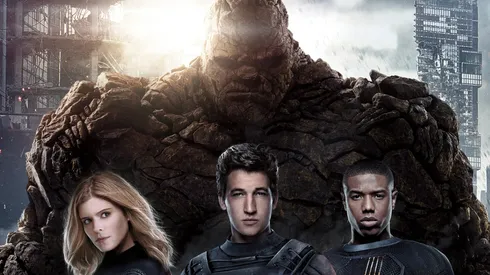
In a recent interview with The Hollywood Reporter, Jeremy Slater said he once believed director Josh Trank was building something ambitious enough to stand alongside “The Dark Knight” trilogy era superhero filmmaking.
The comments surfaced while Slater was discussing his latest work on “Mortal Kombat II,” but the conversation eventually returned to one of the most notorious superhero productions of the 2010s.
A Different Movie in Mind
Looking back on the production, Slater described an early creative process that felt surprisingly optimistic. He recalled collaborating extensively with Trank and feeling convinced the reboot was aiming for something more grounded and filmmaker driven than the average comic book adaptation.
For a time, the confidence around the project was strong enough that Slater thought the picture could reshape the franchise’s reputation entirely. “You guys, just wait for Fantastic Four. We’re the next Christopher Nolan. We’ve got the next [Dark Knight] trilogy on the way,” he recalled thinking during development, before the production’s well documented troubles overtook the film.
Slater also said he remained mostly unaware of the behind the scenes conflict that later became associated with the title. According to him, the scale of the changes only became clear once he finally watched the completed movie in a theater years later. “There was nothing in there that remotely resembled what I had set out to do,” he said while describing his reaction to the final cut.
Released in 2015, “Fantastic Four” starred Miles Teller, Michael B. Jordan, Kate Mara, and Jamie Bell as Marvel’s famous superhero team. The picture underwent significant reshoots following reported disagreements between Trank and 20th Century Fox, eventually arriving to negative reviews and disappointing box office results.
Even with the project’s reputation now firmly cemented in comic book movie history, Slater framed the experience as part of the unpredictable reality of studio franchise filmmaking. He noted that writers frequently lose control of a project once multiple creative and corporate interests begin reshaping the material.